Island Travel Guide for Discovering Hidden Beaches
Looking for a quiet stretch of sand away from the crowds? This island travel guide for discovering hidden beaches will help you find secluded shores, avoid tourist traps, and make the most of your coastal escape. Whether you’re island-hopping in Greece, exploring the Philippines, or wandering the Caribbean, knowing where to go—and how to get there—makes all the difference.
Hidden beaches aren’t always on maps. They’re often tucked behind cliffs, reachable only by foot or boat, or accessible during low tide. This guide covers the best strategies, real-world examples, and essential tips to uncover these coastal gems safely and responsibly.
Why Seek Out Hidden Beaches?
Popular beaches offer convenience and amenities, but they often come with crowds, noise, and overpriced food. Hidden beaches deliver a different experience: solitude, natural beauty, and a stronger connection to the local environment.
These secluded spots are usually less developed, meaning fewer facilities but more authenticity. You’ll find clearer water, untouched sand, and wildlife you won’t see in high-traffic zones. For travelers who value peace and discovery, hidden beaches are worth the effort.
The Trade-Offs to Consider
Accessibility is the biggest challenge. Many hidden beaches require hiking, kayaking, or a local guide. Some may lack restrooms, shade, or fresh water. Always assess your fitness level and pack accordingly.
Safety is another factor. Remote locations mean limited cell service and slower emergency response. Let someone know your plans, and avoid risky tides or unstable terrain. The reward—pristine shores and personal space—is real, but preparation is key.
How to Find Hidden Beaches on Any Island
Start with local knowledge. Talk to fishermen, dive shop owners, or long-term residents. They often know secret coves that never appear on tourist brochures. Locals can also warn you about seasonal changes, like jellyfish blooms or strong currents.
Use satellite imagery to spot potential spots. Look for narrow inlets, small coves, or areas with dense vegetation near the coast. These often indicate limited access and fewer visitors. Cross-reference with tide charts—some beaches only appear at low tide.
Tools and Apps That Help
Google Earth is a powerful tool for scouting. Zoom in on coastlines and look for footpaths, boat launches, or changes in vegetation that suggest human access. Street View can also show trailheads or parking areas near secluded spots.
Apps like Maps.me and Gaia GPS offer offline topographic maps with user-uploaded trails. These are especially useful in regions with poor signage. Always download maps before heading out, as signal can drop quickly on remote islands.
Ask the Right Questions
When speaking with locals, ask specific questions: “Is there a quiet beach nearby?” or “Where do you go to swim alone?” Avoid vague terms like “secret beach”—locals may not use that language. Instead, focus on practical details: access points, best times to visit, and any hazards.
Check recent traveler reviews on platforms like TripAdvisor or Reddit. Search for phrases like “less crowded beach” or “hidden cove” paired with the island name. Look for comments from people who visited in the past month—conditions can change fast.
Top Island Destinations for Hidden Beaches
Not all islands are created equal when it comes to secluded shores. Some are naturally more remote, while others have strict development policies that preserve coastal areas. Here are a few standout destinations known for hidden beaches.
Seychelles: Granitic Coves and Coral Lagoons
The outer islands of Seychelles, like Farquhar and Alphonse, offer some of the most isolated beaches in the Indian Ocean. Access is usually by small plane or charter boat, which naturally limits visitors.
On Alphonse Atoll, you’ll find powdery white sand and turquoise lagoons protected by coral reefs. The beach at Remire Island is rarely crowded, and the snorkeling is exceptional. Pack reef-safe sunscreen and a reusable water bottle—there are no shops on the island.
Palawan, Philippines: Jungle-Enclosed Shores
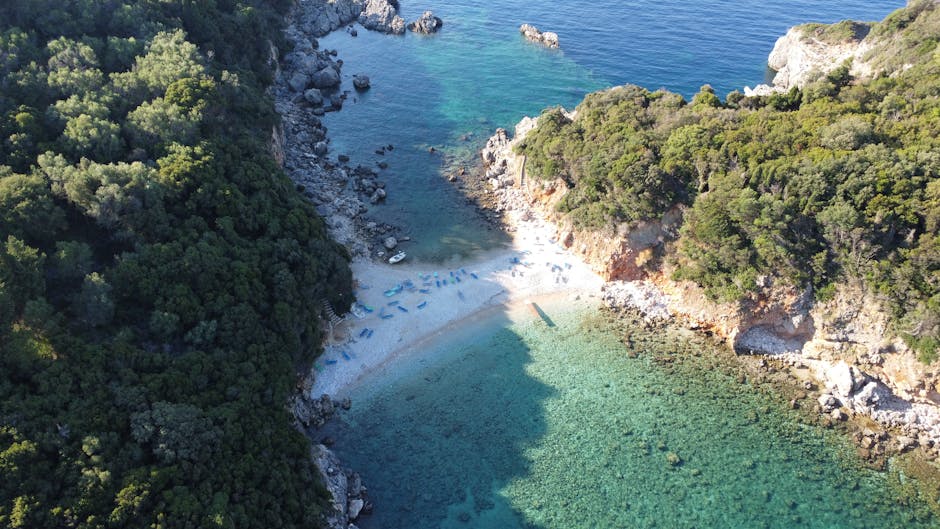
Palawan’s limestone cliffs and dense mangroves hide countless small beaches. On El Nido’s outer islands, you can kayak through lagoons to reach spots like Snake Island’s hidden sandbar—visible only at low tide.
On Balabac Island, near Borneo, the beaches are so remote that local guides are essential. The sand is fine and white, and the water is shallow and calm. Be mindful of travel restrictions—some areas require permits due to conservation efforts.
Koh Rong, Cambodia: Unspoiled and Off the Grid
While Koh Rong Samloem has gained popularity, the northern part of Koh Rong remains largely untouched. Long Beach stretches for miles with minimal development, and nearby coves like Sok San offer total seclusion.
Access is by long-tail boat from Sihanoukville. Bring your own food and water, as services are limited. The trade-off? Crystal-clear water, bioluminescent plankton at night, and the sound of waves without music or crowds.
Isle of Skye, Scotland: Rugged and Remote
For a different kind of hidden beach, head to the Isle of Skye. Trails like the one to Coral Beach—a mix of seaweed and crushed shells—require a 45-minute hike but reward you with views of the Atlantic and minimal foot traffic.
Weather changes quickly here. Check forecasts and wear layers. The beach is accessible year-round, but winter storms can make paths slippery. Always carry a map and compass—GPS signals can be unreliable in the Highlands.
How to Access Hidden Beaches Safely
Most hidden beaches aren’t served by roads. That means you’ll likely need to hike, paddle, or take a boat. Each method has its own risks and requirements.
Hiking to Secluded Shores
Coastal trails can be uneven, with loose rocks, roots, or steep drops. Wear sturdy footwear and carry trekking poles if needed. Stick to marked paths when possible—venturing off-trail can damage fragile ecosystems.
Check tide times before you go. Some trails flood at high tide, cutting off your return route. Use a tide app or ask locals for the schedule. If you’re caught, stay calm and wait for the water to recede—don’t attempt to swim unless absolutely necessary.
Kayaking and Paddling In
Kayaking offers access to coves that cars and hikers can’t reach. Rent from a reputable outfitter and ensure your boat is seaworthy. Always wear a life jacket, even in calm water.
Be aware of wind and currents. What looks like a short paddle on a map can become exhausting in choppy conditions. Paddle with a partner and let someone on shore know your route and return time.
Boat Access and Local Guides
On many islands, the only way to reach hidden beaches is by boat. Local operators often know the safest routes and hidden anchorages. They can also share stories about the area’s history and wildlife.
Negotiate prices upfront and confirm the return time. Some guides offer half-day trips that include snorkeling gear and a packed lunch. Avoid unlicensed operators—safety standards vary widely.
What to Pack for a Hidden Beach Day
Since amenities are scarce, self-sufficiency is crucial. Pack light but smart, focusing on essentials that enhance comfort and safety.
Must-Have Items
- Water and snacks: Bring at least 1 liter per person, more in hot climates. Energy bars, nuts, and dried fruit are compact and filling.
- Sunscreen and hat: Use reef-safe sunscreen to protect marine life. A wide-brimmed hat and UV-protective clothing reduce exposure.
- First aid kit: Include bandages, antiseptic, tweezers (for splinters or jellyfish stings), and any personal medications.
- Waterproof bag: Keeps your phone, map, and snacks dry. Dry bags are ideal for kayaking or swimming.
- Headlamp or flashlight: In case you’re caught after sunset. A red-light mode preserves night vision.
Optional but Useful
- Portable water filter: If you’re hiking to a freshwater source, a filter lets you refill safely.
- Lightweight towel: Quick-dry microfiber towels pack small and dry fast.
- Binoculars: Great for spotting birds, dolphins, or distant landmarks.
- Trash bag: Pack out everything you bring in. Leave no trace.
Responsible Travel on Hidden Beaches
With great beauty comes great responsibility. Hidden beaches are often ecologically sensitive. Coral reefs, sea turtle nesting sites, and dune grasses can be damaged by careless behavior.
Never touch or step on coral—it’s alive and can take decades to recover. Avoid collecting shells, rocks, or sand. These are part of the ecosystem and may be protected by local laws.
Respect Local Communities
Some hidden beaches are near villages or sacred sites. Always ask before entering private land or photographing people. In some cultures, certain areas are off-limits to outsiders.
Support local economies by hiring local guides, buying handmade crafts, or eating at family-run stalls. Avoid large tour groups that can overwhelm small communities.
Leave No Trace Principles
Follow the seven Leave No Trace principles: plan ahead, travel on durable surfaces, dispose of waste properly, leave what you find, minimize campfire impact, respect wildlife, and be considerate of others.
Even small actions matter. A discarded bottle can harm marine life. A trampled dune can erode over time. By traveling mindfully, you help preserve these places for future visitors.
When to Visit for the Best Experience
Timing affects everything—from weather to crowds to wildlife activity. Plan your trip around seasonal patterns for the island you’re visiting.
Shoulder Seasons Offer Balance
Avoid peak tourist months if you want solitude. In the Caribbean, this means visiting in late April or early December. In Southeast Asia, aim for November or March, avoiding monsoon seasons.
Shoulder seasons often have better weather than the off-season and lower prices than peak times. You’ll also find more availability for guides and accommodations.
Early Mornings and Weekdays
Even on less-visited islands, weekends can bring local crowds. Arrive at your hidden beach by 8 a.m. to claim your spot and enjoy the calmest conditions.
Midweek visits are ideal. Fewer boats, fewer hikers, and more wildlife. Dolphins, sea turtles, and tropical birds are often more active in the early hours.
Common Mistakes to Avoid
Even experienced travelers make errors when seeking out hidden beaches. Learn from these common pitfalls to stay safe and respectful.
Underestimating the Journey
Don’t assume a beach is “close” just because it looks nearby on a map. Coastal distances can be deceiving. A 2-kilometer hike may take an hour if the trail is steep or muddy.
Always research the route beforehand. Look for recent trail reports and ask about current conditions. What was easy last year might be overgrown or washed out now.
Ignoring Weather and Tides
Weather can change rapidly on islands. A clear morning can turn stormy by afternoon. Check forecasts from reliable sources like national weather services.
Tides affect access. Some beaches are only reachable at low tide. Others become dangerous when waves surge. Use a tide chart and plan your return before the water rises.
Overpacking or Underpacking
Carrying too much slows you down and increases fatigue. Too little leaves you unprepared. Aim for a balanced pack: essentials only, but all essentials covered.
Test your gear before you go. Make sure your backpack fits, your water bottle doesn’t leak, and your phone is charged. A dry run at home can prevent headaches on the trail.
Final Tips for a Successful Hidden Beach Adventure
Start small. If you’re new to island exploration, pick one hidden beach on your first trip. Learn the rhythms of the location—tides, wildlife, local customs—before venturing further.
Keep an open mind. Not every hidden beach will be paradise. Some may be rocky, muddy, or crowded with locals. That’s okay. The journey is part of the experience.
Document your trip respectfully. Take photos, but don’t disturb wildlife or leave markers. Share locations sparingly—overtourism can destroy the very solitude you’re seeking.
FAQ
How do I find hidden beaches that aren’t on Google Maps?
Use satellite view to spot small coves or trails, talk to locals, and check recent traveler forums. Apps like Maps.me often have user-uploaded paths to secluded spots.
Are hidden beaches safe for solo travelers?
They can be, with proper planning. Always share your itinerary, carry a charged phone or satellite messenger, and avoid risky tides or isolated areas at night.
Do I need a guide to reach hidden beaches?
Not always, but a local guide is recommended for remote or tide-dependent locations. They provide safety, context, and access to areas you might miss on your own.