Top French Dishes to Try in Food Travel Guide
France is synonymous with culinary excellence, and no food-focused trip is complete without tasting its most iconic dishes. From rich stews to delicate pastries, French cuisine offers a world of flavor rooted in tradition and technique. This guide highlights the top French dishes to try, helping travelers savor authentic tastes in the regions where they originated. Whether you’re exploring Parisian bistros or countryside markets, these dishes deliver unforgettable experiences that define French gastronomy.
Classic French Dishes Every Traveler Should Taste
French cuisine is celebrated for its balance of flavor, technique, and presentation. While modern interpretations exist, the classics remain essential. These dishes reflect centuries of refinement and regional pride, making them must-tries for any food traveler.
Coq au Vin
Coq au Vin is a rustic dish of chicken braised in red wine, typically Burgundy, with mushrooms, lardons, and garlic. Originating from rural France, it transforms humble ingredients into a deeply flavorful meal. The slow-cooking process tenderizes the meat while infusing it with rich, earthy notes.
Traditionally made with an older rooster, modern versions use chicken for convenience. The dish is often served with boiled potatoes or crusty bread to soak up the sauce. Look for it in countryside inns or family-run restaurants in Burgundy and the Loire Valley.
Boeuf Bourguignon
Boeuf Bourguignon is another Burgundian specialty, similar to Coq au Vin but made with beef. Tough cuts like chuck or brisket are simmered for hours in red wine, beef stock, onions, and herbs. The result is melt-in-your-mouth meat in a velvety sauce.
This dish is a staple in French home cooking and appears on many bistro menus. It pairs perfectly with mashed potatoes or egg noodles. For an authentic experience, visit a traditional auberge in Dijon or Beaune.
Ratatouille
Hailing from Provence, ratatouille is a vegetable stew made with eggplant, zucchini, bell peppers, tomatoes, onions, and garlic. Though often served as a side, it can be a hearty main when cooked slowly with olive oil and herbs like thyme and bay leaf.
The dish shines in summer when vegetables are at their peak. In Nice, you might find ratatouille niçoise, where vegetables are cooked separately and layered. Try it at a seaside café in the French Riviera for a taste of Mediterranean simplicity.
Quiche Lorraine
Quiche Lorraine is a savory tart from the Lorraine region, made with a flaky pastry crust filled with eggs, cream, bacon, and Gruyère cheese. It’s rich, creamy, and satisfying—ideal for brunch or a light lunch.
While many variations exist, the original recipe omits onions and uses only lardons. Look for freshly baked quiches at local boulangeries or farmers’ markets. Pair it with a green salad and a glass of dry white wine for a classic French meal.
Soupe à l’Oignon
French onion soup is a comforting dish of caramelized onions simmered in beef broth, topped with a crusty baguette slice and melted Gruyère. The key is slow-cooking the onions until deeply golden, which builds sweetness and depth.
This soup is a Parisian bistro staple, often served in a special oven-safe crock. The cheese forms a golden crust that seals in the steam. For the best version, visit historic brasseries like Les Deux Magots or Brasserie Lipp.
Regional Specialties That Define French Cuisine
France’s diverse regions each contribute unique flavors and ingredients. Exploring local specialties offers a deeper understanding of the country’s culinary identity. These dishes are best enjoyed where they’re made.
Confit de Canard
Confit de Canard is duck leg slow-cooked in its own fat, then crisped in a pan before serving. Originating in the southwest, particularly Gascony, it’s a cornerstone of regional cuisine. The method preserves the meat and gives it an incredibly tender texture.
It’s often served with haricots verts (green beans) or pommes sarladaises—potatoes cooked in duck fat. Look for it in estaminets (traditional inns) in towns like Saint-Jean-Pied-de-Port or Biarritz.
Bouillabaisse
Bouillabaisse is a fish stew from Marseille, made with at least four types of Mediterranean fish, shellfish, saffron, tomatoes, and herbs. It’s traditionally served in two courses: the broth with rouille-topped bread, then the fish.
Authentic versions are complex and time-consuming to prepare. Avoid tourist traps that serve a simplified version. Seek out family-owned restaurants near the Old Port for a genuine taste.
Aligot
Aligot is a creamy mashed potato dish from the Auvergne, enriched with melted cheese—usually Tomme or Cantal—and garlic. It’s stirred continuously until it becomes stretchy and elastic, a sign of proper preparation.
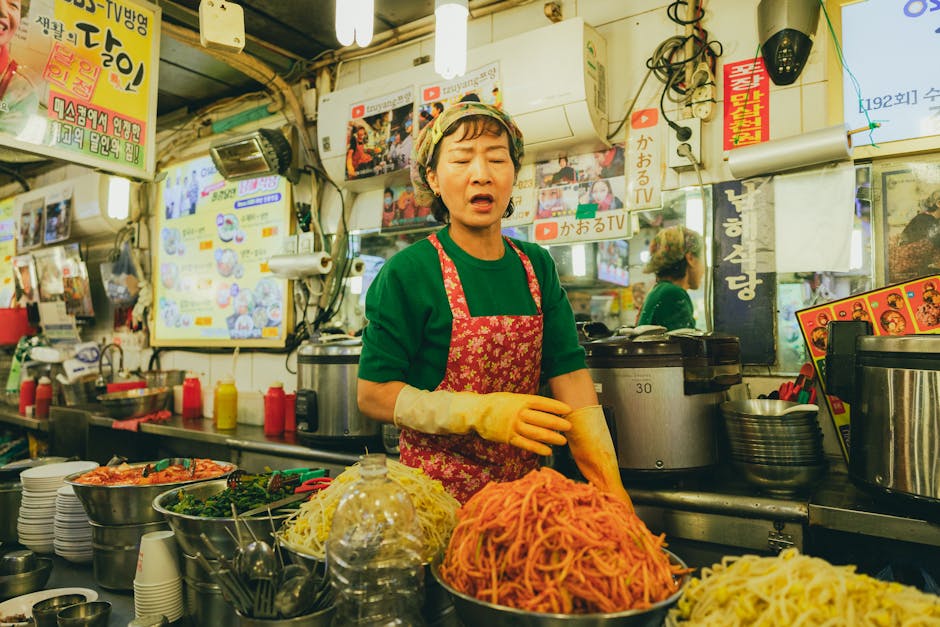
This hearty dish is often served at communal tables during festivals. It pairs well with charcuterie and red wine from the region. Visit a ferme-auberge
Tarte Tatin
Tarte Tatin is an upside-down caramelized apple tart, said to have been created by accident in the 1880s in the Loire Valley. Apples are cooked in butter and sugar until golden, then covered with pastry and baked.
When flipped, the tart reveals a glossy caramel topping. It’s best served warm with crème fraîche or vanilla ice cream. Try it at a countryside chambre d’hôte or a classic patisserie in Tours.
Crêpes and Galettes
Crêpes are thin pancakes popular throughout France, but especially in Brittany. Sweet crêpes are made with wheat flour and filled with sugar, jam, or chocolate. Savory versions, called galettes, use buckwheat and include ham, cheese, and eggs.
Look for street vendors or crêperies in towns like Rennes or Saint-Malo. A well-made galette should be crispy on the edges and slightly chewy inside. Pair with a glass of dry cider for authenticity.
Seafood and Shellfish Delicacies
France’s long coastline offers exceptional seafood, from oysters to scallops. Coastal regions pride themselves on fresh, simply prepared dishes that highlight natural flavors.
Huîtres (Oysters)
France is one of the world’s top oyster producers, with renowned beds in Brittany, Normandy, and Arcachon. Oysters are typically served raw on the half-shell with lemon or mignonette sauce.
Season matters: oysters are best from September to April. Visit a parc à huîtres (oyster farm) for a tasting experience. In Cancale, you can even shuck your own.
Moules Marinières
Moules marinières are mussels steamed in white wine, garlic, shallots, and parsley. This simple preparation lets the briny sweetness of the mussels shine. It’s a favorite in coastal towns and Parisian bistros alike.
Always check that mussels are fresh—shells should be closed or close when tapped. Serve with fries and a cold beer for a classic combo. The dish is especially popular in Normandy and Brittany.
Homard à l’Armoricaine
Homard à l’Armoricaine is a rich lobster dish from Brittany, cooked in a tomato-based sauce with cognac, garlic, and herbs. The lobster is split and simmered until tender, then served with rice or crusty bread.
This dish is more complex than simple boiled lobster and reflects the region’s love of bold flavors. Look for it in seafood restaurants along the Atlantic coast, particularly in Saint-Malo or Concarneau.
Pastries and Desserts You Can’t Miss
French pastries are world-famous, but not all are equally worth your time. These desserts represent the pinnacle of French baking, combining technique, balance, and artistry.
Crème Brûlée
Crème brûlée is a custard dessert with a caramelized sugar top. The contrast between the creamy base and the crisp crust is its defining feature. It’s often flavored with vanilla, but variations include citrus or coffee.
Use a kitchen torch to achieve the perfect crack. Avoid versions with a soggy top—this indicates improper torching. High-end bistros and patisseries in Paris serve excellent versions.
Éclairs and Profiteroles
Éclairs are oblong pastries filled with cream and topped with chocolate glaze. Profiteroles are smaller, round versions, often served with warm chocolate sauce. Both are made from choux pastry, which puffs up when baked.
Quality depends on freshness and filling. Look for patisseries that make them daily. In Lyon, try them at a traditional bouchon for a regional twist.
Macarons
French macarons are delicate sandwich cookies made with almond flour, egg whites, and filling. They come in countless flavors, from classic raspberry to innovative matcha or lavender.
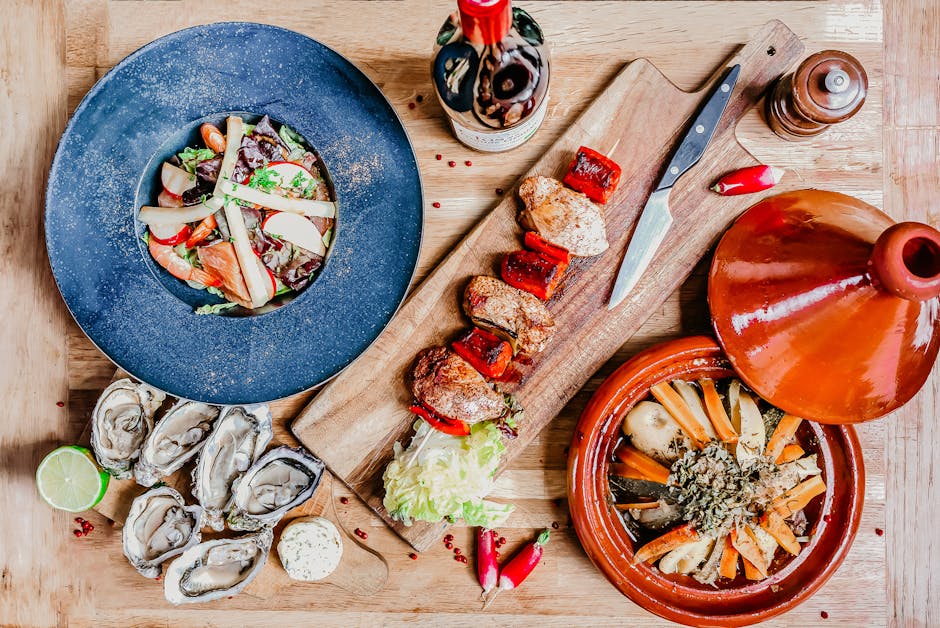
Not all macarons are equal. The best have a smooth top, slightly chewy texture, and balanced filling. Visit Ladurée or Pierre Hermé in Paris for iconic versions. Avoid overly sweet or dry ones.
Paris-Brest
Paris-Brest is a ring-shaped choux pastry filled with praline cream, created to honor a cycling race between Paris and Brest. Its nutty, caramelized flavor makes it a standout among French desserts.
It’s less common than other pastries, so seek out specialty patisseries. When fresh, the cream should be light and the pastry crisp. A true delight for dessert lovers.
Street Food and Casual Eats
Not all great French food comes from fine dining. Street food and casual dishes offer quick, delicious bites that reflect everyday French life.
Croque Monsieur and Croque Madame
The croque monsieur is a grilled ham and cheese sandwich, often topped with béchamel. The croque madame adds a fried egg on top. It’s a café staple, perfect for a midday snack.
Look for versions made with quality bread and Gruyère. Avoid overly greasy or soggy sandwiches. In Paris, many bistros serve excellent versions with a side of salad.
Pan Bagnat
Pan bagnat is a Provençal sandwich made with a round bread loaf filled with tuna, hard-boiled eggs, olives, tomatoes, and anchovies. It’s marinated in olive oil, giving it a moist, flavorful bite.
This sandwich is a picnic favorite along the Riviera. Buy it from a local market in Nice or Antibes. Eat it within a few hours for the best texture.
Escargots de Bourgogne
Escargots are snails cooked in garlic butter and parsley, traditionally served in their shells. While intimidating to some, they’re a beloved delicacy, especially in Burgundy.
Use a special fork and tongs to extract the meat. The flavor is rich and herbaceous, not slimy. Try them at a traditional restaurant with a glass of Chablis.
Tips for Ordering and Enjoying French Food
Eating in France is as much about experience as it is about taste. A few tips can enhance your meals and help you navigate menus with confidence.
Read the Menu Carefully
French menus often list dishes in regional terms. Learn a few key phrases: plat du jour (dish of the day), entrée (starter), and fromage (cheese course). This helps you order appropriately.
Avoid tourist menus with pictures and English-only text—they often indicate lower quality. Opt for places with daily chalkboard menus, which suggest fresh, seasonal ingredients.
Respect Meal Times
French dining follows a rhythm: lunch from 12–2 PM, dinner from 7:30–9:30 PM. Many restaurants close between meals. Plan accordingly to avoid disappointment.
Breakfast is typically light—coffee and a croissant. Don’t expect large morning meals unless you’re at a hotel.
Share and Sample
Many dishes are rich and meant to be shared. Order a variety of small plates or starters to taste more. This is common in bistros and encourages a communal dining experience.
Don’t be afraid to ask for recommendations. Servers often know the best daily specials or regional specialties.
Pair with Local Wines
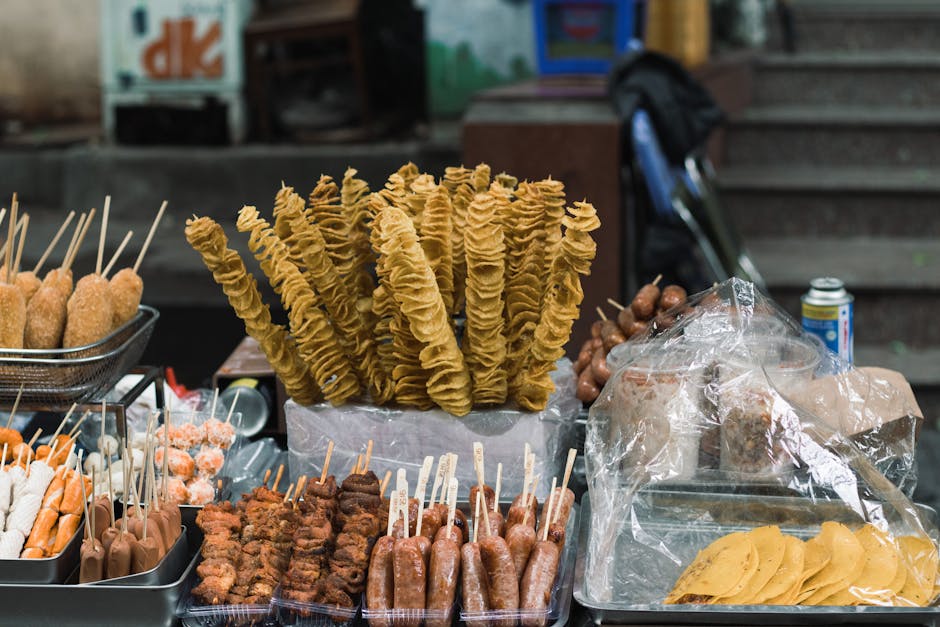
Wine is integral to French meals. Match reds with meat dishes, whites with fish, and rosé in summer. Ask for a carafe d’eau (carafed water) to stay hydrated.
In wine regions, try local bottles. A Bordeaux with your steak or a Loire Valley Sancerre with seafood enhances the flavors.
Where to Find the Best French Dishes
The authenticity of a dish often depends on where you eat. These venues offer the most genuine experiences.
Local Bistros and Brasseries
Bistros are small, casual restaurants serving home-style cooking. Brasseries are larger, open longer hours, and often have a bar. Both are great for classic dishes at reasonable prices.
Look for places filled with locals. A busy lunch crowd is a good sign. In Paris, neighborhoods like Montmartre or the Marais have excellent options.
Farmers’ Markets and Food Halls
Markets offer fresh ingredients and prepared foods. Try a cheese stall, a charcuterie vendor, or a crêpe stand. In cities, food halls like La Grande Épicerie in Paris provide curated selections.
Visit in the morning for the best produce. Many markets close by early afternoon.
Regional Inns and Farm Stays
Auberges and fermes-auberges serve meals made with local ingredients. These are ideal for tasting regional specialties in a rustic setting.
Book in advance, especially in popular areas like Provence or the Dordogne. Meals are often multi-course and include wine.
Common Mistakes to Avoid
Even seasoned travelers can make errors that affect their dining experience. Avoid these pitfalls.
Overordering
French portions may seem small, but courses add up. Start with an entrée and main, then decide on dessert. Many restaurants offer menu du jour with multiple courses at a fixed price.
Sharing dishes can help you taste more without overeating.
Ignoring Seasonality
Some dishes are seasonal. Asparagus in spring, truffles in winter, strawberries in summer. Ordering out of season may mean frozen or imported ingredients.
Ask what’s fresh. Chefs often highlight seasonal specials.
Skipping the Cheese Course
Cheese is a cornerstone of French meals. A well-curated selection can include 10–20 types. It’s traditionally served after the main course and before dessert.
If you’re unsure, ask for a plateau de fromages (cheese platter). Pair with bread and a glass of wine.
FAQ
What is the most iconic French dish for first-time visitors?
Coq au Vin and Boeuf Bourguignon are excellent starting points. Both are deeply flavorful, widely available, and represent classic French cooking techniques.
Are French dishes expensive to try while traveling?
Prices vary. Street food and café meals can be affordable, while fine dining costs more. Look for menu fixes (set menus) at lunch for better value.
Can I find vegetarian options in France?
Yes, though traditionally meat-heavy, many restaurants now offer vegetarian dishes like ratatouille, quiche, or vegetable tarts. Specify dietary needs when ordering.