
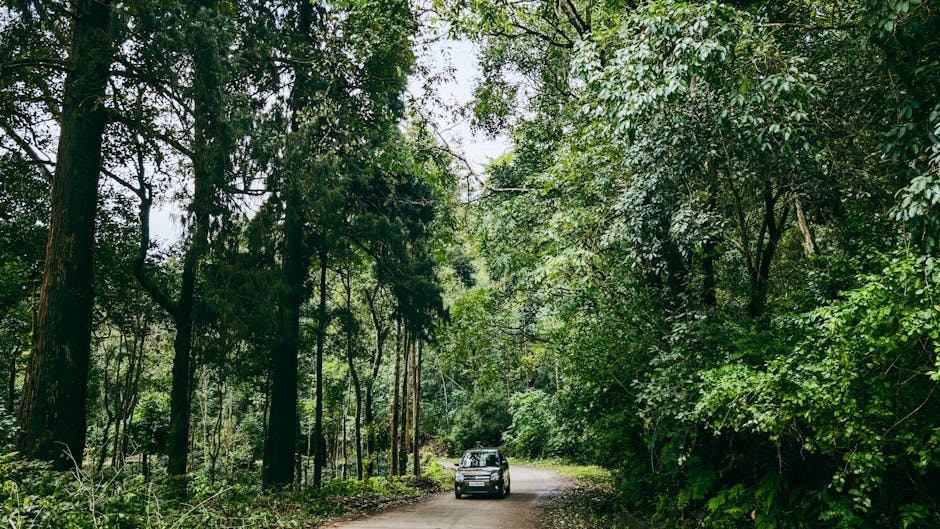
Top Family Travel Places for Scenic Family Road Trips
Planning a family road trip doesn’t have to mean choosing between comfort and adventure. The best scenic family road trips combine breathtaking landscapes with kid-friendly stops, safe routes, and memorable experiences. Whether you’re driving through mountain passes, along coastal highways, or across rolling plains, these top family travel places offer the perfect blend of natural beauty and practical travel logistics. From national parks to historic byways, these destinations ensure your journey is as rewarding as your destination.
Why Scenic Road Trips Are Perfect for Families
Scenic family road trips offer more than just pretty views—they create shared experiences that strengthen family bonds. Unlike flying, driving allows for spontaneous detours, flexible schedules, and hands-on learning opportunities. Children can observe changing ecosystems, spot wildlife, and engage with local culture along the way.
These trips also promote unplugged time. With fewer screens and more conversation, families often return home feeling reconnected. Plus, road trips are cost-effective compared to air travel, especially when visiting multiple destinations in one region.
Key Benefits of Road Trips Over Other Travel Styles
Road trips give families control over pace and itinerary. You can stop when kids need a break, adjust plans based on weather, or linger at a favorite spot. This flexibility reduces stress and increases enjoyment for all ages.
Unlike resort vacations, scenic drives immerse travelers in diverse environments—forests, deserts, coastlines—without requiring expensive tours. Many scenic routes include well-maintained rest areas, picnic spots, and interpretive signs that enhance the experience.
Top 7 Scenic Family Road Trip Destinations in the U.S.
1. Pacific Coast Highway (California)
The Pacific Coast Highway (PCH), also known as Highway 1, stretches over 650 miles from Dana Point to Leggett. This iconic route offers dramatic ocean cliffs, redwood groves, and charming coastal towns like Monterey and Santa Barbara.
Families will enjoy stops at the Monterey Bay Aquarium, Hearst Castle, and the elephant seal rookery at Piedras Blancas. The drive is best taken over several days, with overnight stays in Cambria or San Luis Obispo to avoid fatigue.
Tip: Avoid summer weekends if possible—traffic can be heavy. Check for road closures due to landslides, especially after winter storms.
2. Blue Ridge Parkway (Virginia and North Carolina)
Spanning 469 miles through the Appalachian Mountains, the Blue Ridge Parkway is one of the most scenic drives in the U.S. With an average speed limit of 45 mph, it’s designed for leisurely travel and sightseeing.
The route connects Shenandoah National Park to Great Smoky Mountains National Park, passing through lush forests, rolling meadows, and high-elevation overlooks. Families can hike short trails, attend ranger-led programs, or enjoy apple picking in the fall.
Pack layers—temperatures drop significantly at higher elevations. Gas stations and services are sparse, so fill up and stock snacks in advance.
3. Route 66 (Illinois to California)
Known as the “Mother Road,” Route 66 stretches over 2,400 miles and passes through eight states. While much of the original route is now replaced by interstates, many preserved sections offer nostalgic charm and Americana.
Families can explore vintage diners, roadside attractions like the Cadillac Ranch in Texas, and the Grand Canyon via side trips. The journey works best split into regional segments—start in Chicago and drive west over two weeks.
Note: Some stretches are unpaved or poorly marked. Use a detailed map or GPS app designed for historic routes.
4. Going-to-the-Sun Road (Glacier National Park, Montana)
This 50-mile road cuts through Glacier National Park, offering jaw-dropping views of glaciers, alpine lakes, and rugged peaks. The road is only open from late June to mid-October due to snow.

Wildlife sightings are common—grizzly bears, mountain goats, and bighorn sheep often appear near the road. The Logan Pass Visitor Center provides educational exhibits and short, accessible trails.
Reservations are required for vehicle entry during peak season. Book lodging or campsites well in advance.
5. Overseas Highway (Florida Keys)
Connecting mainland Florida to Key West, this 113-mile chain of bridges and causeways crosses turquoise waters and coral reefs. The Seven Mile Bridge is a highlight, with ocean views in every direction.
Families can snorkel at John Pennekamp Coral Reef State Park, visit the Ernest Hemingway Home, or enjoy fresh seafood in Key Largo. The drive is flat and easy, ideal for first-time road trippers.
Watch for strong crosswinds on bridges. Avoid hurricane season (June–November) for safer travel.
6. Scenic Byway 12 (Utah)
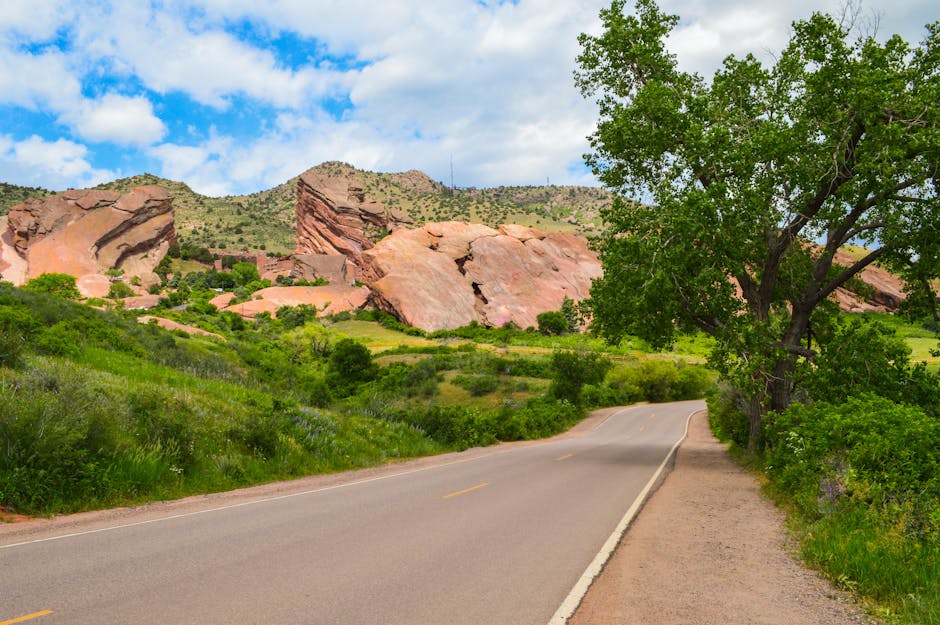
This 124-mile route winds through southern Utah’s red rock country, linking Bryce Canyon and Capitol Reef National Parks. The landscape shifts from pine forests to desert canyons, with overlooks at every turn.
Stop at the Anasazi State Park Museum to learn about ancient Puebloans, or hike the easy trails at Red Canyon. The town of Torrey offers family-friendly lodging and dining.
Fuel up in Escalante or Boulder—services are limited along the route. Carry extra water, especially in summer.
7. Great River Road (Minnesota to Louisiana)
Following the Mississippi River through 10 states, this scenic byway offers a cultural and geographic journey through America’s heartland. Families can explore river towns, wetlands, and historic plantations.
Highlights include the Gateway Arch in St. Louis, the Delta Music Museum in Mississippi, and birdwatching in Minnesota’s backwaters. The route is well-signed and suitable for all vehicle types.
Plan for variable weather—flooding can close roads in spring. Check state tourism sites for real-time updates.
How to Plan a Safe and Enjoyable Family Road Trip
Step 1: Choose the Right Vehicle
Your car should be reliable, fuel-efficient, and spacious enough for passengers and gear. SUVs and minivans are ideal for families, offering extra storage and comfort for long drives.
Before departure, schedule a maintenance check: oil change, tire pressure, brakes, and air conditioning. A breakdown in a remote area can turn a dream trip into a nightmare.
Step 2: Map Your Route with Flexibility
Use GPS apps like Google Maps or Roadtrippers to plan your route, but include buffer time for unexpected delays. Identify rest stops, gas stations, and emergency services every 50–100 miles.
Include at least one major attraction or activity per day to keep kids engaged. Balance driving time with exploration—aim for no more than 4–6 hours of driving daily with children.
Step 3: Pack Smart for Comfort and Safety
Bring essentials: first-aid kit, flashlight, jumper cables, spare tire, and portable phone charger. Pack snacks, water, and entertainment like audiobooks, travel games, and coloring books.
Don’t forget comfort items: pillows, blankets, sunglasses, and sunscreen. For younger kids, consider a car seat mirror or tablet holder to reduce distractions.
Step 4: Prepare for Emergencies
Share your itinerary with a trusted friend or family member. Carry a physical map in case of GPS failure. Know the locations of hospitals and ranger stations along your route.
If traveling in remote areas, consider a satellite communicator for emergencies. Cell service is unreliable in many scenic regions.
Tips for Keeping Kids Engaged on Long Drives
Create a Travel Bingo Game
Make a bingo card with items like “red barn,” “cow in a field,” or “license plate from another state.” Kids stay alert and entertained while scanning the landscape.
Offer small rewards for completed cards—extra screen time, a favorite snack, or choosing the next music playlist.
Use Audiobooks and Podcasts
Choose family-friendly audiobooks like The Magic Tree House series or Wow in the World podcasts. These keep minds active without staring at screens.
Rotate listening duties so everyone gets a turn picking the story. Discuss the plot during breaks to reinforce comprehension.
Schedule Regular Breaks
Stop every two hours or 100 miles to stretch, use restrooms, and refuel. Look for parks, playgrounds, or scenic pull-offs where kids can run around.
Use breaks to explore briefly—a short hike, a picnic, or a photo op. These mini-adventures break up the monotony and create lasting memories.
Budgeting for a Scenic Family Road Trip
Estimate Fuel and Tolls
Calculate fuel costs using your vehicle’s mileage and current gas prices. Add 10–15% for detours and traffic. Use apps like GasBuddy to find the cheapest stations along your route.
Tolls can add up on certain highways. Consider purchasing a transponder if traveling frequently on toll roads.
Save on Accommodations
Mix camping, vacation rentals, and budget hotels to reduce costs. National park campgrounds are affordable and immersive, while platforms like Airbnb offer kitchens to save on meals.
Book in advance for popular areas, especially near national parks. Last-minute deals are rare during peak season.
Cut Food Expenses
Pack a cooler with sandwiches, fruits, and snacks to avoid overpriced roadside diners. Cook simple meals at campsites or rental kitchens.
When dining out, look for local cafes with kids’ menus. Avoid tourist traps near major attractions—prices are often inflated.
Environmental Considerations for Family Travel
Leave No Trace
Teach children to pack out all trash, stay on marked trails, and respect wildlife. Use reusable water bottles and containers to reduce waste.
Support parks by paying entrance fees and following regulations. These funds maintain trails, visitor centers, and conservation efforts.
Choose Eco-Friendly Stops
Visit farms, nature centers, or state parks that prioritize sustainability. Many offer educational programs about local ecosystems and conservation.
Avoid single-use plastics by bringing your own utensils, bags, and straws. Small choices add up over long trips.
Final Thoughts: Making the Most of Your Journey
The best scenic family road trips aren’t just about reaching a destination—they’re about the moments in between. A shared laugh at a quirky roadside statue, a sunset viewed from a mountain overlook, or a spontaneous swim in a hidden lake can become family legends.
By choosing well-planned routes, preparing thoroughly, and staying flexible, you’ll create a trip that’s both relaxing and enriching. These top family travel places offer not only stunning views but also opportunities for connection, learning, and adventure.
Start planning your next scenic family road trip today. With the right mindset and a full tank of gas, the open road awaits.
FAQ
What’s the best time of year for a scenic family road trip?
Spring and fall are ideal for most routes, offering mild weather and fewer crowds. Summer is popular but can bring heat and traffic. Winter is best for southern or desert routes, though mountain passes may be closed.
How can I keep my kids safe during long drives?
Use properly installed car seats, take frequent breaks, and avoid driving during peak sleep times. Keep emergency supplies in the car and never leave children unattended, even for a moment.
Are scenic roads safe for large vehicles or RVs?
Many scenic routes are suitable for RVs, but some—like Going-to-the-Sun Road or narrow mountain passes—have tight curves and low clearances. Check park websites for vehicle restrictions before traveling.