
Best Nature Travel Ideas for Your Next Adventure Trip
Looking for the best nature travel ideas to fuel your next adventure trip? Whether you’re drawn to misty mountain trails, remote wildlife reserves, or coastal escapes, nature offers endless opportunities for exploration and renewal. From Patagonia’s rugged peaks to the quiet mangroves of Southeast Asia, the world is full of breathtaking destinations that reward curiosity and respect for the outdoors. This guide highlights top nature-based adventures, practical planning tips, and lesser-known gems to help you choose the perfect trip—no matter your experience level or budget.
Why Nature Travel Is More Than Just a Getaway
Nature travel isn’t just about scenic views—it’s about immersion. Unlike city breaks or resort stays, nature-focused trips encourage mindfulness, physical activity, and a deeper connection to the environment. Studies show that spending time in natural settings can reduce stress, improve mood, and boost mental clarity.
These experiences also foster environmental awareness. Travelers often return home with a renewed commitment to sustainability and conservation. Whether you’re hiking through a rainforest or kayaking along a quiet fjord, nature travel offers both personal rejuvenation and a chance to support responsible tourism.
Top Nature Travel Destinations for Every Kind of Adventurer
The best nature travel ideas depend on your interests, fitness level, and travel style. Some travelers seek solitude and silence; others want wildlife encounters or adrenaline-pumping activities. Below are standout destinations that cater to different preferences.
For Mountain Lovers: Torres del Paine, Chile
Patagonia’s Torres del Paine National Park is a magnet for hikers and photographers. The park’s granite towers, turquoise lakes, and sprawling glaciers create a dramatic backdrop for multi-day treks like the famous W Trek.
Best visited between October and April, the park offers well-marked trails, refugios (mountain huts), and guided tours. Be prepared for unpredictable weather—layers and waterproof gear are essential. Permits are required for overnight hikes, so book early.
For Wildlife Enthusiasts: Maasai Mara, Kenya
The Maasai Mara National Reserve is one of Africa’s most iconic safari destinations. It’s home to the Great Migration, where over a million wildebeest and zebra cross the Mara River between July and October.
Game drives at dawn and dusk offer the best chances to see lions, elephants, and cheetahs. Opt for eco-friendly lodges that support local communities and conservation efforts. Avoid peak season if you prefer fewer crowds and lower prices.
For Coastal Explorers: Milford Sound, New Zealand
Located in Fiordland National Park, Milford Sound is a fjord carved by glaciers, surrounded by waterfalls and lush rainforest. Kayaking here allows you to glide beneath towering cliffs and spot seals and dolphins.
Day cruises are available, but overnight kayak trips offer a more intimate experience. The area receives heavy rainfall, so waterproof clothing is a must. Visit between November and March for milder weather and longer daylight hours.
For Forest Immersion: Daintree Rainforest, Australia
As the world’s oldest tropical rainforest, Daintree in Queensland offers a rare glimpse into prehistoric ecosystems. Boardwalks and guided walks let you explore without disturbing the environment.
Look for cassowaries, tree kangaroos, and rare birds. Combine your visit with a trip to the Great Barrier Reef for a dual nature experience. Stay in eco-lodges that minimize environmental impact and support Indigenous tourism initiatives.
For Desert Solitude: Wadi Rum, Jordan
Known as the “Valley of the Moon,” Wadi Rum’s red sandstone formations and vast dunes have attracted filmmakers and adventurers alike. Camel treks and 4×4 tours offer access to remote areas.
Spend a night in a Bedouin camp under the stars for a truly immersive experience. Respect local customs—dress modestly and avoid photographing people without permission. The best time to visit is spring or autumn to avoid extreme heat.
How to Choose the Right Nature Adventure for You
With so many options, selecting the right trip can feel overwhelming. Start by asking yourself a few key questions: What kind of environment energizes you? How much physical activity are you comfortable with? Do you prefer solitude or group experiences?
Consider your travel companions. A family with young children may enjoy a guided nature walk in Costa Rica, while solo travelers might prefer a self-guided trek in Norway. Also factor in travel time, budget, and seasonal conditions.
Assess Your Fitness Level
Not all nature travel requires peak physical condition, but it’s important to be honest about your abilities. Multi-day hikes, high-altitude climbs, and river rafting demand stamina and preparation.
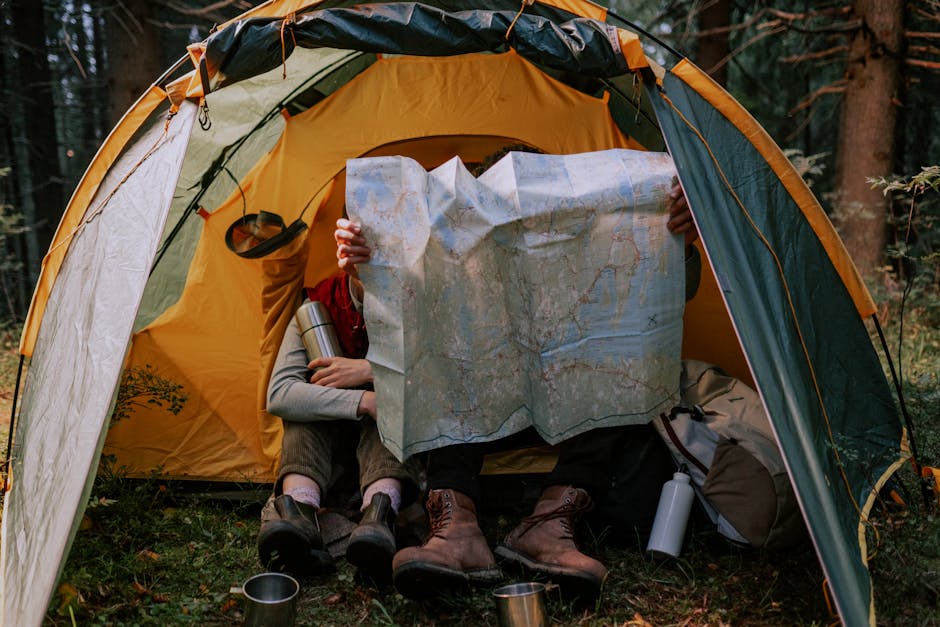
If you’re new to adventure travel, start with shorter, well-supported trips. Many national parks offer ranger-led programs that are accessible and educational. Always check trail difficulty ratings and consult with tour operators about physical requirements.
Match Your Interests to the Landscape
Do you love birdwatching? Head to the cloud forests of Ecuador. Prefer marine life? Snorkel in the Raja Ampat Islands of Indonesia. Each destination offers unique ecosystems and activities.
Research what wildlife and natural features are in season. For example, monarch butterflies migrate to Mexico each winter, while Alaska’s grizzly bears are most active in summer. Timing your visit can greatly enhance your experience.
Practical Tips for Planning Your Nature Adventure
Good planning ensures a safe and enjoyable trip. Nature travel often involves remote locations, limited infrastructure, and changing conditions. Preparation is key.
Research Local Conditions and Regulations
Weather, permits, and local customs vary widely. Some parks require advance reservations, while others restrict access during breeding seasons. Check official park websites and government travel advisories.
For example, Nepal’s Annapurna Circuit requires a TIMS card and park permit. In contrast, U.S. national parks often allow same-day entry but may have timed entry systems in peak season.
Pack Smart for the Outdoors
Essential gear includes sturdy footwear, weather-appropriate clothing, a reliable backpack, and navigation tools. Don’t forget sun protection, insect repellent, and a first-aid kit.
For longer trips, consider a water filter, headlamp, and emergency shelter. Pack light but thoroughly—every item should serve a purpose. Test your gear before departure to avoid surprises.
Choose Responsible Tour Operators
Support companies that follow sustainable practices, hire local guides, and contribute to conservation. Look for certifications like GSTC (Global Sustainable Tourism Council) or membership in organizations like the International Ecotourism Society.
Avoid operators that exploit wildlife or damage natural sites. Responsible tourism protects the very places we travel to enjoy.
Sustainable Nature Travel: Leave No Trace
Nature travel should preserve, not harm, the environment. The Leave No Trace principles offer a simple framework for minimizing your impact.
These include packing out all trash, staying on marked trails, respecting wildlife, and avoiding single-use plastics. Even small actions—like using biodegradable soap or choosing reusable containers—make a difference.
When camping, use established sites and avoid trampling vegetation. In sensitive areas like coral reefs or alpine meadows, extra care is needed to prevent long-term damage.
Support Local Communities
Traveling sustainably also means supporting local economies. Eat at family-run restaurants, buy handmade crafts, and hire local guides. This ensures that tourism benefits residents and encourages conservation.
In places like Bhutan or Madagascar, community-based tourism projects allow visitors to learn about local culture while contributing directly to village development.
Hidden Gems: Underrated Nature Destinations
While popular spots like Yellowstone or the Amazon draw crowds, quieter alternatives offer equally stunning experiences with fewer tourists.
Lofoten Islands, Norway
This archipelago in the Arctic Circle features jagged peaks, fishing villages, and the northern lights in winter. Hiking, fishing, and photography are top activities.
Visit in summer for midnight sun or winter for aurora viewing. Rent a cabin or stay in a rorbu (traditional fisherman’s cottage) for an authentic experience.
Namib Desert, Namibia
Home to the world’s oldest desert and some of the tallest sand dunes, the Namib offers surreal landscapes and incredible stargazing. Sossusvlei’s red dunes are a photographer’s dream.
Guided walks and hot air balloon rides provide unique perspectives. Stay in eco-friendly desert lodges that use solar power and conserve water.
Palawan, Philippines
Often called the “Last Frontier” of the Philippines, Palawan boasts turquoise lagoons, limestone cliffs, and rich marine biodiversity. El Nido and Tubbataha Reefs are highlights.
Island-hopping tours allow you to explore hidden beaches and coral gardens. Choose operators that follow marine protection guidelines and avoid touching or stepping on coral.
Seasonal Considerations for Nature Travel
Timing affects everything—from weather and wildlife activity to crowd levels and prices. Understanding seasonal patterns helps you choose the best time to visit.
Spring: Renewal and Migration
Spring brings blooming wildflowers, migrating birds, and mild temperatures. It’s ideal for hiking in places like the Swiss Alps or the Canadian Rockies.
Wildlife is active as animals emerge from winter hibernation. However, some trails may still be muddy or snow-covered at higher elevations.
Summer: Peak Season and Long Days
Summer offers the longest days and most accessible trails. It’s perfect for Arctic adventures in Greenland or trekking in the Himalayas.
But popular destinations can be crowded and expensive. Book accommodations and permits well in advance. Be aware of heat in desert regions and monsoon rains in tropical areas.
Autumn: Color and Calm
Fall brings stunning foliage in temperate zones and fewer tourists. It’s a great time for hiking in New England, Japan’s national parks, or the Scottish Highlands.
Wildlife is active during mating and migration seasons. Weather is generally stable, but early snow can occur in mountainous regions.
Winter: Snowscapes and Solitude
Winter transforms landscapes into snowy wonderlands. Skiing, snowshoeing, and northern lights viewing are top draws in places like Iceland or Lapland.
Some parks close or limit access, so check conditions. Cold weather requires specialized gear, but the reward is uncrowded trails and dramatic scenery.
Safety Tips for Outdoor Adventures
Nature travel is inherently unpredictable. Preparation and caution can prevent accidents and ensure a smooth trip.
Know Your Limits

Pushing beyond your comfort zone can lead to injury or getting lost. Choose activities that match your skill level and physical condition.
If you’re unsure, hire a guide. Local experts know the terrain, weather patterns, and emergency procedures.
Stay Connected and Informed
Cell service is often unavailable in remote areas. Carry a satellite communicator or personal locator beacon (PLB) for emergencies.
Share your itinerary with someone at home and check in regularly. Monitor weather forecasts and trail conditions before heading out.
Be Prepared for Wildlife Encounters
Respect wildlife by keeping a safe distance. Never feed animals or approach nests or dens. In bear country, carry bear spray and store food properly.
Learn basic wildlife safety for your destination. For example, in Australia, be aware of snakes and jellyfish; in Africa, follow safari vehicle rules.
How to Make the Most of Your Nature Trip
Beyond logistics, the quality of your experience depends on mindset and engagement. Nature travel is as much about presence as it is about movement.
Slow Down and Observe
Instead of rushing from one spot to another, take time to sit quietly and observe. Listen to bird calls, watch cloud formations, or feel the texture of tree bark.
This mindful approach deepens your connection to the environment and enhances appreciation.
Document Responsibly
Photography and journaling can enrich your trip, but avoid disturbing wildlife or damaging plants for the perfect shot. Use zoom lenses instead of approaching animals.
Share your experiences to inspire others—but avoid geotagging sensitive locations to prevent overcrowding or environmental damage.
Reflect and Reconnect
After your trip, take time to reflect on what you learned and how you felt. Nature travel often sparks personal insights and renewed energy.
Consider how you can bring that sense of wonder and stewardship into your daily life—whether through conservation efforts, outdoor hobbies, or sustainable choices.
Frequently Asked Questions
What’s the best way to start planning a nature adventure trip?
Begin by identifying your interests—hiking, wildlife, photography, or relaxation. Research destinations that match your preferences and check seasonal conditions. Use official park websites and trusted travel guides for accurate information.
Do I need special gear for nature travel?
It depends on the activity and location. Basic essentials include sturdy shoes, weather-appropriate clothing, and a daypack. For camping or remote trips, add a tent, sleeping bag, and navigation tools. Rent or borrow gear if you’re new to the activity.
How can I travel sustainably in nature?
Follow Leave No Trace principles, support eco-certified operators, and choose accommodations that prioritize sustainability. Avoid single-use plastics, respect local cultures, and minimize your carbon footprint by traveling responsibly.