Best Wildlife Travel Destinations for Exotic Animals
If you’re passionate about seeing rare and exotic animals in their natural habitats, choosing the right destination is essential. The best wildlife travel destinations for exotic animals offer safe, ethical, and immersive experiences that prioritize conservation and animal welfare. From the dense rainforests of Borneo to the vast savannas of Kenya, these locations provide unforgettable encounters with species you won’t find anywhere else. Whether you’re tracking mountain gorillas, observing snow leopards, or snorkeling with sea turtles, these destinations deliver authentic wildlife experiences while supporting local ecosystems and communities.
Why Choose Ethical Wildlife Travel
Not all wildlife tours are created equal. Ethical travel ensures that animals are observed without disturbance, habitats remain protected, and local communities benefit from tourism revenue. Responsible operators follow strict guidelines to minimize human impact and often contribute directly to conservation projects.
Choosing ethical destinations helps prevent exploitation and supports long-term species survival. Look for certifications like those from the Global Sustainable Tourism Council or partnerships with recognized conservation organizations. These markers indicate a commitment to sustainable practices and animal welfare.
Top Wildlife Travel Destinations for Exotic Animals
1. Borneo, Malaysia – Home of the Orangutan
Borneo is one of the few places on Earth where you can see critically endangered orangutans in the wild. The island’s lush rainforests, particularly in Sabah and Sarawak, host rehabilitation centers and protected reserves like Sepilok and Kinabatangan.
Visitors can observe orangutans during feeding sessions or guided jungle treks. The experience is both educational and moving, offering insight into the challenges these primates face due to deforestation and habitat loss.
Beyond orangutans, Borneo is rich in biodiversity. You may spot proboscis monkeys, pygmy elephants, and clouded leopards. River cruises along the Kinabatangan provide excellent opportunities for wildlife photography and birdwatching.
2. Madagascar – A Living Laboratory of Evolution
Madagascar is a biodiversity hotspot, with over 90% of its wildlife found nowhere else on the planet. This island nation is home to lemurs, fossas, chameleons, and unique plant species that have evolved in isolation for millions of years.
Andasibe-Mantadia National Park is a top destination for spotting indri lemurs, the largest living lemur species. Their haunting calls echo through the forest at dawn, creating a truly magical atmosphere.
For a different experience, visit the spiny forests of the south, where you’ll find radiated tortoises and the elusive aye-aye. Guided night walks reveal nocturnal species rarely seen during the day.
3. Galápagos Islands, Ecuador – Darwin’s Living Laboratory
The Galápagos Islands remain one of the most pristine wildlife destinations in the world. Made famous by Charles Darwin’s studies, the archipelago is home to giant tortoises, marine iguanas, blue-footed boobies, and Galápagos penguins—the only penguin species north of the equator.
Travel here is tightly regulated to protect fragile ecosystems. Visitors must be accompanied by certified naturalist guides and follow strict no-touch, no-feed rules. Most tours involve small boats that visit multiple islands, each with its own unique species and landscapes.
Snorkeling alongside sea lions, sea turtles, and reef sharks is a highlight. The clear waters and abundant marine life make it a top destination for underwater wildlife enthusiasts.
4. Namibia – Desert-Adapted Wildlife
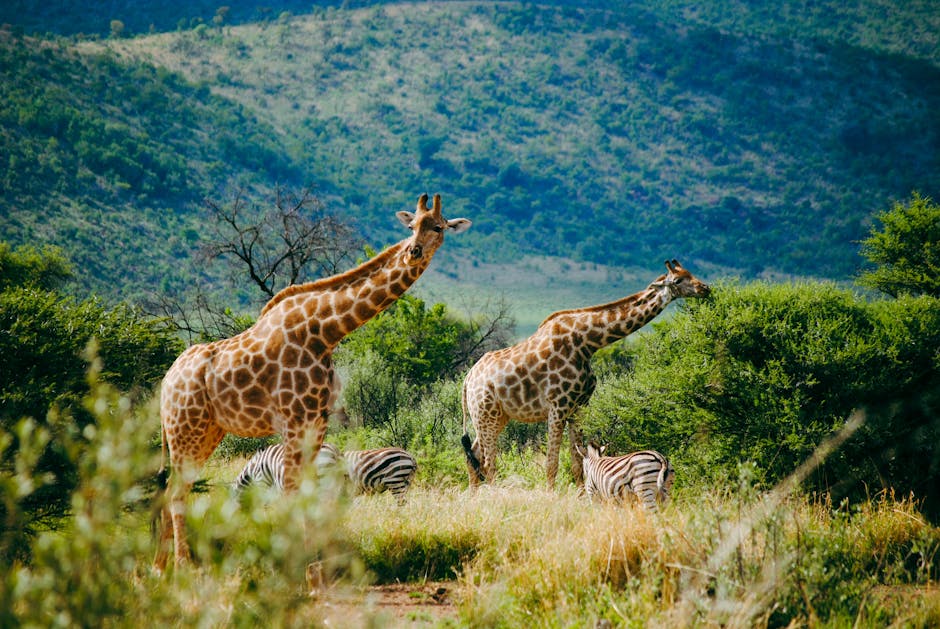
Namibia offers a unique twist on African safaris, with wildlife adapted to arid environments. Etosha National Park is a prime location to see elephants, lions, and endangered black rhinos gathering around waterholes.
What sets Namibia apart is its desert-adapted species. In the Namib Desert, you can track desert elephants and lions that survive in one of the world’s oldest deserts. The Skeleton Coast, with its shipwrecks and foggy shores, adds a dramatic backdrop to wildlife viewing.
Community-based conservancies play a key role in conservation here. Local tribes manage wildlife areas, offering authentic cultural exchanges alongside game drives. This model helps reduce human-wildlife conflict and supports rural livelihoods.
5. Bhutan – The Land of the Snow Leopard
Bhutan, nestled in the Eastern Himalayas, is one of the best places to see snow leopards in the wild. The remote valleys of Jigme Dorji National Park and Sakteng Wildlife Sanctuary offer high-altitude treks with a chance to spot these elusive cats.
Due to the difficulty of access and strict conservation policies, sightings are rare but deeply rewarding. Local guides use camera traps and tracking skills to locate leopards, often sharing stories of their cultural significance in Bhutanese folklore.
Beyond snow leopards, Bhutan is rich in avian life. The country is a birdwatcher’s paradise, with species like the white-bellied heron and Himalayan monal. Its commitment to carbon-negative tourism makes it a model for sustainable travel.
6. Costa Rica – A Biodiversity Powerhouse
Though not as remote as some destinations, Costa Rica punches above its weight in biodiversity. Covering just 0.03% of the Earth’s surface, it hosts nearly 6% of the world’s species. National parks like Corcovado, Tortuguero, and Manuel Antonio offer access to jaguars, sloths, toucans, and sea turtles.
Tortuguero is famous for sea turtle nesting. From July to October, green turtles come ashore to lay eggs under the cover of darkness. Guided night tours allow visitors to witness this natural miracle without disturbing the animals.
Costa Rica’s eco-lodges and well-maintained trails make it accessible for travelers of all fitness levels. The country’s strong environmental policies and reforestation efforts have helped reverse deforestation trends.
7. South Africa – Beyond the Big Five
South Africa is a classic safari destination, but it offers more than just lions, elephants, and rhinos. The country’s diverse landscapes support a wide range of exotic species, from meerkats and aardvarks to pangolins and African wild dogs.
Kruger National Park is the most famous, but private reserves like Sabi Sands offer more intimate experiences with expert trackers. These reserves often allow night drives, increasing chances of seeing nocturnal animals.
For marine wildlife, head to Hermanus for southern right whale watching or dive in Sodwana Bay to see whale sharks and manta rays. The iSimangaliso Wetland Park, a UNESCO site, combines savanna, wetlands, and coral reefs in one stunning location.
8. Papua New Guinea – The Land of Birds of Paradise
Papua New Guinea is a hidden gem for birdwatchers and cultural travelers. It’s home to over 30 species of birds of paradise, known for their elaborate plumage and mating dances. The remote highlands and rainforest villages offer a rare glimpse into traditional Melanesian life.
Guided tours often include stays with local tribes, where visitors can witness ceremonial dances and learn about conservation efforts led by indigenous communities. The Kokoda Track, while challenging, rewards hikers with stunning views and wildlife sightings.
Due to limited infrastructure, travel here requires planning and flexibility. However, the authenticity and untouched nature of the experience make it worthwhile for adventurous travelers.
9. Sri Lanka – Leopards and Elephants in Paradise
Sri Lanka may be small, but it’s rich in wildlife. Yala National Park has one of the highest densities of leopards in the world, making it one of the best places to see these big cats in Asia. Elephants, sloth bears, and crocodiles are also commonly spotted.
For a different experience, visit Udawalawe National Park, where elephant migration patterns create large herds. The park also supports a successful elephant transit home, rehabilitating orphaned calves.
Birdlife is abundant, with over 400 species recorded. The island’s wetlands and forests attract migratory birds from Siberia and Europe. Early morning jeep safaris offer the best lighting and animal activity.
10. Canada – Polar Bears and Grizzlies
Canada’s northern regions offer some of the most dramatic wildlife encounters on the planet. Churchill, Manitoba, is known as the “Polar Bear Capital of the World.” From October to November, visitors can observe polar bears waiting for sea ice to form.
Tundra buggies—specialized vehicles designed for Arctic terrain—allow safe viewing at close range. Local guides share insights into climate change and its impact on polar bear populations.
In British Columbia, the Great Bear Rainforest is home to spirit bears—rare white-coated black bears found only in this region. Kayaking and guided walks offer chances to see grizzlies, wolves, and orcas in their natural environment.
How to Plan Your Wildlife Adventure
Step 1: Define Your Wildlife Priorities
Start by identifying which animals or ecosystems interest you most. Are you drawn to big cats, marine life, or primates? Do you prefer forests, deserts, or coastlines? Your preferences will help narrow down destinations.
Consider the rarity of the species. Seeing a snow leopard is far more challenging than spotting a lion, so plan accordingly. Research the best times of year for sightings and breeding behaviors.
Step 2: Choose Ethical Tour Operators
Not all tour companies prioritize animal welfare. Look for operators that are transparent about their practices, support local communities, and follow conservation guidelines. Read reviews and ask about their partnerships with NGOs or research projects.
Avoid attractions that offer direct interaction with wild animals, such as riding elephants or holding baby tigers. These often involve cruel training methods and poor living conditions.
Step 3: Prepare for the Environment
Wildlife travel often involves rugged terrain, extreme weather, and remote locations. Pack appropriate clothing, insect repellent, and a good camera with a zoom lens. Bring binoculars for distant sightings.
Check visa requirements, vaccinations, and travel insurance. Some destinations require malaria prophylaxis or altitude sickness medication. Inform your doctor of your travel plans well in advance.
Step 4: Respect Local Customs and Wildlife
Always follow your guide’s instructions. Keep a safe distance from animals, never feed them, and avoid loud noises or sudden movements. Use silent modes on cameras and refrain from using flash photography.
Support local economies by purchasing handmade crafts and eating at locally owned restaurants. Respect cultural norms, especially in indigenous communities where photography may be restricted.
Common Mistakes to Avoid
One of the biggest mistakes travelers make is prioritizing photo opportunities over animal welfare. Getting too close or disturbing animals for a better shot can cause stress and alter natural behaviors.
Another pitfall is choosing destinations based solely on popularity. While places like the Serengeti are iconic, lesser-known locations may offer more intimate and authentic experiences with fewer crowds.
Lastly, avoid last-minute bookings. Many wildlife reserves have limited capacity and require advance reservations. Popular seasons, such as migration periods, fill up quickly.
Conservation Impact of Wildlife Tourism
When done responsibly, wildlife tourism can be a powerful tool for conservation. Entrance fees fund anti-poaching units, habitat restoration, and research initiatives. In places like Rwanda and Uganda, gorilla trekking permits directly support mountain gorilla protection.
Tourism also raises awareness and fosters global support for endangered species. Seeing animals in the wild often inspires travelers to become advocates for conservation long after their trip ends.
However, unregulated tourism can harm ecosystems. Overcrowding, pollution, and habitat degradation are real risks. That’s why supporting regulated, low-impact tours is crucial.
Final Thoughts
The best wildlife travel destinations for exotic animals offer more than just sightings—they provide meaningful connections to nature and a deeper understanding of our planet’s biodiversity. By choosing ethical operators and respecting local environments, you can enjoy unforgettable experiences while contributing to conservation.
Whether you’re trekking through Borneo’s rainforest or sailing the Galápagos, these journeys remind us of the beauty and fragility of the natural world. Plan thoughtfully, travel responsibly, and let your adventure inspire others to protect wildlife for generations to come.
FAQ
What is the best time of year to visit for wildlife viewing?
The ideal time varies by destination. In Africa, the dry season (June to October) offers better visibility as animals gather around water sources. In the Galápagos, December to May provides warmer waters and active marine life. Research your specific destination for optimal timing.
Are wildlife tours safe for families with children?
Yes, many wildlife destinations offer family-friendly tours with experienced guides. Choose operators that provide educational content and age-appropriate activities. Always follow safety guidelines, especially around large or wild animals.
How can I ensure my trip supports conservation?
Book with certified eco-tourism operators, stay in eco-lodges, and choose tours that contribute to local conservation projects. Avoid attractions that exploit animals, and consider donating to reputable wildlife organizations after your trip.