Best Travel Destinations for Outdoor Adventures
If you’re looking for the best travel destinations for outdoor adventures, you’re not alone. More travelers are seeking active, nature-based experiences that go beyond sightseeing. Whether it’s hiking rugged trails, kayaking through wild rivers, or climbing mountain peaks, the right destination can turn a vacation into a life-changing journey.
This guide highlights top global locations known for exceptional outdoor recreation. Each spot offers unique landscapes, reliable infrastructure, and a range of activities suited to different skill levels. From tropical rainforests to arctic tundras, these destinations deliver adventure with authenticity and safety in mind.
Why Outdoor Adventure Travel Matters
Outdoor adventure travel isn’t just about adrenaline. It’s a way to disconnect from daily routines and reconnect with nature. Studies show that spending time in natural environments reduces stress, improves mood, and boosts physical health.
Unlike passive tourism, adventure travel encourages active participation. You’re not just observing—you’re engaging. Whether you’re summiting a peak or paddling a remote lake, the experience builds confidence and resilience.
These trips also support local economies. Many adventure destinations rely on eco-tourism, which funds conservation and community development. Choosing responsible operators ensures your travel has a positive impact.
Top 10 Destinations for Outdoor Adventures
1. Banff National Park, Canada
Banff is a cornerstone of Canadian wilderness and one of the most accessible adventure hubs in North America. Nestled in the Canadian Rockies, it offers world-class hiking, skiing, and wildlife viewing.
Popular trails like the Plain of Six Glaciers and Sentinel Pass provide stunning alpine views. In winter, the park transforms into a snowsport paradise with resorts like Lake Louise and Sunshine Village.
Wildlife sightings are common—elk, bears, and mountain goats roam freely. Always carry bear spray and follow park guidelines to ensure safety.
2. Patagonia, Chile & Argentina
Patagonia stretches across southern Chile and Argentina, offering some of the planet’s most dramatic landscapes. Think jagged peaks, glacial lakes, and endless steppe winds.
Torres del Paine National Park is a magnet for hikers. The W Trek and full-circuit hike draw thousands each year. For climbers, Cerro Torre and Fitz Roy present serious challenges.
Weather here is unpredictable. Even in summer, temperatures can drop suddenly. Pack layers and waterproof gear, and always check forecasts before heading out.
3. Queenstown, New Zealand
Known as the “Adventure Capital of the World,” Queenstown lives up to its reputation. Nestled on the shores of Lake Wakatipu, it’s surrounded by the Southern Alps.
Bungee jumping, skydiving, and jet boating were all invented or popularized here. But it’s not just for thrill-seekers—hiking, mountain biking, and wine tours offer gentler options.
The nearby Routeburn Track is one of New Zealand’s Great Walks. It traverses alpine meadows, beech forests, and waterfalls over two to four days.
4. Moab, Utah, USA
Moab sits at the heart of Utah’s red rock country, gateway to Arches and Canyonlands National Parks. Its rugged terrain attracts hikers, mountain bikers, and off-roaders.
The Slickrock Trail is legendary among cyclists. Its sandstone domes offer a unique riding experience, though it’s not for beginners.
Hiking Delicate Arch at sunset is a must. Arrive early to avoid crowds and secure parking. Summer temperatures exceed 100°F—spring and fall are ideal visiting times.
5. The Dolomites, Italy
The Dolomites in northern Italy combine alpine beauty with Italian charm. This UNESCO World Heritage site features dramatic limestone formations and over 1,200 miles of trails.
Via Ferrata routes allow climbers to scale vertical faces using fixed cables and ladders. These were originally built during World War I and now serve recreational adventurers.
In winter, the region transforms into a ski paradise with interconnected resorts like Cortina d’Ampezzo. Summer offers paragliding, rock climbing, and via ferrata excursions.
6. Fiordland National Park, New Zealand
Home to Milford Sound and Doubtful Sound, Fiordland is one of the wettest places on Earth—but that’s part of its magic. Rain feeds waterfalls that cascade down sheer cliffs.
Kayaking through the fiords offers close encounters with seals, dolphins, and penguins. Overnight trips allow you to camp on remote shores under star-filled skies.
The Milford Track is often called the “finest walk in the world.” Bookings are required months in advance due to limited permits.
7. The Swiss Alps, Switzerland
The Swiss Alps are synonymous with precision, safety, and stunning scenery. From Zermatt to Interlaken, the region offers well-marked trails and efficient transport.
Hiking the Haute Route from Chamonix to Zermatt takes you past glaciers, alpine huts, and iconic peaks like the Matterhorn. Most routes are moderate, with mountain refuges providing shelter.
In winter, skiing and snowboarding dominate. Resorts like St. Moritz and Verbier cater to all levels, with reliable snow conditions from December to April.
8. Tasmania, Australia
Tasmania is Australia’s best-kept secret for outdoor enthusiasts. This island state boasts 40% protected wilderness, including Cradle Mountain and the Tasman Peninsula.
The Overland Track is a six-day trek between Cradle Mountain and Lake St. Clair. It passes through alpine plateaus, rainforests, and glacial valleys.
Sea kayaking along the east coast reveals sea caves and penguin colonies. Always check tide charts and weather—conditions change rapidly.
9. Iceland
Iceland offers otherworldly landscapes shaped by fire and ice. Volcanoes, glaciers, and geysers create a dramatic backdrop for outdoor adventures.
The Laugavegur Trail connects Landmannalaugar and Þórsmörk, passing colorful rhyolite mountains and hot springs. Hikers should be prepared for river crossings and variable weather.
Glacier hikes and ice cave tours are popular in winter. Always go with a certified guide—glaciers are unstable and dangerous without proper training.
10. The Himalayas, Nepal
For high-altitude adventure, the Himalayas are unmatched. Nepal’s Everest region draws trekkers from around the globe, but lesser-known areas like Langtang and Annapurna offer equally rewarding experiences.
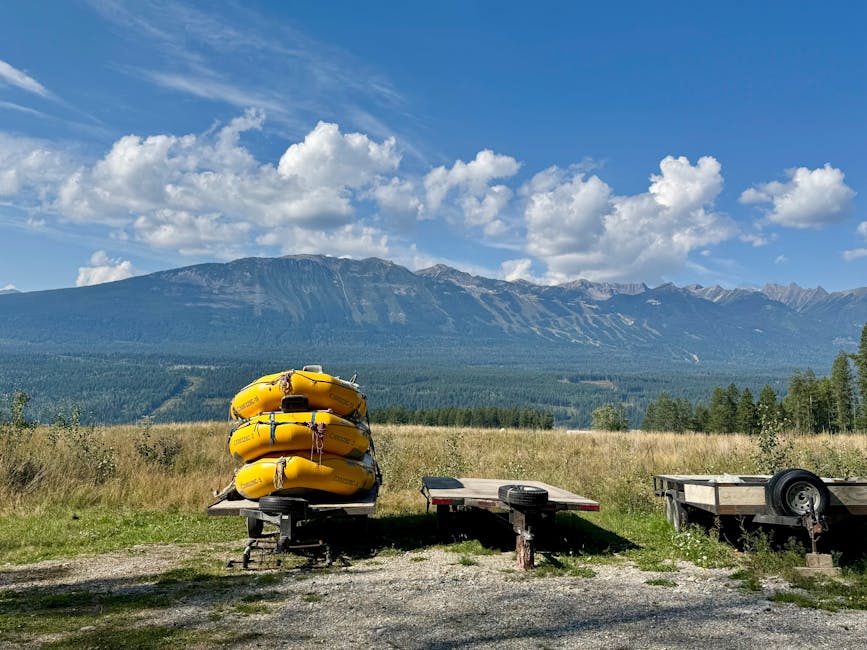
The Everest Base Camp trek takes about two weeks and reaches 5,364 meters. Altitude sickness is a real risk—acclimatize slowly and descend if symptoms worsen.
Permits are required for all treks. Hire local guides and porters to support the community and ensure safety on remote trails.
How to Choose the Right Adventure Destination
Not every destination suits every traveler. Your fitness level, experience, and interests should guide your choice.
Beginners may prefer well-maintained trails and guided tours. Moab and Banff offer excellent infrastructure for first-time adventurers.
Experienced hikers and climbers might seek remote, technical terrain. Patagonia and the Himalayas provide serious challenges but demand preparation and skill.
Consider the season. Some destinations, like Iceland and the Alps, have short summer windows. Others, like New Zealand, offer year-round activities with seasonal shifts.
Budget also matters. Flights to remote locations can be costly. Factor in gear rentals, permits, and guide fees when planning.
Essential Tips for Safe and Responsible Adventure Travel
Safety should always come first. Research your destination thoroughly before departure. Understand local risks, from wildlife encounters to weather extremes.
Pack appropriately. A quality backpack, layered clothing, and reliable footwear are non-negotiable. Include a first-aid kit, headlamp, and emergency communication device.
Leave no trace. Pack out all trash, stay on marked trails, and avoid disturbing wildlife. These practices protect ecosystems and ensure future access.
Use local guides when possible. They offer invaluable knowledge about terrain, culture, and safety. Plus, they support sustainable tourism.
Check travel advisories and purchase comprehensive travel insurance. Coverage should include emergency evacuation, especially for remote areas.
Comparing Adventure Destinations by Activity
Different destinations shine in different activities. Here’s a quick comparison to help you decide:
- Hiking: Torres del Paine (Chile), Dolomites (Italy), Fiordland (New Zealand)
- Mountain Biking: Moab (USA), Queenstown (New Zealand), Swiss Alps
- Skiing & Snowboarding: Banff (Canada), Swiss Alps, Queenstown
- Water Sports: Fiordland (kayaking), Iceland (glacier tours), Tasmania (sea kayaking)
- Climbing: Patagonia, Himalayas, Dolomites
Many destinations offer multiple activities. Queenstown, for example, combines hiking, biking, and extreme sports in one location.
If you’re planning a multi-activity trip, look for regions with diverse terrain and good infrastructure. This reduces travel time and maximizes adventure time.
When to Visit: Seasonal Considerations
Timing can make or break an outdoor adventure. Each destination has optimal seasons based on weather, trail conditions, and wildlife activity.
In the Northern Hemisphere, summer (June–August) is peak hiking season. But high altitudes and deserts can still be extreme. Spring and fall often offer milder weather and fewer crowds.
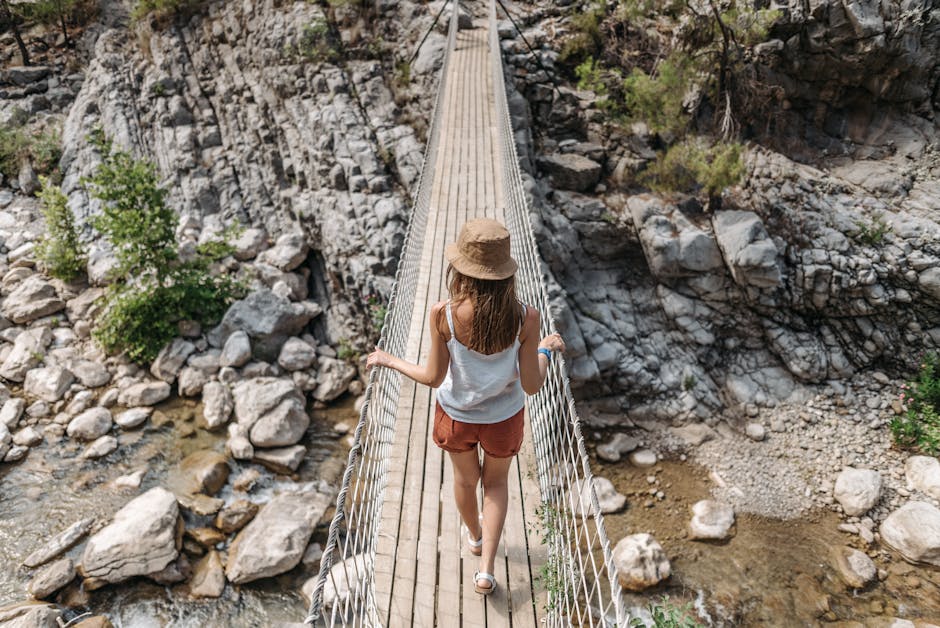
In the Southern Hemisphere, seasons are reversed. Patagonia and New Zealand are best visited from November to March.
Tropical destinations like Costa Rica or Southeast Asia have wet and dry seasons. Dry months offer better trail conditions, but wet seasons bring lush scenery and lower prices.
Always check local conditions before you go. Trail closures, park restrictions, and weather alerts can change quickly.
Budgeting for Your Adventure Trip
Adventure travel can be affordable or extravagant, depending on your choices. Flights, gear, and guides are the biggest expenses.
Flying into major hubs like Denver, Zurich, or Queenstown can reduce costs. From there, use regional transport to reach trailheads.
Gear rentals are available in most adventure towns. Renting skis in Chamonix or bikes in Moab saves luggage space and shipping fees.
Guided tours cost more but offer safety, logistics, and local insight. For remote or technical trips, they’re often worth the investment.
Set aside a contingency fund. Unexpected delays, gear repairs, or medical needs can arise. Having extra cash prevents stress.
Eco-Friendly Adventure Travel
Outdoor adventures depend on healthy ecosystems. Traveling responsibly ensures these places remain pristine for future generations.
Choose operators with eco-certifications. Look for businesses that follow sustainable practices, support local communities, and minimize environmental impact.
Offset your carbon footprint. Many airlines and travel companies offer carbon offset programs. Consider contributing to reforestation or renewable energy projects.
Travel in small groups. Larger groups can damage trails and disturb wildlife. Smaller parties have less impact and more meaningful experiences.
Respect local cultures. Learn a few phrases in the local language, dress appropriately, and follow customs. This builds goodwill and enriches your journey.
Final Thoughts
The best travel destinations for outdoor adventures offer more than stunning views—they provide transformative experiences. Whether you’re chasing solitude in the Himalayas or riding the rapids in Queenstown, these trips challenge and inspire.
With proper planning, the right gear, and a respectful attitude, your adventure can be safe, rewarding, and sustainable. Start with a destination that matches your skill level and interests, and let nature do the rest.
Remember: the goal isn’t just to reach the summit or finish the trail. It’s to return with stories, memories, and a deeper connection to the world around you.
FAQ
What is the best time of year to visit Patagonia for hiking?
The best time to visit Patagonia for hiking is during the Southern Hemisphere summer, from November to March. During this period, temperatures are milder, trails are accessible, and daylight hours are longer. Avoid winter months when many trails are snowed in and facilities may be closed.
Do I need a guide for trekking in the Himalayas?
While not legally required for all routes, hiring a local guide is strongly recommended for Himalayan treks. Guides provide navigation, safety, and cultural insight, especially on remote or high-altitude trails. They also help with permits and logistics, reducing stress and risk.
Can beginners enjoy adventure travel in places like Moab or Queenstown?
Yes, both Moab and Queenstown offer activities suitable for beginners. Moab has easy hikes like the Windows Section in Arches National Park, while Queenstown provides introductory bungee jumps, scenic gondola rides, and beginner-friendly mountain biking trails. Many operators offer guided tours tailored to all skill levels.