Top Travel Destinations for Shopping Lovers Worldwide
For travelers who live for the thrill of the find, the perfect pair of shoes, or a rare vintage handbag, choosing a destination is about more than sightseeing—it’s about the hunt. The best cities combine iconic retail experiences with local flavor, offering everything from luxury boutiques to bustling street markets. Whether you’re after designer labels, handmade crafts, or one-of-a-kind souvenirs, these top travel destinations for shopping lovers deliver unforgettable retail adventures. From Tokyo’s neon-lit districts to Marrakech’s labyrinthine souks, each city offers a unique blend of style, culture, and value.
Why These Cities Stand Out for Shoppers
Not all shopping cities are created equal. The best destinations balance variety, authenticity, and accessibility. They feature well-organized retail zones, reliable public transport, and a mix of high-end and budget-friendly options. Safety, language support, and return policies also matter—especially for international buyers. Cities like Paris and New York lead with global brand presence, while others, such as Bangkok and Istanbul, win on affordability and cultural charm.
Seasonal sales, tax refunds, and local craftsmanship further enhance the shopping experience. For example, Milan’s semi-annual fashion weeks draw crowds with exclusive previews and discounts. Meanwhile, Seoul’s Myeongdong district offers K-beauty products at prices hard to match online. These factors help define which cities truly cater to serious shoppers.
Tokyo, Japan: A Retail Wonderland
Harajuku and Shibuya: Youth Culture and Street Style
Tokyo is a dream destination for fashion-forward travelers. Harajuku’s Takeshita Street bursts with colorful streetwear, quirky accessories, and themed cafes. It’s ideal for those seeking bold, avant-garde styles. Just a short train ride away, Shibuya offers larger department stores like Shibuya 109 and Tokyu Hands, known for curated fashion and stationery.
Both districts are pedestrian-friendly and open late, making them perfect for evening strolls. Look for limited-edition collaborations between Japanese designers and global brands. Be aware that sizes run small—many shops carry only Japanese sizing, so try before you buy.
Ginza: Luxury and Tradition
For high-end shopping, Ginza is Tokyo’s answer to Fifth Avenue. Flagship stores from Chanel, Louis Vuitton, and Uniqlo line the wide boulevards. The area also houses historic department stores like Mitsukoshi and Matsuya, which blend traditional craftsmanship with modern retail.
Ginza’s upscale vibe comes with higher price tags, but the quality and service are unmatched. Many stores offer tax-free shopping for tourists with a passport. Visit during Golden Week or year-end sales for deeper discounts on luxury goods.
Akihabara and Nakano: Niche and Collectible Markets
Beyond fashion, Tokyo excels in niche markets. Akihabara is the go-to district for electronics, anime, and manga. Stores like Yodobashi Camera and Super Potato stock everything from the latest gadgets to retro video games. Nakano Broadway, a lesser-known gem, houses dozens of small shops specializing in collectibles, vintage toys, and rare figurines.
These areas cater to enthusiasts willing to dig for hidden treasures. Bargaining isn’t common, but some vendors may offer small discounts for bulk purchases. Bring cash—many small shops don’t accept cards.
Paris, France: The Capital of Chic
Champs-Élysées and Avenue Montaigne: High Fashion Central
Paris has long been synonymous with elegance and style. The Champs-Élysées stretches from the Arc de Triomphe to Place de la Concorde, lined with global brands like Zara, Sephora, and Apple. It’s a tourist hotspot, but worth visiting for its iconic status and central location.
A short walk away, Avenue Montaigne hosts luxury houses such as Dior, Gucci, and Prada. The architecture alone is worth the visit—each store is a masterpiece of design. While prices are steep, the experience of browsing in these spaces is part of the allure.
Le Marais: Boutiques and Vintage Finds
For a more local feel, head to Le Marais. This historic district blends medieval charm with modern boutiques. Rue des Rosiers is known for its Jewish delis and artisanal shops, while Rue de Bretagne features independent designers and concept stores.
Vintage lovers should explore shops like Thanx God I’m a VIP and Rose Bakery’s sister store, which offer curated secondhand clothing. The area is also LGBTQ+-friendly, with inclusive retailers and vibrant nightlife.
Les Halles and Forum des Halles: Modern Shopping Malls
Underneath the city lies Forum des Halles, one of Europe’s largest underground shopping centers. With over 150 stores, it connects multiple metro lines and offers everything from fast fashion to gourmet food courts. It’s ideal for rainy days or when you need a quick, climate-controlled shopping fix.
Les Halles, the historic market district, has transformed into a sleek retail hub. The modern glass canopy contrasts with Paris’s classic architecture, but the convenience is undeniable. Stores like Fnac and H&M anchor the space, drawing steady foot traffic.
New York City, USA: The 24/7 Shopping Capital
Fifth Avenue: From Flagships to Flagship Stores
No list of top travel destinations for shopping lovers is complete without New York. Fifth Avenue is the city’s retail spine, home to flagship stores like Saks Fifth Avenue, Tiffany & Co., and the world’s largest Macy’s. The holiday window displays alone draw millions of visitors each winter.
Prices are high, but the selection is unparalleled. Many stores offer personal shopping services and international shipping. Visit during Black Friday or post-holiday sales for significant markdowns on designer items.
SoHo: Art, Fashion, and Cobblestones
SoHo’s cast-iron buildings now house trendy boutiques, art galleries, and cafes. Brands like Reformation, Aesop, and COS have flagship locations here, appealing to minimalist tastes. The area is walkable and photogenic, with wide sidewalks and outdoor seating.
Weekends bring street performers and pop-up markets, adding to the lively atmosphere. Parking is difficult, so use the subway or ride-share services. Many shops close early on Sundays, so plan accordingly.
Brooklyn Flea and Smorgasburg: Markets with Character
For handmade goods and local flavor, Brooklyn delivers. The Brooklyn Flea operates in multiple locations, featuring vintage clothing, antique furniture, and artisanal foods. Smorgasburg, a weekend food market, also includes craft vendors and small-batch designers.
These markets are cash-heavy and cash-only in some cases. Arrive early for the best selection. Vendors often rotate, so no two visits are the same. It’s a great way to support local creators while picking up unique souvenirs.
London, UK: Tradition Meets Trend
Oxford Street and Regent Street: High-Street Heaven
London’s Oxford Street is one of the world’s busiest shopping districts. Over 300 shops line the mile-long stretch, including Primark, John Lewis, and Selfridges. It’s crowded but efficient, with frequent buses and tube access.
Regent Street, just north, offers a more upscale experience. Liberty London, with its Tudor-style building and floral prints, is a must-visit. The area also features seasonal installations, like Christmas lights that draw crowds from November onward.
Covent Garden: Markets and Independent Shops
Covent Garden blends shopping with entertainment. The main piazza hosts street performers, while the surrounding streets are filled with boutiques, bookshops, and specialty stores. Neal’s Yard is known for natural beauty products and colorful facades.
The Apple Market inside the former flower market sells handmade jewelry, prints, and crafts. It’s open daily, but weekdays are quieter. Many vendors accept cards, but cash is still preferred for smaller purchases.</n
Portobello Road: The World’s Largest Antique Market
Every Saturday, Portobello Road transforms into a treasure hunter’s paradise. Over 1,000 stalls sell antiques, vintage clothing, vinyl records, and collectibles. It’s a full-day experience—arrive by 8 a.m. to beat the crowds.
Authenticity varies, so inspect items carefully. Haggling is expected, especially for higher-priced goods. Bring a reusable bag and wear comfortable shoes. The market spans several blocks, so prioritize sections based on your interests.
Dubai, UAE: Luxury and Innovation
The Dubai Mall: More Than Just Shopping
Dubai redefines the shopping mall experience. The Dubai Mall houses over 1,200 stores, an indoor ice rink, an aquarium, and a cinema complex. It’s open late and air-conditioned—a relief in the desert heat.
International brands like Cartier, Zara, and H&M have large outposts here. The mall also features local designers in dedicated zones. Tax-free shopping applies to most goods, making luxury items more affordable than in Europe or the U.S.
Souk Madinat Jumeirah: Traditional Charm
For a contrast to the glitz of the mall, visit Souk Madinat Jumeirah. This waterfront marketplace mimics a traditional Arabian souk, with wind towers, canals, and boutique shops. It’s less crowded and more scenic than older souks.
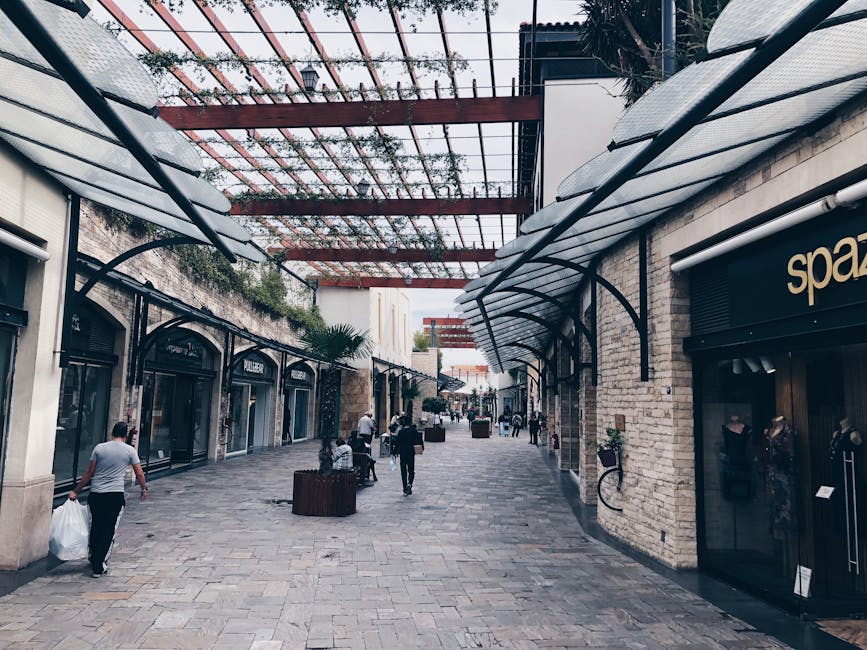
Stores sell spices, perfumes, textiles, and gold jewelry. Prices are fixed, but quality is generally high. The nearby Jumeirah Beach offers a relaxing break between shopping sessions.
Global Village: Cultural Shopping Festival
During winter months, Global Village opens as a multicultural shopping and entertainment park. Pavilions represent over 90 countries, each offering authentic crafts, food, and clothing. It’s a unique way to shop globally without leaving Dubai.
Entry is paid, and hours extend into the night. Bargaining is encouraged, especially in non-Western pavilions. The atmosphere is festive, with live performances and light shows.
Bangkok, Thailand: Bargains and Bustle
Chatuchak Weekend Market: The Giant
Chatuchak is one of the world’s largest outdoor markets, with over 15,000 stalls. It operates only on weekends and requires a full day to explore. Sections are organized by category: clothing, home goods, plants, and pets.
Prices start high—always negotiate. A 30–50% reduction from the initial quote is common. Bring water, wear sunscreen, and use the free map available at entrances. The market is accessible via BTS Skytrain.
Siam and MBK Center: Modern Malls
Siam Paragon and CentralWorld cater to middle- and upper-class shoppers. These air-conditioned complexes feature international brands, food courts, and entertainment. MBK Center, nearby, is more budget-oriented, with electronics, accessories, and knockoff goods.
Be cautious with electronics—warranties may not be valid outside Thailand. Stick to reputable vendors and ask for receipts. Many malls offer tax refunds for tourists spending over 2,000 baht.
Floating Markets: Cultural Experience
While not ideal for serious shopping, floating markets like Damnoen Saduak offer a cultural glimpse. Vendors sell fruits, snacks, and souvenirs from boats. It’s more touristy than authentic, but the scenery is picturesque.
Boat rides cost extra and can be crowded. Visit early morning for fewer crowds and fresher produce. Most items are overpriced—reserve these markets for experience, not deals.
Milan, Italy: Fashion Week and Beyond
Quadrilatero della Moda: The Fashion Quadrilateral
Milan’s fashion district is a compact grid of luxury boutiques. Via Montenapoleone, Via della Spiga, and Via Sant’Andrea feature brands like Prada, Armani, and Versace. It’s walkable and elegant, with polished storefronts and quiet side streets.
Prices are high, but the curation is impeccable. Many stores offer personal shoppers and private viewings. Visit during Milan Fashion Week in February and September for exclusive access and events.
Corso Buenos Aires: Affordable Fashion
For budget-conscious shoppers, Corso Buenos Aires offers over 300 stores. Zara, H&M, and Italian chains like OVS dominate the street. It’s less glamorous than the Quadrilatero but more practical for everyday wear.
The street is busy and noisy, with frequent sales. Look for outlet sections in larger stores. Public transport stops nearby, making it easy to reach.
Outlet Malls: Just Outside the City
Serravalle Designer Outlet and Vicolungo are popular day trips. Located an hour from Milan, they offer discounts of up to 70% on past-season items. Brands include Michael Kors, Coach, and Nike.
Book shuttle buses in advance or rent a car. Outlets are crowded on weekends. Bring a reusable bag and arrive early for parking.
Hong Kong: Density and Diversity
Causeway Bay and Tsim Sha Tsui: Urban Shopping Hubs
Hong Kong packs a retail punch in a small area. Causeway Bay’s Times Square and Sogo department stores offer a mix of local and international brands. Tsim Sha Tsui, across the harbor, features Harbour City—a massive mall with over 400 shops.
Both areas are well-connected by MTR. Prices are competitive, especially for cosmetics and electronics. Tax-free shopping applies to most goods.
Temple Street Night Market: Bargain Hunting
By day, Temple Street is quiet. By night, it transforms into a lively market selling clothing, watches, and trinkets. It’s less organized than Chatuchak but full of character.
Bargaining is essential. Start at 30% of the asking price and negotiate politely. Avoid buying electronics—quality is often questionable. The market is open until midnight.
Central and Sheung Wan: Art and Antiques
For higher-end collectibles, head to Central. Cat Street and Upper Lascar Row feature antique shops, art galleries, and vintage clothing stores. Sheung Wan’s Western Market offers handmade crafts and local designers.
These areas cater to discerning buyers. Prices reflect quality, and haggling is rare. Many shops close on Sundays.
Tips for Smart Shopping While Traveling
Know Your Rights and Policies
Always ask about return policies, especially for clothing and electronics. Some countries don’t allow returns on sale items. Keep receipts and original packaging.
Check if your credit card offers purchase protection or extended warranties. This can save money on expensive items.
Use Tax Refunds Wisely
Many countries offer VAT or GST refunds to tourists. In the EU, the threshold is usually €175 per store. In Japan, it’s ¥5,000. Present your passport at purchase and collect refunds at the airport.
Refunds can be cash, credit, or check. Processing fees apply, so compare options. Allow extra time before flights.
Avoid Tourist Traps
Markets near major attractions often inflate prices. Venture a few blocks away for better deals. Locals know where to shop—observe where they go.
Be wary of “too good to be true” deals on branded goods. Counterfeits are common in some regions. When in doubt, buy from authorized retailers.
Final Thoughts
The best shopping cities offer more than just products—they deliver experiences. Whether you’re browsing Milan’s fashion districts, haggling in Bangkok’s markets, or discovering hidden boutiques in Paris, each destination tells a story through its retail culture. Planning ahead, knowing local customs, and staying flexible will maximize your success. For serious shoppers, these top travel destinations for shopping lovers provide endless opportunities to explore, discover, and bring home something truly special.
FAQ
Q: What’s the best time of year to shop in these cities?
A: Sales seasons vary. In Europe and the U.S., major discounts occur in January and July. In Japan, look for year-end sales in December. Always check local holidays and fashion weeks for special events.
Q: Can I get tax refunds on shopping abroad?
A: Yes, in most countries. You’ll need a passport, receipt, and sometimes the item itself. Refunds are processed at airports or designated offices. Allow 30–60 minutes before departure.
Q: Is bargaining acceptable in all markets?
A: Not always. In department stores and malls, prices are fixed. In open-air markets in Asia, the Middle East, and parts of Europe, bargaining is expected. Observe locals or ask politely before negotiating.