Best Travel Destinations for History Lovers Worldwide
History comes alive in places where ancient civilizations once thrived, empires rose and fell, and pivotal moments shaped the modern world. For travelers passionate about the past, visiting historic sites offers more than sightseeing—it’s an immersive journey through time. From the pyramids of Egypt to the battlefields of Normandy, the globe is rich with destinations that preserve and celebrate human heritage. This guide highlights the best travel destinations for history lovers, offering a curated selection of sites that combine archaeological significance, cultural depth, and unforgettable experiences.
Why History-Focused Travel Matters
Traveling to historic destinations allows you to connect with the stories that define civilizations. Walking through ancient ruins or standing in a centuries-old cathedral offers a tangible link to the past. These experiences deepen cultural understanding and foster appreciation for diverse traditions.
Unlike museum visits, historic travel immerses you in the original context of events. You’re not just reading about history—you’re standing where it happened. Whether exploring a medieval castle or tracing the Silk Road, the atmosphere, architecture, and local narratives bring historical accounts to life.
Top Destinations for Ancient Civilizations
Egypt: The Cradle of Civilization
No list of historic travel destinations is complete without Egypt. Home to the world’s most iconic monuments, Egypt offers unparalleled access to ancient Egyptian culture. The Pyramids of Giza, the Sphinx, and the temples of Luxor and Karnak stand as testaments to a civilization that flourished over 4,000 years ago.
Visitors can explore the Valley of the Kings, where pharaohs like Tutankhamun were buried, or cruise the Nile to see temples carved into cliffs. The Egyptian Museum in Cairo houses thousands of artifacts, including the golden mask of Tutankhamun. For a deeper dive, consider a guided tour with an Egyptologist to unlock the symbolism behind hieroglyphs and burial practices.
Peru: Heart of the Inca Empire
Peru is a treasure trove of pre-Columbian history, with Machu Picchu as its crown jewel. This 15th-century Inca citadel, perched high in the Andes, showcases advanced engineering and astronomy. The site remained hidden from Spanish conquistadors and was only brought to global attention in 1911.
Beyond Machu Picchu, the Sacred Valley offers ruins like Ollantaytambo and Pisac, where terraced agriculture and stone architecture reflect Inca ingenuity. Cusco, once the capital of the Inca Empire, blends indigenous and colonial influences. Walking its cobblestone streets feels like stepping into two eras at once.
Italy: From Rome to the Renaissance
Italy’s layered history spans millennia, from the Roman Empire to the Renaissance. Rome itself is an open-air museum, with the Colosseum, Roman Forum, and Pantheon drawing millions each year. These sites offer a direct look at ancient engineering, governance, and daily life.
Florence, the birthplace of the Renaissance, houses masterpieces by Michelangelo, Leonardo da Vinci, and Botticelli. The Uffizi Gallery and Accademia showcase art that redefined Western culture. Meanwhile, Pompeii provides a frozen snapshot of Roman life, preserved by the eruption of Mount Vesuvius in 79 AD.
Medieval and Early Modern Marvels
France: Castles, Cathedrals, and Conflict
France’s medieval heritage is visible in its fortified cities, Gothic cathedrals, and royal châteaux. Carcassonne, a walled city in the south, features double ramparts and 52 towers, offering a textbook example of medieval military architecture.
The Palace of Versailles, though post-medieval, represents the height of French monarchy and absolutism. Its opulent halls and gardens reflect the power and excess of Louis XIV’s reign. For military history, Normandy’s D-Day beaches and memorials provide sobering insight into World War II’s turning point.
Japan: Samurai, Shoguns, and Sacred Sites
Japan’s feudal era left behind castles, temples, and traditions that remain central to its identity. Himeji Castle, with its white exterior and complex defense system, is one of the best-preserved feudal castles in the country.
Kyoto, the former imperial capital, is home to over 2,000 temples and shrines. Kinkaku-ji (the Golden Pavilion) and Fushimi Inari Shrine with its thousands of red torii gates are iconic. The city also preserves geisha culture and traditional tea ceremonies, offering living history beyond stone and wood.
Turkey: Where East Meets West
Turkey’s strategic location has made it a crossroads of empires—Roman, Byzantine, and Ottoman. Istanbul, formerly Constantinople, straddles Europe and Asia and boasts landmarks like the Hagia Sophia and Topkapi Palace.
Ephesus, one of the best-preserved ancient cities, features a Roman amphitheater, Library of Celsus, and Temple of Artemis (one of the Seven Wonders). Cappadocia’s rock-cut churches and underground cities reveal early Christian communities adapting to persecution.
Colonial and Revolutionary Eras
United States: Birth of a Nation
For those interested in modern history, the U.S. offers key sites from the colonial and revolutionary periods. Boston’s Freedom Trail links 16 historic landmarks, including the Old North Church and Paul Revere’s House.
Philadelphia’s Independence Hall, where the Declaration of Independence was signed, and Mount Vernon, George Washington’s estate, provide insight into America’s founding. The Civil War battlefields in Gettysburg and Antietam offer reflective experiences on national identity and conflict.
Mexico: Aztec and Spanish Legacies
Mexico’s history blends indigenous and colonial influences. Teotihuacan, north of Mexico City, features the Pyramid of the Sun and Moon, built by a civilization predating the Aztecs. The Aztecs later built their capital, Tenochtitlan, on the same site as modern Mexico City.
The colonial center of Oaxaca showcases Spanish architecture, while the nearby Monte Albán reveals Zapotec civilization. In the Yucatán, Chichén Itzá stands as a marvel of Maya astronomy and urban planning.
World War and Modern History Sites
Germany: From Imperial Power to Division
Germany’s 20th-century history is marked by both devastation and renewal. Berlin’s Holocaust Memorial and the preserved sections of the Berlin Wall serve as powerful reminders of totalitarianism and division.
The Nuremberg Rally Grounds, now a documentation center, explore the rise of the Nazi regime. Meanwhile, Dresden’s rebuilt Frauenkirche symbolizes reconciliation and peace after World War II.
Poland: Resilience and Remembrance
Poland’s history is shaped by resilience in the face of invasion and occupation. Auschwitz-Birkenau, the largest Nazi concentration camp, is a somber but essential site for understanding the Holocaust.
Kraków’s Old Town, a UNESCO World Heritage site, survived the war largely intact. The Wawel Castle and St. Mary’s Basilica reflect Poland’s royal and religious heritage. The nearby Wieliczka Salt Mine, used during the war, now serves as a museum and chapel carved from salt.
Hidden Gems for History Enthusiasts
Georgia: Crossroads of Cultures
Often overlooked, Georgia offers a rich tapestry of history at the intersection of Europe and Asia. The cave city of Uplistsikhe, carved into rock over 3,000 years ago, predates Christianity in the region.
Mtskheta, the ancient capital, is home to Jvari Monastery and Svetitskhoveli Cathedral, both UNESCO sites. The country’s wine-making tradition, dating back 8,000 years, adds a unique cultural layer to its historical appeal.
Ethiopia: The Land of Origins
Ethiopia claims some of the oldest human fossils and a continuous Christian tradition. Lalibela’s rock-hewn churches, carved in the 12th century, are still active places of worship.
Axum, once the center of a powerful kingdom, houses obelisks and the supposed resting place of the Ark of the Covenant. The rock churches of Tigray, accessible only by foot, offer remote and spiritual experiences.
Cambodia: Angkor and the Khmer Empire
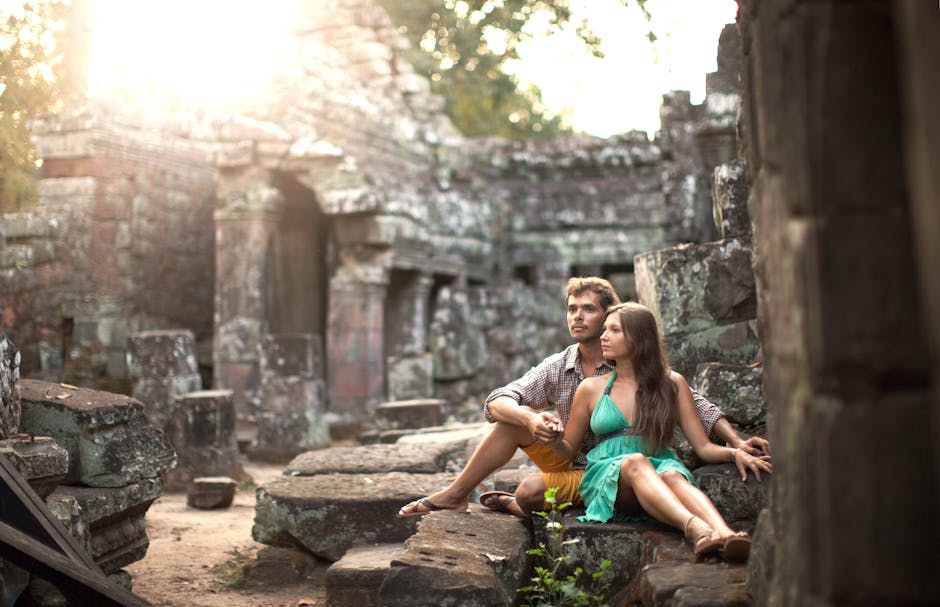
Angkor Wat in Cambodia is the largest religious monument in the world, originally built as a Hindu temple in the 12th century. The surrounding Angkor Archaeological Park includes Ta Prohm, where trees grow through ruins, creating a dramatic blend of nature and architecture.
The Khmer Rouge regime’s impact is remembered at the Tuol Sleng Genocide Museum and the Killing Fields of Choeung Ek. These sites provide crucial context for Cambodia’s modern history and recovery.
Tips for Planning a History-Focused Trip
Start by identifying the historical periods or regions that interest you most. Narrowing your focus helps create a meaningful itinerary. Use UNESCO World Heritage lists and academic travel guides for reliable recommendations.
Book guided tours with local historians when possible. They offer context that signage often lacks. Wear comfortable shoes—many historic sites involve uneven terrain and long walks.
Respect local customs and preservation rules. Avoid touching fragile structures or removing artifacts. Photography may be restricted in certain areas, especially religious sites.
Consider visiting during off-peak seasons to avoid crowds. Early mornings or weekdays often provide quieter experiences. Check site hours and ticket requirements in advance, as some locations require timed entry.
How to Make the Most of Your Visit
Read up on the site’s history before you go. Understanding the timeline and key figures enhances the experience. Bring a notebook to jot down observations or reflections.
Engage with local communities. Markets, festivals, and family-run eateries often preserve traditions tied to the area’s past. Learning a few phrases in the local language can open doors to deeper conversations.
Document your journey thoughtfully. Take photos that capture both the site and its atmosphere. Consider keeping a travel journal to record personal insights and historical connections.
Final Thoughts
The best travel destinations for history lovers offer more than monuments—they provide context, emotion, and connection. Whether you’re drawn to ancient ruins, medieval towns, or modern memorials, each site tells a story worth exploring.
History is not confined to textbooks. It lives in the stones of a temple, the walls of a castle, and the silence of a battlefield. By visiting these places, you honor the past and enrich your understanding of the present.
FAQ
What should I pack for a history-focused trip?
Bring comfortable walking shoes, a reusable water bottle, sun protection, and a small backpack. A guidebook or offline map app is helpful. Don’t forget a camera and portable charger.
Are guided tours necessary for historic sites?
Not always, but they greatly enhance understanding. Local guides provide stories, context, and access to restricted areas. Self-guided visits work well with good signage and audio guides.
How can I travel responsibly to historic destinations?
Follow site rules, avoid littering, and respect local customs. Support local businesses and avoid souvenirs made from protected materials. Choose eco-friendly transportation when possible.