Japan Travel Guide: Best Cities and Travel Tips
Japan blends ancient tradition with cutting-edge innovation, offering travelers a unique mix of culture, cuisine, and scenery. Whether you’re exploring neon-lit Tokyo, historic Kyoto, or the snowy peaks of Hokkaido, this Japan travel guide covers the best cities to visit and essential tips for a smooth journey. From navigating public transit to respecting local customs, we’ll help you plan a trip that’s both enriching and stress-free.
Top Cities to Visit in Japan
Japan’s cities each offer distinct experiences, from bustling urban centers to serene cultural hubs. Choosing where to go depends on your interests—history, food, nature, or modern attractions. Below are the most rewarding destinations for first-time and returning visitors alike.
Tokyo: The Electric Heart of Japan
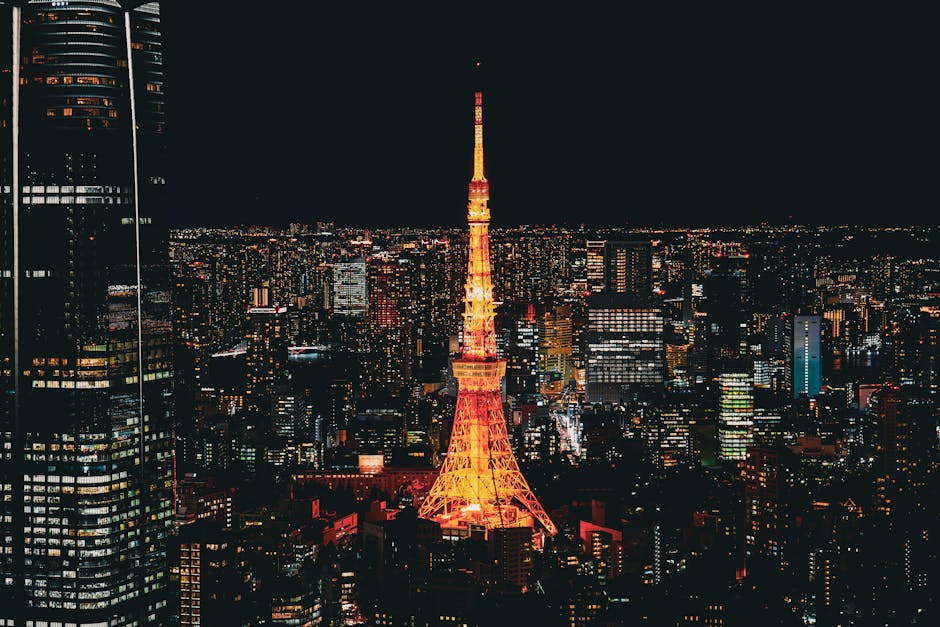
Tokyo is a dynamic metropolis where skyscrapers tower over centuries-old temples. It’s a city of contrasts: quiet gardens sit beside crowded shopping districts, and traditional tea houses neighbor robot restaurants. Must-see areas include Shibuya for its iconic crossing, Asakusa for Senso-ji Temple, and Akihabara for electronics and anime culture.
The city’s public transportation system is efficient and extensive. A Suica or Pasmo card makes hopping between trains and subways effortless. For a panoramic view, visit Tokyo Skytree or the observation deck at Roppongi Hills. Don’t miss Tsukiji Outer Market for fresh sushi and street food.
Kyoto: The Cultural Capital
Kyoto preserves Japan’s imperial past with over 2,000 temples, traditional wooden houses, and meticulously maintained gardens. It’s the best place to experience geisha culture in Gion, stroll through the bamboo groves of Arashiyama, or visit the golden Kinkaku-ji Temple.
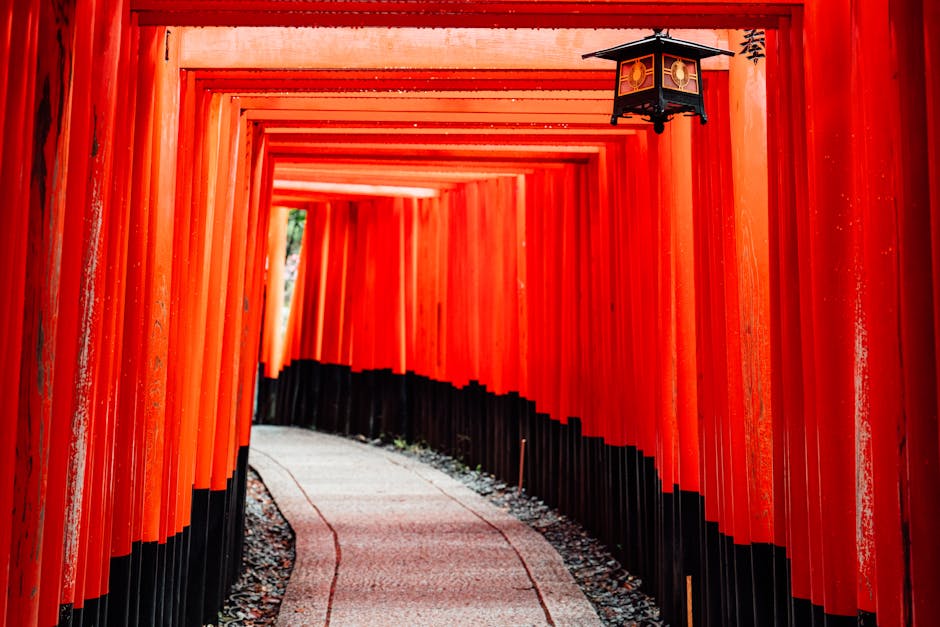
Many attractions are within walking distance or a short bus ride from central stations. The Kyoto City Bus Pass offers unlimited rides for a day. Visit Fushimi Inari Shrine early in the morning to avoid crowds and enjoy the peaceful climb through thousands of red torii gates.
Osaka: Food and Fun
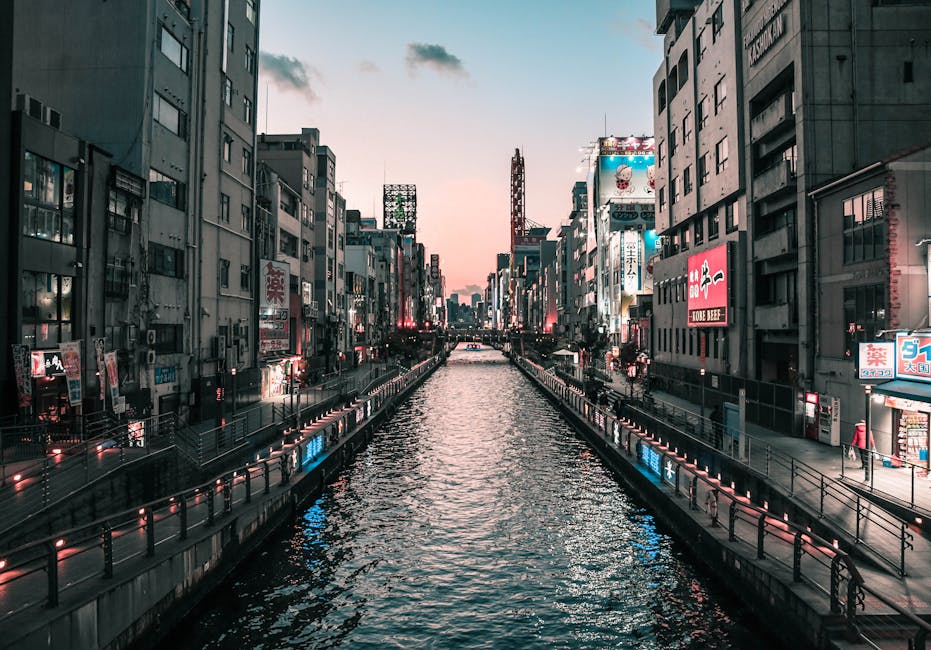
Known as Japan’s kitchen, Osaka is a haven for food lovers. Try takoyaki (octopus balls), okonomiyaki (savory pancakes), and kushikatsu (deep-fried skewers) in Dotonbori, the city’s lively entertainment district. Osaka Castle provides historical context and a scenic park setting.
The city is well-connected to Kyoto and Nara via the JR Loop Line. Universal Studios Japan is a major draw for families and theme park enthusiasts. For a quieter experience, explore the retro streets of Shinsekai or relax in Spa World, one of Asia’s largest onsen complexes.
Hiroshima: Peace and Resilience
Hiroshima is a powerful destination centered on peace and remembrance. The Peace Memorial Park and Atomic Bomb Dome stand as solemn reminders of the city’s tragic past and its message of hope. A short ferry ride takes you to Miyajima Island, home to the iconic Itsukushima Shrine and its floating torii gate.
Try Hiroshima-style okonomiyaki, layered with noodles and cabbage. The city is compact and walkable, with trams connecting major sites. Visiting during the annual Peace Memorial Ceremony in August offers a deeply moving experience.
Sapporo: Winter Wonderland and Beyond
Sapporo, the capital of Hokkaido, is famous for its snowy winters and the annual Sapporo Snow Festival. Even in summer, the city offers cool weather, fresh seafood, and access to national parks like Shikotsuko-Toya. The Sapporo Beer Museum and Odori Park are central attractions.
Winter visitors should pack warm clothing and consider a rental car for exploring nearby ski resorts. Summer travelers can enjoy hiking, lavender fields in Furano, and local dairy products. Sapporo’s subway system is simple to navigate, with English signage at major stations.
Essential Travel Tips for Japan
Japan is safe, clean, and highly organized, but first-time visitors may face cultural and logistical challenges. These practical tips will help you travel confidently and respectfully.
Transportation: Trains, Cards, and Etiquette
Japan’s rail network is among the world’s best. The Shinkansen (bullet train) connects major cities at speeds over 300 km/h. The Japan Rail Pass offers unlimited travel on JR lines for foreign tourists, but must be purchased before arrival.
For city travel, rechargeable IC cards like Suica or ICOCA work on trains, buses, and even vending machines. Avoid eating on local trains—it’s considered impolite. Always stand on the left side of escalators (right in Osaka) and let passengers exit before boarding.
Language and Communication
While English is spoken in tourist areas, many locals have limited proficiency. Learning basic phrases like “arigatou gozaimasu” (thank you) and “sumimasen” (excuse me) goes a long way. Google Translate with offline Japanese packs helps with menus and signs.
Free Wi-Fi is available in stations, cafes, and hotels, but consider renting a pocket Wi-Fi or buying a SIM card for reliable connectivity. Many convenience stores offer SIM purchases with English instructions.
Money and Payments
Japan remains largely cash-based, especially in rural areas. ATMs at 7-Eleven (Seven Bank) accept foreign cards, but many others do not. Always carry yen, particularly when visiting temples, small restaurants, or onsens.
Credit cards are accepted in department stores and chain restaurants, but smaller establishments may only take cash. Inform your bank of travel plans to avoid card blocks. Tipping is not customary and can be seen as rude.
Accommodation Options
Japan offers diverse lodging, from luxury hotels to budget-friendly hostels and traditional ryokans. Business hotels are clean, compact, and affordable, ideal for solo travelers. Ryokans provide a cultural experience with tatami floors, futons, and kaiseki meals, but often require advance booking.
Capsule hotels are a unique option in cities like Tokyo and Osaka. For longer stays, consider Airbnb, though regulations have tightened in recent years. Always check cancellation policies, especially during peak seasons like cherry blossom (late March to early April) and autumn foliage (November).
Food and Dining Etiquette
Japanese cuisine is diverse and deeply rooted in seasonality. Sushi, ramen, tempura, and yakitori are widely available, but regional specialties like Hiroshima okonomiyaki or Hokkaido crab are worth seeking out. Convenience stores (konbini) offer surprisingly high-quality meals at low prices.
When dining, say “itadakimasu” before eating and “gochisousama deshita” after. Never stick chopsticks upright in rice—it resembles a funeral ritual. Slurping noodles is acceptable and shows enjoyment. Some restaurants have ticket vending machines; order first, then take a seat.
Cultural Norms and Etiquette
Respect is central to Japanese culture. Bow slightly when greeting or thanking someone. Remove shoes before entering homes, ryokans, and some restaurants. Wear slippers provided, but switch to toilet slippers in restrooms—and change back afterward.
Public behavior is quiet and orderly. Avoid loud conversations on trains, phone calls on subways, and eating while walking. Dispose of trash properly—public bins are rare, so carry a small bag for wrappers. Onsen (hot springs) require thorough washing before entering and prohibit tattoos in many locations; some offer tattoo cover-ups or private baths.
Seasonal Considerations
Japan’s climate varies significantly by region and season. Spring (March–May) brings cherry blossoms, but also crowds and higher prices. Summer (June–August) is hot and humid, with rainy season in June. Autumn (September–November) offers crisp weather and vibrant foliage. Winter (December–February) is cold, especially in the north, but ideal for skiing and hot springs.
Packing depends on when and where you go. Light layers work for spring and autumn. Summer requires breathable clothing and sunscreen. Winter demands thermal wear, especially in Hokkaido. Always bring a compact umbrella—rain can appear without warning.
Sample Itineraries for Different Travelers
Tailoring your trip to your interests ensures a more satisfying experience. Below are three sample itineraries based on common travel styles.
7-Day Classic Route: Tokyo, Kyoto, Osaka
Day 1–3: Explore Tokyo’s neighborhoods, visit Meiji Shrine, shop in Harajuku, and take a day trip to Nikko or Kamakura. Day 4: Travel to Kyoto via Shinkansen (2.5 hours). Visit Fushimi Inari and Kiyomizu-dera. Day 5: See Arashiyama’s bamboo forest and Kinkaku-ji. Day 6: Take the train to Osaka (30 minutes), explore Dotonbori, and visit Osaka Castle. Day 7: Return to Tokyo for departure or extend to Nara for deer and temples.
10-Day Cultural Deep Dive: Kyoto, Kanazawa, Takayama, Shirakawa-go
This route focuses on traditional Japan. Start in Kyoto for temples and gardens. Take the Thunderbird train to Kanazawa, known for Kenrokuen Garden and samurai districts. Continue to Takayama for old town charm and sake breweries. End in Shirakawa-go, a UNESCO-listed village with thatched-roof houses. Return via Nagoya or back to Tokyo.
5-Day Nature Escape: Hokkaido
Fly into Sapporo. Spend two days exploring the city and nearby Otaru Canal. Drive or take a bus to Furano for lavender fields (July) or ski resorts (winter). Visit Lake Toya for hot springs and volcanic views. End with fresh seafood in Hakodate, known for its morning market and night views from Mount Hakodate.
Safety and Health
Japan is one of the safest countries in the world, with low crime rates and efficient emergency services. However, natural disasters like earthquakes and typhoons occur. Familiarize yourself with local emergency numbers (110 for police, 119 for fire/ambulance) and evacuation procedures.
Tap water is safe to drink. Pharmacies (yakkyoku) are widespread, but bring prescriptions and a copy of your medication list. Travel insurance is strongly recommended, especially for medical coverage and trip cancellations. Earthquake drills and alerts are common; stay calm and follow instructions.
Packing Essentials
Pack light but smart. Include comfortable walking shoes, a reusable water bottle, and a portable charger. A small daypack is useful for sightseeing. Bring a universal power adapter—Japan uses Type A plugs (two flat pins) at 100V.
Seasonal items matter: a light jacket for spring/autumn, sunscreen and hat for summer, and thermal layers for winter. Don’t forget tissues and hand sanitizer—public restrooms may not always have soap or paper.
Final Thoughts
Japan rewards thoughtful planning and cultural sensitivity. Whether you’re marveling at cherry blossoms, soaking in an onsen, or savoring a perfectly crafted bowl of ramen, the country offers unforgettable experiences. Use this Japan travel guide to navigate the best cities and travel tips, and you’ll return home with stories worth sharing.
FAQ
What is the best time to visit Japan?
Spring (March–May) and autumn (September–November) offer mild weather and stunning natural scenery. Cherry blossom season draws crowds, so book early. Winter is ideal for skiing and hot springs, while summer is hot but festive.
Do I need a visa to visit Japan?
citizens of many countries, including the U.S., Canada, and most EU nations, can enter Japan visa-free for tourism for up to 90 days. Check Japan’s official immigration website for the latest requirements based on your nationality.
Is Japan expensive for travelers?
Japan can be pricey, but budget options exist. Stay in business hotels or hostels, eat at konbini or local eateries, and use rail passes. With smart choices, daily expenses can range from $50–$100 per person, excluding major transportation.