

Nature Travel Guide with Eco Tourism Destinations
Looking for a way to explore the world while protecting it? A nature travel guide with eco tourism destinations offers responsible ways to experience stunning landscapes, wildlife, and cultures without harming the environment. These destinations prioritize conservation, community involvement, and low-impact travel. Whether you’re hiking through rainforests, snorkeling coral reefs, or staying in solar-powered lodges, eco tourism lets you travel meaningfully. This guide highlights top sustainable destinations, practical tips, and how to choose trips that align with your values.
What Is Eco Tourism and Why It Matters
Eco tourism is travel that supports environmental protection and benefits local communities. Unlike mass tourism, it emphasizes small groups, minimal waste, and educational experiences. The goal is to leave a place better than you found it—or at least no worse.
Eco tourism matters because natural areas are under threat. Over-tourism, pollution, and climate change are damaging fragile ecosystems. By choosing eco-conscious trips, travelers help fund conservation and reduce their footprint. It’s not just about where you go—it’s how you go.
Key Principles of Eco Tourism
True eco tourism follows a few core principles. First, it minimizes environmental impact. This means using renewable energy, reducing plastic, and staying on marked trails. Second, it supports local economies. Money spent should go to local guides, family-run lodges, and community projects.
Third, it promotes cultural respect. Travelers learn about local customs, support indigenous rights, and avoid exploitative practices. Finally, eco tourism includes education. Visitors gain awareness of environmental issues and ways to help.
Top Eco Tourism Destinations Around the World
Some destinations stand out for their commitment to sustainability. These places offer unforgettable experiences while protecting nature and uplifting communities. Here are five top picks for your next eco-friendly adventure.
Costa Rica: A Pioneer in Sustainable Travel
Costa Rica is a global leader in eco tourism. Over 25% of its land is protected in national parks and reserves. The country runs on nearly 100% renewable energy and aims to be carbon neutral.
Popular spots include Manuel Antonio National Park, where you can spot sloths and monkeys, and Monteverde Cloud Forest, known for canopy tours and birdwatching. Stay in eco-lodges powered by hydro or solar energy. Many tours are led by local guides who share knowledge about conservation.
Nepal: Trekking with a Purpose
Nepal offers breathtaking Himalayan treks with a strong eco tourism focus. The Annapurna Conservation Area Project (ACAP) limits visitor numbers and funds local schools and clinics. Trekkers use teahouses owned by local families, keeping money in the region.
The Annapurna Circuit and Langtang Valley are excellent choices. Both routes emphasize waste reduction and cultural exchange. Always hire a local guide and porter—this supports the economy and ensures safe travel.
Palau: Protecting Oceans Through Tourism
Palau, a Pacific island nation, requires visitors to sign an eco pledge upon arrival. The pledge commits travelers to act in ways that protect the environment. It’s the first country to do so.
Snorkelers and divers flock to the Rock Islands, where coral reefs thrive thanks to strict marine protection. Palau bans harmful sunscreens and limits fishing in key areas. Revenue from tourism funds conservation and education programs.
Bhutan: High-Value, Low-Impact Tourism
Bhutan measures success not by GDP but by Gross National Happiness. Its tourism policy reflects this. Visitors pay a daily fee that covers accommodation, food, transport, and a sustainable development charge.
The fee funds free healthcare, education, and environmental projects. Tourism is limited and carefully managed. Popular activities include hiking to Tiger’s Nest monastery and visiting protected wildlife reserves like Jigme Dorji National Park.
Madagascar: Conservation in Action
Madagascar is home to unique species found nowhere else, like lemurs and baobab trees. Eco tourism here supports reforestation and anti-poaching efforts. Visit Andasibe-Mantadia National Park to hear the call of indri lemurs in the wild.
Stay in community-run lodges where profits go directly to villages. Avoid souvenirs made from endangered species. Instead, buy handmade crafts from local artisans.
How to Choose a Responsible Eco Tourism Destination
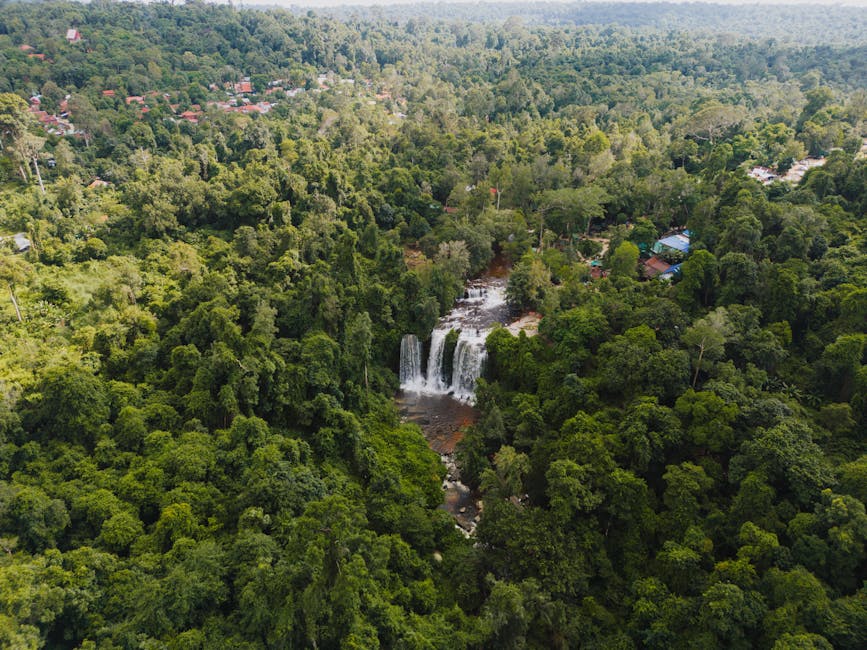
Not all “eco” labels are equal. Some companies greenwash—claiming to be sustainable without real action. Learn how to spot genuine eco tourism and avoid imposters.
Look for Certifications and Partnerships
Reputable eco tourism operators often have third-party certifications. Examples include Rainforest Alliance, Green Globe, or EarthCheck. These organizations verify environmental and social standards.
Check if the destination partners with local NGOs or conservation groups. Real eco tourism involves collaboration, not just marketing.
Ask About Local Involvement
Ask who benefits from your trip. Are guides local? Are supplies sourced nearby? Do profits stay in the community? A true eco tourism destination empowers residents, not outside corporations.
For example, in Kenya’s Maasai Mara, some conservancies are co-managed by Maasai communities. Tourism revenue funds schools, water projects, and anti-poaching units.
Evaluate Environmental Practices
Check how the destination handles waste, water, and energy. Do they recycle? Use solar power? Treat wastewater? Avoid places that dump trash or overuse groundwater.
Also consider transportation. Flying has a high carbon footprint. If possible, choose destinations accessible by train or bus. Offset your flight emissions through verified programs.
Practical Tips for Eco-Friendly Travel
Being a responsible traveler starts before you even pack your bags. Small choices add up to big impacts. Follow these tips to travel greener.
Pack Light and Smart
Heavier luggage increases fuel use on planes and vehicles. Pack only what you need. Choose reusable items: water bottles, utensils, cloth bags, and bamboo toothbrushes.
Avoid single-use plastics. Bring a filtered water bottle to refill instead of buying bottled water. Many eco lodges offer safe drinking water stations.
Respect Wildlife and Nature
Never feed or touch wild animals. Keep a safe distance. Use binoculars or zoom lenses for photos. Stay on trails to protect plant life and prevent erosion.
Don’t collect shells, rocks, or flowers. What seems harmless can disrupt ecosystems. In coral reefs, even sunscreen can harm marine life—use reef-safe products.
Support Local Culture
Learn a few words in the local language. Dress modestly where appropriate. Ask before taking photos of people. Buy souvenirs directly from artisans, not mass-produced imitations.
Eat at local restaurants. Try traditional dishes made with regional ingredients. This supports farmers and reduces food miles.
Eco Tourism vs. Mass Tourism: A Comparison

Understanding the difference between eco tourism and mass tourism helps you make better choices. Both involve travel, but their impacts vary widely.
Environmental Impact
Mass tourism often leads to overcrowding, pollution, and habitat destruction. Popular beaches, mountains, and cities suffer from litter, traffic, and strain on resources.
Eco tourism limits group sizes and uses sustainable infrastructure. Trails are maintained, waste is managed, and natural areas are monitored. The goal is preservation, not exploitation.
Economic Benefits
In mass tourism, profits often go to international hotel chains and tour operators. Local communities see little benefit. Jobs may be low-paying and seasonal.
Eco tourism prioritizes local ownership. Money stays in the region, creating long-term jobs and funding community projects. This builds resilience and reduces poverty.
Cultural Exchange
Mass tourism can lead to cultural commodification. Traditions become performances for tourists, losing authenticity. Locals may feel pressured to conform to visitor expectations.
Eco tourism encourages respectful interaction. Travelers learn from locals, not just observe them. Homestays and cultural workshops foster genuine connection.
Challenges and Criticisms of Eco Tourism
Eco tourism isn’t perfect. It faces real challenges that travelers should know about. Being aware helps you travel more thoughtfully.
Greenwashing
Some companies claim to be eco-friendly without real changes. They might use buzzwords like “green” or “natural” but still harm the environment. Always research before booking.
Look beyond the website. Read reviews, check certifications, and ask questions. If a lodge says it’s “eco” but uses plastic bottles and imported food, it’s likely not.
Accessibility and Cost
Eco tourism can be expensive. Sustainable practices cost more, and small-scale operations have higher overhead. This limits access for budget travelers.
However, some destinations offer affordable options. Community-based tourism in places like Guatemala or Vietnam can be low-cost and high-impact. Look for homestays and local guides.
Overtourism in Eco Destinations
Ironically, popular eco tourism spots can suffer from too many visitors. Machu Picchu, for example, has daily visitor limits to protect the site. Still, demand often exceeds supply.
Travel during off-peak seasons. Choose lesser-known destinations. Spread tourism more evenly to reduce pressure on hotspots.
How to Plan Your Eco Tourism Trip
Planning an eco-friendly trip takes a bit more effort, but the rewards are worth it. Follow these steps to get started.

Step 1: Define Your Travel Goals
What do you want from your trip? Adventure, relaxation, learning, or cultural exchange? Knowing your priorities helps you choose the right destination and activities.
For example, if you love birds, Costa Rica or Kenya might be ideal. If you prefer quiet nature, consider Slovenia’s Triglav National Park.
Step 2: Research Destinations and Operators
Use trusted sources like the International Ecotourism Society (TIES) or National Geographic’s sustainable travel guides. Read recent traveler reviews on platforms like TripAdvisor or Google.
Contact tour operators directly. Ask about their sustainability policies, guide training, and community partnerships. A good company will answer openly.
Step 3: Book Responsibly
Choose accommodations with eco-certifications. Book tours with local guides. Use public transport or shared shuttles when possible.
Consider carbon offset programs for flights. Reputable providers like Gold Standard or ClimateCare fund renewable energy and reforestation.
Step 4: Prepare and Pack
Pack eco-friendly gear. Bring a reusable water bottle, solar charger, and biodegradable toiletries. Leave valuables at home to avoid theft and reduce stress.
Download offline maps and translation apps. Learn basic local phrases. This shows respect and makes travel smoother.
Step 5: Travel Mindfully
Once you arrive, stay aware of your impact. Follow local rules. Conserve water and energy. Support local businesses. Share your experiences responsibly on social media.
After your trip, give feedback to operators. Thank hosts. Consider donating to a local conservation project.
Final Thoughts on Nature Travel and Eco Tourism
Travel has the power to inspire, educate, and connect us to the world. But it also carries responsibility. A nature travel guide with eco tourism destinations helps you explore without exploitation.
By choosing sustainable options, you protect natural wonders for future generations. You support communities and promote conservation. Every trip can be a force for good.
Start small. Pick one eco-friendly destination. Make one mindful choice. Over time, these actions add up. The planet—and its people—will thank you.
FAQ
What makes a destination truly eco-friendly?
A truly eco-friendly destination minimizes environmental harm, supports local communities, and promotes conservation. Look for third-party certifications, local ownership, and transparent practices.
Is eco tourism more expensive than regular travel?
It can be, due to sustainable practices and small-scale operations. However, budget options exist, such as community homestays and local guides. The long-term benefits often outweigh the cost.
How can I avoid greenwashing when booking eco tours?
Research the company’s practices, check for certifications, read independent reviews, and ask direct questions about their environmental and social impact. Avoid vague claims without evidence.