Top Mexican Foods to Try for Food Travel Lovers
Mexico’s culinary landscape is as vibrant and diverse as its culture. For food travel lovers, exploring authentic Mexican cuisine offers a delicious journey through regional flavors, ancient traditions, and bold ingredients. From street-side tacos to complex moles, the country’s dishes reflect centuries of indigenous, Spanish, and global influences. Whether you’re wandering the markets of Oaxaca or dining in a coastal town in Baja, knowing which dishes to seek out enhances the experience. This guide highlights the top Mexican foods to try, helping travelers make the most of their gastronomic adventure.
Why Mexican Cuisine Stands Out
Mexican food is more than just spicy—it’s a celebration of texture, balance, and heritage. Recognized by UNESCO as an Intangible Cultural Heritage, it emphasizes fresh produce, corn-based staples, and slow-cooked techniques. Each region has its own specialties, shaped by geography, climate, and history. Unlike many cuisines that rely heavily on dairy or wheat, Mexican cooking centers on maize, beans, chiles, and tomatoes. This foundation allows for incredible variety while maintaining a distinct identity.
The use of nixtamalization—a process that treats corn with lime—makes masa (dough) more nutritious and flavorful. This ancient technique is still used today to make tortillas, tamales, and sopes. Combined with regional ingredients like huitlacoche (corn fungus) or chapulines (grasshoppers), Mexican dishes offer unique tastes you won’t find elsewhere. For travelers, this means every bite tells a story.
Must-Try Street Foods
Street food is the heartbeat of Mexican cuisine. Vendors across cities and towns serve up affordable, flavorful bites that locals swear by. These dishes are often made fresh to order, using family recipes passed down through generations.
Tacos al Pastor
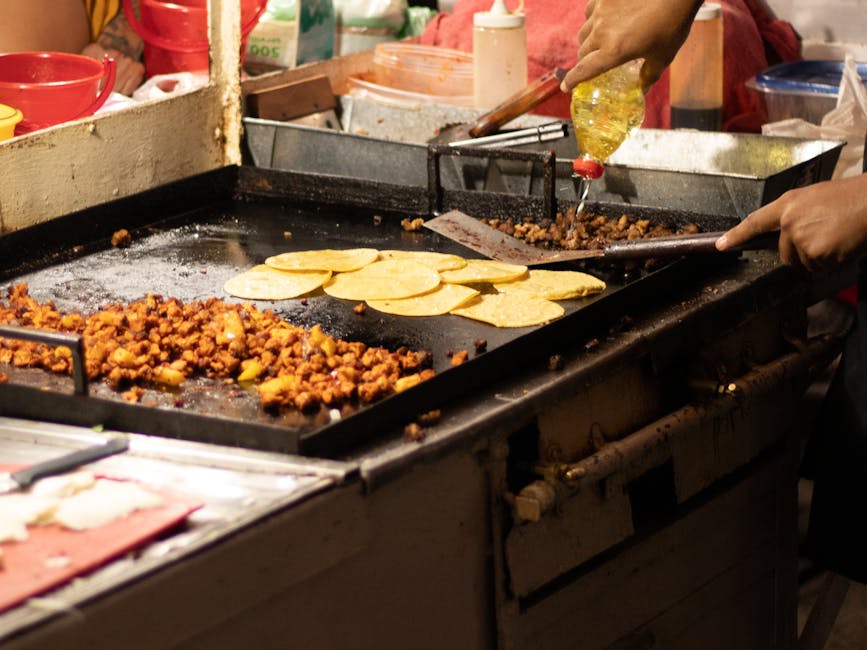
Tacos al pastor are a fusion favorite, blending Middle Eastern shawarma with Mexican grilling techniques. Thin slices of marinated pork are stacked on a vertical spit and slow-roasted. Once crispy on the edges, they’re shaved off and served on small corn tortillas with pineapple, onion, and cilantro. The sweet, savory, and tangy combination is unforgettable.
Look for taquerías with a trompo (the spinning meat tower) for the most authentic version. In Mexico City, spots like El Huequito or Tacos El Califa are legendary. Avoid overly greasy or under-seasoned versions—quality al pastor should be juicy and aromatic, not dry or bland.
Elote
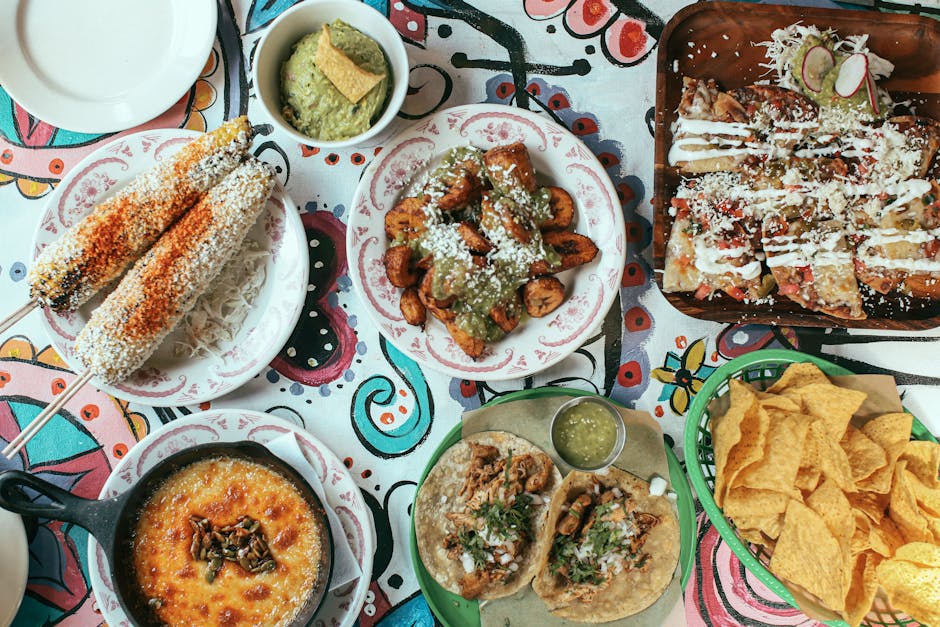
Elote, or grilled street corn, is a beloved snack found at festivals, markets, and roadside stalls. Fresh corn on the cob is charred over an open flame, then slathered with mayonnaise, cotija cheese, chili powder, and lime juice. The result is a creamy, smoky, and spicy treat that’s messy but worth it.
Some vendors offer esquites—the same ingredients served in a cup with the kernels cut off. This makes it easier to eat on the go. Be cautious with spice levels if you’re sensitive; ask for “poco picante” (a little spicy) if needed.
Tostadas
Tostadas start with a crispy fried corn tortilla as the base. They’re then topped with refried beans, shredded meat, lettuce, crema, and salsa. Common variations include ceviche tostadas with raw fish marinated in lime, or frijoles with chorizo.
In coastal areas like Veracruz, seafood tostadas are especially popular. The crunch of the tortilla contrasts beautifully with the soft fillings. Eat them quickly—they lose their crispness fast.
Regional Specialties to Seek Out
Mexico’s 32 states each have their own culinary identity. Traveling food lovers should explore beyond the usual suspects and dive into regional dishes that showcase local ingredients and traditions.
Mole Poblano (Puebla)
Mole poblano is one of Mexico’s most iconic dishes. Originating in Puebla, this rich sauce combines over 20 ingredients, including chiles, chocolate, spices, and nuts. It’s slow-cooked for hours until thick and glossy, then served over chicken or turkey.
Don’t be fooled by the chocolate—mole isn’t sweet. It’s deeply complex, with layers of smoky, spicy, and earthy notes. The best versions are made from scratch, not from pre-made paste. Visit a traditional restaurant in Puebla to taste it at its finest.
Barbacoa (Hidalgo and Central Mexico)
Barbacoa refers to meat—usually lamb or goat—slow-cooked in an underground pit lined with maguey leaves. The meat becomes incredibly tender and infused with smoky, herbal flavors. It’s traditionally eaten on Sundays, often served in tacos with consommé (broth) on the side.
In towns like Santiago de Anaya, you can watch the pit being uncovered in the early morning. The aroma alone is worth the trip. Pair it with warm tortillas and a squeeze of lime for a complete experience.
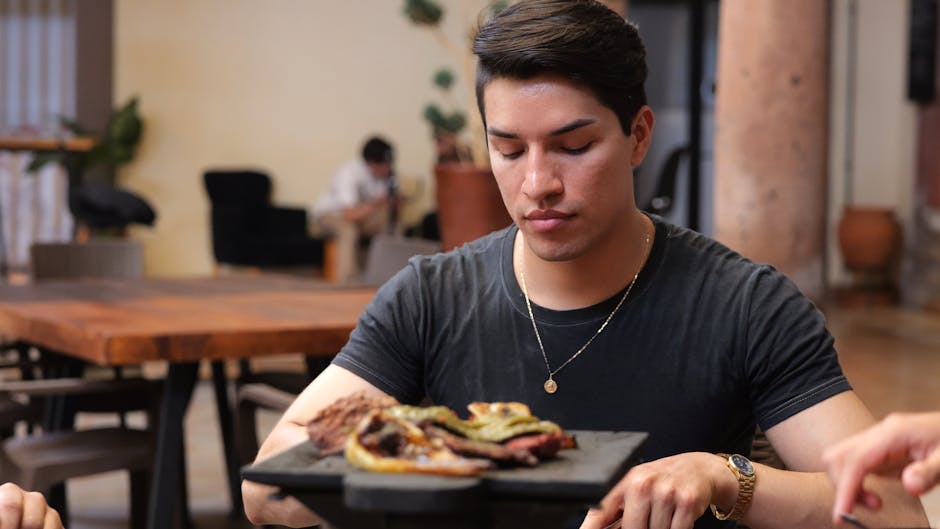
Chiles en Nogada (Puebla and Morelos)
This patriotic dish is a symbol of Mexican independence. Poblano chiles are stuffed with a mixture of ground meat, fruits, and spices, then topped with a creamy walnut sauce and pomegranate seeds. The colors—green, white, and red—mirror the Mexican flag.
Chiles en nogada are seasonal, typically available from July to September. They’re rich and slightly sweet, so they’re best shared. Look for them in traditional homes or festivals during Independence celebrations.
Fish Tacos (Baja California)
Baja-style fish tacos revolutionized Mexican seafood. Lightly battered and fried white fish—like cod or mahi-mahi—is served on corn tortillas with shredded cabbage, creamy sauce, and pico de gallo. They’re often accompanied by lime wedges and hot sauce.
Ensenada and Tijuana are the epicenters of this dish. The best versions use fresh, local catch and house-made sauces. Avoid overly greasy or soggy tacos—quality fish should be crisp and flaky.
Traditional Dishes with Deep Roots
Beyond street food and regional specialties, Mexico has a wealth of traditional dishes that reflect its indigenous and colonial past. These meals are often served in homes or at festivals, offering a deeper connection to Mexican culture.
Tamales
Tamales are steamed pockets of masa filled with meats, cheeses, or vegetables, wrapped in corn husks or banana leaves. They’re a staple during holidays like Día de la Candelaria and Christmas. Each region has its own version—Oaxaca is famous for its mole tamales, while Yucatán offers cochinita pibil tamales.
Making tamales is a labor-intensive process, often done communally. The masa should be light and fluffy, not dense. Unwrap carefully to avoid burning your fingers—the steam is intense.
Pozole
Pozole is a hearty soup made with hominy (dried corn kernels) and pork, simmered with chiles and spices. It’s traditionally served during celebrations and comes in red, green, or white varieties depending on the type of chile used.
Toppings include shredded cabbage, radishes, oregano, and lime. The broth is rich and comforting, perfect for cold evenings. In Guerrero and Jalisco, pozole is a weekend ritual. Eat it with tostadas on the side for extra crunch.
Cochinita Pibil (Yucatán)
Cochinita pibil is a Mayan specialty from the Yucatán Peninsula. Pork is marinated in achiote paste, sour orange juice, and spices, then wrapped in banana leaves and slow-roasted in a pit or oven. The result is tender, citrusy meat with a deep red color.
It’s commonly served in tacos or with pickled red onions and habanero salsa. The acidity cuts through the richness, creating a balanced bite. Visit Mérida or Valladolid for the most authentic versions.
Breakfast Favorites You Can’t Miss
Mexican breakfasts are hearty and flavorful, often featuring eggs, beans, and tortillas. They’re a great way to start the day, especially after a night of exploring.
Chilaquiles
Chilaquiles are made with fried tortilla chips simmered in salsa—red or green—and topped with crema, cheese, and onions. Eggs or shredded chicken are common additions. The dish is both comforting and customizable.
It’s a popular hangover cure and weekend brunch item. The key is balancing the salsa so the chips don’t get soggy. Serve immediately after cooking for the best texture.
Huevos Rancheros
Huevos rancheros feature fried eggs on lightly fried corn tortillas, covered in salsa and served with refried beans. The name means “rancher’s eggs,” reflecting its origins on rural farms.
The eggs should be runny, allowing the yolk to mix with the salsa. Pair with black beans and a side of avocado for a complete meal. Many cafes in Mexico City serve excellent versions.
Molletes
Molletes are open-faced sandwiches made with bolillo bread, refried beans, and melted cheese. They’re simple but satisfying, often served with pico de gallo on top.
Popular in central and northern Mexico, they’re a quick breakfast or snack. Look for versions with added chorizo or grilled onions for extra flavor.
Desserts and Sweet Treats
Mexican desserts are often less sweet than American counterparts, focusing on natural flavors and textures. Many incorporate ingredients like cinnamon, vanilla, and fruit.
Flan
Flan is a creamy caramel custard made with eggs, milk, and sugar. It’s smooth, rich, and slightly wobbly when served. The caramel sauce at the bottom adds a bittersweet contrast.
It’s widely available in restaurants and homes. Homemade versions are often richer than store-bought. Serve chilled for the best experience.
Churros
Churros are fried dough pastries dusted with cinnamon sugar. They’re crispy on the outside and soft inside, often filled with dulce de leche or chocolate. Street vendors sell them fresh and hot.
Eat them immediately—they lose their crunch quickly. In Mexico City, Churrería El Moro is a historic spot known for its quality churros.
Arroz con Leche
Arroz con leche is a comforting rice pudding made with rice, milk, sugar, and cinnamon. It’s often flavored with lemon zest or raisins. The texture is creamy and slightly grainy.
It’s a common dessert at family gatherings and holidays. Some versions include a splash of rum or vanilla for depth. Serve warm or cold, depending on preference.
Drinks to Pair with Your Meal
No Mexican meal is complete without the right drink. From aguas frescas to traditional spirits, beverages play a key role in the dining experience.
Agua Fresca
Aguas frescas are light, non-alcoholic drinks made by blending fruits, grains, or seeds with water and sugar. Popular flavors include horchata (rice and cinnamon), jamaica (hibiscus), and tamarindo.
They’re refreshing and help balance spicy dishes. Sold at street carts and markets, they’re a great way to stay hydrated in the heat.
Mezcal
Mezcal is a smoky distilled spirit made from agave. Unlike tequila, which only uses blue agave, mezcal can be made from over 30 varieties. It’s often sipped neat, with a side of orange slices and sal de gusano (worm salt).
Oaxaca is the heart of mezcal production. Visit a palenque (distillery) to learn about the production process and taste different varieties. Sip slowly—it’s strong.
Michelada
A michelada is a beer cocktail made with lager, lime juice, assorted sauces (like Worcestershire and hot sauce), and spices. It’s served in a salt-rimmed glass and is both spicy and refreshing.
It’s a popular choice at beach bars and sports events. Customize the spice level to your taste. Some versions include clamato (clam-tomato juice) for a savory twist.
Tips for Food Travelers in Mexico
Exploring Mexican food safely and respectfully enhances your experience. Here are practical tips to keep in mind.
Choose Busy Stalls
High turnover means fresher ingredients. Look for vendors with long lines or lots of local customers. If a stall is empty, it might be a sign the food isn’t up to standard.
Watch Food Preparation
Observe how food is handled. Is the cook using gloves or utensils? Are raw and cooked foods separated? Cleanliness matters, especially with raw ingredients like ceviche.
Stay Hydrated and Mindful
Drink bottled or purified water to avoid stomach issues. Avoid ice in drinks unless you’re sure it’s made from safe water. Eat in moderation, especially with rich or spicy dishes.
Respect Local Customs
Meals are often social events. In some regions, it’s polite to greet the cook or wait to be seated. Tipping is appreciated but not always expected—10% is standard in restaurants.
FAQs
What are the most iconic Mexican dishes for first-time visitors?
Tacos al pastor, mole poblano, chiles en nogada, and fish tacos are must-tries. Each represents a different region and flavor profile, giving a well-rounded taste of Mexican cuisine.
Is Mexican food always spicy?
Not necessarily. While chiles are common, many dishes are mild. You can always ask for “sin picante” (without spice) or request sauces on the side.
Where can I find authentic Mexican food outside of Mexico?
Look for family-owned restaurants or markets with imported ingredients. Cities with large Mexican communities, like Los Angeles, Chicago, or Mexico City itself, offer the most authentic options.
Final Thoughts
For food travel lovers, Mexico offers an endless array of flavors, textures, and traditions. From bustling markets to quiet village kitchens, every meal is an opportunity to connect with culture and history. The top Mexican foods to try span regions, seasons, and occasions—each with its own story. Whether you’re savoring a smoky barbacoa or a sweet flan, the experience is as rich as the cuisine itself. Pack your appetite and explore with curiosity.