India Travel Guide: Best Cities, Culture and Travel Tips
India is a land of vibrant contrasts, where ancient traditions meet modern energy. From the snow-capped Himalayas to sun-kissed beaches in the south, this diverse nation offers unforgettable experiences for every traveler. Whether you’re drawn to historic forts, spiritual retreats, or bustling street markets, India delivers. This guide covers the best cities to visit, cultural insights, and practical travel tips to help you navigate your journey with confidence.
Top Cities to Visit in India
India’s cities each tell a unique story. Choosing where to go depends on your interests—history, food, spirituality, or adventure.
Delhi: The Historic Capital
Delhi blends Mughal grandeur with colonial architecture and modern urban life. Start at the Red Fort, a UNESCO World Heritage site built in the 17th century. Nearby, Jama Masjid offers panoramic views from its minarets.
Don’t miss Chandni Chowk, one of Asia’s busiest markets. Sample parathas at Paranthe Wali Gali or sip chai at a century-old stall. For a quieter experience, visit Humayun’s Tomb, a precursor to the Taj Mahal.
Mumbai: The City of Dreams
Mumbai pulses with energy. Begin at the Gateway of India, then take a ferry to Elephanta Caves, rock-cut temples dating back to the 5th century. The city’s film industry, Bollywood, draws fans worldwide.
Explore Colaba Causeway for souvenirs and street food. Try vada pav, a spicy potato fritter sandwich, from local vendors. Visit Marine Drive at sunset for a classic Mumbai moment.
Jaipur: The Pink City
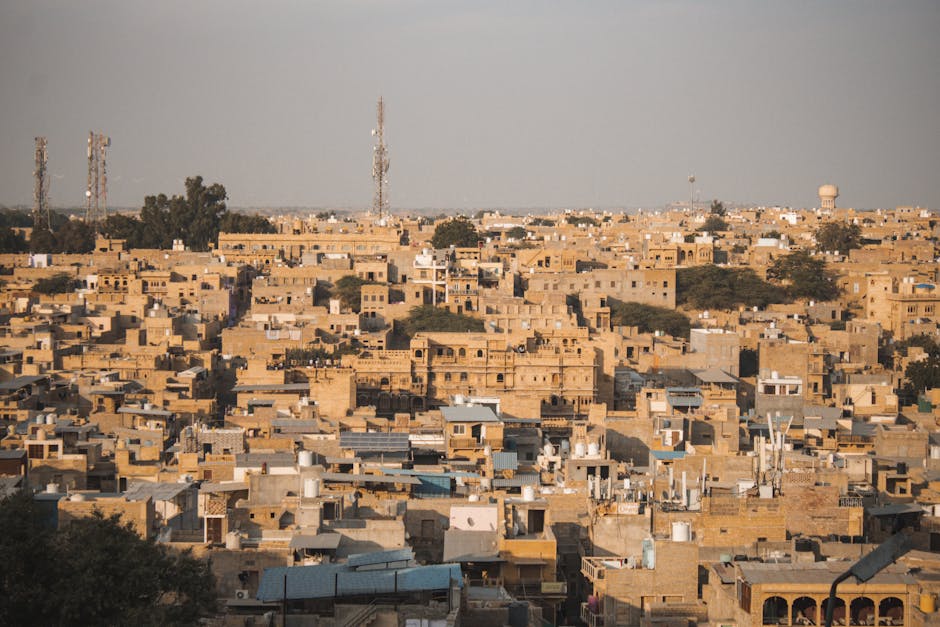
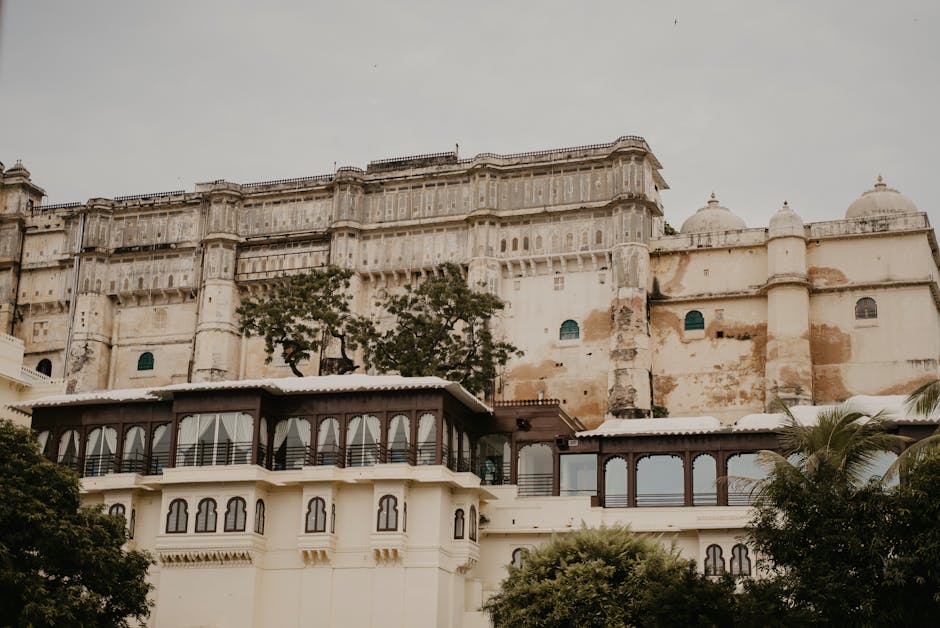
Jaipur, part of the Golden Triangle, is known for its pink-hued buildings and royal heritage. Amber Fort, set on a hilltop, features mirrored halls and elephant rides. City Palace offers a glimpse into royal life with museums and courtyards.
Shop for textiles, gemstones, and blue pottery in Johari Bazaar. The city’s forts and palaces reflect Rajput architecture, distinct from Mughal styles seen elsewhere.
Varanasi: The Spiritual Heart
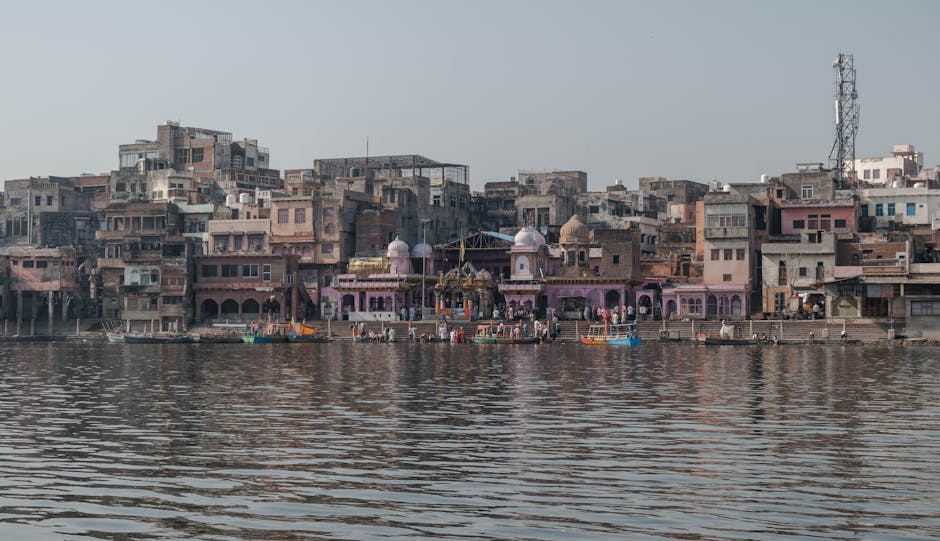
One of the world’s oldest continuously inhabited cities, Varanasi sits on the Ganges River. Early morning boat rides reveal ghats where pilgrims bathe and perform rituals. The evening Ganga Aarti at Dashashwamedh Ghat is a mesmerizing ceremony with fire and chanting.
Walk narrow lanes to find silk shops and chai stalls. Respect local customs—dress modestly and avoid photography during religious rites.
Kochi: Coastal Charm in the South
Kochi, in Kerala, blends Portuguese, Dutch, and British influences. Stroll along Fort Kochi’s waterfront, where Chinese fishing nets dot the shore. Visit Mattancherry Palace and the Jewish Synagogue in Jew Town.
Enjoy fresh seafood and appam with stew at local restaurants. A backwater cruise in Alleppey, a short drive away, offers a serene contrast to city life.
Understanding Indian Culture
India’s culture is shaped by thousands of years of history, religion, and regional diversity. Respecting local norms enhances your experience.
Religion and Festivals
Hinduism, Islam, Christianity, Sikhism, Buddhism, and Jainism all thrive here. Major festivals like Diwali, Holi, Eid, and Christmas are celebrated with enthusiasm.
During Holi, streets fill with colored powder and water. Diwali features oil lamps and fireworks. Check local calendars—timing varies by region and lunar cycles.
Social Etiquette
Greetings vary: a namaste with folded hands is widely accepted. Remove shoes before entering homes, temples, or some shops. Dress conservatively, especially in rural areas and religious sites.
Avoid public displays of affection. Pointing with feet or touching someone’s head is considered rude. Use your right hand for giving or receiving items.
Food and Dining
Indian cuisine differs dramatically by region. North Indian food features naan, biryani, and rich curries. South Indian meals center on rice, dosas, and coconut-based dishes.
Street food is delicious but choose busy stalls with high turnover. Stick to bottled water and avoid ice in drinks. Vegetarian options are plentiful, but confirm ingredients—some dishes use ghee or paneer.
Practical Travel Tips for India
A little preparation goes a long way. These tips help you stay safe, healthy, and stress-free.
When to Visit
The best time to visit most of India is between October and March. Temperatures are cooler, and skies are clear. Avoid summer (April–June) in the north and central regions, when heat can exceed 40°C.
Monsoon season (June–September) brings heavy rain, especially in Kerala and the Western Ghats. Some areas become inaccessible, but landscapes turn lush and green.
Getting Around
Domestic flights connect major cities efficiently. Book in advance for better prices. Trains are affordable and scenic—opt for AC classes for comfort. Use IRCTC’s official website or app to reserve tickets.
In cities, auto-rickshaws and app-based cabs like Ola and Uber are convenient. Agree on fares beforehand or insist on meters. Metro systems in Delhi, Mumbai, and Bangalore ease traffic congestion.
Health and Safety
Drink only bottled or filtered water. Avoid raw salads and unpeeled fruits. Carry hand sanitizer and wet wipes. Consult a doctor about vaccinations before travel.
Keep copies of your passport and visa. Avoid isolated areas at night. Women should dress modestly and stay alert in crowds. Scams exist—be cautious with unsolicited guides or “free” gifts.
Money and Communication
The Indian rupee (INR) is the local currency. ATMs are widely available. Credit cards are accepted in hotels and malls, but cash is king in markets and rural areas.
Purchase a local SIM card at the airport or authorized stores. Aadhaar verification may be required. Free Wi-Fi is common in cafes and hotels, but speeds vary.
What to Pack for Your Trip
Packing smart makes travel smoother. Include lightweight, breathable clothing in natural fabrics. A scarf or shawl doubles as a cover-up for temples.
Bring comfortable walking shoes, sunscreen, and a hat. A reusable water bottle with a filter is eco-friendly and practical. Don’t forget a universal adapter—India uses 230V and Type C, D, and M plugs.
Medications, copies of prescriptions, and a basic first-aid kit are essential. Pack a small daypack for excursions. Leave valuables at home.
Sustainable and Responsible Travel
Travelers can reduce their impact. Support local businesses—buy handicrafts directly from artisans. Avoid single-use plastics; many cities now ban plastic bags.
Respect wildlife. Avoid elephant rides and venues that exploit animals. Choose eco-friendly accommodations when possible. Learn a few Hindi phrases—effort is appreciated.
Final Thoughts
India rewards the curious and open-minded. Its cities buzz with life, its culture runs deep, and its people are famously hospitable. With thoughtful planning, your trip can be both enriching and smooth.
Use this India travel guide to shape your itinerary, but leave room for spontaneity. Some of the best moments happen off the map—shared chai with a local, a hidden temple, or a sunrise over the desert.
FAQ
Is India safe for solo travelers?
Yes, many solo travelers visit India safely. Stick to well-lit areas, avoid night travel in rural regions, and share your itinerary with someone. Women may prefer female-only train compartments and accommodations.
Do I need a visa to visit India?
Most travelers need a visa. Apply online for an e-Visa, which is valid for tourism, business, or medical visits. Processing takes a few days. Check the official Indian government website for current requirements.
What’s the best way to experience Indian culture?
Immerse yourself. Attend a local festival, take a cooking class, or stay in a heritage homestay. Engage respectfully with communities, ask permission before photographing people, and listen more than you speak.