
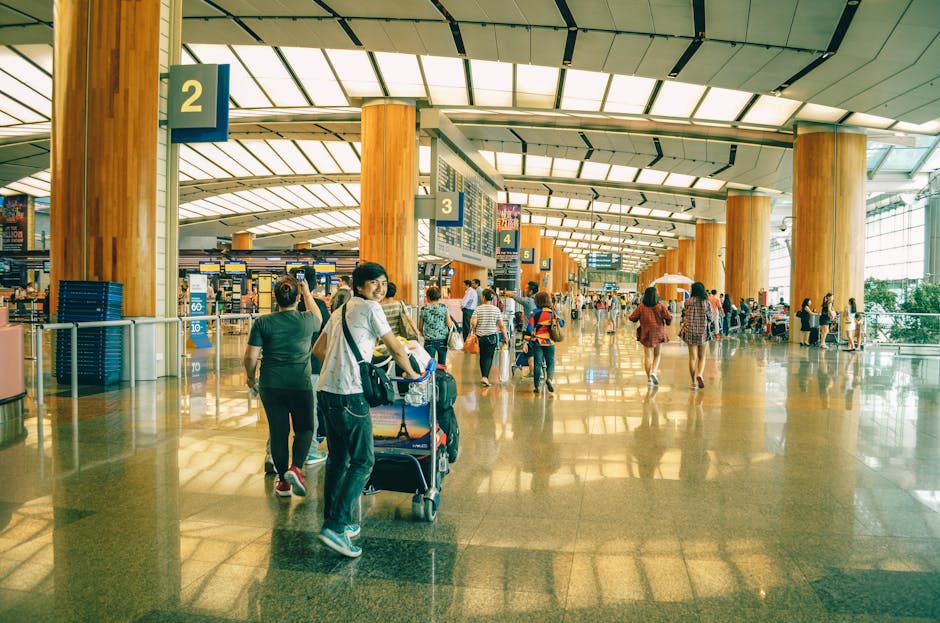
Best Travel Tips for Stress-Free Airport Experiences
Air travel doesn’t have to be stressful. With smart planning and a few proven strategies, you can breeze through security, avoid common pitfalls, and enjoy a smoother journey from curb to gate. Whether you’re a frequent flyer or taking a rare trip, these practical tips will help you reduce anxiety, save time, and keep your travel experience as relaxed as possible.
From packing efficiently to knowing what to expect at each checkpoint, small adjustments make a big difference. This guide covers everything you need to know—before you leave home, at the airport, and even after you land—to ensure your next flight is as smooth as possible.
Prepare Before You Leave Home
Most airport stress starts long before you arrive at the terminal. A few simple steps at home can prevent headaches later.
Check Your Documents Early
Verify your passport, visa, and boarding pass at least 24 hours before departure. Make digital copies and store them in a secure cloud folder. If traveling internationally, confirm entry requirements for your destination—some countries require passports valid for six months beyond your return date.
Print a backup boarding pass or save it to your phone’s wallet app. Many airlines now offer mobile passes, but having a printed copy can be a lifesaver if your phone dies or the gate agent’s scanner malfunctions.
Pack Smart to Avoid Delays
Overpacking leads to overweight bags, last-minute repacking, and missed flights. Stick to a carry-on whenever possible. Most domestic flights allow one personal item and one standard carry-on bag—check your airline’s size and weight limits in advance.
Use packing cubes to organize clothes and compress bulky items. Roll garments instead of folding to save space and reduce wrinkles. Keep essentials like medications, chargers, and a change of clothes in your personal item in case your checked bag is delayed.
Know the Liquid Rules
The TSA 3-1-1 rule applies to all U.S. airports: liquids must be in containers no larger than 3.4 ounces (100ml), all fit in one quart-sized clear plastic bag, and each passenger is limited to one bag. This includes toothpaste, shampoo, and even hand sanitizer.
To avoid surprises, use travel-sized containers or buy toiletries at your destination. If you’re flying internationally, research the rules for your departure and arrival countries—some nations have stricter limits.
Arrive at the Airport with Confidence
Timing is everything. Arriving too early wastes time; arriving too late risks missing your flight. Most airlines recommend arriving two hours before domestic flights and three hours before international departures.
Use airport apps or websites to check real-time wait times at security. Some airports, like Atlanta’s Hartsfield-Jackson or Chicago O’Hare, have live security line updates on digital displays or mobile apps. If you’re traveling during peak times—early mornings, holidays, or summer weekends—add an extra 30 minutes to your buffer.
Choose the Right Security Lane
Not all TSA lines are created equal. Look for the TSA PreCheck lane if you’re enrolled—it allows you to keep shoes, belts, and light jackets on, and leave laptops and liquids in your bag. Even without PreCheck, some airports offer “standard” lanes with shorter waits during off-peak hours.
If you’re traveling with children or elderly passengers, ask about family or accessible lanes. These are often less crowded and staffed with agents trained to assist travelers with special needs.
Wear Airport-Friendly Clothing
Your outfit can speed up or slow down your security experience. Avoid belts, metal jewelry, and shoes that are hard to remove. Slip-on shoes, compression socks, and layered clothing make the process faster and more comfortable.
Wear a lightweight jacket or cardigan—airports can be chilly, and you’ll appreciate the extra layer while waiting at the gate. Choose wrinkle-resistant fabrics to look fresh upon arrival.
Navigate the Terminal Like a Pro
Once you’re through security, your focus shifts to comfort and efficiency. A little planning here can make layovers enjoyable instead of exhausting.
Find Your Gate Early
Don’t wait until the last minute to locate your gate. Airport maps are available online and on apps like GateGuru or the airline’s own platform. Some terminals are massive—Denver International spans over 50 gates across three concourses.
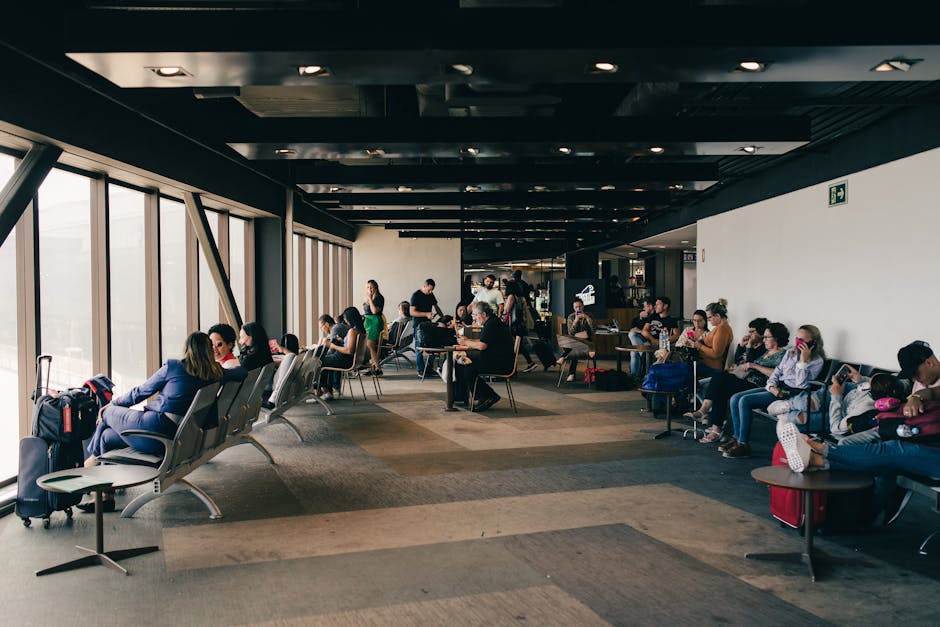
Once you find your gate, note nearby restrooms, food options, and charging stations. If your flight is delayed, you’ll know exactly where to go without scrambling.
Stay Charged and Connected
Power outlets are scarce in many terminals. Bring a portable charger with at least 10,000mAh capacity to keep your phone alive. Look for charging stations near gates or in lounges—some airports now offer wireless charging pads.
Free Wi-Fi is common, but speeds vary. Download boarding passes, maps, and entertainment before you go. If you need faster internet, consider purchasing a day pass from providers like Boingo or your airline’s lounge network.
Eat and Drink Strategically
Airport food is expensive and often unhealthy. Pack snacks like nuts, protein bars, or fruit to avoid overpriced meals. Bring an empty water bottle and fill it after security—most airports have water refill stations.
If you do buy food, choose options with protein and fiber to stay full longer. Avoid heavy, greasy meals that can make you sluggish during your flight.
Handle Delays and Cancellations Gracefully
Even the best-laid plans can go awry. Flights get delayed or canceled due to weather, mechanical issues, or air traffic. Knowing your rights and options helps you respond calmly.
Monitor Flight Status in Real Time
Use your airline’s app or websites like FlightAware to track your flight. Enable push notifications for gate changes, delays, or cancellations. If your flight is delayed, check if you’re eligible for compensation—some airlines offer meal vouchers or hotel stays for long delays.
If your flight is canceled, don’t wait in line at the counter. Call the airline’s customer service or use the app to rebook. Many carriers now allow self-service rebooking, which is faster than waiting for an agent.
Know Your Passenger Rights
In the U.S., airlines aren’t required to compensate passengers for delays or cancellations, but they must refund your ticket if you choose not to fly. In the EU, passengers are entitled to compensation for long delays or cancellations under Regulation 261, depending on the cause and flight distance.
Keep all receipts for meals, transportation, or lodging if your delay is airline-caused. You may be able to submit a claim later. Always ask for written confirmation of any compensation or rebooking offer.
Make the Most of Layovers
A layover doesn’t have to be a waste of time. With a little creativity, you can turn it into a mini-adventure or a productive break.
Explore the Airport
Some airports are destinations in themselves. San Francisco International has a yoga room and a museum. Dallas/Fort Worth features art installations and a golf course. Miami International offers a casino and live music.
Check the airport’s website for amenities. Many have free walking tours, quiet zones, or even nap pods. If you have four or more hours, consider leaving the airport—some cities offer free shuttle services to nearby attractions.
Use Lounge Access Wisely
Airline lounges offer quiet seating, free food, and faster Wi-Fi. If you’re a frequent traveler, consider investing in a lounge membership like Priority Pass or an airline-specific pass.
Even without a membership, you might gain access with a premium credit card or by purchasing a day pass. Lounges are especially valuable during long layovers or delays.
Stay Healthy and Comfortable Onboard
The flight itself is part of the airport experience. Staying comfortable and healthy in the air helps you arrive refreshed.
Hydrate and Move
Cabin air is dry, which can lead to dehydration. Drink water regularly and avoid alcohol and caffeine, which worsen dehydration. Use a hydrating facial mist or moisturizer to keep your skin comfortable.
Stand up and walk every hour on long flights to improve circulation and reduce the risk of blood clots. Simple stretches in your seat can also help—ankle rolls, shoulder shrugs, and neck turns keep muscles loose.
Bring Comfort Items
Pack a travel pillow, eye mask, and noise-canceling headphones. These small items make a big difference on overnight or long-haul flights. Wear compression socks to reduce swelling and improve blood flow.
If you’re sensitive to light or sound, consider bringing earplugs or a sleep mask. Some travelers swear by herbal teas or melatonin to encourage rest, but consult your doctor before using supplements.
After Landing: Smooth Transitions
Your journey isn’t over when the plane lands. A few final steps ensure a seamless arrival.
Retrieve Baggage Efficiently
Listen for baggage claim announcements and check the monitors for your carousel number. Most airlines post this information within 15 minutes of landing. If your bag is delayed, report it immediately at the baggage service office.
Use a brightly colored luggage tag or ribbon to make your bag easy to spot. Take a photo of your suitcase before checking it—this helps identify it if it’s misplaced.
Exit the Airport with Ease
Know your ground transportation options in advance. Research rideshare pickup zones, public transit routes, or rental car shuttles. Some airports have dedicated areas for Uber and Lyft, which can be far from the terminal.
If you’re using public transit, download the local transit app and check schedules. In cities like New York or London, trains are often faster and cheaper than taxis.
Final Thoughts
Stress-free airport experiences start with preparation and end with flexibility. By planning ahead, packing wisely, and staying informed, you can transform a chaotic journey into a smooth, even enjoyable, part of your trip.
Remember, no system is perfect—delays happen, bags get lost, and plans change. But with the right mindset and these practical strategies, you’ll be ready for whatever comes your way. Travel smarter, not harder, and focus on the destination, not the detours.
FAQ
How early should I arrive at the airport for an international flight?
Arrive at least three hours before your international departure. This allows time for check-in, security, and potential delays at customs or immigration.
Can I bring snacks through airport security?
Yes, solid food items like sandwiches, fruit, and granola bars are allowed in carry-on bags. Avoid liquids or gels over 3.4 ounces, such as yogurt or peanut butter in large containers.
What should I do if my flight is canceled?
Contact your airline immediately via app, phone, or customer service desk. Request rebooking on the next available flight and ask about compensation or accommodations if the delay is significant.
Related keywords: Best Travel Tips for Stress Free Airport Experiences.