Best Nature Travel Experiences for Every Traveler
Whether you’re drawn to misty mountain peaks, quiet forest trails, or vibrant coastal ecosystems, the best nature travel experiences cater to every kind of adventurer. From solo backpackers to families seeking gentle hikes, nature offers something restorative and awe-inspiring for all. This guide highlights diverse destinations and activities that connect travelers with the natural world—without requiring extreme fitness or technical skills. You’ll find practical options across continents, climates, and comfort levels.
Why Nature Travel Matters
Spending time in nature reduces stress, improves mental clarity, and boosts physical health. Studies consistently show that even short visits to green spaces can lower cortisol levels and increase feelings of well-being. Unlike urban tourism, nature-based trips encourage mindfulness and presence.
Beyond personal benefits, responsible nature travel supports conservation and local communities. Many protected areas rely on visitor fees to fund wildlife protection and trail maintenance. Choosing eco-conscious operators ensures your trip contributes positively.
Top Nature Travel Experiences by Interest
For Wildlife Enthusiasts
If spotting rare animals is your priority, consider a guided safari in Kenya’s Maasai Mara. The annual wildebeest migration draws thousands of predators and grazers across the savanna. Early morning game drives offer the best visibility and cooler temperatures.
In Costa Rica, Corcovado National Park delivers unmatched biodiversity. Trails wind through primary rainforest where scarlet macaws, tapirs, and jaguars roam. Hire a local guide—they’ll spot creatures you’d otherwise miss and share insights about medicinal plants and ecosystem balance.
For Hikers and Trail Lovers
The Inca Trail to Machu Picchu remains one of the world’s most iconic hikes. Permits are required and limited, so book months in advance. The four-day trek crosses high-altitude passes and ends at sunrise over the ancient citadel—a moment that justifies the effort.
For something less crowded, try New Zealand’s Abel Tasman Coast Track. This well-maintained trail hugs golden beaches and turquoise bays. You can walk sections as day hikes or complete the full loop with water taxis linking segments.
For Water-Based Adventures
Snorkeling in Australia’s Great Barrier Reef offers encounters with clownfish, sea turtles, and coral gardens. Choose operators certified by the Australian Tourism Industry Council to minimize environmental impact. Avoid touching reefs—even brief contact can damage delicate coral polyps.
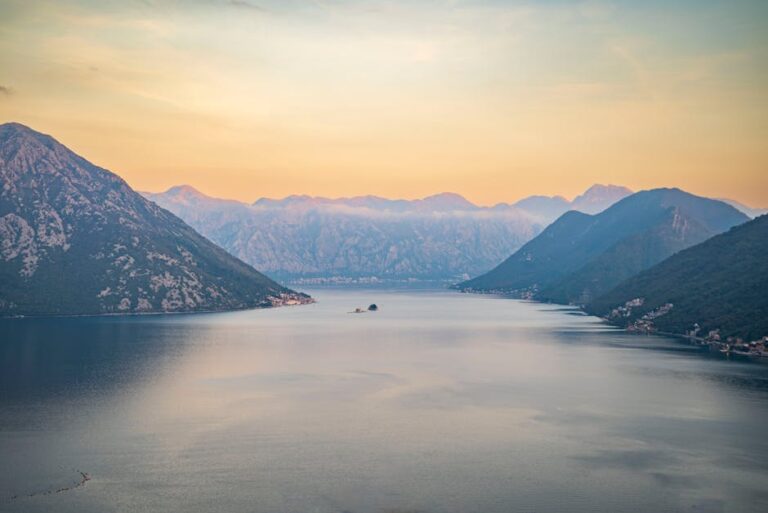
Kayaking through Norway’s fjords combines calm waters with dramatic cliffs. The Nærøyfjord, a UNESCO site, is narrow enough to paddle alongside waterfalls and abandoned farms. Summer months provide long daylight hours, ideal for slow exploration.
For Families and Beginners
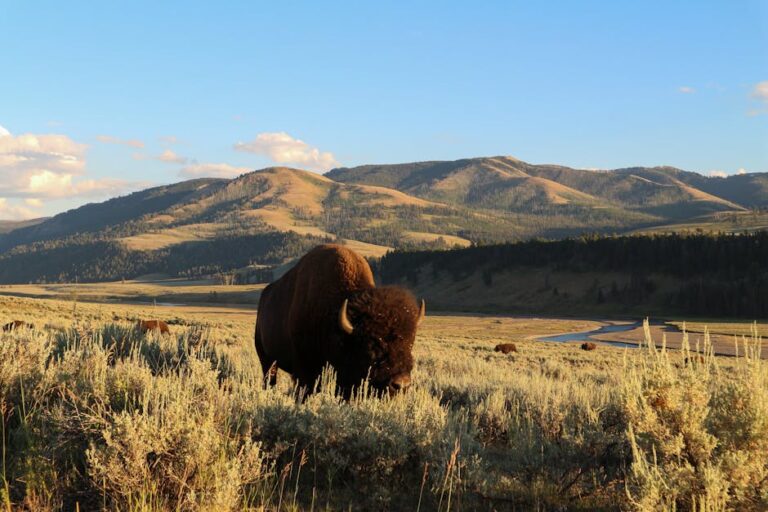
Yellowstone National Park delivers accessible geysers, hot springs, and wildlife within paved roads and boardwalks. Old Faithful erupts predictably, making it a reliable highlight for kids. Ranger-led programs teach geology and animal behavior in engaging ways.
In Japan, the Yakushima Island trails offer moss-covered forests and ancient cedar trees. The Yakusugi Land route is flat and stroller-friendly, leading to photogenic groves without steep climbs. Pack rain gear—the island receives heavy rainfall year-round.

How to Choose the Right Nature Experience
Start by assessing your fitness level and travel style. A multi-day trek demands endurance, while a wildlife cruise suits those preferring comfort. Be honest about your limits—overestimating can lead to injury or disappointment.
Research seasonal conditions. The Amazon is best visited during the dry season (June–November) when trails are passable and mosquitoes fewer. In contrast, Patagonia’s summer (December–February) offers milder weather but larger crowds.
Prioritize safety and sustainability. Check if guides are licensed and whether accommodations follow Leave No Trace principles. Avoid tours that feed wildlife or allow close contact with animals—these often harm ecosystems.
Essential Tips for Responsible Nature Travel
Pack reusable water bottles, utensils, and containers to reduce plastic waste. Many parks now ban single-use plastics, so come prepared. Bring a lightweight daypack with rain cover—weather changes quickly in natural settings.
Stay on marked trails to prevent soil erosion and protect plant life. Straying off-path can trample fragile vegetation and disturb nesting animals. If a trail is closed, respect the closure—it’s likely for ecological restoration.
Learn basic local customs and language phrases. In Bhutan, for example, pointing your feet toward sacred objects is considered disrespectful. Simple gestures build goodwill and deepen cultural connections.
Packing Essentials for Nature Trips
Layered clothing works best for variable conditions. Moisture-wicking base layers, insulating mid-layers, and waterproof outer shells adapt to temperature shifts. Avoid cotton—it retains moisture and slows drying.
Footwear matters. Sturdy hiking boots with ankle support prevent sprains on uneven terrain. Break them in before your trip to avoid blisters. For water activities, neoprene shoes protect against sharp rocks and hot sand.
Don’t forget sun protection. Wide-brimmed hats, UV-blocking sunglasses, and reef-safe sunscreen shield against intense exposure. High-altitude and tropical destinations amplify UV risk.
Budget-Friendly Nature Destinations
Portugal’s Peneda-Gerês National Park offers free entry and scenic hikes through granite peaks and Roman roads. Public buses connect major towns, and mountain refuges provide affordable lodging with shared facilities.
In the U.S., Great Smoky Mountains National Park has no entrance fee and over 800 miles of trails. Cades Cove loop road is perfect for wildlife viewing by car or bike. Campgrounds fill quickly in summer—reserve early.
Ecuador’s Cajas National Park near Cuenca features glacial lakes and paramo grasslands. Entry costs under $5, and local buses make access easy. Bring layers—temperatures drop sharply at 4,000 meters.

Luxury Nature Escapes
For those seeking comfort without sacrificing immersion, consider a tented camp in Botswana’s Okavango Delta. Solar-powered lodges offer private decks overlooking floodplains, with guided mokoro (canoe) excursions at dawn.
In Iceland, the Retreat at Blue Lagoon combines geothermal spa access with minimalist design. Soak in mineral-rich waters while lava fields stretch to the horizon. Book the private lagoon for uninterrupted serenity.
New Zealand’s luxury lodges, like The Lindis, sit in remote valleys with floor-to-ceiling windows framing alpine views. Gourmet meals feature local lamb and seafood, paired with regional wines.
Seasonal Considerations for Nature Travel
Spring brings wildflower blooms in California’s Anza-Borrego Desert and bird migrations in Canada’s Point Pelee. Trails are less crowded, but flash floods can occur after rains—check forecasts before heading out.
Summer offers long days in Scandinavia and Alaska, ideal for midnight sun hikes. However, insect activity peaks—pack DEET-free repellents safe for sensitive skin and environments.
Autumn transforms New England’s forests into fiery displays. Peak foliage varies yearly, so monitor state tourism sites for real-time updates. Book accommodations early; leaf-peeping draws large crowds.
Winter opens unique opportunities: northern lights in Lapland, snowshoeing in Colorado’s San Juan Mountains, or whale watching in Mexico’s Baja Peninsula. Dress warmly and verify road conditions—some high-elevation passes close seasonally.
Solo Travelers and Nature Safety
Solo travel in nature requires extra planning. Share your itinerary with someone reliable and check in regularly. Satellite communicators like Garmin inReach provide emergency signaling where cell service fails.
Stick to popular trails with regular foot traffic. Isolated areas increase risk if you encounter injury or wildlife. Carry a basic first-aid kit and know how to use it.
Trust your instincts. If a situation feels unsafe—whether due to weather, terrain, or people—turn back. Nature rewards patience, not recklessness.
Family-Friendly Nature Activities
Look for parks with junior ranger programs. These free activities teach kids about local ecology through games and crafts. Completing the booklet often earns a badge—a fun souvenir that encourages learning.
Choose trails under 3 miles with minimal elevation gain. Bring snacks, water, and extra clothes. Frequent breaks prevent fatigue and keep morale high.

Nighttime stargazing enhances any trip. Download free astronomy apps to identify constellations. In dark-sky preserves like Utah’s Bryce Canyon, the Milky Way is vividly visible.
Photography Tips for Nature Scenes
Golden hour—just after sunrise and before sunset—delivers soft, warm light ideal for landscapes. Avoid midday sun, which creates harsh shadows and washed-out colors.
Use a polarizing filter to reduce glare on water and enhance sky contrast. For wildlife, a telephoto lens lets you capture detail without disturbing animals.
Respect ethical boundaries. Never bait animals or trample vegetation for a better shot. Patience yields more authentic images than intrusion.
Eco-Friendly Transportation Options
Trains often provide scenic, low-emission access to nature areas. Switzerland’s Glacier Express winds through the Alps with panoramic windows. Japan’s rail passes cover national parks efficiently.
When flying is necessary, choose direct flights to reduce carbon output. Offset emissions through verified programs like Gold Standard or Cool Effect.
Within destinations, walk, bike, or use electric shuttles. Many parks now offer EV charging stations and bike rentals at entrances.
Final Thoughts on Nature Travel
The best nature travel experiences aren’t defined by luxury or difficulty—they’re measured by connection. Whether you’re watching a glacier calve in Alaska or listening to howler monkeys in Costa Rica, these moments remind us of Earth’s fragility and beauty.
Start small if you’re new to outdoor travel. A weekend hike or local state park visit builds confidence and appreciation. As you grow more comfortable, expand your horizons—but always prioritize respect for the environment.
Nature rewards those who approach it with curiosity and care. With thoughtful planning, every traveler can find an experience that renews the spirit and deepens their bond with the natural world.
FAQ
What’s the easiest way to start nature travel as a beginner?
Begin with day hikes in nearby parks or nature reserves. Choose well-marked trails under 5 miles with minimal elevation. Bring water, snacks, and a map—even if using GPS. Gradually increase distance and difficulty as your fitness improves.
How can I minimize my environmental impact while traveling?
Follow Leave No Trace principles: pack out all trash, stay on trails, and avoid single-use plastics. Support eco-certified tour operators and accommodations. Use public transport or carpool when possible, and offset flight emissions through reputable programs.
Are guided tours worth it for nature experiences?
Yes, especially in unfamiliar or sensitive environments. Local guides enhance safety, provide ecological knowledge, and often support conservation efforts. They can also access restricted areas or hidden spots unavailable to independent travelers.