Best Adventure Travel Experiences for Weekend Getaways
Looking for quick escapes that deliver real adventure? The best adventure travel experiences for weekend getaways combine accessibility, excitement, and natural beauty—all within a two- to three-day window. Whether you’re hiking mountain trails, kayaking coastal waters, or exploring hidden caves, these trips prove you don’t need weeks off to recharge. With smart planning, even a short break can feel like a full expedition. Below, we highlight top destinations and activities that maximize limited time without sacrificing thrill or authenticity.
Why Weekend Adventure Trips Are Worth It
Weekend getaways offer more than just a change of scenery—they provide mental reset, physical activity, and a break from routine. Research shows that short, frequent nature exposures reduce stress and boost creativity. Unlike long vacations, weekend trips require minimal planning and budget, making them ideal for busy professionals, parents, or students.
Adventure travel doesn’t require extreme sports or remote locations. It’s about engaging deeply with your environment. A sunrise hike, a river paddle, or a forest camping trip can deliver the same sense of discovery as a week-long trek. The key is choosing experiences that match your fitness level and time constraints.
Top Destinations for Quick Adventure Escapes
1. Shenandoah National Park, Virginia
Just two hours from Washington, D.C., Shenandoah offers over 500 miles of trails, including a 100-mile stretch of the Appalachian Trail. Skyline Drive runs the park’s length, offering panoramic views and easy access to trailheads. Hike to Old Rag Mountain for a challenging scramble or enjoy a gentle walk to Dark Hollow Falls.
Wildlife sightings—deer, black bears, and songbirds—are common. Camp at Big Meadows or stay in a nearby cabin. Pack layers: weather changes quickly at elevation. Avoid weekends in peak fall foliage season unless you book lodging months ahead.
2. Moab, Utah
Moab is a magnet for outdoor enthusiasts, thanks to Arches and Canyonlands National Parks. In one weekend, you can hike to Delicate Arch, bike the Slickrock Trail, or raft the Colorado River. Rent a 4×4 for off-road adventures or join a guided canyoneering tour.
Start early to beat crowds and heat. Summer temperatures exceed 100°F—spring and fall are ideal. Book permits for popular hikes like Fiery Furnace in advance. Moab’s compact downtown has gear shops, cafes, and bike rentals, making logistics simple.
3. Big Sur, California
Big Sur blends coastal drama with redwood serenity. Hike the Ewoldsen Trail for ocean views, explore McWay Falls at Julia Pfeiffer Burns State Park, or kayak beneath Bixby Bridge. The area’s winding Highway 1 means drive times add up—plan your route carefully.
Book accommodations early; lodges and campgrounds fill quickly. Cell service is spotty, so download maps offline. Pack for microclimates: fog rolls in fast, and inland trails can be much warmer than the coast.
4. Adirondack Mountains, New York
The Adirondacks offer 6 million acres of forests, lakes, and peaks. Climb Mount Marcy, the state’s highest summit, or paddle Lake George in a rented canoe. Winter brings snowshoeing and ice climbing; summer is perfect for swimming and rock climbing.
Use the village of Lake Placid as a base—it has gear rentals, cafes, and shuttle services. Backcountry camping requires a permit, but lean-tos and cabins offer rustic comfort. Avoid holiday weekends for quieter trails.
5. Olympic National Park, Washington
Olympic packs rainforests, mountains, and coastline into one park. Hike the Hoh Rain Forest, surf at Rialto Beach, or summit Mount Storm King. The park’s diversity means you can experience three ecosystems in one trip.
Rain is common—pack waterproof gear. Some roads close in winter, so check conditions. Stay in Port Angeles or Forks for easy access. The Hurricane Ridge area offers stunning views and is less crowded than coastal zones.
Types of Adventure Activities You Can Do in 48 Hours
Hiking and Backpacking
Day hikes are the most accessible adventure option. Choose trails under 10 miles with clear markers. For overnight trips, consider loop hikes or out-and-back routes with established campsites. Always carry a map, water filter, and emergency shelter.
Popular weekend hikes include Angels Landing (Zion), Half Dome (Yosemite—permit required), and the Grand Canyon’s South Kaibab Trail. Start before dawn to avoid heat and crowds. Tell someone your route and expected return time.
Water-Based Adventures
Kayaking, paddleboarding, and whitewater rafting offer unique perspectives. Coastal kayaking in places like Maine’s Acadia or Florida’s Everglades lets you explore hidden coves and wildlife. Flatwater paddling on lakes or slow rivers is beginner-friendly.
Rent gear locally to save on transport. Check water conditions: tides, currents, and weather can change rapidly. Wear a life jacket—even strong swimmers drown in cold or rough water. Join a guided tour if you’re new to the activity.
Cycling and Mountain Biking
Road cycling routes like Virginia’s Blue Ridge Parkway or California’s Pacific Coast Highway offer scenic, low-impact adventure. Mountain biking trails range from gentle forest paths to technical descents. Moab, Park City, and Bentonville are top bike hubs.
Bring a repair kit, helmet, and spare tube. Check trail difficulty ratings—many parks use a green/blue/black diamond system. Avoid biking in thunderstorms or high winds. Hydrate frequently, even on cool days.
Rock Climbing and Bouldering
Indoor gyms offer weekend clinics, but outdoor climbing delivers the real thrill. Joshua Tree, Red River Gorge, and Bishop are iconic destinations. Top-rope climbing is safest for beginners; bouldering requires crash pads and spotters.
Take a lesson from a certified guide. Never climb alone. Check gear for wear—especially ropes and harnesses. Respect local ethics: some areas ban bolting or require permits.
Camping and Stargazing
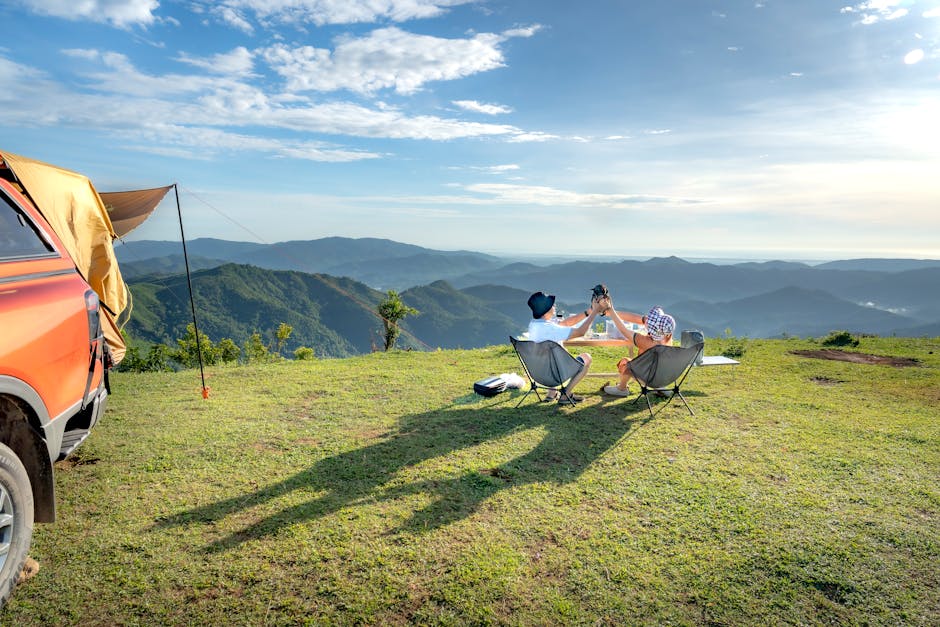
Backcountry camping immerses you in nature. Dispersed camping (free, undeveloped sites) is allowed in many national forests. Pack a lightweight tent, sleeping pad, and bear canister if required. Practice Leave No Trace principles.
Dark sky parks like Big Bend or Great Basin offer incredible stargazing. Bring a star map app and red-light flashlight. Avoid full moon weekends for better visibility. Check fire regulations—many areas ban open flames during dry seasons.
How to Plan a Successful Weekend Adventure Trip
Step 1: Define Your Adventure Style
Ask: Do you prefer solitude or group activities? Physical challenge or relaxed exploration? Solitude seekers might choose remote trails; social travelers may prefer guided tours or campgrounds with amenities.
Match activities to your fitness level. A 10-mile hike isn’t feasible if you haven’t trained. Start small—try a 3-mile trail with elevation gain under 500 feet. Build confidence before tackling harder routes.
Step 2: Choose the Right Destination
Prioritize proximity. Aim for destinations within a 3- to 4-hour drive to maximize time on-site. Use apps like AllTrails or Recreation.gov to compare options. Look for parks with multiple activities—hiking, swimming, and wildlife viewing—to keep options open.
Check seasonal conditions. Waterfalls peak in spring; fall offers foliage. Winter limits access but opens snow sports. Avoid hurricane or wildfire seasons in vulnerable regions.
Step 3: Book Accommodations Early
National park lodges and campgrounds fill months ahead. Reserve through official sites like recreation.gov. For flexibility, consider nearby towns with motels, cabins, or Airbnb options. Some parks offer first-come, first-served sites—arrive early.
Backcountry permits are often lottery-based. Apply early for popular areas like Yosemite or the Grand Canyon. Dispersed camping is free but lacks facilities—plan accordingly.
Step 4: Pack Smart
Use a checklist: navigation tools, first aid kit, headlamp, food, water, clothing layers, and sun protection. Pack light—every ounce counts on long hikes. Test gear before leaving home.
Bring a portable charger and offline maps. Download weather apps and trail guides. Leave expensive jewelry and unnecessary electronics behind. Share your itinerary with a contact.
Step 5: Travel Responsibly
Follow Leave No Trace principles: pack out trash, stay on trails, and respect wildlife. Avoid loud music and drones in natural areas. Support local economies by buying from small shops and guides.
Be prepared for emergencies. Carry a whistle, space blanket, and basic medical supplies. Know the signs of hypothermia, heat exhaustion, and altitude sickness. If lost, stop, stay calm, and signal for help.
Safety Tips for Short-Term Adventure Travel
Even short trips carry risks. Weather can shift rapidly in mountains or deserts. Always check forecasts and trail conditions before departing. Inform someone of your plans and expected return.
Carry a personal locator beacon (PLB) or satellite messenger in remote areas. Cell service is unreliable in national parks. Know basic first aid and how to signal for help. Avoid alcohol before or during activities.
Respect wildlife. Store food properly and maintain distance. Never feed animals. In bear country, carry bear spray and know how to use it. On water, wear a life jacket and check for hazards like rocks or strainers.
Budgeting for Weekend Adventure Trips
Weekend adventures can be affordable. Camping costs $10–$30 per night; public lands often offer free dispersed sites. Gas, food, and gear rentals are the main expenses. Cook your own meals to save money.
Buy used gear or rent from local outfitters. Many parks offer free entry days. Travel midweek for cheaper lodging and fewer crowds. Share costs with friends—carpooling and splitting cabin fees reduce individual expenses.
Invest in quality footwear and a good backpack—these make or break comfort. Avoid impulse buys on specialized gear unless you’ll use it regularly. Prioritize safety over luxury.
Making the Most of Your Time
Leave early Friday evening or Saturday morning to maximize daylight. Use travel time wisely—listen to audiobooks or podcasts. Arrive at your destination with a clear plan but remain flexible.
Prioritize one or two main activities per trip. Trying to do too much leads to burnout. Build in downtime: sit by a lake, journal, or nap under a tree. Adventure isn’t just about exertion—it’s about presence.
Document your trip with photos or a travel journal. Reflect on what worked and what didn’t. Use insights to improve future trips. Share experiences with friends to inspire their own adventures.
Final Thoughts
The best adventure travel experiences for weekend getaways prove that meaningful exploration doesn’t require extensive time or resources. With thoughtful planning, anyone can escape the ordinary and reconnect with nature. Whether you’re scaling a peak, paddling a river, or sleeping under the stars, these short trips offer lasting rewards.
Start small, stay safe, and choose experiences that align with your interests. The goal isn’t to check off bucket-list items but to return refreshed and inspired. Adventure is closer than you think—often just a few hours away.
FAQ
Q: How far in advance should I book a weekend adventure trip?
A: Book lodging and permits 2–6 months ahead, especially for popular parks like Yosemite or Zion. For less crowded areas, 2–4 weeks may suffice.
Q: What’s the best way to stay safe on a short outdoor trip?
A: Share your itinerary, carry emergency gear, check weather forecasts, and stick to marked trails. Avoid risky behavior like climbing without proper training.
Q: Can I do adventure travel on a tight budget?
A: Yes. Camp instead of staying in hotels, cook your own meals, and use free public lands. Rent gear or borrow from friends to reduce costs.