Best Adventure Travel Destinations for Hiking Enthusiasts
For hiking enthusiasts seeking unforgettable trails and breathtaking scenery, the world offers a wealth of adventure travel destinations. Whether you’re drawn to rugged mountain peaks, ancient forest paths, or high-altitude plateaus, these locations deliver challenging routes and immersive natural experiences. From the iconic Inca Trail in Peru to the remote trails of New Zealand’s South Island, each destination combines physical challenge with cultural richness and ecological diversity. This guide highlights the best adventure travel destinations for hiking enthusiasts, offering practical insights to help you choose your next trek with confidence.
Why Adventure Travel Appeals to Hikers
Adventure travel goes beyond simple sightseeing—it demands physical effort, mental resilience, and a willingness to embrace the unknown. For hikers, this means traversing remote landscapes, navigating variable terrain, and often traveling with minimal support. These journeys foster a deeper connection to nature and self, offering solitude and perspective that urban life rarely provides.
Unlike conventional tourism, adventure travel often involves multi-day treks, elevation changes, and exposure to unpredictable weather. This level of engagement rewards hikers with panoramic views, rare wildlife sightings, and encounters with local cultures. The best adventure travel destinations for hiking enthusiasts balance challenge with safety, accessibility, and environmental stewardship.
Top Global Destinations for Serious Hikers
The Inca Trail, Peru
The Inca Trail to Machu Picchu remains one of the most sought-after hiking experiences in the world. This 26-mile trek winds through cloud forests, high-altitude passes, and ancient stone ruins, culminating at the Sun Gate overlooking the iconic citadel. Most hikers complete the journey in four days, acclimatizing gradually to elevations exceeding 13,000 feet.
Permits are required and limited to 500 people per day—including guides and porters—so planning ahead is essential. The trail is best attempted between May and September, during the dry season. While the physical demands are significant, the cultural and historical significance of the route makes it a bucket-list destination for many hikers.
Torres del Paine Circuit, Chile
Located in Chilean Patagonia, the Torres del Paine Circuit is a 5–10 day trek that circles the park’s dramatic granite towers, glacial lakes, and vast steppes. The full circuit spans approximately 52 miles, with options to shorten the route via the W Trek. Weather in Patagonia is notoriously unpredictable, with strong winds and sudden storms common even in summer.
Hikers should be prepared for variable conditions and carry reliable gear. The park offers refugios (mountain huts) and campsites, but reservations are recommended. Wildlife includes guanacos, foxes, and the occasional puma, adding to the sense of wilderness. The circuit’s remote beauty and raw landscapes make it a favorite among experienced trekkers.
Annapurna Circuit, Nepal
The Annapurna Circuit in northern Nepal is a classic high-altitude trek that circles the Annapurna massif, passing through subtropical forests, alpine meadows, and traditional Himalayan villages. The full route spans about 135 miles and typically takes 15–20 days, with the highest point at Thorong La Pass (17,769 feet).
This trek offers a rich cultural experience, with opportunities to interact with Tibetan Buddhist communities and observe ancient monasteries. While the trail is well-established, altitude sickness remains a serious risk. Hikers should ascend gradually and be aware of symptoms like headaches, nausea, and dizziness. The Annapurna region is also prone to monsoon rains from June to September, so the best months to hike are October–November and March–April.
Milford Track, New Zealand

New Zealand’s Milford Track, located in Fiordland National Park, is often called “the finest walk in the world.” This 33-mile trail runs from Lake Te Anau to Milford Sound, passing through rainforests, alpine passes, and waterfalls. The four-day guided trek is fully serviced, with huts and meals provided, making it accessible to moderately fit hikers.
The track is open year-round, but the best conditions are from October to April. Due to its popularity, bookings open nearly a year in advance and fill quickly. The Milford Track is ideal for those who want a challenging yet well-supported adventure, with stunning views of Sutherland Falls and the Mackay River.
Laugavegur Trail, Iceland
Iceland’s Laugavegur Trail is a 34-mile trek that traverses some of the country’s most colorful and geologically diverse landscapes. Starting near Landmannalaugar and ending at Þórsmörk, the trail crosses rhyolite mountains, black sand deserts, glacial rivers, and steaming hot springs. Most hikers complete it in four days, staying in mountain huts along the way.
The trail is only accessible from June to mid-September due to snow and river levels. River crossings can be hazardous, so hikers should check conditions and use proper techniques or guides when necessary. The otherworldly scenery—vivid red and green mountains, lava fields, and glacial rivers—makes this one of the most visually striking hikes in Europe.
Mount Kilimanjaro, Tanzania
Climbing Africa’s highest peak is a bucket-list achievement for many hikers. Mount Kilimanjaro’s summit reaches 19,341 feet, and while no technical climbing is required, the altitude presents a serious challenge. The most popular route, Machame, takes six to seven days and passes through five distinct ecological zones, from rainforest to arctic summit.
Success rates vary, but proper acclimatization and choosing a longer route improve odds. Hikers should train in advance and be prepared for cold temperatures at higher elevations. While guided tours are mandatory, independent camping is allowed. The experience of summiting at sunrise, with views across the African plains, is unforgettable.
John Muir Trail, USA
Stretching 211 miles through California’s Sierra Nevada, the John Muir Trail (JMT) is a legendary route for long-distance hikers. It runs from Yosemite Valley to the summit of Mount Whitney, passing through three national parks and some of the most pristine alpine terrain in the United States. Most hikers take 25–30 days to complete the full trail.
Permits are highly competitive and obtained through a lottery system. The best time to hike is July through September, when snow has melted and weather is more stable. The JMT offers solitude, diverse ecosystems, and iconic landmarks like Evolution Valley and the Golden Stairs. It’s ideal for those seeking a self-supported, immersive wilderness experience.
Great Himalaya Trail, Nepal
The Great Himalaya Trail is a network of high-altitude routes spanning over 1,000 miles across Nepal. While few complete the entire trail, popular sections like the Kanchenjunga Circuit or the Dolpa region offer extreme adventure and cultural immersion. These routes reach elevations above 18,000 feet and pass through remote villages rarely visited by tourists.
Trekking here requires advanced planning, including special permits and local guides. The terrain is rugged, and weather can change rapidly. However, the reward is unparalleled access to untouched Himalayan landscapes and authentic Sherpa and Tibetan cultures. This is not a trail for beginners, but for those with high-altitude experience, it’s one of the most rewarding hikes on Earth.
How to Choose the Right Adventure Destination
Assess Your Fitness and Experience Level
Not all adventure travel destinations are suitable for every hiker. Beginners should start with well-marked, moderate trails like the Milford Track or parts of the Inca Trail. More experienced hikers may seek out high-altitude or multi-week treks such as the Annapurna Circuit or John Muir Trail.
Be honest about your physical condition, navigation skills, and comfort with isolation. Some trails require river crossings, scrambling, or long stretches without resupply. Training in advance—especially with weighted packs and elevation gain—can make a significant difference in your success and enjoyment.
Consider Season and Weather Conditions
Timing is critical for adventure travel. Hiking in the wrong season can mean snow-blocked passes, monsoon rains, or extreme heat. Research the ideal window for your chosen destination and monitor forecasts before departure.
For example, the Inca Trail is closed every February for maintenance, while Patagonia’s trails are best hiked in summer. In contrast, desert hikes like those in Jordan’s Wadi Rum require cooler months to avoid dangerous temperatures. Always have a backup plan in case conditions change.
Understand Permits and Regulations
Many of the best adventure travel destinations for hiking enthusiasts require permits, especially in protected national parks or UNESCO sites. These help manage crowds and protect fragile ecosystems. Apply early—some permits, like those for the Inca Trail or Milford Track, sell out months in advance.
Additionally, some countries require guided treks or local porters. In Nepal and Tanzania, for instance, independent hiking on certain routes is not allowed. Familiarize yourself with local rules to avoid fines or denied entry.
Pack Smart and Travel Light
Efficient packing is essential for long-distance hikes. Bring only what you need: a lightweight tent or sleeping bag (if required), moisture-wicking clothing, a reliable water filter, and high-energy food. Overpacking increases fatigue and reduces mobility.
Invest in quality footwear and test it before your trip. Blisters and foot pain are common causes of early trail exits. Also, carry a first-aid kit, headlamp, and emergency communication device, especially in remote areas with no cell service.
Safety Tips for Adventure Hiking
Prepare for Altitude Sickness
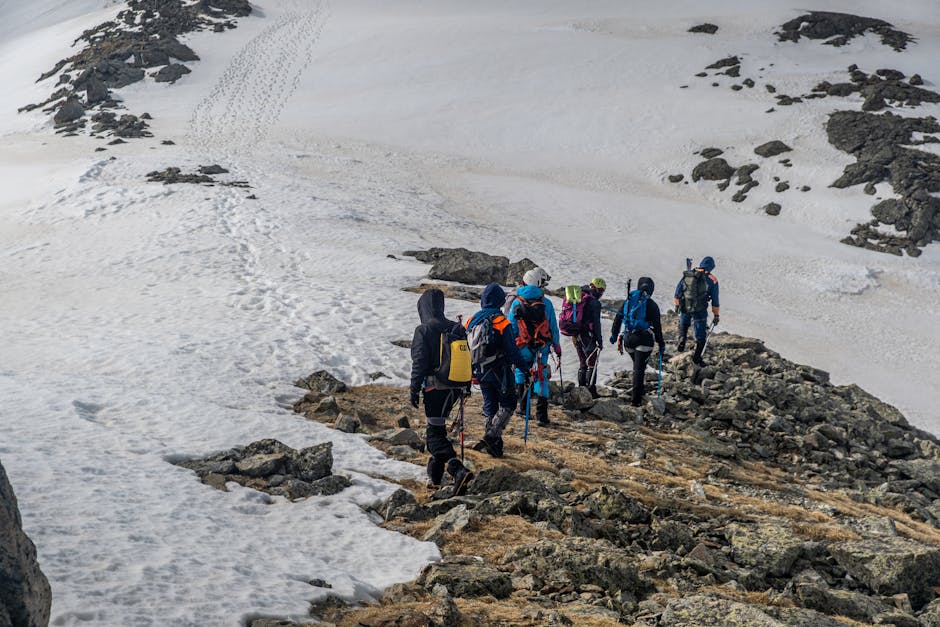
High-altitude destinations like Kilimanjaro, the Annapurna Circuit, and the JMT pose risks of acute mountain sickness (AMS). Symptoms include headache, nausea, dizziness, and fatigue. Ascend slowly, stay hydrated, and avoid alcohol.
If symptoms worsen, descend immediately. Medications like acetazolamide can help prevent AMS, but they should be used under medical guidance. Never ignore signs of altitude illness—it can be life-threatening.
Respect Wildlife and Local Cultures
When hiking in remote areas, you may encounter wildlife such as bears, pumas, or elephants. Learn how to store food properly and respond to animal encounters. In cultural regions like Nepal or Peru, dress modestly and ask permission before photographing people.
Support local economies by hiring local guides and purchasing handmade goods. This not only enhances your experience but also contributes to sustainable tourism.
Leave No Trace
Preserving natural environments is a core principle of responsible hiking. Pack out all trash, avoid disturbing plants and animals, and use established campsites. Minimize campfire use, especially in dry or protected areas.
By following Leave No Trace principles, you help ensure that these adventure travel destinations remain pristine for future hikers.
Final Thoughts
The best adventure travel destinations for hiking enthusiasts offer more than just physical challenge—they provide transformative experiences in some of the world’s most beautiful and remote places. Whether you’re drawn to the spiritual heights of the Himalayas or the rugged beauty of Patagonia, each trail offers a unique blend of scenery, culture, and personal growth.
Success on these journeys depends on preparation, respect for nature, and a willingness to embrace uncertainty. With the right planning and mindset, your next hiking adventure could become a defining chapter in your life.
FAQ
What is the best time of year to hike the Inca Trail?
The best time to hike the Inca Trail is during the dry season, from May to September. February is closed for maintenance, and the rainy season (November to March) can make trails slippery and visibility poor.
Do I need a guide for the Milford Track?
Yes, a guide is required if you choose the guided option, but independent hikers can book huts and campsites in advance. However, due to the track’s popularity, booking nearly a year ahead is recommended.
How difficult is the Annapurna Circuit?
The Annapurna Circuit is considered moderately to highly challenging due to its length, elevation gain, and remote terrain. It’s best suited for experienced hikers with good fitness and altitude acclimatization.