Adventure Travel Guide with Budget Friendly Outdoor Tips
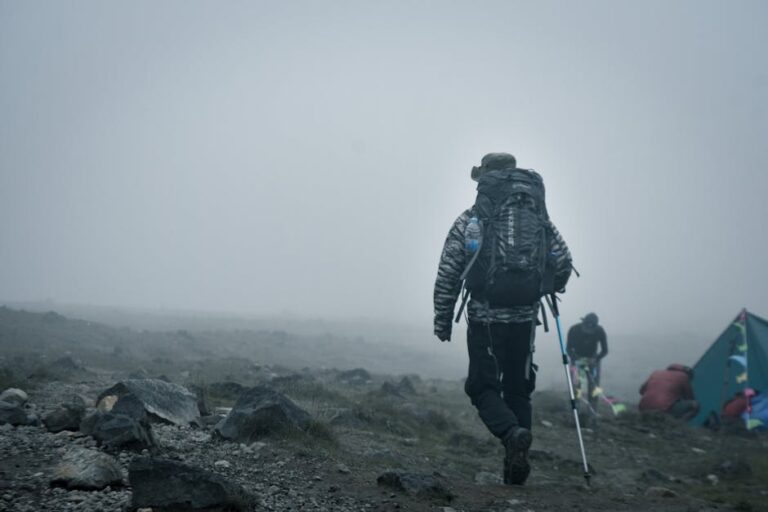
Planning an outdoor adventure doesn’t have to drain your wallet. With smart planning and practical choices, you can explore mountains, forests, coastlines, and deserts without overspending. This adventure travel guide offers real, actionable tips to help you enjoy thrilling experiences while keeping costs low. From gear hacks to free campsites and transportation savings, we’ll show you how to stretch every dollar on your next trip.
Why Choose Budget Adventure Travel?
Adventure travel is often seen as expensive, but it doesn’t have to be. Many people assume that epic hikes, remote trails, or multi-day treks require deep pockets. In reality, the most rewarding outdoor experiences often cost little—or nothing at all.
Choosing budget-friendly options doesn’t mean sacrificing quality. It means prioritizing experiences over luxury. You’ll gain independence, learn new skills, and connect more deeply with nature. Plus, saving money on travel frees up funds for longer trips or more frequent adventures.
Essential Planning Tips for Affordable Adventures
Start with a Clear Itinerary
Before booking anything, map out your route and timeline. A detailed itinerary helps you avoid last-minute expenses and impulse purchases. Include daily distances, rest days, and resupply points if you’re on a long trek.
Use free tools like Google Maps or AllTrails to scout trails and estimate travel times. Planning ahead also lets you compare transportation options and find the cheapest routes.
Travel Off-Season or Shoulder Season
Peak seasons bring crowds and high prices. Traveling during shoulder months—like late spring or early fall—can cut costs significantly. You’ll find cheaper flights, discounted lodging, and fewer people on the trails.
For example, visiting Yosemite in May instead of July means lower campground fees and more availability. Just check weather conditions and trail accessibility before you go.
Choose Public or Shared Transportation
Renting a car can be costly, especially with gas and insurance. Instead, use buses, trains, or carpooling services like BlaBlaCar. Many national parks offer free shuttle systems that reduce the need for personal vehicles.
Flying into a major city and using local transit to reach trailheads is another smart move. It’s often cheaper than driving long distances and parking at busy trailheads.
Gear on a Budget: What to Buy, Borrow, or Skip
Prioritize Multi-Use Gear
Invest in versatile items that serve multiple purposes. A good sleeping bag can double as a blanket in a pinch. A bandana works as a towel, pot holder, or sun shield. Avoid buying single-use gadgets.
Look for gear with solid warranties and repairability. Brands like Patagonia and REI offer lifetime repairs, which saves money over time.
Borrow or Rent Instead of Buying
Don’t own a tent or backpack? Borrow from friends or rent from outdoor shops. Many cities have gear libraries or rental services for hikers and campers.
Renting is ideal for infrequent trips. A $30 tent rental for a weekend is far cheaper than buying a $200 model you’ll use once a year.
Buy Used or Refurbished Equipment
Check online marketplaces like REI Used Gear, eBay, or Facebook groups. You can find high-quality backpacks, sleeping pads, and stoves at half the retail price.
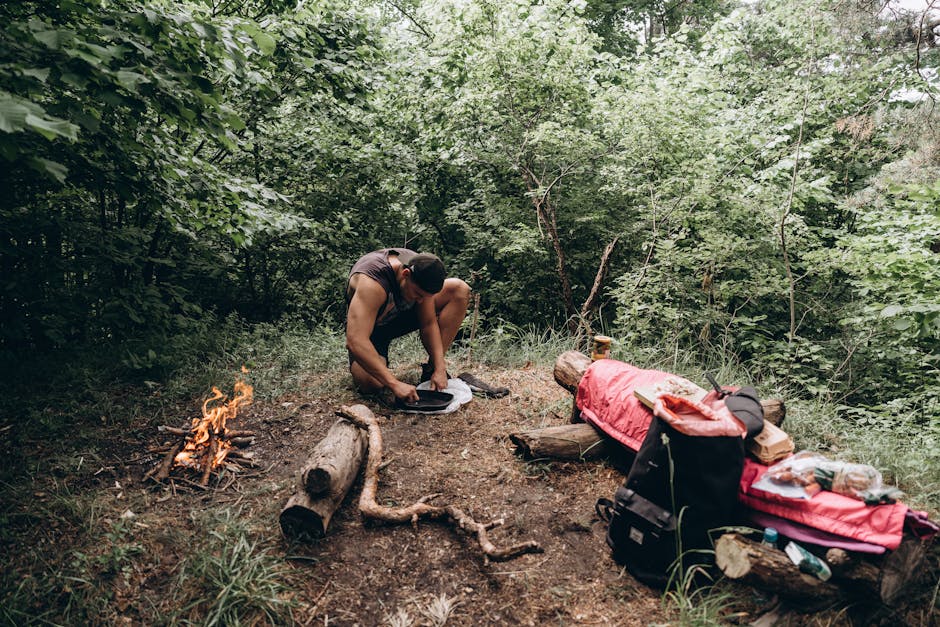
Inspect items carefully for wear, but don’t shy away from minor cosmetic damage. Functionality matters more than looks when you’re miles from the trailhead.
Free and Low-Cost Accommodations
Camp in Public Lands
National forests, Bureau of Land Management (BLM) areas, and many state parks allow free or low-cost dispersed camping. These sites don’t have amenities, but they offer solitude and stunning views.
Use apps like iOverlander or FreeRoam to find legal free campsites. Always follow Leave No Trace principles to keep these areas open for future travelers.
Use Hostels and Budget Lodges
In towns near trailheads, hostels offer clean, safe lodging for $20–$40 per night. Many include kitchens, so you can cook your own meals instead of eating out.
Look for hostels affiliated with Hostelling International (HI) or local outdoor clubs. Some even offer discounts for long-term stays or volunteer work.
Try Work Exchange Programs
Platforms like Workaway or Worldpackers connect travelers with hosts who offer free lodging in exchange for a few hours of work daily. Tasks might include gardening, cleaning, or helping with tours.
This option works well for longer trips. You save on accommodation and gain local insights from your hosts.
Save on Food Without Sacrificing Nutrition
Pack Lightweight, High-Calorie Meals
Dehydrated meals are convenient but expensive. Instead, make your own trail meals using bulk ingredients like oats, rice, lentils, and pasta. Add spices and olive oil for flavor and energy.
A homemade burrito bowl with beans, rice, and veggies costs less than $2 per serving and weighs less than commercial options.
Cook Over a Stove, Not a Fire
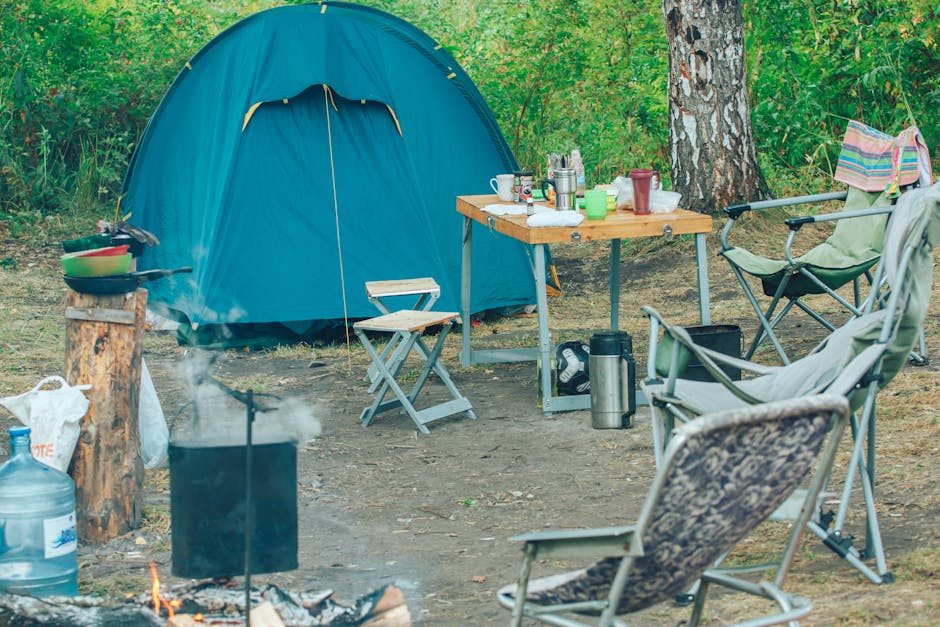
Campfires are romantic but often prohibited due to fire risk. A lightweight camping stove is safer, faster, and more reliable. Boiling water takes minutes, not hours.
Use a single-burner stove like the MSR PocketRocket. It’s compact, fuel-efficient, and works with small pots for one-pot meals.
Shop Local and Eat Simple
When resupplying in towns, buy groceries instead of prepared meals. A loaf of bread, peanut butter, and bananas make a cheap, filling lunch.
Support local markets and avoid tourist traps. A $5 sandwich from a gas station deli is often cheaper and tastier than a $15 café meal.
Transportation Hacks for Outdoor Trips
Use Ride-Sharing and Shuttle Services
Some trailheads offer free or low-cost shuttles from nearby towns. For example, the Grand Canyon runs a shuttle from Tusayan to the South Rim.
For remote areas, join online hiking groups to find carpool partners. Splitting gas and parking fees can save $50 or more per trip.
Fly Smart with Budget Airlines
Compare prices on Southwest, JetBlue, or regional carriers. Book flights mid-week for lower fares. Use Google Flights’ price graph to find the cheapest dates.
Pack light to avoid baggage fees. A 40L backpack often qualifies as a personal item, so you can skip checked bag charges.
Consider Train or Bus Travel
Amtrak and Greyhound offer scenic, affordable routes to many outdoor destinations. The Coast Starlight line runs from Los Angeles to Seattle, passing through forests, mountains, and coastline.
Bus travel is slower but far cheaper than flying. A $75 bus ticket can replace a $300 flight for the same route.
Safety and Preparedness on a Budget
Carry a Basic First Aid Kit
You don’t need a $100 medical kit. A $15 pack from a pharmacy with bandages, antiseptic, tweezers, and pain relievers covers most trail injuries.
Add personal medications and a small roll of duct tape—it’s a multipurpose repair tool and blister prevention aid.
Use Free Navigation Tools
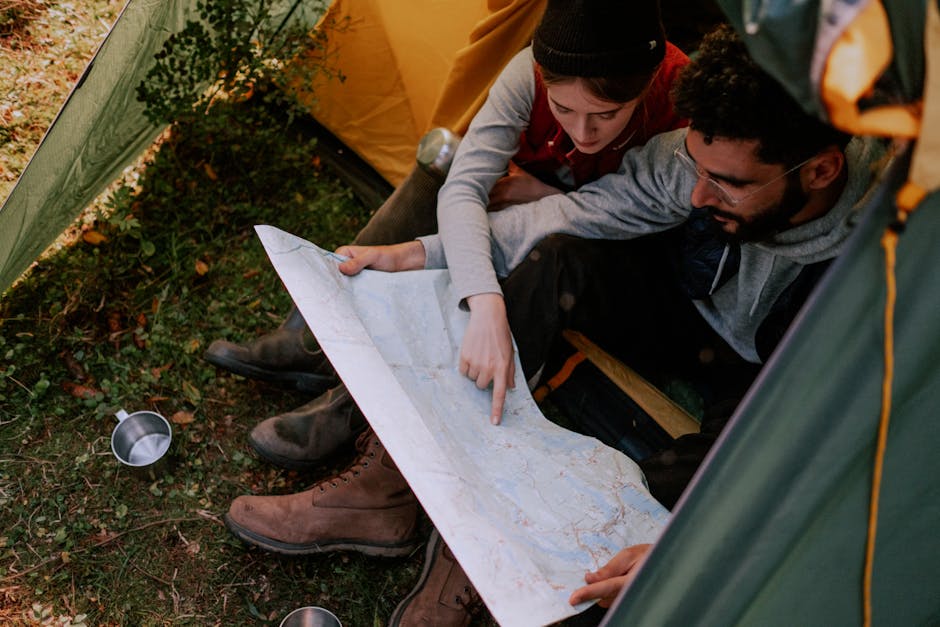
Download offline maps on your phone using Gaia GPS or Maps.me. These apps work without cell service and show trails, water sources, and elevation.
Carry a paper map and compass as backup. Technology fails; basic navigation skills don’t.
Check Weather and Trail Conditions
Before heading out, review forecasts on NOAA or Weather.com. Avoid storms, extreme heat, or snow if you’re not prepared.
Check park websites for trail closures or fire restrictions. A closed trail can ruin your plans and waste time and money.
Examples of Budget-Friendly Adventure Trips
Weekend in the Smoky Mountains
Drive from Atlanta or Nashville for under $50 in gas. Camp at Cades Cove for $25/night. Hike the Abrams Falls trail—free and stunning. Cook meals at the site and use the park’s free shuttle to avoid parking fees.
Total cost for two people: under $150 for three days.
Five-Day Backpacking in Utah’s Canyonlands
Fly into Salt Lake City for $200 round-trip. Rent gear for $40. Use BLM land for free camping. Hike the White Rim Road with a permit ($15). Resupply in Moab with groceries.
Total cost: under $400 per person, including flights.
Coastal Hike in Big Sur, California
Take the Amtrak Coast Starlight to Salinas ($60). Use the free Monterey-Salinas Transit to reach trailheads. Camp at Pfeiffer Big Sur State Park ($35/night). Hike the Pine Ridge Trail and cook simple meals.
Total cost: under $200 for a long weekend.
Common Mistakes to Avoid
Overpacking Gear
More gear means more weight and higher costs. Stick to the essentials: shelter, sleep system, water, food, and navigation. Every extra pound slows you down.
Test your pack weight before leaving. Aim for under 20% of your body weight for multi-day trips.
Ignoring Permits and Regulations
Some trails require permits, even for day hikes. Yosemite’s Half Dome, for example, needs a lottery permit. Fines for unauthorized camping can exceed $500.
Research rules in advance. Many permits are free or low-cost if booked early.
Underestimating Food and Water Needs
Running out of food or water is dangerous and costly. Always carry extra water and high-calorie snacks. A $5 protein bar can prevent a $300 rescue.
Plan for one extra day of supplies in case of delays.
Final Thoughts on Affordable Adventure Travel
Adventure travel is about freedom, discovery, and connection—not luxury. With careful planning, smart gear choices, and a willingness to embrace simplicity, you can explore the world’s wild places on a budget.
Focus on experiences, not expenses. The best memories come from sunrises on mountain peaks, quiet moments by a river, and the satisfaction of a trail conquered with your own two feet. Start small, learn as you go, and keep coming back for more.
FAQ
Q: How much does a budget adventure trip typically cost?
A: Costs vary by location and duration, but a well-planned weekend trip can cost under $100 per person. Longer backpacking trips may range from $300 to $500, including transportation and gear.
Q: Is it safe to camp for free on public lands?
A: Yes, as long as you follow local regulations and Leave No Trace principles. Always check for fire bans, wildlife activity, and private property boundaries before setting up camp.
Q: Can I really hike without expensive gear?
A: Absolutely. Many successful hikers use budget or borrowed gear. Focus on comfort, fit, and functionality. A $30 backpack can work just as well as a $200 model if it carries your load properly.