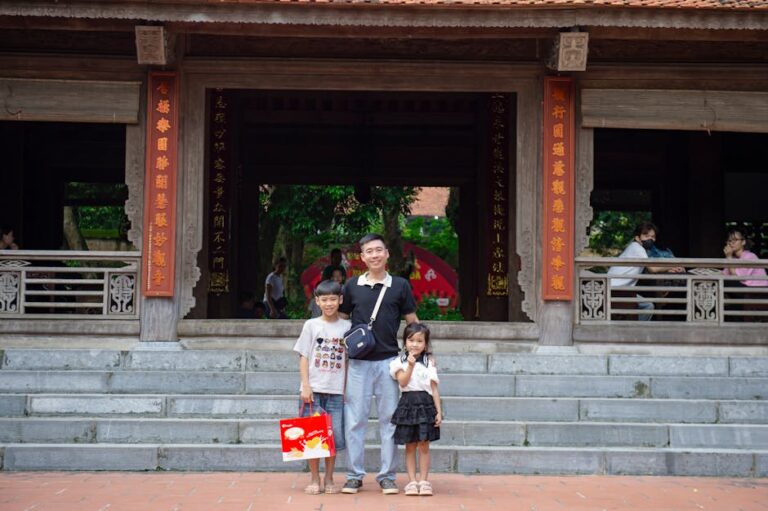

Ultimate Family Travel Guide for Comfortable Holidays
Planning a family holiday that keeps everyone happy, relaxed, and engaged can feel overwhelming. The Ultimate Family Travel Guide for Comfortable Holidays simplifies the process with practical tips, real-world examples, and step-by-step planning strategies. Whether you’re heading to the beach, exploring a city, or taking a road trip, this guide ensures comfort, convenience, and joy for all ages—without the last-minute stress.
Why Comfort Matters in Family Travel
Comfort isn’t just about plush seats or five-star hotels. For families, it means minimizing meltdowns, avoiding exhaustion, and creating space for genuine connection. A comfortable holiday reduces stress for parents and helps kids stay curious and cooperative.
Think of it this way: a tired, overstimulated child can turn a dream vacation into a logistical nightmare. Prioritizing comfort—through smart packing, thoughtful scheduling, and age-appropriate activities—lets everyone enjoy the journey, not just the destination.
Choosing the Right Destination
Match the Location to Your Family’s Needs
Not every destination suits every family. Consider your children’s ages, energy levels, and interests. A toddler may thrive in a quiet coastal town with a safe beach, while teens might prefer a city with museums, parks, and interactive experiences.
For example, Orlando offers theme parks and structured fun, while Asheville, North Carolina, provides mountain trails and relaxed pacing. Research destinations with family-friendly infrastructure: stroller access, public restrooms, and nearby medical facilities.
Season and Weather Considerations
Travel timing affects comfort more than you might think. Summer vacations in Europe can mean crowded attractions and extreme heat. Spring or fall often offers milder weather and fewer crowds.
Check local school calendars too. Traveling just before or after peak school breaks can save money and reduce stress. Avoid hurricane season in the Caribbean (June–November) or monsoon periods in Southeast Asia.
Packing Smart for the Whole Family
Create a Family Packing Checklist
Start with a master list divided by category: clothing, toiletries, electronics, medications, and entertainment. Assign one parent to manage the list and update it as plans evolve.
Include duplicates of essentials: extra socks, underwear, and a change of clothes for each child in carry-on bags. Pack a small first-aid kit with band-aids, antiseptic wipes, and children’s pain relievers.
Use Packing Cubes and Label Everything
Packing cubes keep outfits organized and make it easy to find items without unpacking everything. Label each cube by person and clothing type (e.g., “Emma – Pajamas” or “Dad – Swimwear”).
For international trips, bring photocopies of passports, insurance cards, and emergency contacts. Store digital copies in a secure cloud folder accessible offline.
Don’t Forget the Comfort Items
Familiar items reduce anxiety in new environments. Pack a favorite stuffed animal, blanket, or bedtime storybook. For long flights or car rides, noise-canceling headphones or a tablet with downloaded shows can be lifesavers.
Consider a portable white noise machine for hotel rooms. It helps kids sleep through unfamiliar sounds and improves overall rest.
Transportation Tips for Stress-Free Journeys
Flying with Kids: What to Expect

Book direct flights when possible. Layovers increase the chance of delays and meltdowns. Choose seats together—window seats for views, aisle seats for bathroom breaks.
Arrive at the airport early. Rushing increases stress and the risk of forgetting items. Use family lanes at security checkpoints where available. Bring snacks, activities, and a change of clothes in your carry-on.
Road Trips: Planning for Comfort and Fun
Break long drives into manageable segments. Aim for no more than 4–5 hours of driving per day with young children. Schedule stops every two hours for stretching, snacks, and bathroom breaks.
Entertainment is key. Create a playlist of family-friendly music, audiobooks, or podcasts. Bring coloring books, travel games, or a tablet with pre-downloaded content. Avoid screens right before naps to prevent overstimulation.
Public Transit and Local Transport
In cities, research public transit options in advance. Many systems offer family passes or discounted fares for children. Download transit apps for real-time updates and route planning.
For toddlers, a lightweight stroller is essential. Choose one that folds easily and fits in overhead bins or car trunks. In crowded areas, consider a baby carrier for hands-free mobility.
Accommodations That Work for Families
Hotels vs. Vacation Rentals: Pros and Cons
Hotels offer convenience: daily housekeeping, on-site dining, and front desk support. Look for family suites or rooms with connecting doors. Many include free breakfast and kid-friendly amenities like pools or game rooms.
Vacation rentals (like Airbnb or Vrbo) provide more space, kitchens, and laundry—ideal for longer stays. You can cook simple meals, store snacks, and maintain routines. However, they may lack 24/7 support and require more self-management.
Key Features to Look For
Prioritize safety and accessibility. Check for smoke detectors, secure windows, and non-slip bathroom mats. Ensure the location is central or well-connected to attractions.
Read recent reviews from families. Look for mentions of noise levels, cleanliness, and responsiveness of hosts or staff. Contact the property directly with specific questions about cribs, high chairs, or pet policies.
Dining Out with Kids: A Practical Approach
Research Family-Friendly Restaurants
Use apps like Google Maps or Yelp to find restaurants with high ratings from families. Look for keywords like “kids menu,” “high chairs,” or “play area.” Call ahead to confirm availability, especially during peak hours.
Many destinations have local chains known for accommodating families. In Japan, for example, conveyor belt sushi restaurants often have booster seats and quick service. In Italy, trattorias frequently welcome children with coloring sheets and simple pasta options.
Pack Snacks and Stay Flexible
Hunger leads to crankiness. Carry a small cooler bag with fruit, crackers, yogurt, or granola bars. Choose snacks that travel well and don’t require refrigeration.
Don’t stress about strict meal times. Allow for flexible eating, especially during travel days. A late lunch or early dinner is better than a hungry, tired child.

Keeping Kids Entertained and Engaged
Balance Structure and Free Time
Too many activities can overwhelm children. Plan one or two main attractions per day, with downtime in between. Use mornings for sightseeing when energy is high, and afternoons for rest or pool time.
Involve kids in planning. Let them choose between two activities or pick a restaurant. Giving them small decisions increases engagement and reduces resistance.
Bring Along Travel-Friendly Activities
Pack a “busy bag” with quiet toys: sticker books, magnetic drawing boards, or travel-sized board games. Avoid anything with small parts for young children.
Use technology wisely. Download educational apps, audiobooks, or movies in advance. Set screen time limits to avoid overuse, especially before bedtime.
Health and Safety Essentials
Prepare a Travel Health Kit
Include a digital thermometer, children’s pain relievers, antihistamines, and rehydration salts. Bring any prescription medications in original containers with copies of prescriptions.
Check if your destination requires specific vaccinations. Visit a travel clinic 4–6 weeks before departure. Carry a basic first-aid guide or use a reputable app for symptom checks.
Stay Safe in New Environments
Teach kids basic safety rules: stay close in crowds, don’t accept food from strangers, and know how to find help. Use ID bracelets for young children with your contact info.
Save local emergency numbers in your phone. Know the location of the nearest hospital or clinic. Register with your country’s travel advisory program (like STEP for U.S. citizens) for safety updates.
Managing Expectations and Avoiding Burnout
Accept That Not Everything Will Go as Planned
Delays, weather changes, and unexpected closures happen. Build buffer time into your schedule. If a museum is closed, pivot to a nearby park or café.
Focus on experiences, not perfection. A picnic on the grass can be more memorable than a crowded attraction. Let go of the need to see everything.
Take Care of the Adults Too
Parents need rest to be patient and present. Share responsibilities: one handles navigation while the other manages snacks. Take turns having quiet time or a short solo walk.
Don’t skip meals or sleep. A well-rested parent makes better decisions and enjoys the trip more. Remember, a comfortable holiday includes adult comfort too.
Budgeting for a Family-Friendly Trip

Estimate Costs Realistically
Break down expenses: transportation, lodging, food, activities, and souvenirs. Add a 10–15% buffer for unexpected costs. Use budgeting apps to track spending in real time.
Look for free or low-cost attractions: public parks, beaches, museums with free admission days, or self-guided walking tours. Many cities offer family passes that bundle entry to multiple sites.
Save Without Sacrificing Comfort
Travel during off-peak seasons for lower prices. Book flights and accommodations early for better rates. Use reward points or credit card perks for upgrades or free nights.
Pack your own snacks and drinks to avoid overpriced airport or tourist-area purchases. Bring refillable water bottles to save money and reduce waste.
Creating Lasting Memories
Capture Moments Without Overdoing It
Take photos, but don’t let the camera dominate the experience. Designate one person as the “official photographer” to avoid multiple devices and missed moments.
Encourage kids to keep a travel journal. They can draw pictures, write short notes, or collect ticket stubs and postcards. It’s a fun way to reflect and remember.
Build Traditions
Start simple rituals: a family photo at each destination, a special dessert on the first night, or a group game each evening. Traditions create continuity and excitement.
After the trip, create a photo book or digital album together. It reinforces positive memories and gives kids something to look forward to next time.
Final Tips for a Smooth Family Holiday
Start planning early. The more prepared you are, the more relaxed you’ll feel. Share the itinerary with family members so everyone knows what to expect.
Stay flexible. Be ready to adjust plans based on weather, mood, or energy levels. The goal is enjoyment, not a rigid schedule.
And most importantly, enjoy the journey. Some of the best family memories come from unplanned moments—laughing in a rainstorm, discovering a hidden café, or watching a sunset together.
FAQ
How far in advance should I book family travel?
Book flights and accommodations 2–4 months ahead for the best prices and availability. For popular destinations or peak seasons, start even earlier.
What’s the best way to keep kids entertained during long flights?
Bring a mix of activities: coloring books, tablets with downloaded shows, travel games, and snacks. Rotate items every 30–60 minutes to maintain interest.
How can I make sure my family stays healthy while traveling?
Pack a travel health kit, stay hydrated, wash hands frequently, and get adequate rest. Consult a doctor before international trips and carry necessary medications.