Top Pakistani Foods to Try for Culinary Travelers
For culinary travelers seeking bold flavors, rich textures, and unforgettable meals, Pakistani cuisine offers a vibrant and diverse food landscape. From aromatic biryanis to sizzling kebabs, the country’s dishes reflect centuries of cultural exchange, regional traditions, and expert spice blending. This guide highlights the top Pakistani foods to try, helping food lovers navigate must-eat dishes across cities like Lahore, Karachi, and Islamabad. Whether you’re exploring street food stalls or fine dining restaurants, these dishes deliver authentic taste and cultural depth.
A Flavorful Introduction to Pakistani Cuisine
Pakistani food is a celebration of spices, slow-cooked meats, and hearty grains. Influenced by Mughal, Persian, Afghan, and South Asian culinary traditions, it balances heat, sweetness, and tang in every bite. Unlike its Indian neighbor, Pakistani cuisine often uses less turmeric and more cumin, coriander, and garam masala, resulting in deeper, earthier flavors.
Rice dishes like biryani and pulao are staples, while breads such as naan and roti accompany nearly every meal. Street food is especially popular, with vendors serving up everything from spicy chaat to crispy samosas in bustling bazaars. For travelers, understanding regional variations—like the Punjabi love for rich curries versus the Sindhi preference for tangy, tomato-based dishes—adds depth to the culinary journey.
Must-Try Meat Dishes
Nihari
Nihari is a slow-cooked beef or lamb stew, traditionally simmered overnight with bone marrow, ginger, and a blend of warming spices like cinnamon and cardamom. Originating as a winter breakfast in Mughal-era Delhi, it remains a beloved dish in Pakistani cities, especially Lahore.
Served with naan or tandoori roti, nihari is rich, velvety, and deeply satisfying. Many restaurants offer it with a side of lemon wedges and fresh coriander to cut through the richness. Travelers should try it at breakfast for the most authentic experience, as it’s often prepared fresh in the early morning hours.
Seekh Kebab
Seekh kebab consists of minced meat—usually beef or lamb—mixed with onions, garlic, and spices, then grilled on skewers over open flames. The result is a smoky, juicy, and intensely flavored kebab that’s a staple at barbecues and roadside grills.
Best enjoyed hot off the grill, seekh kebabs are often served with naan, yogurt-based raita, and a tangy tamarind chutney. In Karachi, look for street vendors near Burns Road for some of the most authentic versions. Be cautious with spice levels—some versions can be quite fiery.
Karahi
Chicken or mutton karahi is a dry curry cooked in a wok-like vessel called a karahi, giving the dish its name. Made with tomatoes, green chilies, ginger, garlic, and a heavy hand of garam masala, it’s known for its bold, aromatic flavor and minimal use of water.
This dish is typically cooked fresh to order and served sizzling hot. It’s a favorite in family gatherings and restaurants across Pakistan. Pair it with naan to soak up the spicy, tomato-based sauce. For a lighter version, ask for “dahi wala karahi,” which includes yogurt for a creamy twist.
Chapli Kebab
Hailing from the Peshawar region, chapli kebab is a spiced flat patty made from ground beef or mutton, onions, tomatoes, and a unique blend of local spices like coriander and pomegranate seeds. It’s pan-fried until crispy on the outside and tender within.
Unlike other kebabs, chapli kebabs are flatter and more crumbly, with a distinct tangy flavor from dried pomegranate powder. They’re often served with naan, salad, and a side of green chutney. Try them at traditional Pashtun restaurants for an authentic taste of northern Pakistan.
Iconic Rice and Biryani Dishes
Chicken Biryani
Chicken biryani is perhaps the most iconic Pakistani dish, loved across the country and beyond. Layers of fragrant basmati rice and spiced chicken are slow-cooked together (dum style), allowing the flavors to meld perfectly.
The dish is typically garnished with fried onions, boiled eggs, and fresh herbs. Each region has its variation—Karachi biryani is known for its red color and intense spice, while Lahore’s version is milder and more aromatic. For the best experience, eat it with raita and salad to balance the richness.
Aloo Biryani
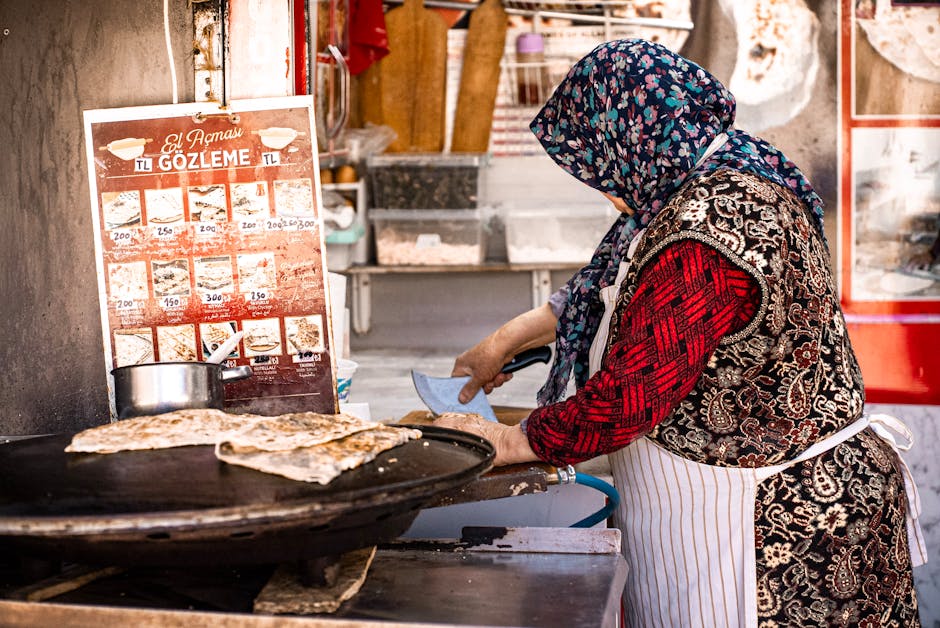
A vegetarian favorite, aloo biryani features potatoes instead of meat, cooked with the same aromatic spices and layered with rice. It’s a comforting, hearty dish that’s especially popular during Ramadan and in regions where meat is less commonly consumed.
The potatoes absorb the spices beautifully, creating a savory and satisfying meal. Some versions include peas or carrots for added texture. While not as widely available as chicken biryani, it’s worth seeking out at local dhabas or home-style eateries.
Pulao
Pulao is a simpler, more delicate rice dish compared to biryani. Made by cooking rice with meat, stock, and whole spices like bay leaves and cinnamon, it’s less layered and more broth-based.
Often served at weddings and celebrations, pulao is lighter and easier to digest. It pairs well with yogurt or a simple cucumber salad. Look for “mutton pulao” in northern areas, where the meat is slow-cooked with the rice for maximum flavor.
Essential Bread and Sides
Naan
Naan is the quintessential Pakistani bread, baked in a tandoor (clay oven) until puffy and slightly charred. It comes in many varieties, including plain, buttered, garlic, and stuffed with cheese or minced meat.
No meal is complete without naan, which is used to scoop up curries, kebabs, and dips. Garlic naan is especially popular, with a crispy exterior and soft, aromatic interior. Try it fresh from the tandoor for the best texture and flavor.
Roti and Tandoori Roti
Roti is a simple flatbread made from whole wheat flour, cooked on a griddle. Tandoori roti, baked in a tandoor, has a slightly smoky flavor and chewy texture. Both are everyday staples, affordable and widely available.
Unlike naan, roti is unleavened and less rich, making it a lighter option. It’s perfect for balancing spicy dishes. In rural areas, roti is often made fresh at home and served with simple lentils or vegetables.
Paratha
Paratha is a flaky, layered flatbread made by folding dough with ghee or oil and frying it until golden. It’s thicker and more indulgent than roti, often eaten for breakfast with eggs, yogurt, or chutney.
Stuffed parathas—filled with spiced potatoes, minced meat, or paneer—are especially popular. In Lahore, “anday wala paratha” (egg paratha) is a street food favorite, served sizzling with a fried egg on top.
Street Food Favorites
Chaat
Chaat is a tangy, spicy snack made with crispy fried dough, boiled potatoes, chickpeas, yogurt, and a medley of chutneys. It’s a flavor explosion—sour, sweet, spicy, and crunchy—all in one bite.
Common varieties include dahi puri, papdi chaat, and aloo chaat. Found at nearly every street corner, chaat is best enjoyed fresh. Be prepared for a messy but delicious experience—eating it with your hands is part of the fun.
Samosa
Samosas are deep-fried pastries filled with spiced potatoes, peas, and sometimes meat. Crispy on the outside and savory within, they’re a go-to snack across Pakistan.
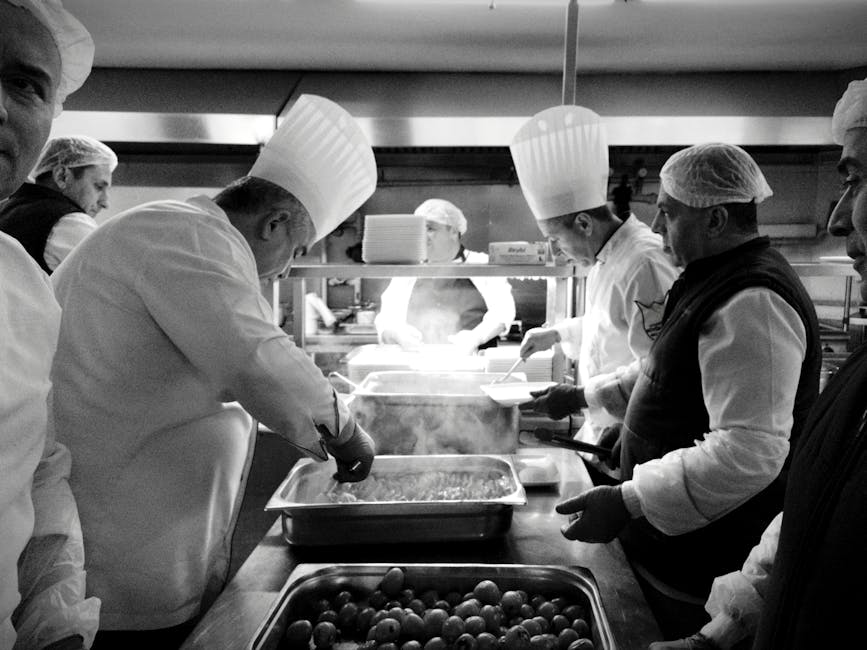
Often served with tamarind or mint chutney, samosas are perfect for on-the-go eating. Look for vendors who fry them to order—reheated samosas lose their crunch. In Karachi, samosas are sometimes larger and spicier than in other regions.
Jalebi
Jalebi is a sweet, spiral-shaped dessert made by deep-frying batter and soaking it in sugar syrup. It’s crisp on the outside and syrupy inside, with a bright orange color and floral aroma.
Popular during festivals and weddings, jalebi is best eaten fresh and warm. Pair it with a cup of chai for a classic Pakistani treat. Avoid overly dry or stale jalebis, which lose their signature texture.
Golgappa (Pani Puri)
Golgappa consists of hollow, crispy spheres filled with spiced water, chickpeas, and potatoes. Eaten in one bite, it delivers a burst of tangy, spicy, and refreshing flavors.
Street vendors prepare the filling and water fresh, ensuring maximum crunch and flavor. The key is to eat it immediately after assembly. In Punjab, the water is often made with mint, tamarind, and black salt for a unique kick.
Regional Specialties to Seek Out
Sajji (Balochistan)
Sajji is a whole roasted chicken or lamb, marinated with minimal spices—usually just salt and green papaya—and slow-cooked over charcoal. The result is incredibly tender meat with a smoky, natural flavor.
Originating in Balochistan, sajji is a celebratory dish, often served at weddings and festivals. It’s typically eaten with kaak (a hard, ring-shaped bread) and a simple salad. The simplicity of the seasoning lets the quality of the meat shine.
Sindhi Biryani
Sindhi biryani is distinct for its bold red color, intense spice, and inclusion of potatoes and tomatoes. It’s hotter and more aromatic than other biryanis, with a tomato-based gravy that infuses the rice.
Popular in Karachi and Hyderabad, it’s a favorite among spice lovers. The dish often includes a boiled egg and is served with raita to cool the heat. Look for “Sindhi hotel” restaurants for authentic versions.
Kata-Kat (Punjab)
Kata-kat is a sizzling stir-fry of minced meat, offal, and spices, cooked on a flat griddle. The name comes from the sound of the ingredients being chopped and fried together.
Once considered a working-class meal, it’s now a popular street food in Lahore and Rawalpindi. It’s rich, flavorful, and best shared among friends. Be adventurous—this dish offers a true taste of local culinary culture.
Vegetarian and Lentil Delights
Daal Chawal
Daal chawal—lentils with rice—is the ultimate comfort food in Pakistan. Simple, nutritious, and deeply satisfying, it’s a daily meal for many families.
Common lentils include masoor (red), moong (yellow), and chana (chickpea). Each is cooked with onions, tomatoes, and spices like cumin and turmeric. Served with a side of yogurt or pickle, it’s a complete and balanced meal.
Aloo Keema
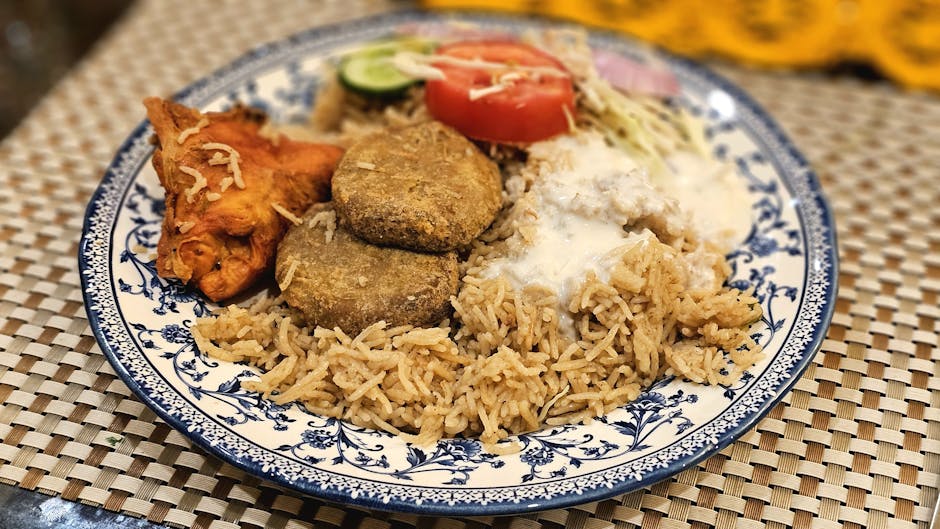
Aloo keema combines spiced minced meat with potatoes, creating a hearty, one-pot dish. It’s often served with naan or paratha and is a favorite during Ramadan.
The potatoes absorb the rich flavors of the meat and spices, making every bite flavorful. Some versions include peas or carrots for added texture. It’s a great option for travelers who want a filling, home-style meal.
Bhindi (Okra) Curry
Bhindi curry features tender okra cooked with tomatoes, onions, and a blend of spices. It’s a popular vegetarian dish, especially in Punjab and Sindh.
To avoid sliminess, okra is often sautéed dry before adding liquid. The result is a crisp-tender vegetable with a rich, savory sauce. Pair it with rice or roti for a light yet satisfying meal.
Refreshing Drinks and Desserts
Lassi
Lassi is a yogurt-based drink, either sweet or salty, blended with water and sometimes flavored with rosewater or mango. It’s a cooling accompaniment to spicy meals.
Sweet lassi is especially popular in Punjab, often served with a dollop of cream on top. Mango lassi is a refreshing summer treat. Avoid overly sweetened versions—authentic lassi should be creamy and balanced.
Falooda
Falooda is a layered dessert drink made with vermicelli, basil seeds, rose syrup, milk, and ice cream. It’s sweet, cold, and visually striking.
Popular in Karachi and Lahore, falooda is a must-try for dessert lovers. The combination of textures—chewy, crunchy, and creamy—makes it uniquely satisfying. Look for street vendors who prepare it fresh.
Kulfi
Kulfi is a dense, creamy frozen dessert, similar to ice cream but richer and less airy. Flavors include pistachio, cardamom, mango, and saffron.
Often sold by street vendors on carts, kulfi is molded into cones or cylinders and served on sticks. It’s a traditional treat, especially during Ramadan and summer months. The slow-churned texture sets it apart from Western ice cream.
Tips for Culinary Travelers in Pakistan
When exploring Pakistani food, start with milder dishes if you’re sensitive to spice. Many restaurants can adjust heat levels upon request. Always drink bottled water and avoid ice in drinks to prevent stomach issues.
Visit local markets and food streets—like Lahore’s Gawalmandi or Karachi’s Burns Road—for the most authentic experiences. Engage with vendors, ask for recommendations, and don’t be afraid to try something new. Food is a gateway to culture, and Pakistan’s culinary scene is rich with stories and flavors waiting to be discovered.
FAQ
What is the most popular Pakistani dish for first-time visitors?
Chicken biryani is the most popular and accessible dish for first-time visitors. It’s widely available, flavorful, and represents the essence of Pakistani cuisine with its aromatic rice and spiced meat.
Is Pakistani food very spicy?
Pakistani food can be spicy, but not all dishes are hot. Many use aromatic spices like cumin and coriander without intense heat. Travelers can request mild versions at restaurants.
Where can I find the best street food in Pakistan?
Cities like Lahore, Karachi, and Peshawar are famous for street food. Look for busy stalls with high turnover—freshness and quality are usually better where locals gather.