Best Beach Travel Experiences for Adventure Lovers
For adventure seekers, the beach is more than just sun and sand—it’s a launchpad for thrilling experiences. The best beach travel experiences for adventure lovers combine natural beauty with heart-pounding activities like surfing, cliff jumping, snorkeling, and sea kayaking. Whether you’re chasing waves in Costa Rica, exploring hidden coves in Greece, or diving with sharks in South Africa, coastal destinations offer endless opportunities to push your limits. This guide highlights top beach destinations that deliver excitement, safety, and unforgettable memories for travelers who crave action by the ocean.
Why Adventure Travelers Love Beach Destinations
Beaches provide a unique blend of accessibility and adventure. Unlike remote mountain peaks or dense jungles, many coastal areas are easy to reach yet still offer wild, untamed environments. The ocean itself presents dynamic challenges—changing tides, powerful currents, and diverse marine life—that keep adrenaline levels high.
Water-based activities dominate beach adventures, but the terrain often includes rocky cliffs, dense mangroves, and sandy dunes perfect for exploration. Many beach destinations also support eco-tourism, allowing travelers to engage with nature responsibly while testing their physical limits.
From solo backpackers to group expeditions, beach adventures cater to all skill levels. With proper preparation, even beginners can safely enjoy activities like stand-up paddleboarding or guided night snorkels.
Top Beach Destinations for Thrill-Seekers
1. Tamarindo, Costa Rica – Surfing and Wildlife Encounters
Tamarindo is a hotspot for surfers of all levels, thanks to its consistent waves and sandy bottom breaks. Beginners can take lessons from local schools, while advanced riders head to nearby Playa Grande for bigger swells.
Beyond surfing, Tamarindo offers zip-lining through coastal forests, horseback rides along the shore, and turtle nesting tours (seasonal). The nearby Las Baulas National Marine Park protects leatherback turtles, adding an educational twist to the adventure.
Nightlife is lively but low-key, with beachfront bars serving fresh seafood and cold drinks. Accommodations range from budget hostels to eco-lodges, making it accessible for long-term stays.
2. Zakynthos, Greece – Cliff Jumping and Sea Caves
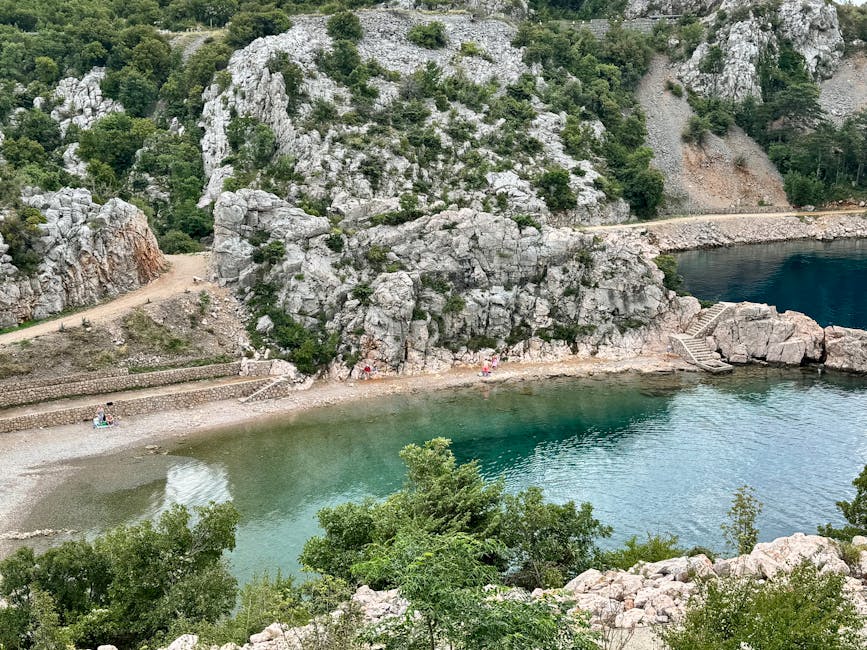
Known for its turquoise waters and dramatic limestone cliffs, Zakynthos is a magnet for cliff jumpers and freedivers. Popular spots like Navagio Beach (Shipwreck Beach) offer jumps ranging from 5 to 20 meters, though caution is essential—always check depth and currents before leaping.
The island’s Blue Caves are best explored by kayak or small boat. Paddle through sea arches and hidden grottos, where sunlight refracts into electric blue hues. Guided tours ensure safety and provide insights into the island’s geology.
Zakynthos also hosts loggerhead sea turtles. Visitors can join conservation walks or snorkel near protected zones, but touching or disturbing wildlife is strictly prohibited.
3. Jeffreys Bay, South Africa – Big Wave Surfing and Shark Diving
Jeffreys Bay is legendary among surfers for its long, fast right-hand point breaks. The annual World Surf League event draws pros from around the globe, but consistent waves make it worthwhile year-round.
For a different kind of thrill, head to nearby Gansbaai for cage diving with great white sharks. Operators follow strict safety protocols, and the experience offers a rare, respectful glimpse into apex predator behavior.
The area also supports kiteboarding and coastal hikes along the Garden Route. Local guesthouses often provide gear rentals and trip planning, simplifying logistics for travelers.
4. Mo’orea, French Polynesia – Snorkeling and Jet Ski Expeditions
Mo’orea’s crystal-clear lagoon is a snorkeler’s paradise. Swim alongside rays, reef sharks, and parrotfish in protected marine sanctuaries. The island’s coral gardens are remarkably healthy, thanks to conservation efforts.
Jet ski tours allow access to remote bays and motus (small islets). Guides lead small groups through channels and shallow reefs, pointing out wildlife and sharing Polynesian legends.
For a quieter adventure, try paddleboarding at sunrise or hiking the Belvedere Lookout for panoramic views. Luxury resorts blend seamlessly with nature, offering comfort without sacrificing authenticity.
5. Tulum, Mexico – Cenote Diving and Jungle Beaches
Tulum combines pristine beaches with ancient Mayan ruins and freshwater cenotes. These sinkholes, scattered inland, offer cave diving and snorkeling in eerie, otherworldly settings.
Popular cenotes like Dos Ojos and Gran Cenote have clear waters and underwater tunnels. Certified divers can explore deeper chambers, while snorkelers enjoy shallow sections with abundant fish.
The beach itself is lined with eco-hotels and yoga retreats. Surfing is limited due to reefs, but paddleboarding and kiteboarding are growing in popularity. Always respect local customs and environmental rules—many sites are sacred or protected.
Essential Gear for Beach Adventures
Proper equipment enhances safety and performance. Start with a well-fitting wetsuit if you’ll be in cold water or spending extended time in the ocean. Neoprene boots protect feet from sharp rocks and coral.
For water sports, invest in a quality leash (for surfing or paddleboarding) and a UV-protective rash guard. Waterproof dry bags keep electronics and snacks safe during kayak or snorkel trips.
Don’t forget reef-safe sunscreen. Chemicals like oxybenzone harm coral reefs and are banned in places like Hawaii and Palau. Mineral-based options with zinc oxide are safer for marine ecosystems.
Always carry a first-aid kit, whistle, and emergency contact info. Let someone know your plans before heading out, especially for solo adventures.
Safety Tips for High-Energy Beach Activities
Adventure comes with risk, but smart preparation minimizes danger. Check weather and tide conditions before any water activity. Rip currents are a leading cause of drowning—learn to识别 and escape them by swimming parallel to shore.
Never dive into unknown waters. Hidden rocks, shallow sandbars, or strong undertows can cause serious injury. Use established entry points and follow local advice.
Stay hydrated and avoid alcohol before water sports. Fatigue and dehydration impair judgment and physical ability, especially in hot climates.
Respect local regulations. Some beaches restrict motorized watercraft or require permits for certain activities. Ignoring rules can result in fines or environmental damage.
How to Choose the Right Adventure Beach Destination
Start by assessing your skill level and interests. Beginners should look for destinations with reputable schools and calm conditions. Advanced adventurers can seek out remote or challenging locations.
Consider the season. Surf breaks vary by month, and marine life sightings depend on migration patterns. Research peak times for activities like whale watching or turtle nesting.
Budget matters too. Some beach towns are backpacker-friendly, while others cater to luxury travelers. Look for all-inclusive adventure packages that combine lodging, gear, and guided tours.
Finally, prioritize sustainability. Choose operators with eco-certifications and avoid activities that exploit wildlife, such as swimming with captive dolphins or touching coral.
Planning Your Next Beach Adventure
Once you’ve picked a destination, create a flexible itinerary. Balance high-energy days with rest periods to avoid burnout. Include time for local culture—try regional cuisine, visit markets, or attend a festival.
Book activities in advance, especially during peak season. Popular tours like shark dives or cenote dives fill up quickly. Confirm cancellation policies in case of weather delays.
Pack light but smart. Quick-dry clothing, a wide-brim hat, and polarized sunglasses are essentials. Leave valuables at home or store them securely.
Share your travel plans with a friend or family member. Check in regularly, especially if traveling solo. Mobile coverage can be spotty in remote beach areas.
Eco-Friendly Practices for Adventure Travelers
Protecting coastal environments ensures future adventures remain possible. Avoid single-use plastics—bring a reusable water bottle and utensils. Many beach towns now offer refill stations.
Stick to marked trails to prevent erosion. Walking on dunes or coral reefs damages fragile ecosystems. Use biodegradable soap if showering outdoors.
Participate in beach cleanups if available. Even picking up a few pieces of trash makes a difference. Support local conservation groups through donations or volunteer work.
Choose accommodations that prioritize sustainability, such as solar power, rainwater harvesting, or waste reduction programs. Your travel choices influence industry standards.
Final Thoughts on Adventure Beach Travel
The best beach travel experiences for adventure lovers strike a balance between excitement and responsibility. Whether you’re riding waves, exploring underwater caves, or diving with sharks, the ocean rewards those who respect its power and beauty.
With careful planning, the right gear, and a mindful approach, your next beach adventure can be both thrilling and sustainable. These destinations offer more than just adrenaline—they create lasting connections with nature and local communities.
Adventure doesn’t require extreme risk. Sometimes, the most memorable moments come from a quiet paddle at dawn or a shared laugh with a local guide. Embrace the journey as much as the destination.
FAQ
What’s the best time of year for beach adventures?
It depends on the destination. For surfing in Costa Rica, the dry season (December to April) offers consistent waves. In Greece, summer (June to August) is ideal for cliff jumping and cave tours. Always research seasonal conditions for your activity.
Do I need prior experience for beach adventure activities?
Not necessarily. Many destinations offer beginner-friendly options with certified instructors. Surf schools, guided snorkel tours, and introductory diving courses make it easy to start safely.
How can I ensure my beach adventure is eco-friendly?
Use reef-safe sunscreen, avoid touching marine life, stay on marked paths, and support local conservation efforts. Choose tour operators with environmental certifications and minimize plastic use.