Nature Travel Guide with Outdoor Activities and Tips
Planning a trip into the wild doesn’t have to be overwhelming. Whether you’re hiking through mountain trails, kayaking down rivers, or simply camping under star-filled skies, this nature travel guide offers practical outdoor activities and essential tips to help you explore safely and responsibly. From gear checklists to trail etiquette, we’ve got you covered—so you can focus on what matters most: connecting with nature.
Why Choose Nature Travel?
Nature travel offers more than just scenic views. It provides mental clarity, physical activity, and a break from digital overload. Studies consistently show that spending time outdoors reduces stress and improves mood. Unlike city breaks, nature-focused trips encourage mindfulness and presence.
Outdoor adventures also foster deeper connections—with yourself, travel companions, and the environment. Whether you’re solo or with family, immersing yourself in natural settings creates lasting memories. Plus, many natural destinations are budget-friendly compared to urban resorts.
Top Outdoor Activities for Every Season
Spring: Wildflower Hikes and Birdwatching
Spring brings blooming flora and returning migratory birds. Trails like the Blue Ridge Parkway in North Carolina or the Columbia River Gorge in Oregon come alive with color. Early morning hikes offer the best light and fewer crowds.
Bring binoculars and a field guide to spot species like warblers or hummingbirds. Stick to marked paths to protect delicate ecosystems. Avoid trampling wildflowers—they’re vital for pollinators and soil health.
Summer: Backpacking and Water Adventures
Long days and warm weather make summer ideal for multi-day backpacking trips. Consider the John Muir Trail in California or the Superior Hiking Trail in Minnesota. These routes offer varied terrain and stunning vistas.
Water-based activities like canoeing, paddleboarding, or whitewater rafting are also popular. Lakes in national parks such as Glacier or Yellowstone provide calm waters for beginners. Always wear a life jacket and check water conditions before heading out.
Fall: Foliage Drives and Camping
Autumn transforms landscapes with vibrant reds, oranges, and golds. Scenic drives through Vermont’s Green Mountains or the Smokies in Tennessee offer breathtaking views. Plan your trip mid-October for peak colors.
Camping in fall is cooler and less buggy. Reserve sites early—popular campgrounds fill up months in advance. Pack layers and a quality sleeping bag rated for near-freezing temperatures.
Winter: Snowshoeing and Wildlife Tracking
Winter opens unique opportunities like snowshoeing through silent forests or tracking animal prints in fresh powder. Parks like Yosemite and Rocky Mountain offer guided winter tours.
Dress in moisture-wicking base layers and insulated outerwear. Avoid cotton—it retains moisture and increases hypothermia risk. Always inform someone of your route and expected return time.
Essential Gear for Nature Travel
Clothing and Footwear
Choose moisture-wicking fabrics like merino wool or synthetic blends. Avoid cotton, especially in cold or wet conditions. Layering is key: a base layer, insulating mid-layer, and weatherproof outer shell.
Footwear should match your activity. Trail runners work for light hikes; waterproof boots are better for muddy or rocky terrain. Break in new shoes before long trips to prevent blisters.
Backpacks and Navigation Tools
A well-fitted backpack distributes weight and reduces strain. For day hikes, 20–30 liters is sufficient. Multi-day trips require 50–70 liters with a supportive frame.
Always carry a physical map and compass—even if you use GPS. Batteries die, and signals drop in remote areas. Learn basic navigation skills before relying on technology.
Safety and Emergency Supplies
Pack a first-aid kit with bandages, antiseptic, tweezers, and blister treatment. Include a whistle, fire starter, and emergency blanket. A personal locator beacon (PLB) is recommended for remote adventures.
Carry enough water or a filtration system. Boiling water for one minute kills most pathogens. In high-altitude areas, dehydration happens faster—drink regularly even if you’re not thirsty.
Planning Your Nature Adventure
Choosing the Right Destination
Match your destination to your fitness level and experience. Beginners should start with well-marked trails and established campgrounds. Experienced travelers might seek off-grid locations or technical climbs.
Research permits and regulations. Some parks require reservations for entry or backcountry camping. Check seasonal closures—some trails are inaccessible in winter due to snow or wildlife activity.
Timing and Weather Considerations
Check forecasts before departure, but be prepared for sudden changes. Mountain weather can shift in minutes. Afternoon thunderstorms are common in summer—start hikes early.
Avoid peak holiday weekends if you prefer solitude. Midweek trips often mean fewer people and better availability. Shoulder seasons (spring and fall) offer mild weather and lower prices.
Group Size and Dynamics
Smaller groups (2–4 people) are easier to manage and have less environmental impact. Larger groups may need permits or designated group sites.
Discuss expectations beforehand—pace, meal preferences, and emergency plans. Assign roles like navigator, cook, or first-aid lead to streamline responsibilities.
Leave No Trace Principles
Plan Ahead and Prepare
Know the regulations and terrain of your destination. Travel in small groups and avoid sensitive habitats. Repackage food to minimize waste.
Check local fire restrictions. In dry areas, camp stoves are safer than open fires. Always fully extinguish flames and scatter cool ashes.
Travel and Camp on Durable Surfaces
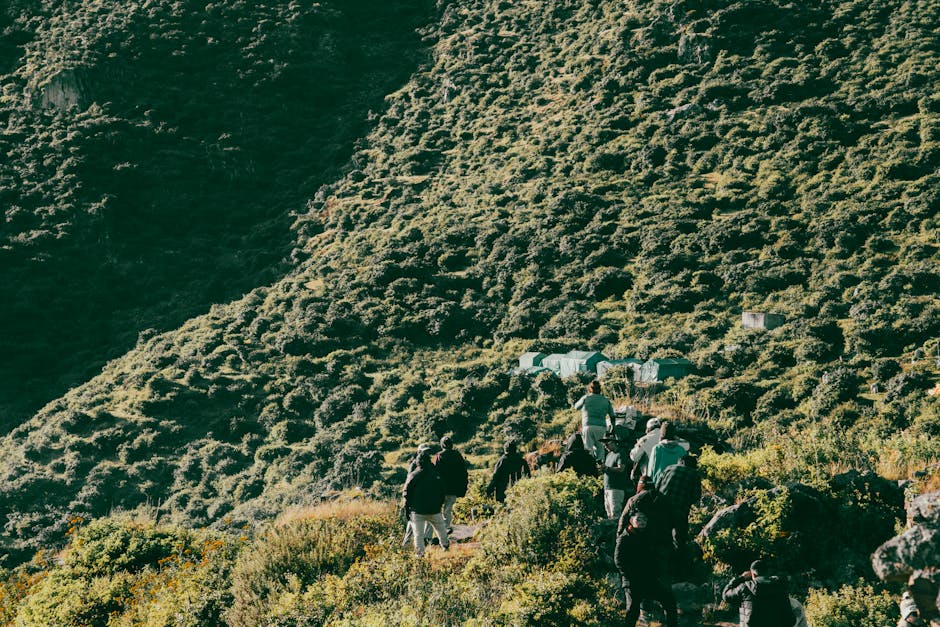
Stick to established trails and campsites. Avoid creating new paths—this leads to erosion and habitat fragmentation. In alpine zones, even a single step can damage fragile vegetation.
Camp at least 200 feet from lakes and streams to protect water quality. Use existing fire rings if fires are allowed.
Dispose of Waste Properly
Pack out all trash, including food scraps and toilet paper. Use a trowel to dig catholes 6–8 inches deep for human waste, far from water sources.
Carry a small bag for used hygiene products. Never burn plastic or foil—it releases toxins and doesn’t decompose.
Leave What You Find
Resist the urge to collect rocks, plants, or artifacts. These items play vital roles in ecosystems. Take photos instead of souvenirs.
Preserve the past: examine but don’t touch cultural or historic structures. Graffiti and vandalism degrade natural and historical sites.
Minimize Campfire Impacts
Use a camp stove for cooking. If you must have a fire, keep it small and use only downed wood. Never leave a fire unattended.
After use, drown the fire with water, stir the ashes, and feel for heat. Pack out charcoal if required by local rules.
Respect Wildlife
Observe animals from a distance. Use binoculars or a zoom lens. Never feed wildlife—it alters natural behaviors and can be dangerous.
Store food securely in bear canisters or hang it 10–15 feet off the ground and 4–6 feet from tree trunks. Never sleep with food in your tent.
Be Considerate of Other Visitors
Keep noise levels low. Yield to uphill hikers on trails. Step off the path to let others pass, especially on narrow routes.
Control pets or leave them at home. Dogs can disturb wildlife and other campers. Clean up after your pet and pack out waste if required.
Health and Safety Tips for Outdoor Adventures
Hydration and Nutrition
Drink water regularly, even if you don’t feel thirsty. Dehydration causes fatigue, headaches, and impaired judgment. Aim for at least 2–3 liters per day on active trips.
Pack high-energy snacks like nuts, dried fruit, and energy bars. For longer trips, bring lightweight meals that rehydrate easily, such as instant oatmeal or freeze-dried dinners.
Sun and Insect Protection
Apply broad-spectrum sunscreen with SPF 30 or higher. Reapply every two hours, especially after sweating or swimming. Wear a wide-brimmed hat and UV-blocking sunglasses.
Use insect repellent with DEET, picaridin, or oil of lemon eucalyptus. Wear long sleeves and pants in buggy areas. Check for ticks daily—they can carry Lyme disease.
Altitude and Heat Awareness
Ascend gradually at high elevations to avoid altitude sickness. Symptoms include headache, nausea, and dizziness. Descend if symptoms worsen.
In hot climates, avoid strenuous activity during midday. Seek shade and rest frequently. Wear light-colored, loose-fitting clothing to reflect heat.
Emergency Preparedness
Carry a fully charged phone and a portable charger. Download offline maps and emergency apps. Know the local emergency number and nearest ranger station.
If lost, stop, stay calm, and assess your location. Use your map and compass to retrace steps. Signal for help with a whistle or mirror if needed.
Eco-Friendly Travel Practices
Choose Sustainable Transportation
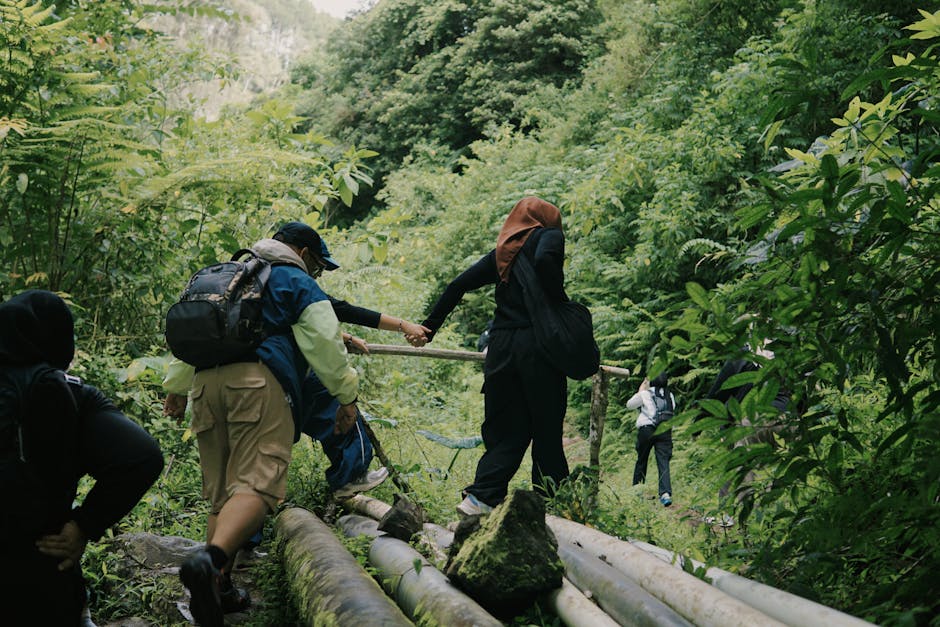
Carpool to trailheads or use public transit when available. Many parks offer shuttle services during peak seasons. Biking to trailheads reduces emissions and parking stress.
Avoid off-road vehicles unless permitted. They damage soil, spread invasive species, and disturb wildlife.
Support Local Communities
Buy gear and supplies from local outfitters. Eat at nearby restaurants and stay in locally owned lodges. Your spending supports conservation and community resilience.
Volunteer with trail maintenance groups or citizen science projects. Many parks welcome help with cleanups or wildlife monitoring.
Reduce Plastic Use
Bring reusable water bottles, utensils, and food containers. Avoid single-use plastics like straws and bags. Choose biodegradable soap for washing dishes.
Pack out all trash—even organic waste like fruit peels. They take longer to decompose in alpine or desert environments and can attract animals.
Recommended Destinations for Nature Travel
United States
Yosemite National Park, California: Iconic granite cliffs, waterfalls, and giant sequoias. Popular hikes include Half Dome and Mist Trail. Reservations required for entry in peak season.
Great Smoky Mountains, Tennessee/North Carolina: Highest visitation in the U.S., with diverse plant and animal life. Cades Cove and Abrams Falls are must-sees.
Acadia National Park, Maine: Coastal trails, rocky shores, and Cadillac Mountain—the first place to see sunrise in the U.S. Best visited in late summer or early fall.
International
Torres del Paine, Chile: Dramatic peaks, glaciers, and turquoise lakes. The W Trek is a classic 5–7 day route. Book refugios (huts) well in advance.
Milford Track, New Zealand: Known as “the finest walk in the world,” this 53-kilometer trail crosses rainforests, alpine passes, and waterfalls. Guided walks available.
Banff National Park, Canada: Stunning mountain scenery with turquoise lakes like Lake Louise and Moraine Lake. Canoeing and wildlife viewing are highlights.
Final Tips for a Successful Nature Trip
Start small. A one-day hike or overnight campout builds confidence. Gradually increase distance and difficulty as your skills improve.
Test gear at home. Set up your tent, cook a meal, and wear your boots on short walks. This prevents surprises in the field.
Stay flexible. Weather, trail conditions, or personal energy may require changes. Have backup plans and know when to turn back.
Document your journey. Take photos, keep a journal, or record voice notes. These memories last longer than souvenirs.
FAQ
What should I pack for a weekend nature trip?
Essentials include a tent, sleeping bag, stove, food, water, first-aid kit, map, compass, headlamp, and weather-appropriate clothing. Don’t forget sunscreen, bug spray, and a trash bag.
How do I stay safe while hiking alone?
Tell someone your route and return time. Carry a whistle, map, and emergency beacon. Stay on marked trails, avoid risky shortcuts, and turn back if conditions worsen.
Can I camp anywhere in nature?
No. Most public lands require permits or restrict camping to designated areas. Check local regulations. In wilderness areas, follow Leave No Trace principles and camp 200 feet from water sources.