Adventure Travel Guide for Hiking Trails and Scenic Routes
Planning your next outdoor escape? This adventure travel guide covers the best hiking trails and scenic routes across diverse landscapes, from mountain ridges to coastal paths. Whether you’re a beginner or an experienced trekker, you’ll find practical tips, route highlights, and safety advice to help you choose and prepare for your ideal journey. We focus on real-world experiences, gear essentials, and lesser-known gems that deliver big on views and adventure—without the crowds.
Why Choose Hiking and Scenic Routes for Your Next Adventure
Hiking offers more than just exercise—it’s a way to disconnect, explore nature, and challenge yourself at your own pace. Unlike crowded tourist spots, well-chosen trails provide solitude, fresh air, and a deeper connection to the environment.
Scenic routes, whether on foot or by bike, allow you to experience landscapes that are often inaccessible by car. From alpine meadows to desert canyons, these paths reveal hidden waterfalls, panoramic vistas, and wildlife encounters you won’t find on paved roads.
Adventure travel centered on hiking is also budget-friendly. With minimal gear and no entrance fees on public trails, it’s accessible to most travelers. Plus, many routes are near towns with lodging, food, and transport options, making logistics simple.
Top Hiking Trails for Every Skill Level
Beginner-Friendly Trails
The Appalachian Trail (Virginia Section) offers gentle climbs and well-marked paths ideal for first-time hikers. Stretching over 500 miles in Virginia alone, shorter segments like the Humpback Rocks Trail provide stunning views with minimal elevation gain.
In California, the Muir Woods National Monument features flat, shaded walks among ancient redwoods. The Main Trail Loop is less than a mile and wheelchair accessible, making it perfect for families or casual explorers.
For coastal scenery, try the Kalalau Trail’s first two miles on Kauai’s Na Pali Coast. Though the full trail is advanced, the initial stretch offers dramatic ocean views and tide pools without technical difficulty.
Intermediate Trails
The Skyline Trail in Jasper National Park, Canada, spans 44 kilometers with moderate elevation changes and frequent wildlife sightings. Hikers pass glaciers, alpine lakes, and dense forests—ideal for those ready to commit to a full-day trek.
In the U.S., the Angels Landing hike in Zion National Park challenges with steep switchbacks and narrow ridges. Chains assist the final ascent, and the 360-degree view of Zion Canyon is unmatched. Permits are required, so plan ahead.
For a mix of culture and nature, the Inca Trail to Machu Picchu combines history with physical challenge. The four-day trek includes stone paths, cloud forests, and archaeological sites. Book through licensed operators at least six months in advance.
Advanced and Multi-Day Treks
The Tour du Mont Blanc circles Western Europe’s highest peak, crossing France, Italy, and Switzerland. Over 170 kilometers, hikers navigate high passes, refuges, and changing weather. Most complete it in 10–11 days with pack support.
In Patagonia, the W Trek in Torres del Paine offers glacier views, turquoise lakes, and granite towers. The five-day route requires solid fitness and preparation for unpredictable winds and rain.
For desert solitude, the Paria Canyon-Vermilion Cliffs Wilderness in Utah features narrow slot canyons and red rock formations. A permit is required, and hikers must be self-sufficient due to limited water sources.
Essential Gear for Hiking and Scenic Adventures
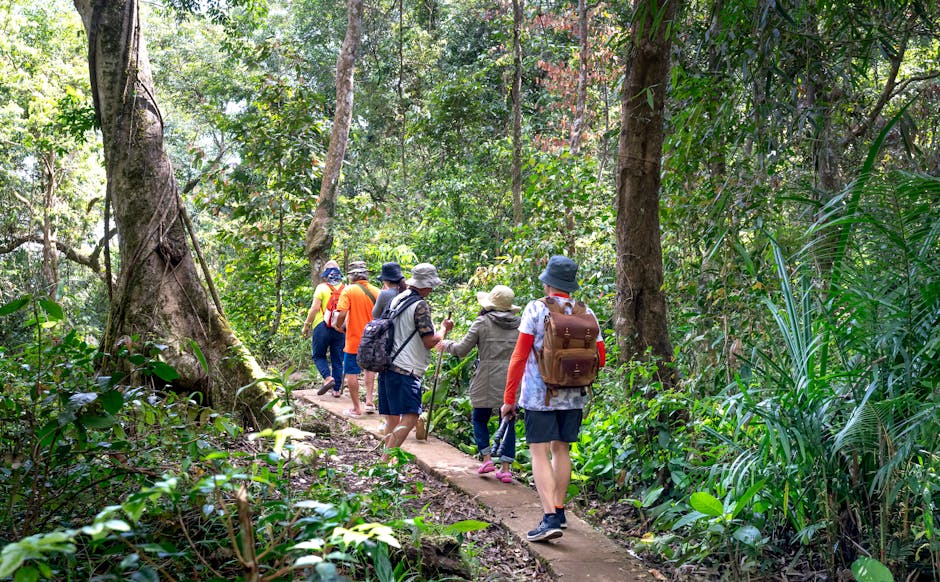
Proper gear makes the difference between a great trip and a dangerous one. Start with a well-fitted backpack—30–50 liters for day hikes, 60–80 for multi-day trips. Look for padded straps and a hip belt to distribute weight.
Footwear is critical. Trail runners work for dry, well-maintained paths, while hiking boots offer ankle support on rocky or uneven terrain. Break in new shoes before long hikes to avoid blisters.
Clothing should be moisture-wicking and layered. Avoid cotton, which retains sweat and increases hypothermia risk. A waterproof shell, insulated jacket, and sun hat cover most weather conditions.
Navigation tools include a physical map, compass, and GPS device or smartphone app like Gaia GPS. Download offline maps in case of poor signal. Always carry a headlamp with extra batteries.
Hydration and nutrition are non-negotiable. Carry at least 2 liters of water per person for day hikes, more in hot or high-altitude areas. Use a filter or purification tablets for refills from natural sources. Pack high-energy snacks like nuts, dried fruit, and energy bars.
Safety items include a first-aid kit, emergency whistle, fire starter, and space blanket. A personal locator beacon (PLB) is recommended for remote areas with no cell service.
Planning Your Adventure: Route Selection and Logistics
Research and Permits
Start by identifying your fitness level, time available, and preferred environment—mountains, forests, deserts, or coastlines. Use trusted sources like AllTrails, National Park Service websites, or local hiking clubs for up-to-date trail conditions.
Many popular trails require permits, especially for overnight stays. For example, the Half Dome cables in Yosemite require a lottery-based permit, while the John Muir Trail uses a quota system. Apply early—some open six months in advance.
Check seasonal closures and weather patterns. Snow may block high-elevation trails until July, while desert hikes are safest in cooler months. Avoid monsoon season in regions like Arizona or Thailand.
Transportation and Accommodations
Most trailheads are accessible by car, but some require shuttle services. In national parks like Yosemite or Banff, use official shuttles to reduce traffic and parking issues.
For remote routes, consider flying into nearby cities and renting a car. In Europe, trains often connect to trail access points—like Chamonix for Mont Blanc hikes.
Accommodations vary from campgrounds to mountain huts. In the Alps, refuges offer beds and meals along long-distance trails. In the U.S., backcountry camping is free in many national forests but requires Leave No Trace practices.
Book huts and lodges early, especially in peak season. For dispersed camping, know local regulations—some areas ban fires or require bear canisters.
Leave No Trace Principles
Respect nature by following the seven Leave No Trace principles. Pack out all trash, including food scraps and toilet paper. Use established campsites to minimize impact.
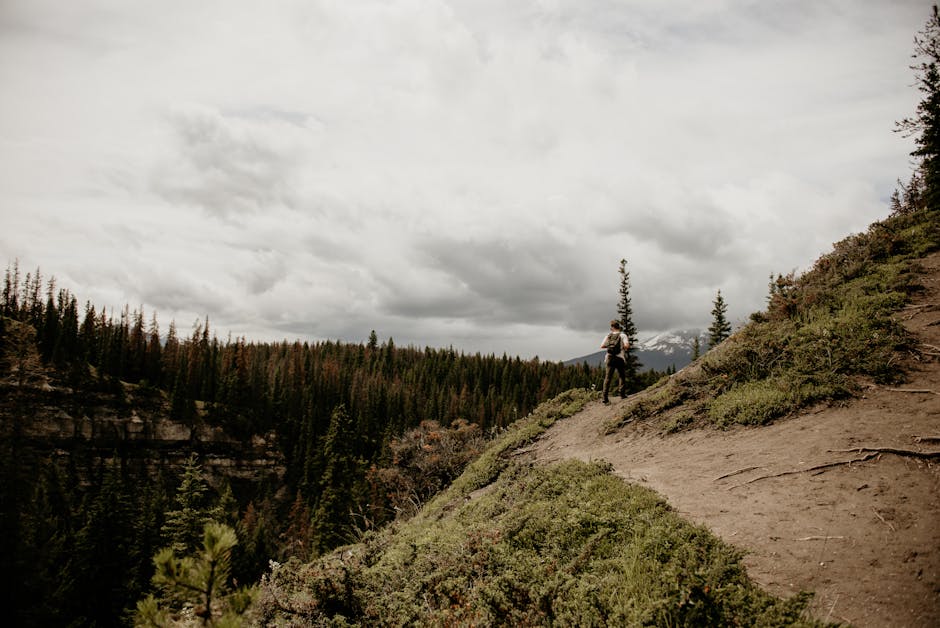
Stay on marked trails to protect fragile ecosystems. Avoid picking plants or disturbing wildlife. Keep noise levels low to preserve the experience for others.
Dispose of human waste properly. In most backcountry areas, dig a cathole 6–8 inches deep and 200 feet from water sources. In sensitive zones like the Grand Canyon, use portable toilets.
Safety Tips for Hiking and Scenic Route Travel
Weather and Environmental Hazards
Weather can change rapidly in mountains and deserts. Check forecasts before departure and monitor conditions during your hike. Turn back if storms, high winds, or extreme heat are expected.
Altitude sickness affects some hikers above 8,000 feet. Symptoms include headache, nausea, and dizziness. Ascend gradually, stay hydrated, and descend if symptoms worsen.
Flash floods are a risk in slot canyons and dry riverbeds. Avoid hiking in narrow valleys during rain, even if it’s not raining where you are. Watch for rising water and debris.
Wildlife Encounters
Bears, mountain lions, and snakes inhabit many hiking areas. Make noise while hiking to avoid surprising animals. Store food in bear-proof containers or hang it properly.
If you encounter a bear, stay calm, speak firmly, and back away slowly. Do not run. Carry bear spray in regions with grizzly populations and know how to use it.
For snakes, watch where you step and place hands on rocks. Most bites occur when people reach into crevices or step over logs without looking.
Emergency Preparedness
Always tell someone your itinerary and expected return time. Carry a fully charged phone, but don’t rely on it for communication. In remote areas, a satellite messenger like Garmin inReach can send SOS signals.
If lost, stop, assess your location, and use your map and compass. Stay put if injured or unsure of direction—moving increases the risk of further injury.
Know basic first aid. Treat blisters early to prevent infection. For sprains, use the RICE method: rest, ice, compression, elevation. Carry a compact first-aid manual.
Hidden Gems: Lesser-Known Scenic Routes
Skip the crowds and explore under-the-radar trails with equally stunning views. The Ice Age Trail in Wisconsin follows ancient glacier paths through forests, prairies, and limestone bluffs. Over 1,000 miles long, it’s ideal for section hikes.
In New Zealand, the Abel Tasman Coast Track offers golden beaches, clear waters, and native birdlife. Most hikers complete it in 3–5 days, with options to kayak between sections.
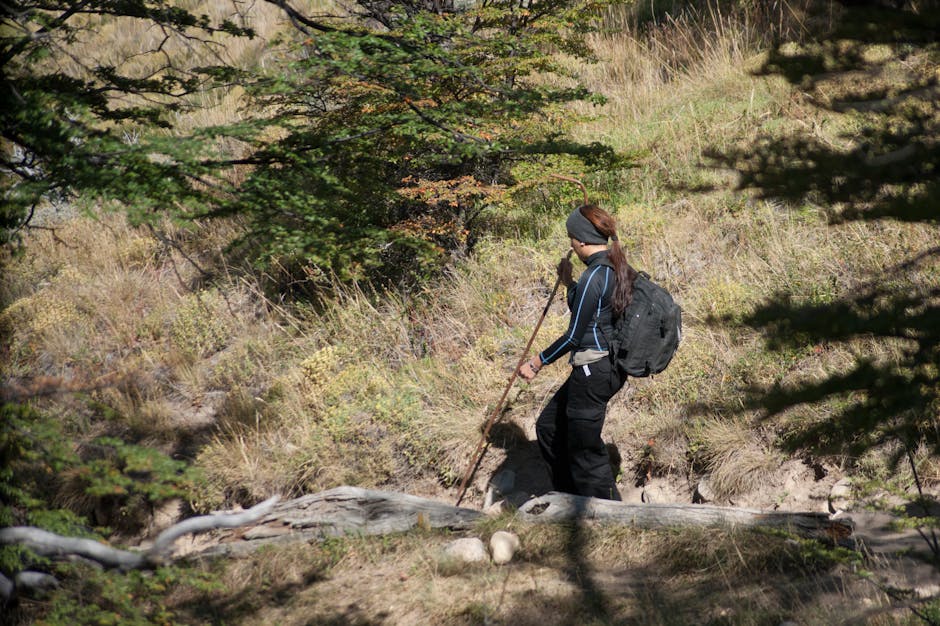
The Laugavegur Trail in Iceland crosses volcanic landscapes, hot springs, and rhyolite mountains. The four-day trek is popular but less crowded than the Inca Trail, with mountain huts along the way.
In the U.S., the Superior Hiking Trail in Minnesota runs 310 miles along Lake Superior’s north shore. It features waterfalls, cliffs, and dense forests, with well-maintained campsites.
For a cultural twist, hike the Camino de Santiago’s Portuguese Coastal Route. It combines ocean views with historic towns and local cuisine, ending at the cathedral in Santiago de Compostela.
How to Capture the Experience: Photography and Journaling
Document your journey without letting gear distract from the experience. Use a lightweight camera or smartphone with a sturdy case. A polarizing filter reduces glare on water and enhances sky contrast.
Golden hour—just after sunrise and before sunset—offers the best natural lighting. Avoid midday sun, which creates harsh shadows. Use a tripod for long exposures of waterfalls or night skies.
Take photos of trail markers, maps, and gear to remember key details. Include people in shots for scale, but respect privacy—ask before photographing strangers.
Keep a travel journal to record daily highlights, challenges, and reflections. Note weather, trail conditions, and wildlife sightings. This helps with future trip planning and preserves memories.
Share responsibly on social media. Avoid tagging exact locations of fragile ecosystems or private land. Use hashtags like #hikingadventures or #scenictrails to connect with like-minded travelers.
Final Tips for a Successful Adventure
Start small if you’re new to hiking. Build endurance with shorter walks before attempting multi-day treks. Train with a loaded backpack to simulate trail conditions.
Respect local customs and regulations. In some countries, trails pass through sacred sites or private property. Always ask permission and follow posted rules.
Pack light but smart. Every ounce counts on long hikes. Use gear reviews and rental options to test equipment before investing.
Finally, embrace the unexpected. Weather delays, trail closures, or minor injuries are part of adventure travel. Stay flexible, stay safe, and enjoy the journey.
FAQ
What should I pack for a day hike?
Essentials include water (2+ liters), snacks, a map and compass, first-aid kit, headlamp, sun protection, and extra layers. Add a whistle, fire starter, and emergency shelter for safety.
How do I find permits for popular trails?
Check official park websites or recreation.gov for permit requirements. Many high-demand trails use lotteries or advance booking systems—apply early and have backup dates.
Is it safe to hike alone?
Solo hiking is possible with proper preparation. Choose well-marked, popular trails, carry a communication device, and share your plan with someone. Avoid remote or technical routes without experience.