Top Travel Destinations for Island Hopping Adventures
Island hopping offers travelers the chance to explore multiple destinations in one trip, blending diverse cultures, landscapes, and experiences. Whether you’re drawn to turquoise waters, volcanic peaks, or secluded beaches, the best island hopping adventures combine accessibility, variety, and natural beauty. This guide highlights the world’s top destinations where you can seamlessly travel between islands—by ferry, boat, or short flight—while enjoying unique sights, local cuisine, and outdoor activities. From the Mediterranean to Southeast Asia and the Caribbean, these regions stand out for their well-connected routes, traveler-friendly infrastructure, and unforgettable scenery.
Why Island Hopping Appeals to Modern Travelers
Island hopping satisfies the desire for variety without the hassle of long-distance travel. Instead of spending days in transit, travelers can experience several distinct environments within a single region. It’s ideal for those who want to maximize their vacation time while minimizing logistical stress.
These journeys often include a mix of relaxation and adventure. One day you might snorkel in coral reefs; the next, you could hike to a cliffside temple or sample street food in a bustling port town. The rhythm of island life—slower, more intentional—encourages deeper connections with local communities and environments.
For budget-conscious travelers, island hopping can also be cost-effective. Many routes use affordable ferries or regional airlines, and accommodations range from guesthouses to luxury resorts. Planning ahead ensures you get the best value without sacrificing quality.
Top Island Hopping Destinations Around the World
The Greek Islands: A Classic Mediterranean Escape
The Greek archipelago is one of the most popular island hopping destinations, thanks to its rich history, iconic white-washed buildings, and reliable ferry network. Islands like Santorini, Mykonos, Paros, and Naxos offer a mix of nightlife, culture, and natural beauty.
Santorini dazzles with its caldera views and sunset vistas in Oia. Mykonos is known for its vibrant beach clubs and windmills. For a quieter experience, Paros and Naxos provide charming villages, olive groves, and fewer crowds. Ferries connect most major islands daily during peak season, making it easy to design a flexible itinerary.
Travelers should book ferry tickets in advance during summer months. Overbooking is common, and delays can occur due to weather. Renting a scooter or car on larger islands helps you explore hidden coves and local tavernas off the main tourist paths.
The Philippines: Over 7,000 Islands of Tropical Wonder
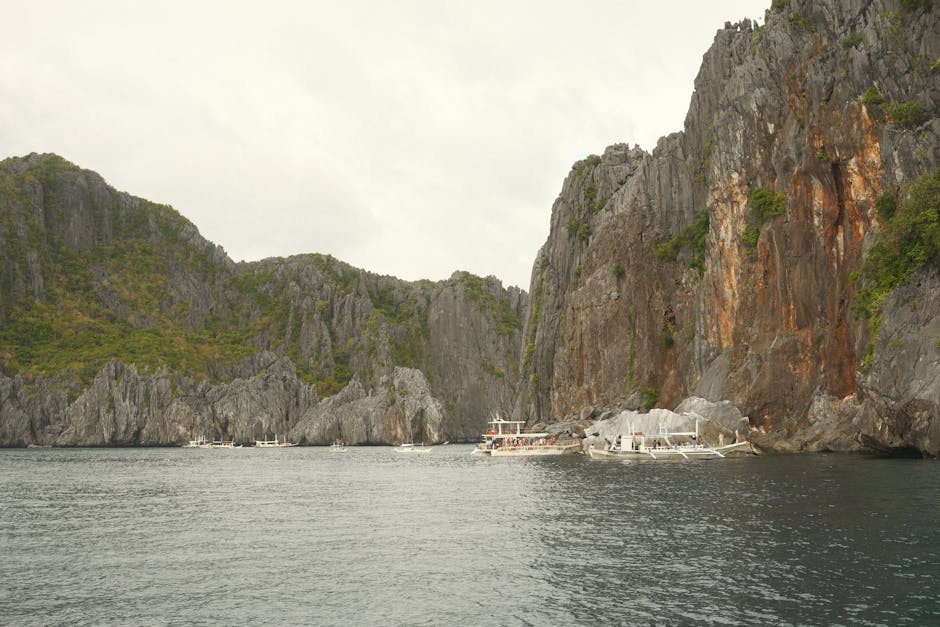
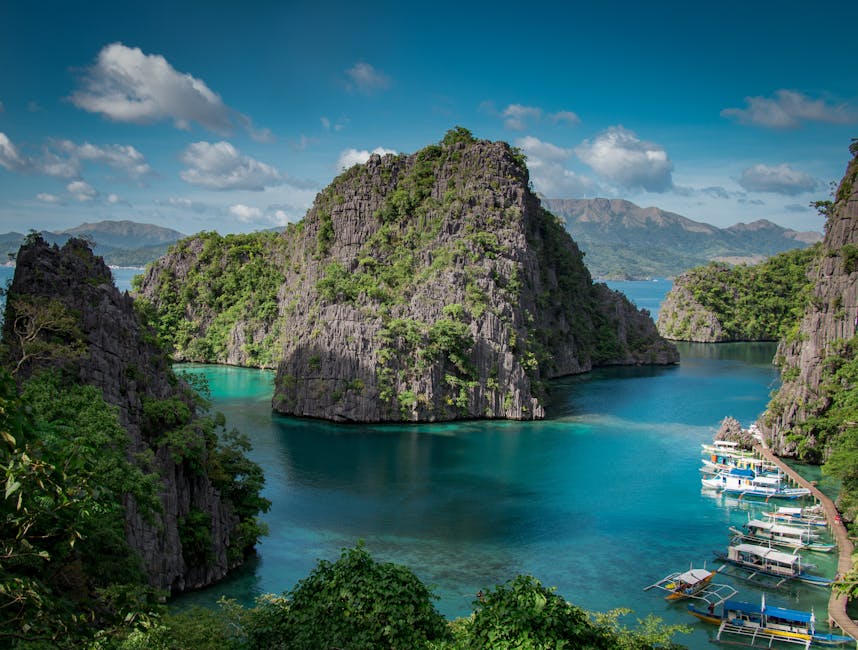
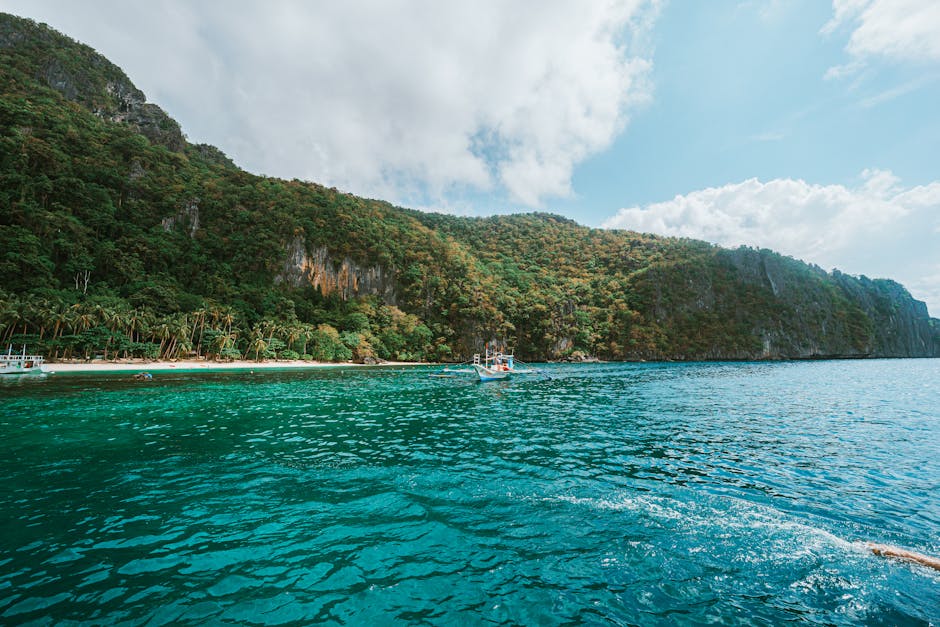
With more than 7,600 islands, the Philippines offers endless possibilities for island hopping. The Visayas region—home to Cebu, Bohol, and Negros—is a favorite among backpackers and luxury travelers alike. Palawan, particularly El Nido and Coron, is renowned for its limestone cliffs, clear lagoons, and world-class diving.
Island hopping tours in Palawan typically include stops at Secret Lagoon, Big Lagoon, and Shimizu Island. These full-day boat trips allow you to swim, snorkel, and sunbathe while cruising between destinations. Local operators provide life jackets, lunch, and guides, though it’s wise to confirm safety standards before booking.
Monsoon season runs from June to October, so plan your trip between November and May for calm seas and sunny skies. Be mindful of environmental guidelines—many areas restrict single-use plastics and require visitors to carry out all trash.
Indonesia: Bali and the Gili Islands
Bali is a gateway to some of Indonesia’s most scenic island hopping routes. From the mainland, travelers can take a short boat ride to the Gili Islands—Gili Trawangan, Gili Meno, and Gili Air—each offering a different vibe.
Gili Trawangan is the most developed, with beach bars and diving centers. Gili Meno is quieter, ideal for couples and snorkelers. Gili Air strikes a balance, with local villages and coral reefs just offshore. No cars are allowed on the Gilis; transportation is by bicycle or horse-drawn cart.
Beyond the Gilis, Lombok and the nearby islands of the Wallacea region offer rugged landscapes and fewer tourists. The three-hour fast boat from Bali to Lombok is reliable, but sea conditions can be rough. Always check weather reports and choose licensed operators.
The Caribbean: A Tapestry of Cultures and Coastlines
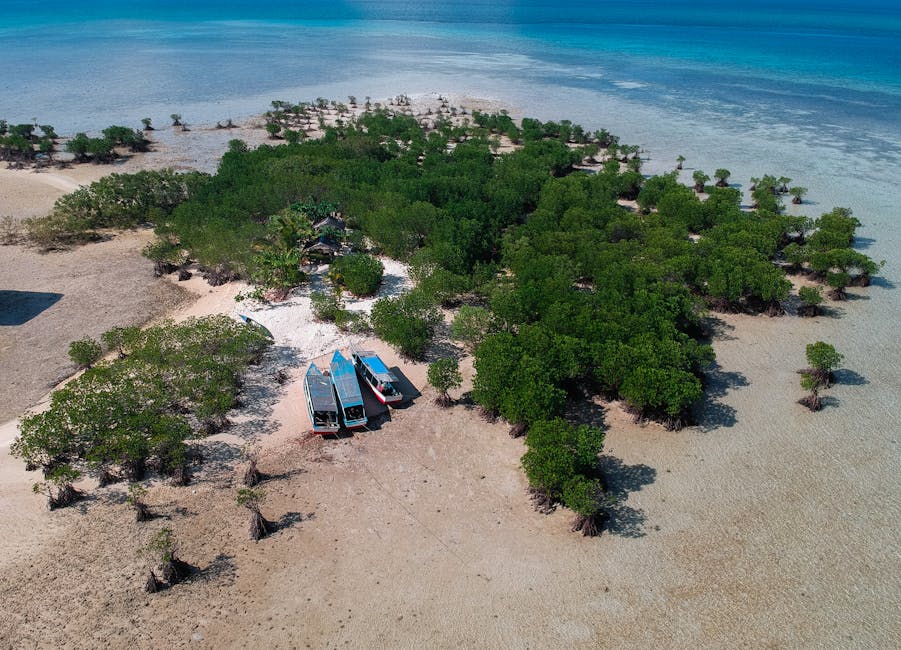
The Caribbean is synonymous with island hopping, thanks to its proximity of islands and frequent inter-island flights. The Lesser Antilles—stretching from the Virgin Islands to Trinidad—offer a blend of English, French, Dutch, and Creole influences.
Popular routes include St. Martin to Anguilla, Antigua to St. Barths, and the ABC islands (Aruba, Bonaire, Curaçao). Each island has its own character: Aruba boasts white-sand beaches and desert landscapes, while Bonaire is a diver’s paradise with protected marine parks.
Ferries operate between some neighboring islands, but flights are often faster and similarly priced. Airlines like Winair and interCaribbean Airways connect major hubs. Hurricane season runs from June to November, so travelers should monitor forecasts and consider travel insurance.
Thailand: The Andaman Coast and Gulf Islands
Thailand’s island chains cater to all types of travelers. The Andaman Coast features Phuket, Krabi, and the Phi Phi Islands, known for dramatic cliffs and emerald waters. The Gulf of Thailand is home to Koh Samui, Koh Phangan, and Koh Tao—famous for full moon parties and diving.
Island hopping here is straightforward. Long-tail boats and speedboats shuttle tourists between hotspots. From Phuket, you can visit James Bond Island or Railay Beach in Krabi. Koh Tao is a short ferry ride from Koh Samui and offers some of the best beginner diving in Southeast Asia.
High season runs from November to February, when weather is dry and seas are calm. March to May can be extremely hot, while monsoon rains affect the Andaman Coast from May to October. Book accommodations early during peak times, especially around holidays.
The Maldives: Luxury and Seclusion in the Indian Ocean
The Maldives is a top destination for travelers seeking privacy and luxury. While island hopping here is less about budget travel and more about curated experiences, it’s still possible to visit multiple atolls with proper planning.
Most visitors stay on resort islands, but local ferries and seaplanes connect inhabited islands and cultural sites. A typical itinerary might include a stay on Male’s nearby islands, a visit to Maafushi for local life, and a luxury resort in the South Ari Atoll for whale shark sightings.
Seaplane transfers are scenic but expensive. Shared ferries are cheaper but slower and less comfortable. Travelers should respect local customs—dress modestly on local islands and avoid public displays of affection. Alcohol is prohibited outside resort zones.
How to Plan Your Island Hopping Itinerary
Choose the Right Region for Your Travel Style
Your ideal destination depends on what you value most: culture, adventure, relaxation, or nightlife. The Greek Islands suit history lovers and foodies. The Philippines and Indonesia appeal to nature enthusiasts and divers. The Caribbean offers a mix of luxury and local charm.
Consider travel time and budget. Flights to Southeast Asia or the Caribbean may be long, but once there, inter-island travel is often affordable. European destinations like Greece are easier for short getaways, with fewer jet lag concerns.
Research visa requirements and vaccination recommendations. Some countries require advance applications, while others offer visa-on-arrival for tourists.
Map Out Your Route and Transportation Options
Start by identifying 3–5 islands you’d like to visit. Use travel forums, guidebooks, or apps like Rome2Rio to compare transport times and costs. Ferries are common in Greece, Thailand, and the Philippines, while the Caribbean relies more on flights.
Create a flexible schedule. Allow buffer days for weather delays or spontaneous discoveries. Over-scheduling can lead to burnout, especially in tropical climates where midday heat is intense.
Book inter-island transport in advance during peak season. Last-minute tickets may be sold out or more expensive. Keep digital and printed copies of all bookings.
Pack Smart for Multi-Island Travel
Light packing is essential. You’ll likely be moving every few days, and storage space on boats and in guesthouses is limited. A 40–50L backpack or carry-on suitcase works best.
Include quick-dry clothing, reef-safe sunscreen, a reusable water bottle, and waterproof bags. Don’t forget adapters for international outlets and a portable charger for long travel days.
If you plan to snorkel or dive, consider bringing your own mask and snorkel for comfort and hygiene. Many tours provide gear, but personal equipment ensures a better fit.
Safety and Sustainability Tips for Island Hopping
Stay Safe on the Water and Shore
Always wear a life jacket during boat transfers, especially on open-water routes. Check that vessels are licensed and equipped with safety gear. Avoid traveling at night unless on a reputable ferry with lighting and crew.
Be cautious with water activities. Strong currents, sharp coral, and marine life can pose risks. Swim near lifeguard stations when possible and never touch wildlife.
Keep copies of your passport, insurance, and emergency contacts. Register with your embassy if traveling to remote areas. Share your itinerary with someone at home.
Travel Responsibly to Protect Fragile Ecosystems
Many island destinations face environmental challenges from overtourism. Help preserve these places by following local guidelines. Avoid single-use plastics, stay on marked trails, and never take coral or shells as souvenirs.
Support eco-certified tours and accommodations. Look for businesses that employ local staff, use renewable energy, and contribute to conservation efforts.
Respect cultural norms. Dress appropriately, ask before taking photos of people, and learn a few basic phrases in the local language. Small gestures build goodwill and enrich your experience.
When to Go: Timing Your Island Adventure
Seasonality greatly affects island hopping experiences. In the Mediterranean, peak season is June to August—ideal weather but crowded and expensive. Shoulder months (April–May and September–October) offer fewer tourists and lower prices.
In Southeast Asia, the dry season varies by region. Thailand’s Andaman Coast is best from November to April, while the Gulf Islands enjoy dry weather from December to March. The Philippines sees fewer rains from December to May.
The Caribbean’s high season runs from December to April, coinciding with winter escapes from colder climates. Hurricane risk increases from August to October, so monitor forecasts closely.
The Maldives is pleasant year-round, but January to March offers the calmest seas and best visibility for diving. Avoid the monsoon months of May to October if possible.
Budgeting for Your Island Hopping Trip
Estimate Costs by Region
Island hopping can fit various budgets. In Greece, expect to spend €80–€150 per day, including mid-range accommodations, meals, and ferry tickets. The Philippines and Indonesia are more affordable, with daily costs ranging from $40–$80 for budget travelers.
The Caribbean and Maldives are generally more expensive. Daily expenses in the Caribbean can reach $150–$300, depending on island and activity level. The Maldives often exceeds $500 per day, especially on resort islands.
Flights between islands add up. Compare ferry and flight prices—sometimes flying is cheaper and faster. Look for regional passes or multi-island packages offered by tour operators.
Save Money Without Sacrificing Experience
Stay in locally owned guesthouses or homestays instead of international hotel chains. They’re often cheaper and offer more authentic interactions. Eat at local markets and street food stalls—delicious and budget-friendly.
Book activities directly with local guides rather than through large tour companies. You’ll often get a better rate and more personalized service. Group tours can also reduce costs if you’re traveling solo.
Travel during shoulder seasons for lower prices and better availability. You’ll avoid crowds and still enjoy good weather in most destinations.
Final Thoughts on Island Hopping Adventures
Island hopping opens doors to diverse experiences in a single journey. Whether you’re sailing through the Greek isles, diving in the Philippines, or relaxing on a Maldivian atoll, these adventures offer something for every traveler. With thoughtful planning, you can enjoy seamless transitions between islands, immerse yourself in local cultures, and create lasting memories.
Remember to prioritize safety, respect the environment, and stay flexible. The best island hopping trips often include unexpected detours and spontaneous discoveries. Pack light, plan smart, and embrace the rhythm of island life.
FAQ
What is the best time of year for island hopping in Southeast Asia?
The ideal time is during the dry season, typically from November to April. Weather is sunny, seas are calm, and travel between islands is more reliable. Avoid monsoon months when storms can disrupt ferry and flight schedules.
Do I need a visa for island hopping in the Caribbean?
It depends on your nationality and the islands you visit. Many Caribbean nations offer visa-free entry or visa-on-arrival for tourists from the US, EU, and other regions. Check each country’s requirements before traveling, as rules vary even within the same archipelago.
Is island hopping expensive?
Costs vary by destination. Budget-friendly options like the Philippines and Indonesia can be very affordable, while the Maldives and parts of the Caribbean are more luxurious and costly. Planning ahead, traveling off-peak, and choosing local accommodations can help manage expenses.