Adventure Travel Guide to Mountain Adventures and Treks
Planning a mountain adventure or trek can be one of the most rewarding experiences for outdoor enthusiasts. Whether you’re drawn to the snow-capped peaks of the Himalayas, the rugged trails of the Andes, or the forested ridges of the Rockies, preparation and knowledge are key. This adventure travel guide to mountain adventures and treks covers essential planning tips, safety considerations, gear recommendations, and top destinations to help you embark on a safe and memorable journey.
Why Choose Mountain Adventures and Treks?
Mountain adventures offer a unique blend of physical challenge, natural beauty, and personal growth. Unlike typical vacations, trekking immerses you in remote landscapes where modern distractions fade away. You’ll experience crisp air, panoramic views, and the quiet satisfaction of reaching a summit or completing a long trail.
These journeys also build resilience and confidence. Navigating uneven terrain, adjusting to altitude, and making decisions in changing weather conditions sharpen both mental and physical skills. For many, mountain treks become transformative experiences that foster deeper connections with nature and oneself.
Choosing the Right Mountain Adventure
Assess Your Fitness Level
Not all mountain adventures are created equal. Some require weeks of endurance training, while others are suitable for casual hikers. Be honest about your current fitness level before committing to a trek.
For example, the Inca Trail to Machu Picchu demands moderate stamina and acclimatization to high altitude. In contrast, day hikes in the Swiss Alps may only require comfortable shoes and a light backpack. Start with shorter, well-marked trails if you’re new to trekking.
Consider the Season and Weather
Weather plays a critical role in mountain safety and comfort. Most alpine regions have short hiking seasons due to snow and ice. In the Himalayas, the best trekking months are typically April to May and September to November.
Avoid monsoon seasons in tropical mountain ranges like the Western Ghats in India. Similarly, winter treks in the Alps require specialized gear and avalanche awareness. Always check local forecasts and trail conditions before departure.
Research the Difficulty and Duration
Treks vary widely in length and technical difficulty. A multi-day expedition like the Everest Base Camp trek spans 130 kilometers and takes about two weeks. Meanwhile, a weekend hike in the Smoky Mountains might cover just 20 kilometers.
Look for trails that match your experience. Beginners should prioritize routes with clear signage, reliable water sources, and emergency access. Experienced trekkers may seek off-trail or high-altitude challenges with proper permits and guides.
Essential Gear for Mountain Treks
Footwear and Clothing
Proper footwear is non-negotiable. Invest in well-fitted hiking boots with ankle support and good tread. Break them in before your trip to avoid blisters.
Dress in layers to adapt to changing temperatures. A moisture-wicking base layer, insulating mid-layer, and waterproof outer shell form the foundation of mountain attire. Avoid cotton, which retains moisture and increases the risk of hypothermia.
Backpack and Navigation Tools
Choose a backpack with a capacity of 30–50 liters for day hikes and 60–80 liters for multi-day treks. Ensure it has padded straps, a hip belt, and multiple compartments for organization.
Always carry a map, compass, and GPS device. Even on marked trails, weather can reduce visibility quickly. A physical map doesn’t rely on battery life and is invaluable in emergencies.
Safety and Emergency Supplies
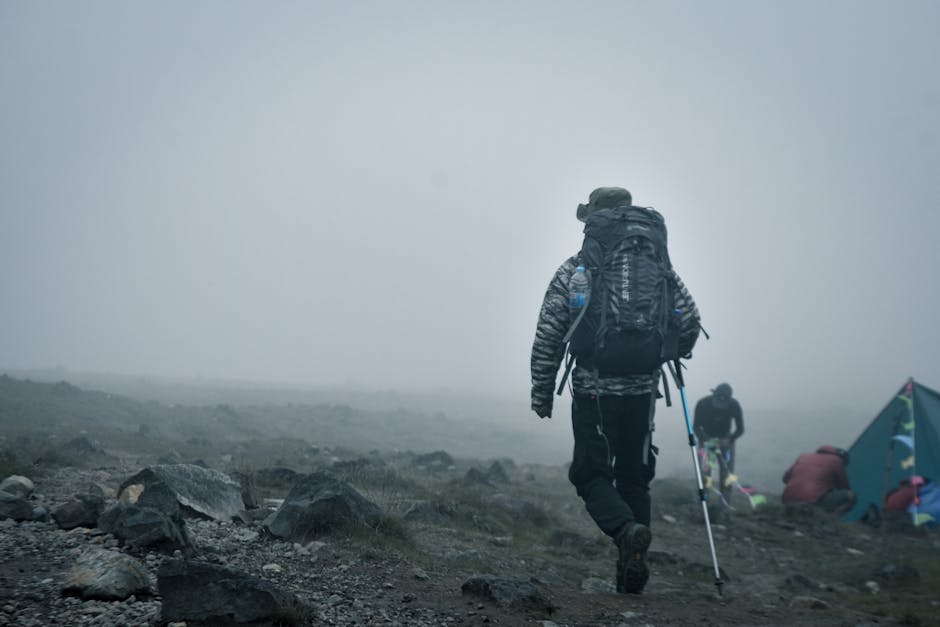
Pack a first-aid kit with bandages, antiseptic, blister treatment, and any personal medications. Include a whistle, headlamp with extra batteries, and a lightweight emergency shelter or bivy sack.
A satellite communicator like a Garmin inReach can be a lifesaver in remote areas with no cell service. Let someone know your itinerary and expected return time before heading out.
Top Mountain Adventure Destinations
The Himalayas: Nepal and Bhutan
The Himalayas are the crown jewel of mountain trekking. Nepal offers iconic routes like the Annapurna Circuit and Langtang Valley, both accessible to trekkers with moderate experience.
Bhutan combines natural beauty with cultural immersion. The Snowman Trek is one of the world’s most challenging, traversing high passes and remote villages over 25 days. Permits and guided tours are required.
The Andes: Peru and Patagonia
Peru’s Andes are home to the legendary Inca Trail, a four-day journey ending at Machu Picchu. Due to conservation efforts, permits are limited and must be booked months in advance.
Patagonia, spanning Chile and Argentina, offers dramatic landscapes with trails like the Torres del Paine W Trek. Expect strong winds and unpredictable weather, even in summer.
The Alps: Switzerland, France, and Italy
The European Alps provide well-maintained trails and mountain huts for overnight stays. The Tour du Mont Blanc circles Western Europe’s highest peak, passing through three countries over 11 days.
For a shorter adventure, consider the Haute Route from Chamonix to Zermatt. It’s physically demanding but rewards hikers with views of the Matterhorn and Mont Blanc.
North America: The Rockies and Appalachians
Canada’s Banff and Jasper National Parks offer alpine lakes, glaciers, and abundant wildlife. The Skyline Trail in Jasper is a two-day trek with minimal elevation gain, ideal for beginners.
In the U.S., the Appalachian Trail spans 2,200 miles from Georgia to Maine. Most hikers complete sections rather than the full route. The White Mountains in New Hampshire are popular for rugged day hikes.
Safety Tips for Mountain Adventures
Acclimatize to Altitude
Altitude sickness affects even experienced trekkers. Symptoms include headache, nausea, and dizziness. Ascend gradually—no more than 300–500 meters per day above 2,500 meters.
Spend an extra day at intermediate elevations if possible. Descend immediately if symptoms worsen. Medications like acetazolamide can help prevent altitude illness but should not replace proper acclimatization.
Stay Hydrated and Fueled
Dehydration increases the risk of altitude sickness and fatigue. Drink at least 3–4 liters of water daily, even if you don’t feel thirsty. Use water purification tablets or a filter when sourcing from streams.
Eat high-calorie snacks like nuts, dried fruit, and energy bars. Your body burns more calories at high elevations and in cold weather. Avoid alcohol, which can worsen dehydration and impair judgment.
Be Weather-Wise
Mountain weather changes rapidly. A clear morning can turn into a thunderstorm by afternoon. Check forecasts daily and be prepared to turn back if conditions deteriorate.
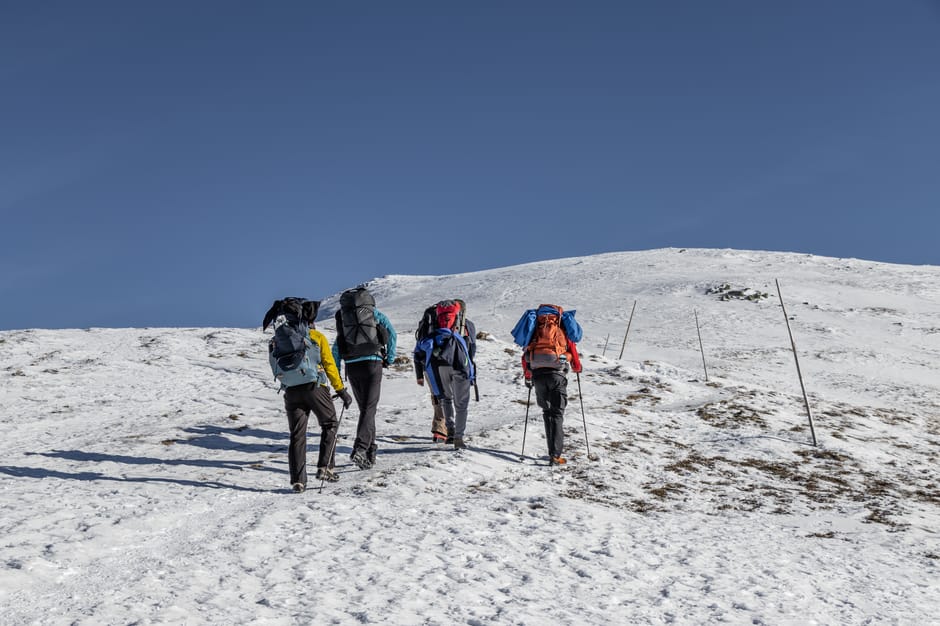
Lightning is a serious hazard above the tree line. Seek lower ground and avoid open ridges during storms. Hypothermia can occur even in mild temperatures if you’re wet and windy.
Environmental Responsibility on the Trail
Practice Leave No Trace Principles
Mountain ecosystems are fragile. Follow the seven Leave No Trace principles: plan ahead, travel on durable surfaces, dispose of waste properly, leave what you find, minimize campfire impact, respect wildlife, and be considerate of others.
Pack out all trash, including food scraps and toilet paper. Use established campsites to reduce soil erosion. Avoid disturbing wildlife—observe from a distance.
Support Local Communities
Many mountain regions rely on tourism for economic stability. Hire local guides, stay in family-run lodges, and purchase handmade goods. This ensures your adventure benefits the people who call these places home.
In Nepal, for example, teahouses along the Annapurna Circuit provide meals and shelter while supporting village economies. Choose operators with fair labor practices and sustainable policies.
Planning Your Mountain Adventure: Step-by-Step
Step 1: Define Your Goals
Ask yourself what you want from the experience. Are you seeking solitude, physical challenge, photography opportunities, or cultural exchange? Your goals will shape destination and route choices.
For instance, a solo trek in the Dolomites may offer peace and stunning vistas, while a group expedition in Peru could emphasize teamwork and ancient history.
Step 2: Research and Book in Advance
Popular treks require permits and advance reservations. The Inca Trail sells out months ahead, especially during peak season. Research visa requirements, vaccination recommendations, and travel insurance options.
Use reputable guidebooks, government tourism sites, and trusted online forums like TripAdvisor or Reddit’s r/hiking for up-to-date information.
Step 3: Train and Prepare
Start training at least 8–12 weeks before your trip. Focus on cardiovascular fitness, leg strength, and balance. Hike with a loaded backpack on varied terrain to simulate real conditions.
Practice setting up your tent, using your stove, and navigating with a map and compass. Familiarity with gear reduces stress on the trail.
Step 4: Pack Smart
Make a checklist and test your gear before departure. Distribute weight evenly in your pack—heavy items close to your back and centered. Keep essentials like snacks, water, and a first-aid kit easily accessible.
Weigh your pack; it should not exceed 20–25% of your body weight for multi-day treks. Every ounce counts when climbing steep trails.
Step 5: Stay Flexible
Even the best-laid plans can change due to weather, injury, or trail closures. Build flexibility into your itinerary. Have backup routes or rest days built in.
Listen to your body. Pushing through pain or fatigue increases the risk of accidents. It’s okay to turn back—safety always comes first.
Common Challenges and How to Overcome Them
Blisters and Foot Care
Blisters are the most common trekking injury. Prevent them by wearing moisture-wicking socks and properly fitted boots. Apply moleskin or blister pads to hot spots immediately.
Change socks during breaks and keep feet dry. Carry an extra pair of socks and consider gaiters to keep debris out of your boots.
Navigation Errors
Losing the trail is more common than you think, especially in fog or snow. Always carry a map and compass, and know how to use them. GPS devices are helpful but not foolproof.
If you get lost, stop, assess your location, and retrace your steps if possible. Stay calm and avoid wandering aimlessly, which can worsen the situation.
Wildlife Encounters
Most mountain wildlife avoids humans, but encounters can happen. In bear country, carry bear spray and make noise while hiking to avoid surprising animals.
Store food in bear-proof containers or hang it away from camp. Never feed wildlife—it endangers both animals and people.
Final Thoughts on Mountain Adventures and Treks
Mountain adventures and treks offer unparalleled opportunities for exploration, challenge, and connection with nature. With proper planning, the right gear, and respect for the environment, your journey can be both safe and deeply fulfilling.
Whether you’re standing atop a remote peak or quietly observing a sunrise over alpine meadows, these experiences stay with you long after the trail ends. Start small, learn from each trip, and gradually build your skills and confidence.
FAQ
What is the best time of year for mountain trekking?
The ideal time varies by region. In the Himalayas, spring (April–May) and autumn (September–November) offer stable weather and clear skies. In the Alps, summer (June–August) is peak season, while Patagonia is best visited from November to March.
Do I need a guide for mountain treks?
It depends on the destination and your experience. Guided treks are required in places like Bhutan and the Inca Trail. For well-marked trails in national parks, solo hiking may be safe with proper preparation.
How much does a mountain adventure typically cost?
Costs vary widely. A weekend hike in the U.S. might cost under $100 for gear and permits. International treks, including flights, guides, and lodging, can range from $1,500 to $5,000 or more.