Travel Tips Guide with Safety Tips for Solo Travelers
Solo travel can be one of the most rewarding experiences, offering freedom, self-discovery, and unforgettable adventures. But without a companion, safety becomes a top priority. This travel tips guide with safety tips for solo travelers covers essential planning steps, real-world precautions, and practical advice to help you explore confidently and securely. Whether you’re heading to a bustling city or a remote village, these strategies will help you stay safe while making the most of your journey.
Plan Ahead: The Foundation of Safe Solo Travel
Preparation is your best defense against unexpected problems. Start by researching your destination thoroughly—understand local customs, laws, transportation options, and common scams. Check government travel advisories from sources like the U.S. Department of State or your country’s foreign affairs office.
Book your first few nights’ accommodation in advance, especially if arriving late. Choose reputable hotels or hostels in well-reviewed neighborhoods. Share your itinerary with a trusted friend or family member, including flight details, hotel names, and planned activities.
Create a Digital Backup
Scan your passport, visa, travel insurance, and emergency contacts. Store digital copies in a secure cloud service like Google Drive or iCloud. Carry physical copies separately from the originals. This ensures access to critical documents even if your bag is lost or stolen.
Pack Smart and Light
Bring only what you need. A lighter bag reduces strain and makes you less noticeable as a tourist. Include a portable charger, universal adapter, and a small first-aid kit. Avoid flashy jewelry or expensive electronics that draw attention.
Consider packing a doorstop alarm or portable lock for added security in shared accommodations. These lightweight tools can alert you to intrusions and are easy to use in most hotel rooms or hostels.
Stay Connected and Informed
Reliable communication is essential. Purchase a local SIM card or an international data plan to stay connected. Download offline maps and translation apps before you go. Google Maps and Maps.me work well without internet, helping you navigate unfamiliar areas.
Register with your embassy’s travel program, such as the U.S. STEP program. This allows officials to contact you in case of emergencies like natural disasters or civil unrest.
Use Technology Wisely
Share your real-time location with a trusted contact using apps like WhatsApp or Find My. Set up automatic check-ins so someone knows you’ve reached your destination safely. Avoid posting your exact location on social media in real time—wait until you’ve left an area.
Enable two-factor authentication on all accounts and use a password manager. Public Wi-Fi is convenient but risky—avoid accessing banking or sensitive accounts on unsecured networks.
Navigate Transportation Safely
Public transit is usually safe and affordable, but stay alert during rush hours and late-night travel. Sit near the driver or in well-lit, populated areas of the train or bus. In cities like Bangkok or Mexico City, use official taxis or ride-sharing apps like Uber instead of hailing cabs on the street.
If renting a car, choose reputable companies and inspect the vehicle thoroughly. Avoid driving at night in unfamiliar rural areas where roads may be poorly lit or maintained.
Avoid Common Scams
Scammers often target solo travelers who appear disoriented or alone. Be wary of overly friendly strangers offering unsolicited help, “free” tours, or invitations to bars. In cities like Paris or Rome, watch for distraction tactics—such as someone spilling something on you while an accomplice picks your pocket.
Always verify prices before agreeing to services. For example, in some Southeast Asian markets, vendors may quote one price and demand another at checkout. Politely walk away if something feels off.
Blend In and Stay Aware
Dressing like a local reduces your visibility as a tourist. Avoid brand logos, expensive watches, or carrying large amounts of cash. In conservative regions, respect dress codes—cover shoulders and knees where required.
Stay aware of your surroundings. Put your phone away while walking, especially in crowded markets or tourist hotspots. Keep your bag in front of you and use crossbody straps that are harder to snatch.
Trust Your Instincts
If a situation feels uncomfortable, leave. It’s better to be overly cautious than to ignore red flags. Whether it’s a person, a place, or an activity, your gut feeling is often right. Don’t worry about being polite—your safety comes first.
Avoid walking alone at night in poorly lit or deserted areas. Stick to main streets and well-populated zones. In cities like Rio de Janeiro or Johannesburg, it’s especially important to avoid isolated areas after dark.
Choose Safe Accommodations
Read recent reviews on platforms like Booking.com or Hostelworld. Look for mentions of security, cleanliness, and staff responsiveness. Female solo travelers may prefer women-only dorms or hotels with 24-hour front desks.
Check that doors and windows lock properly. Use the hotel safe for valuables. If staying in a hostel, keep your belongings locked and avoid leaving items unattended in common areas.
Meet Other Travelers Wisely
Socializing can enhance your trip, but be selective. Meet people in public places like cafes or group tours. Avoid going to private rooms or secluded spots with someone you just met. If joining a group activity, confirm the organizer’s credentials and read reviews.
Use apps like Meetup or Couchsurfing Events to connect with locals or other travelers in a structured setting. These platforms often have safety features and user verification.
Handle Emergencies with Confidence
Know the local emergency numbers. In most of Europe, dial 112. In the U.S., it’s 911. Save these in your phone and write them on a card in your wallet. Learn basic phrases in the local language, such as “I need help” or “Call the police.”
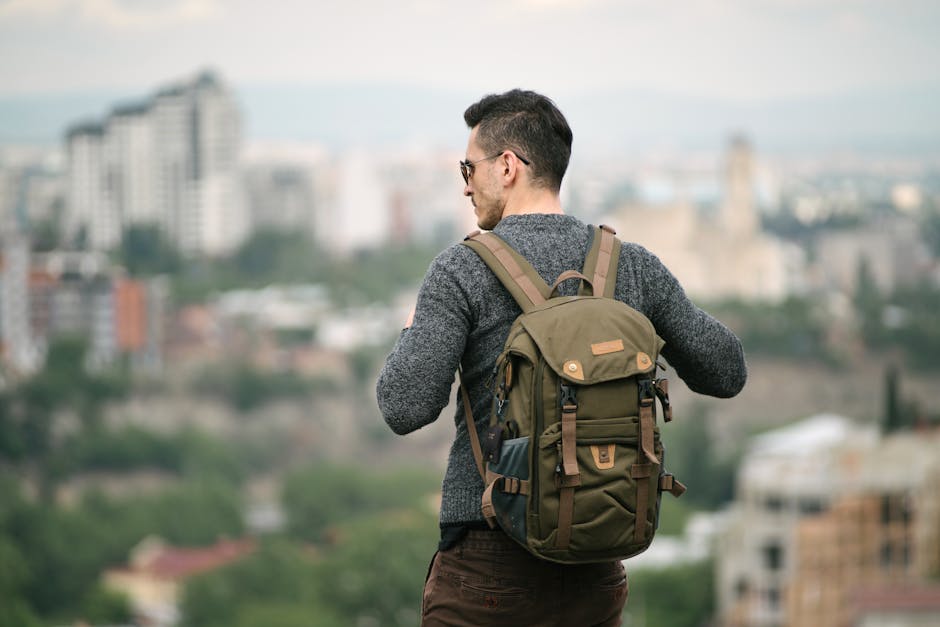
If you lose your passport, contact your embassy immediately. Most can issue emergency travel documents within 24–48 hours. Keep a list of embassy addresses and phone numbers in your phone and printed copy.
Travel Insurance Is Non-Negotiable
Comprehensive travel insurance covers medical emergencies, trip cancellations, and lost luggage. Choose a plan that includes emergency evacuation, especially if visiting remote areas. Read the fine print—some policies exclude high-risk activities like hiking or scuba diving.
Carry your insurance card and policy number at all times. Know how to contact your provider’s 24/7 assistance line. In a medical emergency, they can help locate English-speaking doctors or arrange transport.
Stay Healthy on the Road
Drink bottled or filtered water in regions with questionable tap water. Avoid ice in drinks and raw foods like salads that may have been washed in contaminated water. In countries like India or Peru, stick to cooked meals and peeled fruits.
Get required vaccinations before you go. Visit a travel clinic 4–6 weeks before departure. Carry a basic medical kit with pain relievers, antiseptic wipes, rehydration salts, and any prescription medications in their original containers.
Manage Jet Lag and Fatigue
Adjust your sleep schedule a few days before departure. Stay hydrated during flights and avoid alcohol. Once you arrive, get sunlight during the day to reset your internal clock. A short nap upon arrival can help, but limit it to 20–30 minutes to avoid disrupting nighttime sleep.
Fatigue lowers your alertness and increases vulnerability. Don’t overpack your itinerary. Allow time to rest and adapt to your new environment.
Respect Local Culture and Laws
Understanding cultural norms prevents misunderstandings and shows respect. In Japan, bowing is a common greeting. In the Middle East, avoid public displays of affection. Research gestures that may be offensive—for example, showing the soles of your feet is rude in many Asian countries.
Follow local laws strictly. Drug penalties can be severe in countries like Singapore or Thailand. Photography may be restricted near government buildings or military sites. When in doubt, ask permission.
Dress Appropriately for Religious Sites
Many temples, mosques, and churches require modest dress. Cover your shoulders and knees. Remove hats and shoes where required. In places like the Vatican or Istanbul’s Hagia Sophia, there are often shawls or wraps available for visitors who aren’t properly dressed.
Behave respectfully—speak quietly, avoid flash photography, and follow posted rules. These sites are places of worship, not just tourist attractions.
Manage Your Money Securely
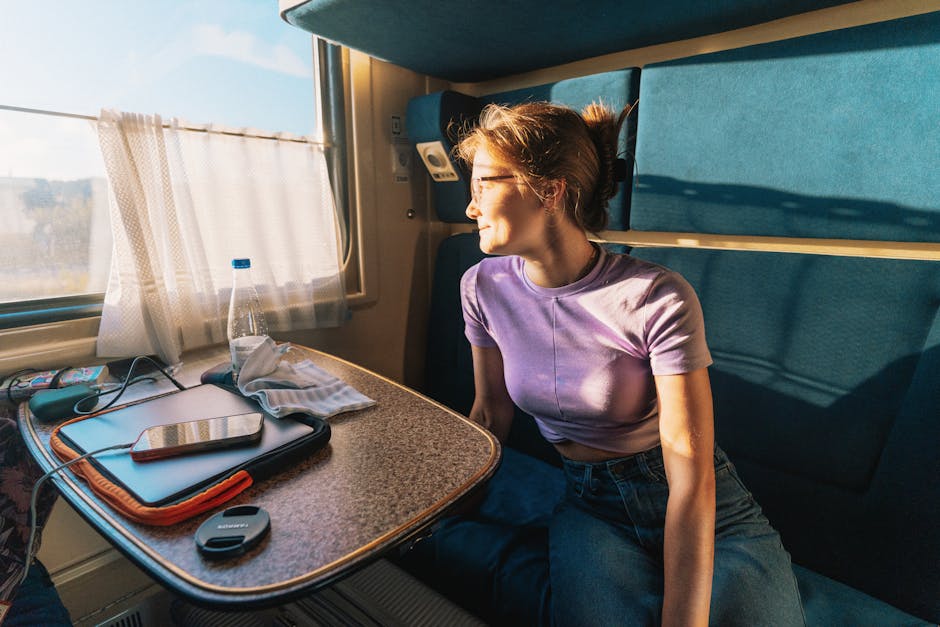
Carry a mix of payment methods. Use a credit card with no foreign transaction fees for larger purchases. Withdraw cash from ATMs inside banks or secure locations, not on street corners. Notify your bank of your travel dates to avoid card freezes.
Split your money and cards. Keep some in your wallet, some in a hidden money belt, and some in your luggage. This way, you’re never completely stranded if one is lost or stolen.
Avoid Overexposure
Don’t count cash in public. Pay attention when handing over money—ensure you receive correct change. Use hotel safes for extra cash and cards you don’t need daily.
In crowded areas like train stations or festivals, use anti-theft bags with slash-proof straps and RFID-blocking pockets. These deter pickpockets and electronic theft.
Build Confidence Through Experience
Start with shorter trips to familiar destinations. As you gain experience, gradually take on more challenging locations. Each journey builds your confidence and problem-solving skills.
Reflect on what worked and what didn’t. Keep a travel journal to note safety tips, useful phrases, and reliable services. This helps you prepare better for future trips.
Solo travel is not about being fearless—it’s about being prepared. With the right mindset and precautions, you can explore the world safely and independently.
Final Thoughts
This travel tips guide with safety tips for solo travelers emphasizes preparation, awareness, and smart choices. From securing your documents to choosing safe transport and accommodations, every step contributes to a smoother, safer journey. Stay informed, trust your instincts, and embrace the freedom that solo travel offers.
Remember, the goal isn’t to eliminate all risk—it’s to manage it wisely. With these strategies, you can explore new cultures, meet incredible people, and return home with stories worth telling.
FAQ
What should I do if I feel unsafe while traveling alone?
Trust your instincts and leave the situation immediately. Move to a public, well-lit area and contact local authorities or your embassy if needed. Share your location with a trusted contact and avoid engaging with suspicious individuals.
Is it safe for solo female travelers to visit popular destinations?
Yes, many destinations are safe for solo female travelers with proper precautions. Choose accommodations with good security, avoid walking alone at night, and dress appropriately for the local culture. Research gender-specific safety tips for your destination.
How can I meet people safely while traveling solo?
Join group tours, use verified travel apps, or attend events through platforms like Meetup. Always meet in public places, avoid sharing personal details too soon, and let someone know your plans. Group activities with other travelers or locals are safer than one-on-one meetings.