
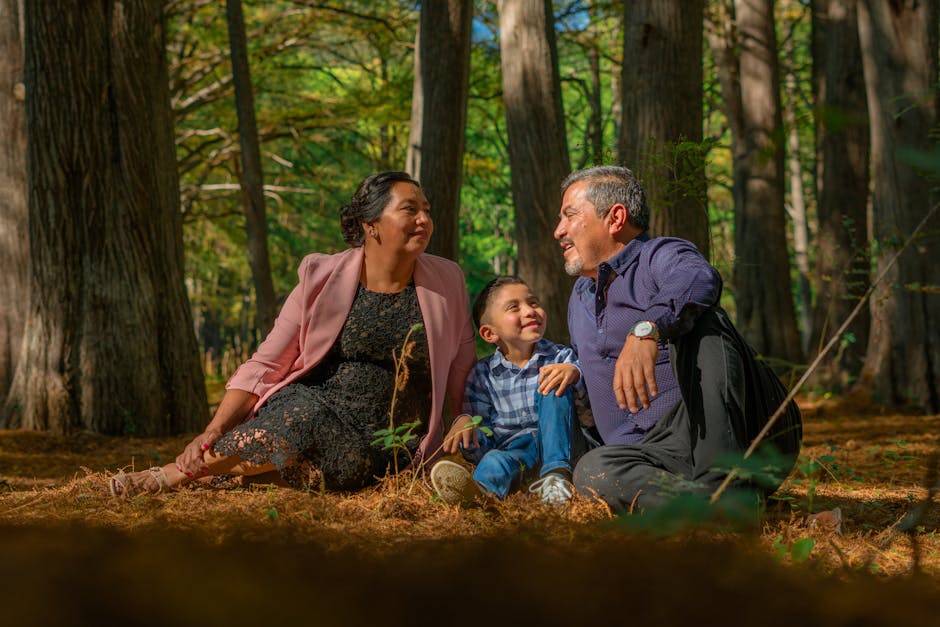
Family Travel Destinations for Families Who Love Nature
Finding the perfect family getaway that combines adventure, education, and quality time in the great outdoors can be challenging. For families who love nature, the ideal destination offers more than just scenic views—it provides hands-on experiences that connect children and adults with wildlife, forests, mountains, and waterways. Whether you’re hiking through national parks, kayaking on crystal-clear lakes, or spotting wildlife at dawn, nature-based travel strengthens family bonds while fostering environmental awareness. This guide highlights top family travel destinations for families who love nature, offering practical tips, real-world examples, and expert-backed advice to help you plan a memorable, eco-conscious trip.
Why Nature-Focused Travel Benefits Families
Spending time in natural settings isn’t just relaxing—it’s scientifically proven to reduce stress, improve mood, and enhance cognitive function in both kids and adults. Nature-based travel encourages physical activity, curiosity, and teamwork, whether you’re building a campfire, identifying bird species, or navigating a trail together. Unlike screen-heavy vacations, outdoor adventures promote mindfulness and presence, helping families disconnect from digital distractions and reconnect with each other.
Moreover, exposing children to diverse ecosystems teaches them about biodiversity, conservation, and sustainability from an early age. These experiences often spark lifelong interests in science, photography, or environmental stewardship. When families travel with nature as the centerpiece, they create stories that last far beyond the trip.
Top Family Travel Destinations for Families Who Love Nature
Choosing the right destination depends on your family’s interests, travel style, and comfort level with outdoor activities. Below are some of the best family travel destinations for families who love nature, each offering unique landscapes, accessible trails, and educational opportunities.
Yellowstone National Park, USA
Yellowstone is a cornerstone of American wilderness and a top choice for nature-loving families. Spanning Wyoming, Montana, and Idaho, it’s home to geysers, hot springs, canyons, and abundant wildlife like bison, elk, and grizzly bears. The park’s well-maintained boardwalks and family-friendly trails make it accessible for all ages.
Kids will be amazed by Old Faithful’s predictable eruptions, while parents appreciate the educational ranger programs and Junior Ranger activities. Camping options range from primitive sites to developed campgrounds with restrooms and showers. For a less crowded experience, visit in late spring or early fall.
Banff National Park, Canada
Nestled in the Canadian Rockies, Banff offers dramatic mountain scenery, turquoise lakes, and endless hiking opportunities. Lake Louise and Moraine Lake are iconic photo spots, but quieter trails like Johnston Canyon provide easier walks with waterfall views that captivate children.
The park’s gondola ride up Sulphur Mountain gives panoramic views without strenuous hiking, making it ideal for families with younger kids. Wildlife sightings—including elk, deer, and black bears—are common, so always carry bear spray and follow park guidelines. Winter visits offer snowshoeing and ice skating, extending the outdoor fun year-round.
Costa Rica’s Osa Peninsula
For families seeking tropical biodiversity, Costa Rica’s Osa Peninsula is unmatched. This remote region contains 2.5% of the world’s biodiversity, including scarlet macaws, sloths, and sea turtles. Corcovado National Park, though rugged, offers guided tours suitable for older children and teens.
Eco-lodges provide comfortable bases with guided nature walks, night hikes, and beach cleanups that involve the whole family. The nearby town of Puerto Jiménez offers cultural experiences and local cuisine. Be prepared for rain and insects—pack lightweight, quick-dry clothing and strong bug repellent.
Great Smoky Mountains National Park, USA
As the most visited national park in the U.S., the Great Smoky Mountains strike a balance between accessibility and wilderness. Straddling Tennessee and North Carolina, it features lush forests, rushing streams, and over 800 miles of trails.
Families can explore Cades Cove by car or bike, spotting deer and historic cabins, or take a short hike to Abrams Falls. The park’s free entry and proximity to major cities make it a convenient choice. Visit in spring for wildflowers or fall for vibrant foliage, but expect crowds during peak seasons.

Patagonia, Chile and Argentina
For adventurous families, Patagonia offers vast, untamed landscapes of glaciers, mountains, and grasslands. Torres del Paine National Park in Chile and Los Glaciares National Park in Argentina are highlights, with trails ranging from easy walks to multi-day treks.
While some routes require experience, shorter hikes like the Base Torres trail or the Perito Moreno Glacier walk are manageable with older kids. Weather can change rapidly, so pack layers and waterproof gear. Local guides enhance safety and provide cultural context, especially for indigenous Mapuche history.
Kangaroo Island, Australia
Just off Australia’s coast, Kangaroo Island is a wildlife sanctuary where families can see kangaroos, koalas, sea lions, and penguins in their natural habitat. Flinders Chase National Park features rugged cliffs, rock formations like Remarkable Rocks, and boardwalks that protect fragile ecosystems.
Guided eco-tours educate visitors on conservation efforts, while beachcombing and snorkeling offer active exploration. Accommodations range from luxury lodges to family campsites. The island is remote, so plan supplies and transportation in advance.
How to Choose the Right Nature Destination for Your Family
Not every destination suits every family. Consider these factors to ensure a successful trip:
Age and Activity Level of Children
Young children may enjoy short, flat trails and interactive exhibits, while teens might prefer challenging hikes or kayaking. Choose destinations with a range of activities to accommodate different energy levels. For example, Yellowstone offers both easy boardwalks and strenuous backcountry routes.
Travel Distance and Logistics
Long flights or remote locations may be overwhelming for families with small children. Opt for destinations with direct flights, reliable transportation, and nearby medical facilities. National parks in the U.S. and Canada often have visitor centers with amenities, making them more family-friendly than isolated wilderness areas.
Season and Weather Conditions
Research the best time to visit based on weather, wildlife activity, and crowd levels. Summer is ideal for mountain parks like Banff, while Costa Rica’s dry season (December to April) offers better hiking conditions. Avoid monsoon seasons or extreme heat that could limit outdoor time.
Budget and Accommodation Options
Nature travel doesn’t have to be expensive. Camping, cabin rentals, and national park lodges are often more affordable than hotels. Some parks offer free or low-cost entry, especially for children. Set a budget that includes gear, food, and activities to avoid surprises.
Essential Tips for Safe and Sustainable Family Nature Travel

Responsible travel ensures that natural destinations remain beautiful and accessible for future generations. Follow these guidelines to minimize your impact and maximize safety.
Pack Smart and Light
Bring reusable water bottles, biodegradable soap, and eco-friendly toiletries to reduce waste. Pack layers for changing weather, sturdy footwear, and sun protection. A well-stocked first-aid kit, headlamps, and a map are essential for backcountry trips.
Follow Leave No Trace Principles
Teach children to pack out all trash, stay on marked trails, and avoid disturbing wildlife. Never feed animals—human food can harm their health and alter natural behaviors. Use established campsites to protect vegetation and soil.
Respect Local Wildlife
Observe animals from a distance using binoculars or a zoom lens. In bear country, store food in bear-proof containers and make noise while hiking to avoid surprise encounters. In marine environments, avoid touching coral or chasing sea creatures.
Support Local Communities
Choose locally owned guides, lodges, and restaurants to ensure your spending benefits the region. Learn a few phrases in the local language and respect cultural customs, especially in indigenous areas.
Family-Friendly Activities That Connect Kids with Nature
Engaging activities turn passive sightseeing into active learning. Here are proven ways to keep children interested and involved.
Nature Scavenger Hunts
Create a checklist of items to find—pinecones, animal tracks, specific flowers, or bird calls. This game encourages observation and teamwork. Many parks offer official scavenger hunt sheets for kids.
Junior Ranger Programs
National parks in the U.S., Canada, and Australia offer Junior Ranger programs where children complete activities to earn badges. These programs teach ecology, history, and conservation through fun, hands-on tasks.
Night Sky Observation
Far from city lights, natural destinations offer stunning views of the stars. Bring a star map or use a stargazing app to identify constellations. Campfires and storytelling enhance the experience.

Photography and Journaling
Give kids a camera or notebook to document their trip. Encourage them to sketch plants, write about animal sightings, or collect leaves (where permitted). These mementos become cherished keepsakes.
Common Mistakes to Avoid When Planning Nature Trips
Even experienced travelers can make errors that affect the trip’s success. Avoid these pitfalls:
Overpacking the Itinerary
Trying to see too much in one trip leads to exhaustion. Focus on a few key experiences and allow time for rest and spontaneity. Nature moves at its own pace—rushing diminishes the experience.
Ignoring Weather Forecasts
Sudden storms, heatwaves, or snow can disrupt plans. Check forecasts regularly and have backup indoor activities, such as visitor centers or museums, especially in mountainous or coastal regions.
Underestimating Physical Demands
Trails may look easy on a map but involve elevation gain, rough terrain, or long distances. Start with shorter hikes and build up endurance. Always carry extra water and snacks.
Failing to Book in Advance
Popular parks and lodges fill up months ahead, especially during summer and holidays. Reserve campsites, permits, and tours early to avoid disappointment.
Final Thoughts on Nature-Based Family Travel
Family travel destinations for families who love nature offer more than just beautiful scenery—they provide opportunities for growth, learning, and connection. Whether you’re exploring geysers in Yellowstone, spotting sloths in Costa Rica, or hiking glaciers in Patagonia, these experiences shape children’s values and strengthen family relationships. With thoughtful planning, respect for the environment, and a spirit of adventure, your next nature trip can be both fun and meaningful.
Start by choosing a destination that matches your family’s interests and abilities. Pack responsibly, follow safety guidelines, and embrace the unexpected. The best memories often come from unplanned moments—a deer crossing the trail, a rainbow after the rain, or a shared laugh around a campfire. Nature has a way of bringing families closer, one step at a time.
FAQ
What are the best family travel destinations for families who love nature with young children?
Yellowstone, the Great Smoky Mountains, and Banff are excellent choices due to their accessible trails, educational programs, and family-friendly facilities. These parks offer short walks, ranger-led activities, and safe wildlife viewing.
How can I make nature travel educational for kids?
Use Junior Ranger programs, scavenger hunts, and nature journals to engage children. Discuss local ecosystems, animal behaviors, and conservation efforts during hikes and drives to deepen their understanding.
Is it safe to travel with kids in remote natural areas?
Yes, with proper preparation. Choose destinations with established trails, reliable communication options, and nearby medical support. Always carry a first-aid kit, tell someone your plans, and follow park guidelines for wildlife and weather safety.