Food and Culinary Travel Guide for First Time Travelers
Traveling for the first time can be exciting, but navigating unfamiliar cuisines doesn’t have to be intimidating. A food and culinary travel guide helps newcomers discover authentic flavors, avoid common dining pitfalls, and connect with local culture through meals. Whether you’re sampling street food in Bangkok or ordering wine in Tuscany, knowing what to expect makes all the difference. This guide offers practical tips, cultural insights, and step-by-step advice to help first-time travelers eat confidently and deliciously anywhere in the world.
Why Food Matters When You Travel
Food is more than fuel—it’s a gateway to understanding a place. Local dishes reflect history, climate, and community values. Trying regional specialties gives you a deeper, more personal experience than any museum or monument alone.
For first-time travelers, food can also be a source of anxiety. Language barriers, unfamiliar ingredients, and hygiene concerns are common worries. But with the right mindset and preparation, these challenges become part of the adventure.
Eating locally supports small businesses and preserves culinary traditions. It’s also often cheaper and fresher than tourist-targeted restaurants. Prioritizing authentic food experiences enriches your trip and creates lasting memories.
Pre-Trip Planning: Setting Yourself Up for Success
Research Local Cuisines and Dining Customs
Start by learning about the food culture of your destination. Look up popular dishes, typical meal times, and dining etiquette. In Japan, for example, slurping noodles is polite; in France, eating bread with your hands at the table is common.
Use trusted travel blogs, government tourism sites, and apps like Google Maps or TripAdvisor to identify highly rated local eateries. Pay attention to reviews that mention authenticity and service quality.
Check for Dietary Restrictions and Allergies
If you have food allergies or dietary needs, research how they’re handled in your destination. In India, vegetarianism is widespread, but cross-contamination with meat can occur. In Middle Eastern countries, halal food is standard, which may affect non-halal eaters.
Learn key phrases in the local language to communicate your needs. Carry a translated allergy card if necessary. Apps like Chef’s Card or Allergy Translation can help bridge the gap.
Pack Smart: Essentials for Food-Safe Travel
Bring a reusable water bottle with a filter if tap water isn’t safe. Pack hand sanitizer, wet wipes, and a small first-aid kit with stomach remedies like bismuth subsalicylate.
Avoid bringing perishable snacks through customs. Instead, buy local treats once you arrive. This reduces risk and supports local vendors.
Navigating Menus and Ordering with Confidence
Understanding Menu Layouts and Terminology
Menus vary widely by region. In Italy, “antipasti” are appetizers, while “primi” refers to pasta or rice dishes. In Mexico, “antojitos” are small street-style dishes, not desserts.
Look for symbols or icons indicating spice level, vegetarian options, or chef recommendations. If unsure, ask the server or use a translation app to clarify ingredients.
Dealing with Language Barriers
Download offline translation apps like Google Translate or iTranslate before your trip. Use the camera feature to scan menus in real time.

Pointing to photos or using simple gestures can also work. Many restaurants in tourist areas have English menus, but venturing off the beaten path may require more creativity.
When to Trust Your Gut (Literally)
Not every dish will appeal to your palate—and that’s okay. Try small portions first, especially with street food. Share plates with travel companions to sample more without overcommitting.
If something looks undercooked, smells off, or is served lukewarm, it’s fine to decline politely. Your health comes first.
Street Food: Safe and Delicious Adventures
How to Spot Clean and Fresh Vendors
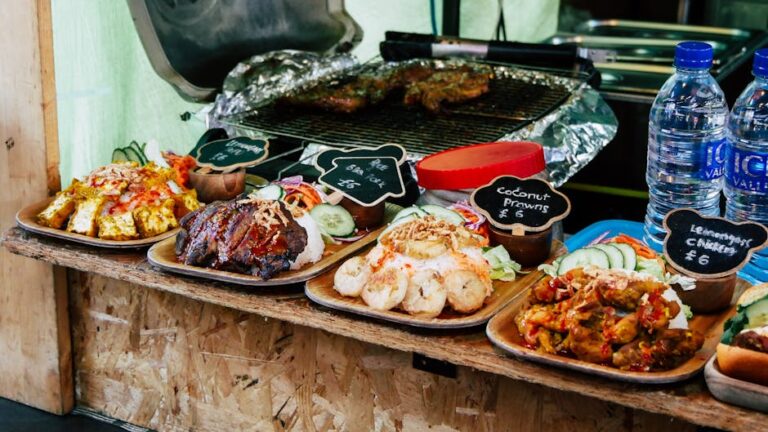
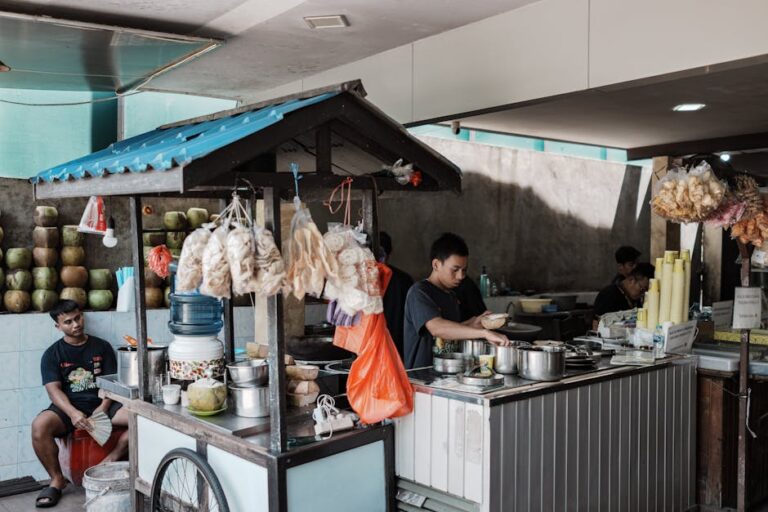
Look for stalls with high turnover—popular spots usually mean fresher food. Observe hygiene practices: are utensils cleaned regularly? Is raw meat separated from cooked items?
In Southeast Asia, choose vendors who cook food to order. In Mexico, avoid pre-made tacos sitting under heat lamps. Freshly grilled elote or tlayudas are safer bets.
Popular Street Foods Around the World
In Thailand, try pad thai from a busy night market stall. In Turkey, sample simit (sesame-covered bread rings) from a sidewalk vendor. In Morocco, enjoy msemen (flaky pancakes) with honey for breakfast.
Each region has iconic street foods worth seeking out. Ask locals for their favorites—they’ll often point you to hidden gems tourists miss.
Staying Healthy While Eating on the Go
Drink bottled or filtered water, even when brushing your teeth. Avoid ice in drinks unless you’re sure it’s made from purified water.
Wash or sanitize hands before eating. Carry moist towelettes for quick cleanups. If you’re prone to digestive issues, consider probiotics before and during your trip.
Dining Etiquette: Do’s and Don’ts by Region
Asia: Respect and Ritual
In China, never stick chopsticks upright in rice—it resembles funeral rites. In South Korea, wait for the eldest person to start eating before you begin.
In India, eat with your right hand only, as the left is considered unclean. Avoid touching shared food with your fingers unless it’s customary.
Europe: Formality and Timing
In France, keep your hands visible on the table (not in your lap). Bread belongs on the table, not on a plate. Meals are leisurely—don’t rush.

In Spain, dinner often starts after 9 p.m. Tipping is modest—rounding up or leaving 5–10% is sufficient in most places.
The Americas: Casual but Considerate
In the U.S., tipping 15–20% is expected. In Brazil, service charges are often included, but small extra tips are appreciated for good service.
In Peru, ceviche is best eaten fresh—order it early in the meal. Avoid dairy-heavy dishes if you’re unsure about refrigeration standards.
Food Markets and Cooking Classes: Immersive Experiences
Visiting Local Markets
Markets offer a sensory feast and a chance to interact with vendors. In Bangkok’s Chatuchak Market, sample mango sticky rice or fresh coconut water. In Barcelona’s La Boqueria, try jamón ibérico and manchego cheese.
Bargaining may be expected in some countries, but in others, fixed prices are the norm. Observe how locals behave and follow their lead.
Joining a Cooking Class
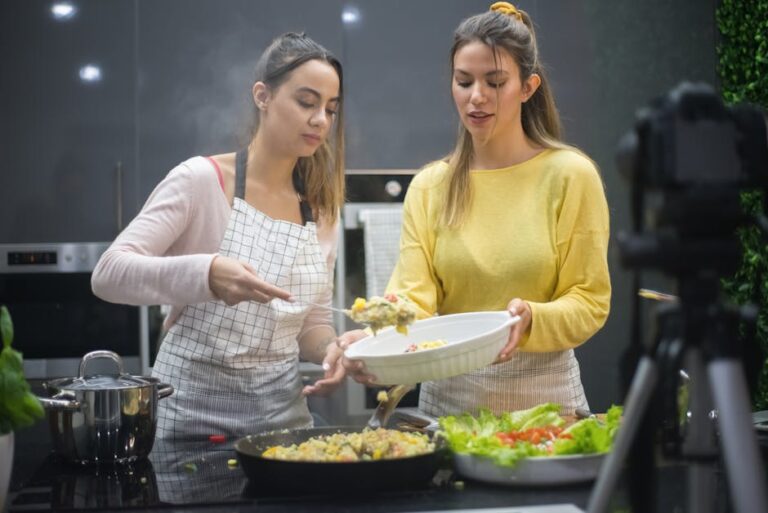
Cooking classes teach you how to make regional dishes and deepen your appreciation for local ingredients. In Tuscany, learn to hand-roll pici pasta. In Oaxaca, master mole sauce from scratch.
Many classes include market tours, giving you context before you cook. Look for small-group experiences with local chefs for the most authentic instruction.
Handling Dietary Restrictions Abroad
Vegetarian and Vegan Travel
Countries like India and Israel are very vegetarian-friendly. In Ethiopia, injera with lentil stews (misir wot) is widely available. In Europe, vegan options are increasingly common in cities.
Use apps like HappyCow to find plant-based restaurants. Learn how to say “no meat” or “no dairy” in the local language to avoid misunderstandings.
Gluten-Free and Other Allergies
Gluten-free travel is easier in countries with naturally low-gluten cuisines, like Thailand (rice-based) or Mexico (corn tortillas). Avoid soy sauce in Asia unless labeled gluten-free.
For nut allergies, be extra cautious in regions where peanuts are common, such as West Africa or Southeast Asia. Always ask about ingredients, even in seemingly safe dishes.
Budgeting for Food While Traveling
Eating Well Without Overspending

Street food and local markets are usually the most affordable options. A bowl of pho in Hanoi can cost under $2, while a meal at a tourist restaurant might be ten times that.
Set a daily food budget and track spending with a simple app or notebook. Splurge occasionally on a special dinner, but balance it with low-cost lunches.
When to Splurge and When to Save
Invest in meals at highly rated local restaurants or unique experiences like a kaiseki dinner in Kyoto. Save on drinks and snacks by buying from supermarkets or convenience stores.
Avoid overpriced hotel restaurants. Walk a few blocks—you’ll often find better food at a fraction of the cost.
Safety Tips: Avoiding Foodborne Illness
Recognizing Risky Foods
Avoid raw or undercooked meat, seafood, and eggs in areas with questionable sanitation. Skip unpasteurized dairy products, including soft cheeses and milk.
Be cautious with salads and raw vegetables, which may be washed in contaminated water. Stick to cooked or peeled fruits like bananas or oranges.
What to Do If You Get Sick
Stay hydrated and rest. Use oral rehydration solutions if available. Over-the-counter medications like loperamide can help with diarrhea, but consult a pharmacist first.
If symptoms persist or worsen, seek medical care. Travel insurance often covers emergency treatment abroad.
Making the Most of Your Culinary Journey
Food travel isn’t about perfection—it’s about curiosity and connection. Embrace new flavors, even if they’re unfamiliar at first. Keep a food journal to remember standout meals and where you had them.
Talk to locals, ask for recommendations, and say “yes” to unexpected offerings. Some of the best travel memories come from a shared meal with a stranger or a dish you never thought you’d like.
With preparation and an open mind, your first culinary travel experience can be safe, satisfying, and deeply rewarding.
FAQ
What should I do if I have a severe food allergy while traveling?
Carry a translated allergy card and wear a medical alert bracelet. Inform restaurant staff clearly and avoid high-risk foods. Always have emergency medication, like an epinephrine auto-injector, on hand.
Is it safe to drink tap water in most countries?
No—tap water safety varies widely. In many parts of Asia, Latin America, and Africa, stick to bottled or filtered water. When in doubt, boil water or use purification tablets.
How can I find authentic local food as a first-time traveler?
Look for restaurants filled with locals, not tourists. Check recent reviews on Google Maps, ask hotel staff for recommendations, and explore neighborhood markets for the most genuine flavors.