Best Nature Travel Destinations for Summer Vacations
Planning a summer getaway that reconnects you with nature? You’re not alone. Many travelers seek fresh air, scenic landscapes, and outdoor adventures during the warmest months. The best nature travel destinations for summer vacations offer a mix of accessibility, natural beauty, and seasonal advantages—like long daylight hours and blooming flora.
This guide highlights top spots across North America, Europe, and beyond. Whether you prefer mountain trails, coastal escapes, or forest retreats, these locations deliver memorable experiences without requiring extreme preparation or niche gear. Each destination includes practical tips to help you plan efficiently and travel responsibly.
Why Summer Is Ideal for Nature Travel
Summer brings predictable weather, open trails, and extended daylight—making it the prime season for exploring natural landscapes. National parks, mountain ranges, and lakeshores are fully accessible, and wildlife is often most active during these months.
That said, popularity comes with crowds. Popular trails and campgrounds fill up quickly, especially on weekends. Booking accommodations and permits in advance can save time and stress. Also, summer heat in desert regions can be dangerous without proper hydration and sun protection.
Benefits of Summer Nature Travel
- Longer days allow more time for hiking, kayaking, or wildlife spotting.
- Wildflowers bloom in alpine meadows, and forests are lush and green.
- Many parks offer ranger-led programs and guided tours during peak season.
Challenges to Consider
- High visitor numbers may lead to traffic and limited parking.
- Prices for lodging and tours often rise due to demand.
- Heatwaves or sudden storms can affect safety and comfort.
With smart planning, these challenges are manageable. Packing layers, carrying extra water, and checking local advisories before departure go a long way.
Top Nature Travel Destinations in North America
Banff National Park, Canada
Set in the heart of the Canadian Rockies, Banff offers turquoise lakes, snow-capped peaks, and abundant wildlife. Lake Louise and Moraine Lake are iconic stops, best visited early in the morning to avoid crowds.
Hiking trails range from easy lakeside walks to challenging alpine climbs. The Plain of Six Glaciers Trail is a favorite, offering panoramic views and a historic tea house midway. For a quieter experience, explore Johnston Canyon’s lower falls or take a canoe out on Vermilion Lakes.
Summer temperatures average 60–75°F (15–24°C), making it comfortable for outdoor activities. Book accommodations in Banff or Canmore well in advance, especially if visiting in July or August.
Great Smoky Mountains National Park, USA
As the most visited national park in the U.S., the Great Smoky Mountains blend biodiversity with Appalachian culture. Over 800 miles of trails wind through forests, past waterfalls, and up to scenic overlooks.
Popular hikes include Abrams Falls and Alum Cave Trail to Mount LeConte. Wildflowers peak in June, and synchronous fireflies appear in early summer—though viewing requires a lottery permit.
The park straddles Tennessee and North Carolina, with entrances near Gatlinburg and Cherokee. Free entry is a major perk, but parking fills quickly. Arrive before 9 a.m. for the best access.
Big Sur, California, USA
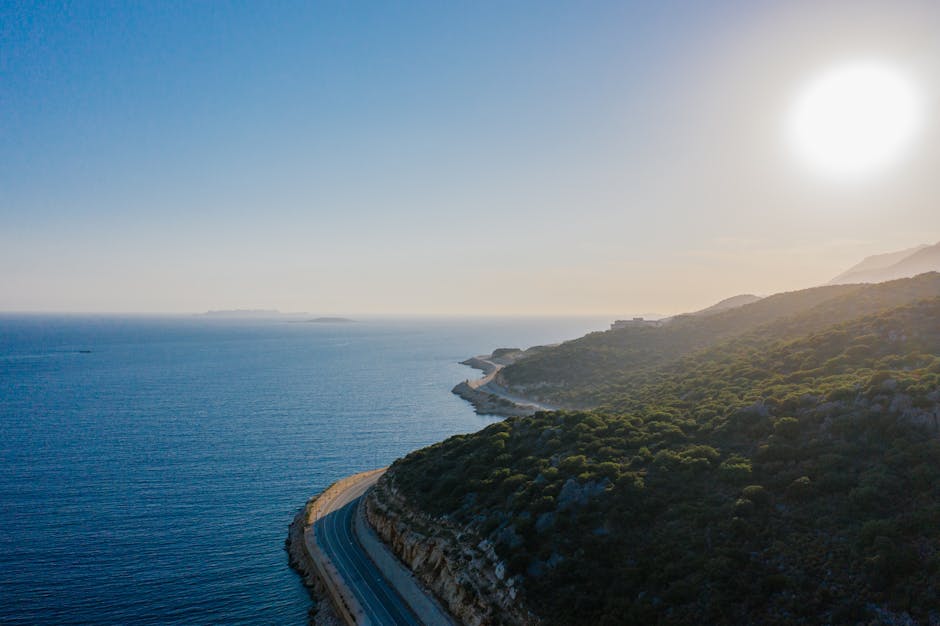
Big Sur’s rugged coastline along Highway 1 delivers dramatic cliffs, redwood groves, and ocean views. It’s a favorite for road trips, with stops like McWay Falls, Bixby Creek Bridge, and Pfeiffer Beach.
Hiking options include the Ewoldsen Trail in Julia Pfeiffer Burns State Park and the moderate Partington Cove Trail. Coastal fog can roll in unexpectedly, so pack a light jacket even in summer.
Lodging is limited and expensive. Consider staying in nearby Monterey or Cambria and making day trips. Always check road conditions—landslides occasionally close sections of Highway 1.
Stunning Nature Escapes in Europe
Plitvice Lakes National Park, Croatia
This UNESCO World Heritage site features 16 terraced lakes connected by waterfalls, set in a forested karst landscape. Wooden walkways guide visitors through the park, offering close-up views of crystal-clear water and cascades.
Summer is peak season, with warm weather and full water flow. Mornings are less crowded, and the lighting is ideal for photography. Allow 3–4 hours for a full loop, and wear comfortable shoes—some paths are uneven.
Entry tickets must be purchased online in advance. The park is about two hours from Zagreb, making it accessible for a day trip or part of a longer Balkan itinerary.
The Scottish Highlands, Scotland
The Highlands offer dramatic scenery: misty mountains, deep lochs, and ancient glens. Glencoe is a must-see for its rugged beauty and hiking trails, while Loch Ness draws visitors hoping for a glimpse of the legendary monster.
Summer brings mild temperatures (50–65°F or 10–18°C) and nearly 18 hours of daylight. This is ideal for long hikes like the West Highland Way or exploring castles like Eilean Donan.
Weather can change quickly. Always carry waterproof gear and a map, even on marked trails. Public transport is limited—renting a car offers the most flexibility.
The Dolomites, Italy
Known for their jagged limestone peaks and alpine meadows, the Dolomites are a hiker’s paradise. The region spans several valleys, with Cortina d’Ampezzo and Val Gardena as popular bases.
Trails like the Tre Cime di Lavaredo loop offer iconic views, while the Alpe di Siusi—Europe’s largest high-altitude meadow—provides gentle walks with panoramic backdrops. Cable cars help access higher elevations without strenuous climbs.
July and August are warm but can bring afternoon thunderstorms. Start hikes early and check weather forecasts. Many rifugi (mountain huts) offer meals and overnight stays with advance booking.
Hidden Gems for Nature Lovers
Faroe Islands, Denmark
This North Atlantic archipelago of 18 islands offers cliffs, grass-roof homes, and dramatic sea stacks. Though remote, the Faroe Islands are surprisingly accessible via flights from Copenhagen or Reykjavik.
Summer brings nearly 24-hour daylight, perfect for exploring villages like Gjógv and hiking to sites like Múlafossur Waterfall. Sheep outnumber people, and the landscape feels untouched.
Weather is unpredictable—pack layers and rain gear. Ferries connect islands, but schedules vary. Renting a car is recommended for flexibility.
Torres del Paine, Chile
In Chilean Patagonia, Torres del Paine National Park features granite towers, glacial lakes, and vast open plains. The W Trek is the most popular route, taking 4–5 days to complete.
Summer (December–February in the Southern Hemisphere) offers the best weather, with temperatures around 50–60°F (10–15°C). Wind is constant, so secure tents and gear properly.
Permits are required for multi-day hikes. Book refugios (mountain shelters) early, as they fill months in advance. Fly into Punta Arenas and take a bus or shuttle to the park.
Lofoten Islands, Norway
The Lofoten archipelago combines fishing villages, jagged peaks, and sandy beaches under the midnight sun. Reine and Å are postcard-perfect towns, while trails like Reinebringen offer steep but rewarding climbs.
Summer is ideal for hiking, fishing, and kayaking. The weather is mild, though rain is common. Northern lights aren’t visible in summer, but the endless daylight creates golden-hour lighting all night.
Flights arrive in Svolvær or Evenes. Renting a car allows exploration of remote beaches and mountain passes. Pack insect repellent—midges can be active near water.
How to Choose the Right Destination
With so many options, narrowing down your choice starts with personal preferences. Consider what kind of nature experience you want: solitude, adventure, wildlife, or scenic drives.
Factor in travel time, budget, and physical ability. A week-long trek in Patagonia requires more preparation than a weekend in the Smokies. Also, think about companions—some destinations are better suited for families, while others appeal to solo travelers or couples.
Key Questions to Ask
- How much time do I have?
- What’s my budget for flights, lodging, and activities?
- Do I prefer hiking, water activities, or scenic drives?
- Am I comfortable with remote locations or limited amenities?
Answering these helps eliminate unsuitable options. For example, if you want wildlife and solitude, the Faroe Islands may suit you better than crowded national parks.
Packing Essentials for Summer Nature Travel
Even in summer, nature travel demands preparation. A well-packed bag can prevent discomfort and emergencies.
Clothing and Footwear
- Moisture-wicking base layers and quick-dry pants.
- A lightweight, waterproof jacket.
- Sturdy hiking boots with ankle support.
- Sun hat, sunglasses, and UV-protective clothing.
Safety and Navigation
- First-aid kit with blister treatment and antiseptic.
- Map and compass (even if using GPS).
- Headlamp with extra batteries.
- Whistle and emergency blanket.
Hydration and Nutrition
- Reusable water bottles or hydration bladder (2–3 liters capacity).
- Water filter or purification tablets for backcountry trips.
- High-energy snacks like nuts, dried fruit, and protein bars.
Always inform someone of your itinerary and expected return time. Cell service is unreliable in remote areas.
Travel Responsibly in Natural Areas
With rising tourism, protecting natural spaces is more important than ever. Follow the Leave No Trace principles to minimize your impact.
Core Practices
- Pack out all trash, including food scraps and toilet paper.
- Stay on marked trails to prevent erosion.
- Avoid disturbing wildlife—observe from a distance.
- Use established campsites instead of creating new ones.
Support local conservation efforts by visiting national parks, paying entrance fees, and choosing eco-certified tour operators. These small actions help preserve destinations for future travelers.
Final Thoughts
The best nature travel destinations for summer vacations balance beauty, accessibility, and seasonal advantages. From the alpine lakes of Banff to the coastal cliffs of Big Sur, each location offers unique experiences rooted in the natural world.
Planning ahead ensures smoother trips and better access to popular sites. Prioritize safety, pack thoughtfully, and travel with respect for the environment. Whether you’re seeking adventure or quiet reflection, summer is the perfect time to explore the great outdoors.
FAQ
What is the best time of summer to visit nature destinations?
Early July to mid-August is peak season for most northern hemisphere destinations. However, late June or early September can offer fewer crowds and pleasant weather, especially in mountain regions.
Do I need special gear for summer nature travel?
Basic hiking gear—sturdy shoes, sun protection, and weather-appropriate clothing—is sufficient for most day trips. Multi-day treks may require tents, sleeping bags, and cooking equipment.
How can I avoid crowds at popular nature spots?
Visit during weekdays, arrive early in the morning, or explore lesser-known trails. Consider shoulder-season travel or alternative destinations with similar scenery but fewer visitors.