Ultimate Food and Culinary Travel Guide for Food Lovers
Traveling as a food lover means more than just sightseeing—it’s about savoring authentic flavors, discovering local traditions, and connecting with cultures through cuisine. This ultimate food and culinary travel guide is designed to help you plan delicious, meaningful trips centered around food. Whether you’re exploring street markets in Bangkok, dining at a family-run trattoria in Tuscany, or taking a cooking class in Oaxaca, this guide offers practical tips, destination highlights, and insider advice to elevate your culinary adventures.
Why Food Should Be at the Heart of Your Travel Plans
Food is culture on a plate. It tells stories of geography, history, and community. When you eat locally, you support small businesses and preserve culinary heritage. A meal in a foreign country can be more revealing than a museum visit—offering insight into daily life, seasonal rhythms, and regional pride.
For food lovers, travel becomes immersive. Instead of rushing from landmark to landmark, you slow down, engage your senses, and build connections. You learn how tomatoes are grown in volcanic soil in Sicily or why fermented fish is a staple in Icelandic diets. These experiences create lasting memories far beyond typical tourist snapshots.
How to Plan a Food-Centric Trip
1. Choose Destinations with Strong Culinary Identities
Not every destination is equally rewarding for food-focused travelers. Prioritize places known for unique ingredients, traditional techniques, or vibrant food scenes. Think of Japan for sushi and kaiseki, Mexico for mole and street tacos, or Portugal for bacalhau and pastéis de nata.
Research regions, not just countries. For example, instead of just “Italy,” consider Emilia-Romagna for Parmigiano-Reggiano and balsamic vinegar, or Puglia for olive oil and fresh seafood. Regional specificity leads to richer experiences.
2. Time Your Visit with Local Food Seasons
Seasonality dramatically affects flavor and availability. Visit Provence in summer for ripe tomatoes and lavender honey, or head to Norway in autumn for wild mushrooms and cured meats. Check local harvest calendars and food festivals—events like La Tomatina in Spain or the White Truffle Fair in Alba can anchor your itinerary.
Traveling off-peak can also mean better access to local ingredients and fewer crowds. Winter in Kyoto, for instance, offers quiet temples and exceptional kaiseki meals featuring preserved and root vegetables.
3. Book Food Experiences in Advance
Popular food tours, cooking classes, and restaurant reservations fill up quickly. Secure spots at iconic eateries like Noma in Copenhagen or Sukiyabashi Jiro in Tokyo months ahead. Even casual food markets may require timed entry during peak seasons.
Use platforms like Withlocals, Eatwith, or Airbnb Experiences to find authentic, small-group activities. These often connect you with home cooks or local guides who share personal stories alongside recipes.
Top Food Destinations Around the World
Tokyo, Japan: A Symphony of Precision and Flavor
Tokyo holds more Michelin stars than any other city, but its real magic lies in everyday eats. Start with a predawn visit to Tsukiji Outer Market for the freshest sushi and tamagoyaki. Then explore neighborhood izakayas in Shinjuku or Shimokitazawa for grilled yakitori and sake pairings.
Don’t miss a traditional kaiseki dinner, where each course reflects the season. Even convenience store onigiri can surprise you with quality and creativity. Tokyo rewards curiosity—every alley might hide a legendary ramen shop or matcha café.
Oaxaca, Mexico: The Soul of Mexican Cuisine
Oaxaca is Mexico’s culinary capital, home to seven distinct types of mole and some of the world’s best mezcal. Wander through Mercado 20 de Noviembre to sample tlayudas (crispy tortillas with beans and meat) and fresh quesillo cheese.
Take a cooking class with a local abuela to learn how to grind spices on a metate stone. Visit a mezcal distillery in the surrounding valleys to understand the art of agave fermentation. Oaxaca’s food culture is deeply rooted in indigenous traditions and community.
Lyon, France: The Gastronomic Capital of France
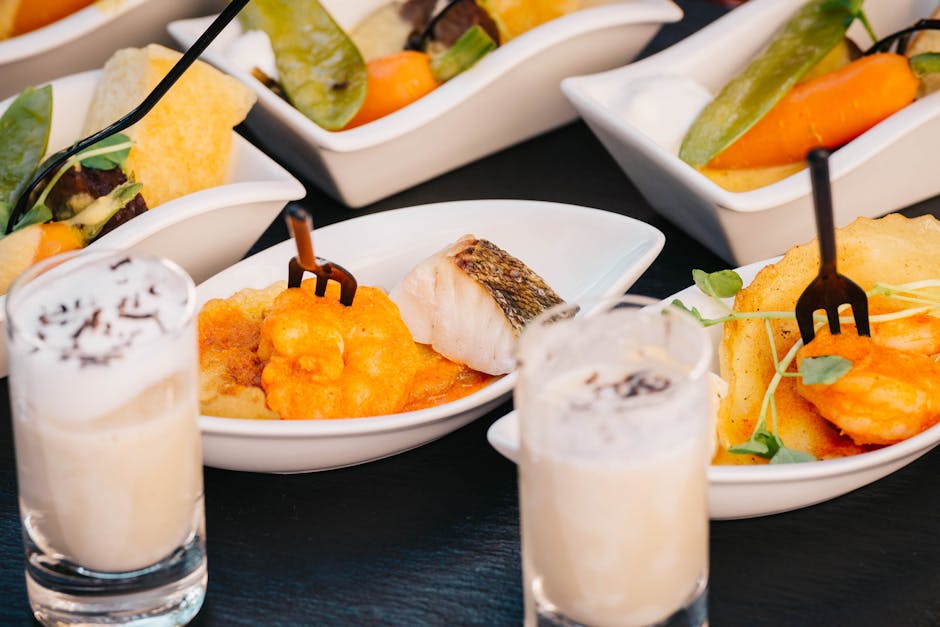
Known as the food capital of France, Lyon excels in bouchons—cozy, family-run restaurants serving hearty Lyonnaise dishes like quenelles, andouillette, and pâté en croûte. These establishments preserve recipes passed down through generations.
Visit Les Halles de Lyon Paul Bocuse for artisanal cheeses, charcuterie, and seasonal produce. Pair your meal with a glass of Beaujolais or Côtes du Rhône. Lyon’s food scene balances tradition with innovation, making it ideal for both classic and modern palates.
Bangkok, Thailand: Street Food at Its Finest
Bangkok’s street food is legendary for its balance of sweet, sour, salty, and spicy. Try pad Thai from a vendor in Chinatown, mango sticky rice from a cart near Chatuchak Market, or boat noodles in a tiny alleyway in Thonburi.
Join a guided street food tour to navigate the bustling scene safely and discover hidden gems. Many tours include visits to local homes or temples, adding cultural context to the flavors. Always carry cash and be mindful of spice levels—Thai food can be fiery.
Marrakech, Morocco: Spices, Tagines, and Tea Rituals
Moroccan cuisine blends Berber, Arab, and French influences. In Marrakech, wander the labyrinthine souks of the Medina to find saffron, preserved lemons, and argan oil. Stop at a food stall in Jemaa el-Fnaa at night for grilled lamb skewers, harira soup, and orange juice.
Take a cooking class in a riad to learn how to prepare tagine and mint tea. The slow-cooked stews, infused with cinnamon and cumin, reflect Morocco’s love for depth and aroma. Don’t leave without trying chebakia, a honey-drenched sesame cookie.
Essential Tips for Food Travelers
Pack Smart for Culinary Adventures
Bring a reusable water bottle with a filter to stay hydrated and reduce plastic waste. Carry hand sanitizer and wet wipes for eating on the go. If you have dietary restrictions, learn key phrases in the local language—such as “I am vegetarian” or “no peanuts.”
A small notebook or voice recorder helps document recipes, vendor names, and flavor notes. These details enrich your experience and make it easier to recreate dishes at home.
Respect Local Food Customs
Dining etiquette varies widely. In Japan, slurping noodles is a sign of enjoyment. In India, eating with your right hand is customary. In Ethiopia, sharing food from a communal plate strengthens social bonds.
Observe and follow local behavior. Avoid photographing people without permission, especially in home-based eateries. Tipping practices also differ—research norms before your trip to avoid awkward moments.
Stay Safe While Eating Street Food
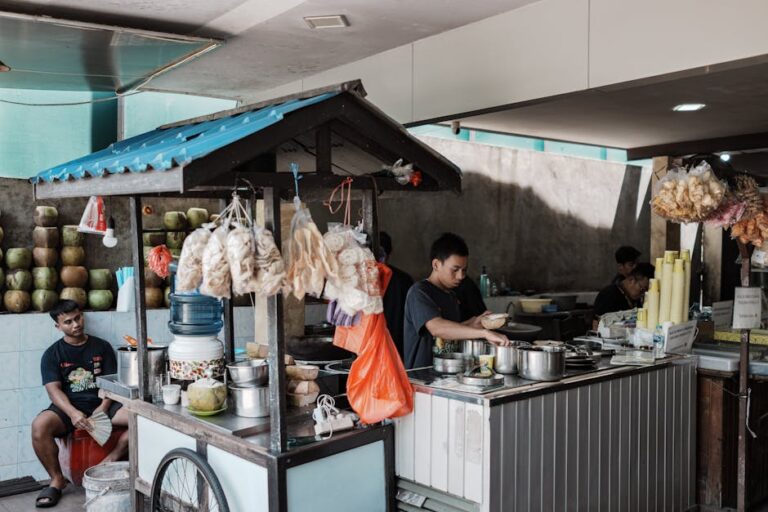
Street food is often the most authentic and delicious option, but food safety matters. Choose stalls with high turnover—this means ingredients are fresh. Look for vendors who cook food to order and keep raw and cooked items separate.
Avoid raw vegetables washed in tap water in regions with questionable sanitation. Stick to bottled or boiled water. If you’re prone to stomach sensitivity, consider probiotics before and during your trip.
How to Document and Share Your Food Journey
Capture the Experience, Not Just the Plate
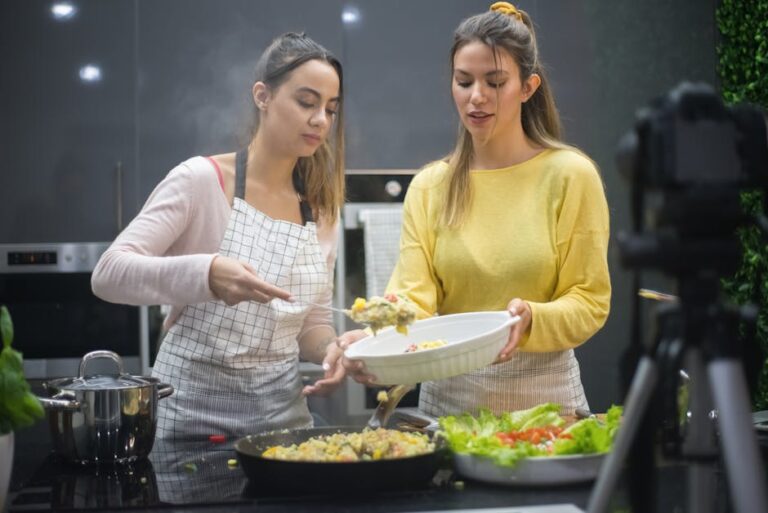
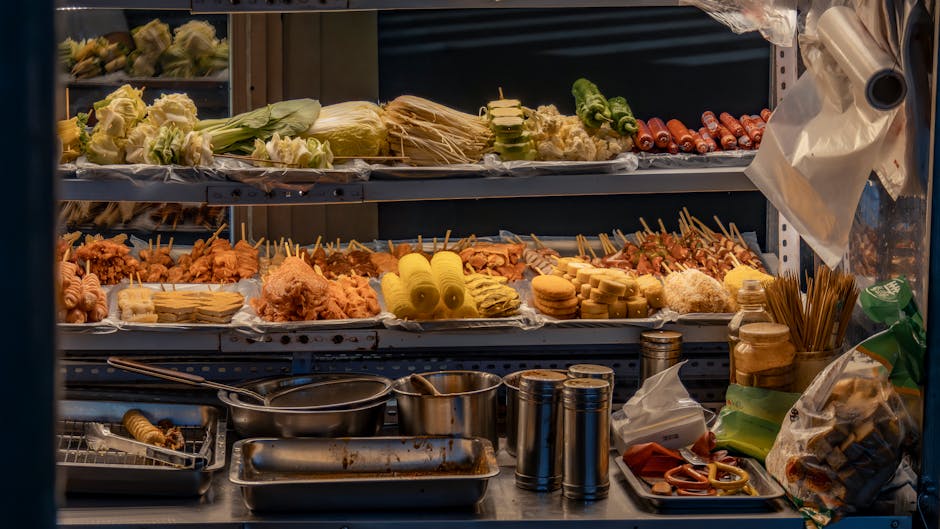
Great food photography includes context. Snap the bustling market, the chef at work, or the hands kneading dough. These images tell a fuller story than a perfectly plated dish alone.
Use natural light whenever possible. Overhead shots work well for flat lays, while close-ups highlight texture—like the crisp skin of a roasted duck or the gooey center of a cheese-filled empanada.
Write Meaningful Food Stories
Instead of just listing dishes, share what they meant to you. Describe the aroma of saffron in a Spanish paella, the laughter shared over a shared platter in Greece, or the quiet focus of a sushi master at his counter.
Blog posts, Instagram captions, or travel journals become more engaging when they include personal reflections. Your audience connects with authenticity, not just aesthetics.
Building a Food Travel Itinerary: A Step-by-Step Approach
Step 1: Define Your Culinary Goals
Ask yourself: Are you seeking luxury dining, street food, cooking classes, or market tours? Do you want to focus on a specific cuisine, like Italian pasta or Vietnamese pho? Your goals shape your destination and activities.
Consider your budget and travel style. A week in Paris might include three fine-dining meals and four casual bistro visits. In contrast, a trip to Vietnam could center entirely on street food and local homestays.
Step 2: Research and Prioritize
Use trusted food blogs, travel forums, and local guides to identify must-try dishes and venues. Cross-reference multiple sources to avoid overhyped spots. Look for recent reviews—restaurant quality can change quickly.
Create a shortlist of restaurants, markets, and experiences. Rank them by priority in case time or budget runs short. Always have backup options nearby.
Step 3: Balance Food with Other Activities
While food is your focus, don’t forget to explore. Schedule museum visits, nature walks, or cultural sites between meals. This prevents burnout and gives your palate time to reset.
For example, after a rich breakfast in Lisbon, take a tram ride to Belém to see the Jerónimos Monastery before lunch. Balance indulgence with movement and discovery.
Common Mistakes to Avoid
Overplanning Every Meal
It’s tempting to book every dinner in advance, but leave room for spontaneity. Some of the best meals happen by chance—a recommendation from a taxi driver, a pop-up stall at a festival, or a local’s favorite hidden café.
Flexibility allows you to follow your curiosity. If a market catches your eye, spend an extra hour there instead of rushing to a pre-booked tour.
Ignoring Dietary Needs
Travel can disrupt routines, especially for those with allergies, intolerances, or medical conditions. Research safe food options ahead of time. In some countries, gluten-free or vegan choices are limited.
Carry safe snacks like nuts or protein bars for emergencies. Learn how to explain your needs clearly in the local language. Apps like Google Translate can help, but pronunciation matters.
Focusing Only on “Instagrammable” Food
While colorful dishes are fun to photograph, don’t let aesthetics override taste. A plain bowl of pho in a Hanoi alley may lack visual flair but deliver unmatched depth of flavor.
Seek substance over style. Talk to locals, ask for recommendations, and trust your palate. The most memorable meals often come from unassuming places.
How to Continue the Culinary Journey at Home
Recreate Dishes with Local Ingredients
Bring back recipes and techniques from your travels. Try making fresh pasta in Bologna style or brewing Ethiopian coffee with a jebena pot. Even if you can’t replicate the exact taste, the effort deepens your appreciation.
Source authentic ingredients online or at international markets. Substitutions are fine, but aim for fidelity when possible. A well-made Thai curry paste, for example, makes all the difference.
Share Your Experiences
Host a dinner party themed around your trip. Serve dishes you learned abroad, play local music, and share stories. This keeps the adventure alive and inspires others to explore food travel.
Write reviews on platforms like Google or TripAdvisor to help future travelers. Honest feedback supports small businesses and improves the food tourism ecosystem.
Final Thoughts
Food travel is more than a trend—it’s a meaningful way to explore the world. This ultimate food and culinary travel guide equips you with the knowledge to plan thoughtful, flavorful journeys. From choosing the right destinations to respecting local customs, every decision shapes your experience.
Whether you’re a seasoned gourmand or a curious beginner, let your appetite lead the way. Taste, listen, and engage. The world’s greatest stories are often served on a plate.
FAQ
Q: How do I find authentic local food when traveling?
Look for busy stalls with locals, avoid tourist-heavy areas, and ask residents for recommendations. Join food tours led by locals for insider access.
Q: Is it safe to eat street food in foreign countries?
Generally yes, if you choose vendors with high turnover and proper food handling. Avoid raw items washed in tap water and stick to freshly cooked dishes.
Q: What should I do if I have dietary restrictions while traveling?
Research safe options in advance, learn key phrases in the local language, and carry safe snacks. Use translation apps to communicate your needs clearly.