Adventure Travel Guide for Remote and Offbeat Destinations
Traveling to remote and offbeat destinations offers a rare chance to experience untouched landscapes, authentic cultures, and personal challenges that mainstream tourism rarely provides. This adventure travel guide helps you plan safe, responsible, and rewarding journeys to some of the world’s most secluded corners—whether you’re drawn to high-altitude plateaus, isolated islands, or forgotten mountain trails.
Unlike popular tourist hubs, these locations demand more preparation, flexibility, and respect for local environments. With careful planning, you can explore places like the Danakil Depression in Ethiopia, the Faroe Islands, or the Tsingy de Bemaraha limestone forest in Madagascar—each offering unique adventures far from crowded itineraries.
Why Choose Remote and Offbeat Destinations?
Remote destinations often preserve traditions, ecosystems, and ways of life that have changed little over centuries. Visiting them supports sustainable tourism by bringing income directly to local communities while minimizing environmental strain from mass tourism.
These trips also foster deeper personal growth. Navigating unfamiliar terrain, communicating across language barriers, and adapting to limited infrastructure build resilience and self-reliance. For many travelers, the sense of discovery outweighs the comforts of conventional vacations.
Authentic Cultural Exchange
Offbeat locations are more likely to offer genuine interactions with local residents. In places like Bhutan’s Lunana region or Papua New Guinea’s Highlands, visitors are welcomed as guests rather than commodities.
These exchanges often lead to lasting memories—shared meals, traditional storytelling, or participation in local festivals. Always approach such moments with humility and a willingness to listen.
Unspoiled Natural Beauty
From the salt flats of Salar de Uyuni to the glacial lakes of Patagonia, remote areas boast dramatic scenery untouched by commercial development. These landscapes provide ideal settings for photography, hiking, and quiet reflection.
Preserving their integrity means following strict Leave No Trace principles: pack out all waste, stay on marked trails, and avoid disturbing wildlife or vegetation.
Top Remote Destinations Worth Exploring
Choosing where to go depends on your interests, physical fitness, and tolerance for logistical complexity. Below are five standout destinations that exemplify the spirit of adventure travel.
Socotra, Yemen
Known as the “Galápagos of the Indian Ocean,” Socotra is home to over 700 endemic species, including the iconic dragon’s blood tree. Its alien-like landscape draws botanists and photographers alike.
Access is limited and requires special permits. Most travelers fly via Oman or the UAE, then take a short flight to Socotra Island. Accommodations are basic, but the isolation enhances the sense of discovery.
Northeast Greenland
This Arctic wilderness offers vast ice fields, polar wildlife, and the chance to visit Inuit communities. Summer months provide nearly 24-hour daylight, ideal for hiking and kayaking.
Travel here is expensive and logistically demanding. Most visitors join guided expeditions departing from Iceland or Canada. Cold weather gear and emergency communication devices are essential.
Madagascar’s Tsingy de Bemaraha
A UNESCO World Heritage Site, this karst limestone formation features razor-sharp pinnacles and hidden canyons. Traversing it requires harnesses and climbing gear in some sections.
The park is accessible via Antsalova, a small town reachable by 4×4 or small plane. Guided tours are mandatory and highly recommended due to the terrain’s complexity.
Kamchatka Peninsula, Russia
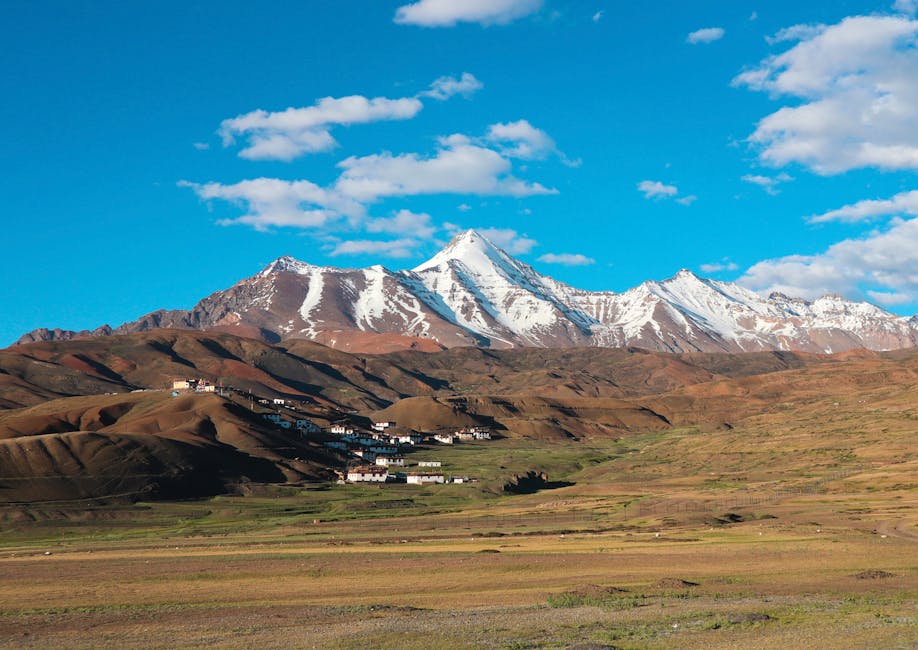
With over 200 volcanoes—29 active—Kamchatka offers dramatic landscapes, hot springs, and brown bear sightings. Helicopter tours are common, but multi-day treks into the Valley of Geysers are unforgettable.
Visas and special permits are required. Travel is best arranged through licensed Russian tour operators familiar with local regulations and safety protocols.
Tuvalu, South Pacific
One of the least-visited countries in the world, Tuvalu consists of nine coral atolls vulnerable to rising sea levels. Its quiet beaches and Polynesian culture offer a glimpse into a disappearing way of life.
Flights are infrequent, usually routed through Fiji or Samoa. Limited lodging means advance booking is critical. Respect local customs, especially around dress and photography.
How to Plan Your Adventure Trip
Successful travel to remote areas hinges on thorough preparation. Unlike city breaks, these journeys involve unpredictable conditions and limited support systems.
Start by researching entry requirements, seasonal weather patterns, and political stability. Consult government travel advisories and connect with experienced travelers through forums like Reddit’s r/solotravel or Lonely Planet’s Thorn Tree.
Step 1: Assess Your Readiness
Be honest about your physical condition, navigation skills, and comfort with uncertainty. Some destinations require multi-day hikes, high-altitude exposure, or extended periods without reliable communication.
If you’re new to adventure travel, consider starting with semi-remote options like Georgia’s Svaneti region or Peru’s Cordillera Huayhuash before attempting more extreme locations.
Step 2: Secure Permits and Visas
Many offbeat destinations restrict access through permits or require advance approval. For example, Bhutan mandates a daily tariff that includes a guide and accommodation.
Apply early—some permits take weeks or months to process. Use official government websites or authorized tour operators to avoid scams.
Step 3: Choose the Right Gear
Invest in quality, weather-appropriate clothing and footwear. Layering systems work best for variable climates. A reliable water filter, first-aid kit, and satellite communicator (like a Garmin inReach) are non-negotiable for true backcountry travel.
Test all equipment before departure. Practice setting up your tent, using your stove, and purifying water in your backyard or local park.
Step 4: Arrange Transportation and Accommodation
Flights to remote regions often connect through major hubs. Book early for better availability and prices. In some cases, domestic flights or ferries may be the only way in.
Accommodations range from homestays to basic guesthouses. Camping may be permitted in certain areas—check local regulations. Always confirm bookings in writing and keep digital and printed copies.
Step 5: Prepare for Health and Safety
Visit a travel clinic 4–6 weeks before departure. Vaccinations, malaria prophylaxis, and altitude sickness medication may be necessary depending on your destination.
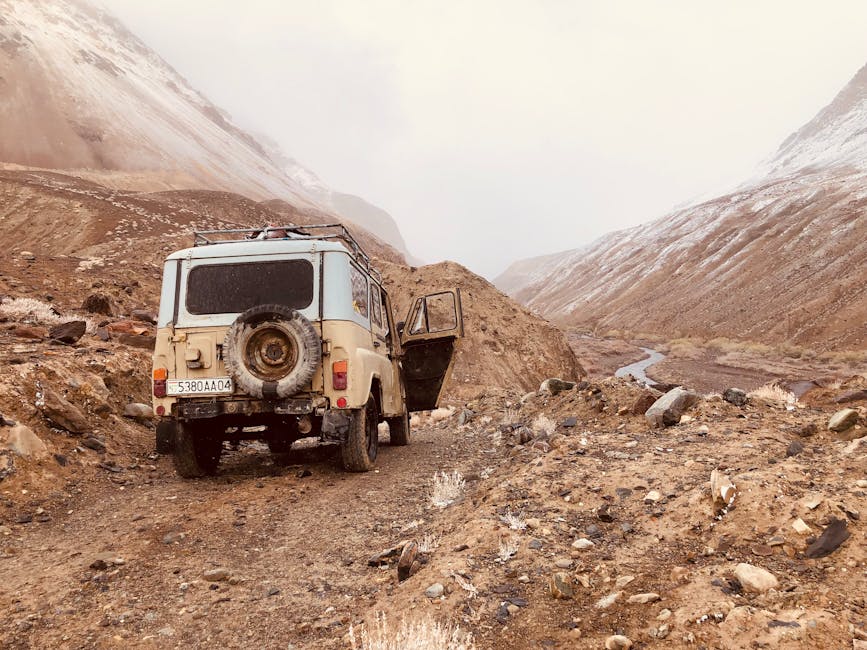
Carry a comprehensive medical kit and know how to use it. Share your itinerary with someone at home and check in regularly if possible. Travel insurance that covers evacuation is strongly advised.
Safety Tips for Offbeat Travel
Safety in remote areas requires proactive measures. Help may be hours or days away, so self-reliance is key.
Always inform locals or authorities of your plans. In Mongolia’s Gobi Desert, for instance, nomadic herders often assist lost travelers—but only if they know you’re there.
Navigation and Communication
GPS devices and offline maps (via apps like Maps.me or Gaia GPS) are essential. Paper maps and compasses serve as reliable backups when batteries fail.
Satellite messengers allow you to send SOS signals and share location updates. They’re worth the investment for solo or small-group travel in isolated zones.
Wildlife and Environmental Hazards
Research local dangers: venomous snakes in Australia’s Outback, flash floods in desert wadis, or unstable ice in polar regions. Understanding risks helps you avoid them.
Store food securely to prevent attracting animals. In bear country, use bear canisters or hang food properly. Never approach wild animals, even if they appear calm.
Local Laws and Customs
Ignorance of local rules is not an excuse. In some countries, photographing military sites or government buildings can lead to arrest. Dress modestly in conservative regions.
Learn basic phrases in the local language. A simple “thank you” or “please” goes a long way in building goodwill.
Sustainable and Responsible Travel Practices
Remote destinations are often ecologically fragile and culturally sensitive. Your presence should leave minimal impact.
Support local economies by hiring local guides, buying handmade goods, and eating at family-run restaurants. Avoid large international chains that drain resources from the community.
Minimize Waste
Single-use plastics are especially harmful in areas with no waste management. Bring reusable bottles, utensils, and bags. Carry out all trash—including biodegradable items like fruit peels.
In places like Nepal’s Upper Mustang, trekkers are required to bring back a kilogram of waste as part of permit conditions.
Respect Indigenous Communities
Many offbeat destinations are home to indigenous peoples with distinct traditions. Always ask before taking photos or entering sacred sites.
Consider donating to local schools or conservation projects—but do so through reputable organizations, not directly to individuals, to avoid creating dependency.
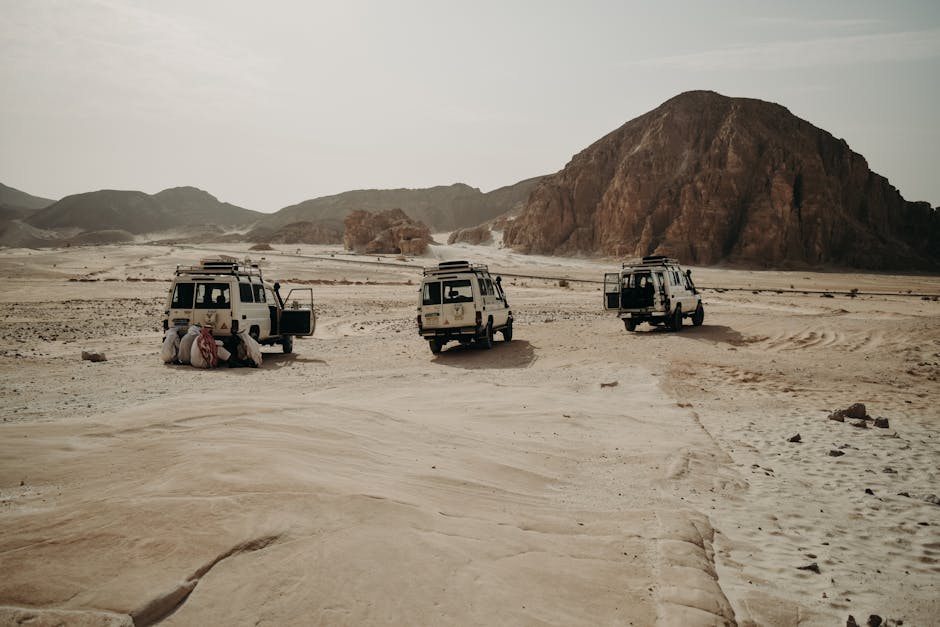
Packing Essentials for Remote Adventures
A well-packed bag can mean the difference between comfort and crisis. Prioritize versatility, durability, and weight.
Clothing should be quick-drying and moisture-wicking. Merino wool is ideal for base layers. Include a rain jacket, sun hat, and warm layers even in tropical climates—mountainous areas can drop below freezing at night.
Must-Have Items
- Water purification system (filter or UV pen)
- First-aid kit with blister treatment and antibiotics
- Solar charger or power bank
- Headlamp with extra batteries
- Multi-tool or knife
- Emergency blanket and whistle
Pack light. Most remote trips involve moving frequently, and porters or pack animals may have weight limits. Test your packed bag by carrying it on a short hike before departure.
When to Go: Timing Your Adventure
Seasonality dramatically affects accessibility and safety. The best time to visit depends on climate, wildlife activity, and local events.
In Patagonia, summer (December–February) offers milder weather and longer days. Winter travel is possible but requires specialized gear and experience with snow conditions.
Avoid monsoon seasons in Southeast Asia or hurricane periods in the Caribbean. Research historical weather patterns and consult local tour operators for up-to-date advice.
Budgeting for Offbeat Travel
Remote travel can be costly due to limited infrastructure and specialized logistics. However, it doesn’t have to break the bank with smart planning.
Flights and permits are often the biggest expenses. Look for regional airlines or group discounts. Traveling with others can split costs for guides, transport, and lodging.
Daily expenses vary widely. In Mongolia, a ger stay might cost $20 per night, while a night in a Greenlandic research station could exceed $200. Budget conservatively and include a 15–20% buffer for emergencies.
Final Thoughts
An adventure travel guide for remote and offbeat destinations is more than a list of places—it’s a framework for thoughtful, respectful exploration. These journeys reward patience, preparation, and openness to the unexpected.
By prioritizing safety, sustainability, and cultural sensitivity, you contribute to the preservation of these remarkable places. The memories you create will last far longer than any souvenir.
FAQ
What makes a destination “offbeat”?
An offbeat destination is typically less visited, lacks mass tourism infrastructure, and offers unique cultural or natural experiences. These locations often require more planning but provide greater authenticity and solitude.
Do I need a guide for remote travel?
In many remote areas, guides are required by law or strongly recommended for safety. Even where not mandatory, local guides enhance your experience with knowledge of terrain, language, and customs.
How can I stay connected in remote locations?
Cell service is usually unavailable. Use satellite communicators for text messaging and emergency alerts. Download offline maps and entertainment before departure.