Top Culinary Adventures for Food Lovers Worldwide
For passionate food lovers, travel is more than sightseeing—it’s a journey through flavor, culture, and tradition. The best culinary adventures immerse you in local ingredients, cooking techniques, and dining rituals that define a region. Whether you’re savoring street food in Bangkok, learning pasta-making in Tuscany, or foraging for truffles in Piedmont, these experiences deepen your appreciation for global cuisine. This guide highlights unforgettable food-focused trips that blend authenticity, education, and sensory delight, offering practical insights to help you plan your next gastronomic escape.
Why Culinary Travel Matters
Food is a universal language. It tells stories of migration, climate, history, and community. When you travel with a focus on cuisine, you engage with a destination on a deeper level. You don’t just see a place—you taste it.
Unlike typical tourism, culinary adventures encourage slow travel. They invite you to spend time in markets, kitchens, and family homes. These moments foster genuine connections with locals and offer insights no guidebook can match.
Moreover, food-based travel supports sustainable tourism. By choosing local eateries, farmers’ markets, and family-run restaurants, you contribute directly to community economies. You also reduce reliance on mass tourism infrastructure, helping preserve cultural authenticity.
Beyond the Plate: What Makes a Culinary Adventure
A true culinary adventure goes beyond eating. It includes learning, exploring, and participating. Think hands-on cooking classes, guided food tours, farm visits, and even foraging expeditions.
For example, in Oaxaca, Mexico, travelers join local cooks to grind cacao for mole, roast coffee beans over open flames, and sample seven distinct varieties of the iconic sauce. These activities transform passive dining into active cultural exchange.
The best experiences also balance structure with spontaneity. A scheduled market tour might lead to an impromptu invitation to a home-cooked meal. That’s where the magic happens.
Top Destinations for Food Lovers
Certain regions stand out for their rich food cultures, accessibility, and variety of experiences. Below are some of the world’s most rewarding destinations for culinary travelers.
Italy: The Heart of Mediterranean Cuisine
Italy remains a top destination for food lovers, and for good reason. From the seafood-rich coasts of Sicily to the truffle-laden hills of Umbria, the country offers diverse regional flavors.
In Bologna, known as Italy’s food capital, visitors can take pasta-making workshops with nonnas (grandmothers) who’ve spent decades perfecting tagliatelle al ragù. In Naples, pizza isn’t just food—it’s a protected cultural heritage, with strict rules about ingredients and preparation.
Don’t miss the weekly markets in Florence or the cheese aging caves in Parma. Pair these with wine tastings in Chianti or Prosecco hills for a well-rounded experience.
Japan: Precision, Seasonality, and Tradition
Japan’s culinary scene blends artistry with deep respect for ingredients. From kaiseki (multi-course haute cuisine) to humble ramen stalls, every meal reflects balance and intention.
Tokyo’s Tsukiji Outer Market offers fresh sushi, grilled scallops, and matcha desserts. In Kyoto, travelers can participate in tea ceremonies and learn to prepare traditional wagashi (sweets).
For a unique adventure, visit during cherry blossom season and join a hanami picnic under the trees. Or head to Hokkaido in winter for fresh crab and miso ramen by the fire.
Thailand: Bold Flavors and Street Food Culture
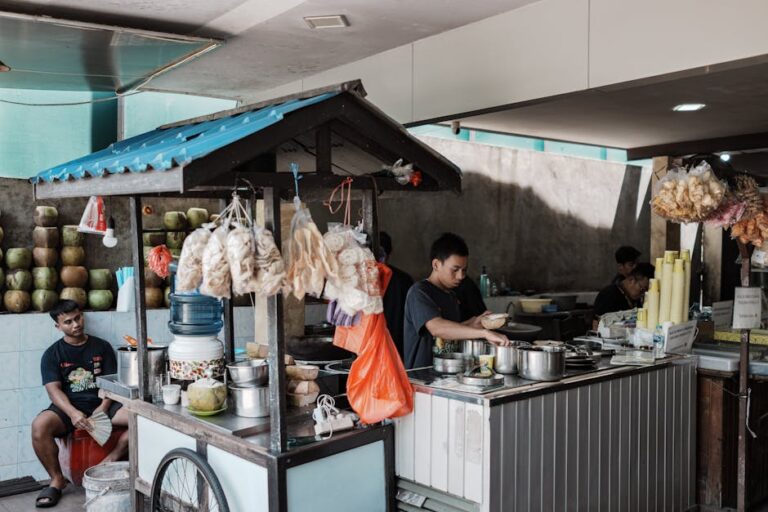
Thailand is a paradise for adventurous eaters. Its street food scene is legendary, with dishes like pad thai, som tam (green papaya salad), and mango sticky rice available on nearly every corner.
Bangkok’s Chinatown (Yaowarat) comes alive at night with sizzling woks and steaming baskets. A guided food tour helps navigate the maze of stalls and ensures safe, hygienic choices.
In Chiang Mai, cooking schools teach how to balance sweet, sour, salty, and spicy flavors. Many include market tours where you select ingredients before preparing your own meal.
Mexico: A UNESCO-Recognized Food Heritage
Mexican cuisine was declared an Intangible Cultural Heritage by UNESCO, and experiencing it firsthand is transformative. From tacos al pastor in Mexico City to cochinita pibil in the Yucatán, each region has its specialties.
Oaxaca is a standout, known for its complex moles, handmade tortillas, and mezcal distilleries. Travelers can visit local villages to see how chocolate is made from cacao beans or join a mole-making workshop.
Be sure to try tlacoyos (blue corn snacks) and chapulines (toasted grasshoppers) for a true taste of local life. Just remember to drink bottled water and choose busy, clean stalls.
Peru: A Fusion of Indigenous and Global Influences
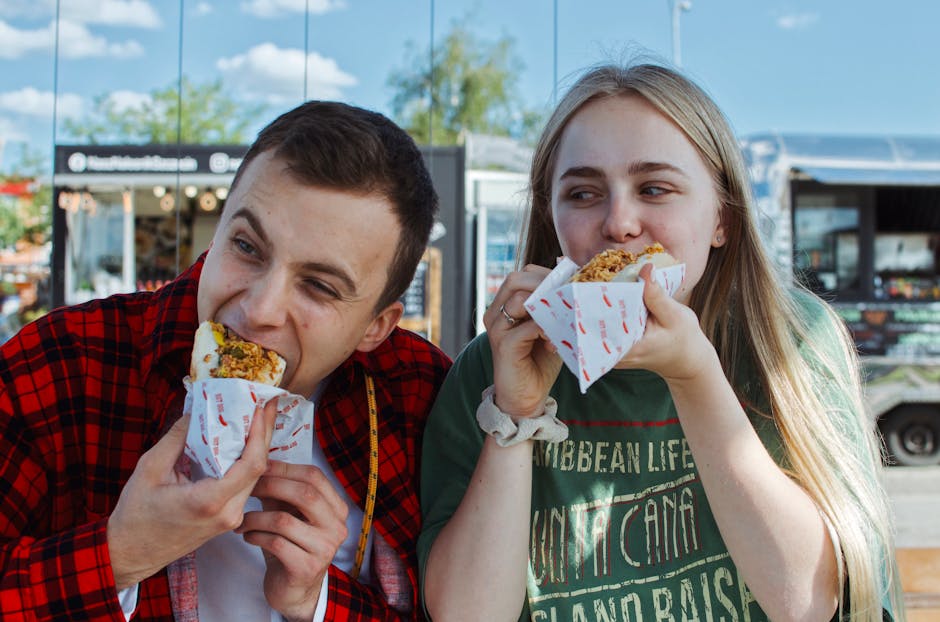
Peru’s food scene is one of the most dynamic in South America. Lima, in particular, has emerged as a global culinary hub, blending indigenous ingredients with Spanish, African, Chinese, and Japanese influences.
Ceviche, made with fresh fish “cooked” in lime juice, is a national treasure. Visitors can take ceviche classes or join a pisco sour tasting at a historic bar.
In the Andes, try alpaca meat, quinoa stews, and chicha (fermented corn drink). A visit to a local market in Cusco reveals vibrant produce like purple corn and lucuma fruit.
France: The Art of French Gastronomy
France is synonymous with fine dining, but its culinary adventures extend far beyond Michelin-starred restaurants. The country’s regional specialties offer a rich tapestry of flavors.
In Lyon, the self-proclaimed gastronomic capital, travelers can dine at traditional bouchons (small bistros) serving quenelles and andouillette sausage. Cooking classes often focus on sauces and pastry techniques.
The Provence region invites visitors to pick lavender, harvest olives, and taste fresh goat cheese. In the southwest, duck confit and foie gras dominate the menu.
For a unique twist, consider a cheese and wine pairing tour in the Loire Valley or a baking workshop in Paris focused on croissants and éclairs.
Types of Culinary Experiences to Seek
Not all food adventures are the same. Depending on your interests, budget, and travel style, different experiences will appeal to you. Here are the most popular formats.
Cooking Classes and Workshops
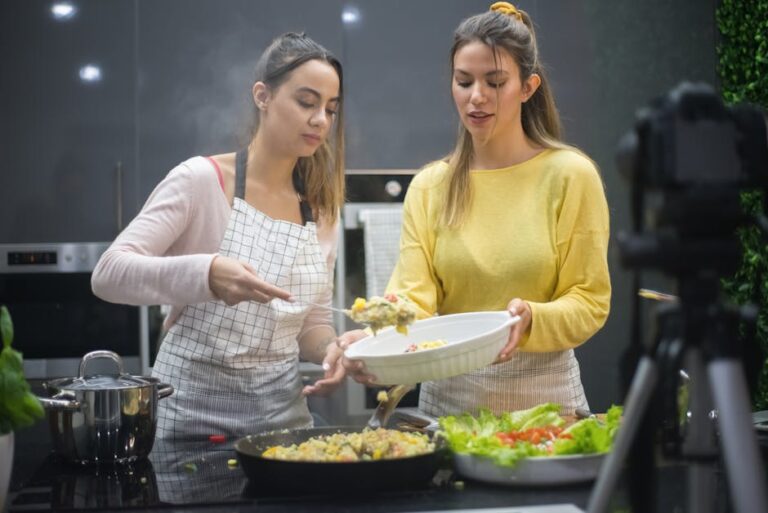
Hands-on cooking classes are among the most rewarding culinary activities. They teach practical skills while deepening cultural understanding.
Look for classes that include a market tour. This adds context and helps you appreciate ingredient sourcing. In Vietnam, for example, a class might begin with selecting herbs at a bustling market before preparing pho or spring rolls.
Classes range from half-day sessions to multi-day immersions. Some are held in professional kitchens, while others take place in homes, offering a more intimate setting.
Guided Food Tours
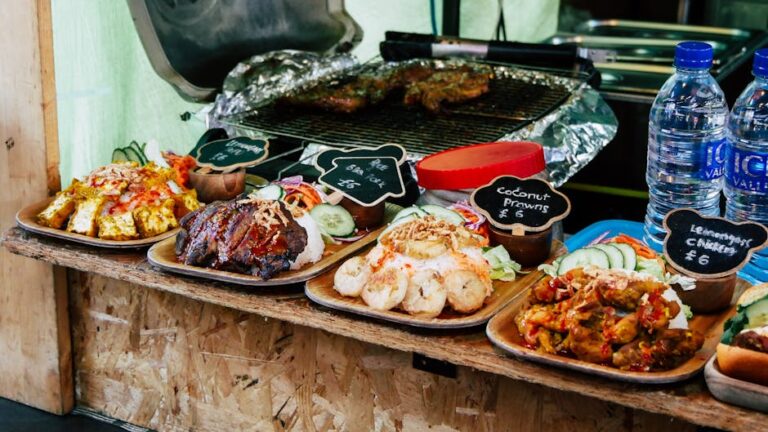
Food tours are ideal for first-time visitors or those short on time. A knowledgeable guide introduces you to local specialties, explains cultural nuances, and ensures safe eating.
Most tours last 2–4 hours and include 5–8 tastings. They often cover a mix of street food, sit-down meals, and drinks. In Istanbul, a tour might include simit (sesame bread), Turkish delight, and strong black tea.
Choose small-group tours for a more personal experience. Avoid large bus tours that prioritize quantity over quality.
Farm-to-Table and Agritourism
Agritourism connects travelers with rural life and sustainable food practices. In Tuscany, you might stay on a vineyard and help harvest grapes. In Portugal’s Alentejo region, you could participate in olive pressing.
These experiences often include meals prepared with ingredients grown or raised on-site. They’re perfect for travelers interested in organic farming, animal husbandry, or food preservation.
Many agritourism stays offer lodging, making them ideal for multi-day trips. Check reviews to ensure authenticity—some operations are more touristy than traditional.
Foraging and Wild Food Experiences
For the truly adventurous, foraging offers a primal connection to food. In Scandinavia, travelers join guides to pick wild mushrooms, berries, and herbs in forests.
In New Zealand, Maori-led tours teach how to identify native plants like horopito and kawakawa, used in traditional medicine and cooking.
Always go with a certified guide. Misidentifying plants can be dangerous. These experiences emphasize sustainability—only take what you need and leave no trace.
Culinary Festivals and Events
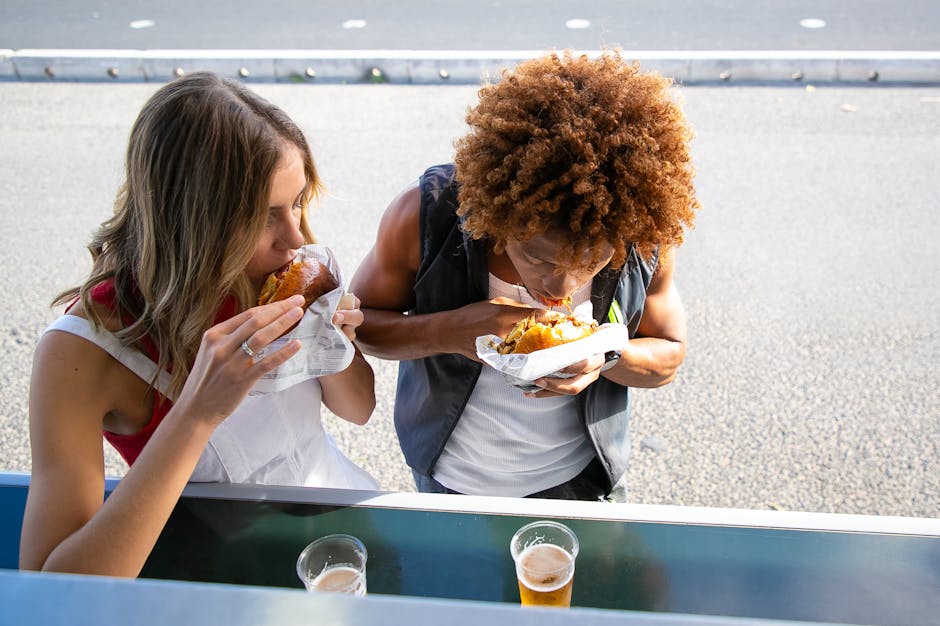
Timing your trip around a food festival can elevate your experience. These events celebrate local ingredients, chefs, and traditions with tastings, competitions, and demonstrations.
The Pizzafest in Naples, Italy, draws thousands of visitors for wood-fired pizza and live music. In Spain, La Tomatina in Buñol turns food into play, with a massive tomato fight.
Smaller festivals, like the Oyster Festival in Galway, Ireland, offer a more intimate setting. Research dates in advance—many festivals occur annually but have limited capacity.
How to Plan Your Culinary Adventure
With so many options, planning can feel overwhelming. Follow these steps to create a meaningful and enjoyable food-focused trip.
1. Define Your Goals
Ask yourself what you want to gain. Are you looking to learn new cooking skills? Taste authentic regional dishes? Support local communities?
Your goals will shape your destination and activities. A beginner cook might prefer a structured class, while a seasoned foodie might seek out hidden gems with a local guide.
2. Research Destinations and Seasons
Not all food experiences are available year-round. Truffle season in Italy runs from October to December. Cherry blossoms in Japan peak in late March to early April.
Use food blogs, travel forums, and tourism board websites to find seasonal events and availability. Consider shoulder seasons for fewer crowds and lower prices.
3. Book Experiences in Advance
Popular cooking schools and food tours fill up quickly, especially in high season. Book at least 4–6 weeks ahead.
Check cancellation policies. Some providers offer refunds, while others require non-refundable deposits. Read reviews on platforms like TripAdvisor or Google to assess quality.
4. Pack Smart
Comfortable shoes are essential for market walks and kitchen work. Bring a reusable water bottle and utensils to reduce waste.
If you have dietary restrictions, learn key phrases in the local language. In Japan, for example, saying “I am vegetarian” (“Watashi wa bejitarian desu”) can prevent accidental meat consumption.
5. Stay Safe and Respectful
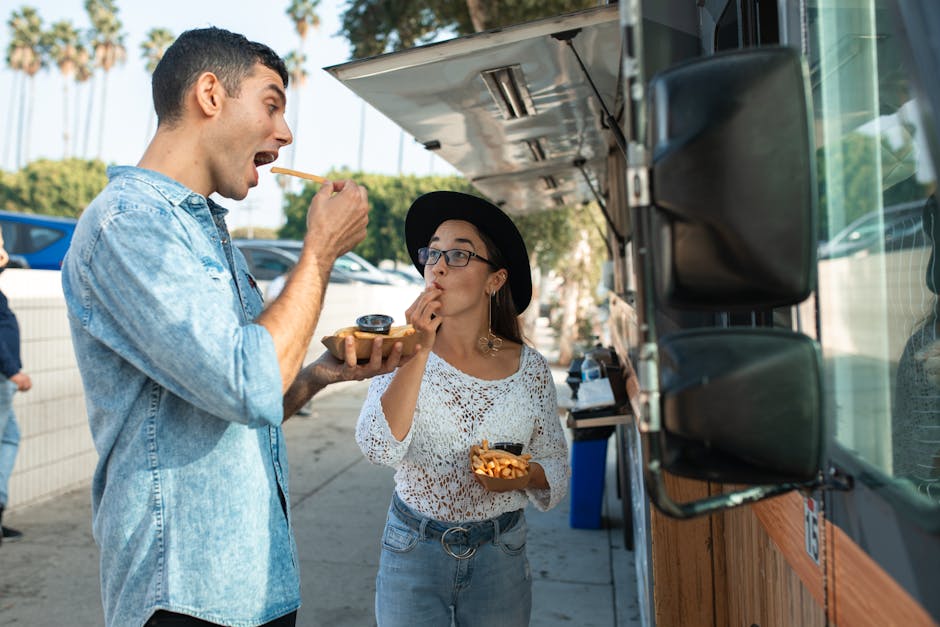
Food safety varies by region. Stick to busy stalls with high turnover, avoid raw shellfish in questionable areas, and drink bottled or filtered water.
Be mindful of cultural norms. In some countries, eating with your left hand is considered rude. In others, finishing your plate signals you’re still hungry.
Always ask before photographing people or private homes. A smile and a thank you go a long way.
Tips for Maximizing Your Experience
A few simple strategies can enhance your culinary journey and create lasting memories.
Keep a Food Journal
Record dishes, ingredients, and impressions. Note where you ate, who you met, and what made the experience special.
This journal becomes a treasured keepsake and helps you recreate favorite meals at home. Include recipes if shared.
Connect with Locals
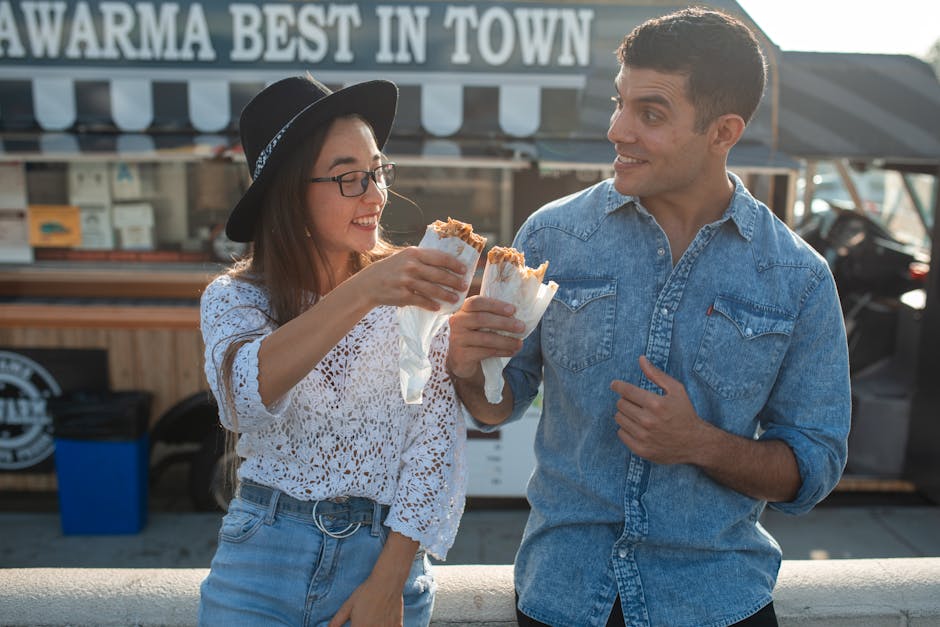
Strike up conversations with vendors, chefs, and fellow travelers. Many locals are proud of their food culture and happy to share recommendations.
Use apps like Meetup or Couchsurfing to find food-related events or dining companions. Shared meals often lead to unexpected friendships.
Try Something New—Every Day
Challenge yourself to eat one unfamiliar dish per day. It might be balut (developing duck embryo) in the Philippines or hákarl (fermented shark) in Iceland.
Even if you don’t love it, the experience expands your palate and perspective. Food adventurers embrace curiosity over comfort.
Support Ethical and Sustainable Practices
Choose experiences that respect people, animals, and the environment. Avoid venues that exploit workers or serve endangered species.
Look for certifications like Fair Trade, organic labels, or community-based tourism initiatives. Your choices shape the future of food travel.
Common Mistakes to Avoid
Even seasoned travelers can stumble when planning culinary trips. Here’s what to watch out for.
Overpacking Your Itinerary
Trying to do too much leads to burnout. Limit yourself to 1–2 major food experiences per day. Allow time to digest—literally and figuratively.
Ignoring Local Customs
What’s normal at home might be offensive abroad. In India, for instance, eating beef is taboo for many. In Muslim-majority countries, avoid alcohol and eat modestly during Ramadan.
Choosing Price Over Quality
The cheapest option isn’t always the best. A $10 cooking class might lack depth, while a $100 experience with a renowned chef offers real value.
Read reviews, check instructor credentials, and prioritize authenticity over cost.
Forgetting Travel Insurance
Food poisoning, allergies, or kitchen accidents can happen. Comprehensive travel insurance covers medical emergencies and trip cancellations.
Declare any pre-existing conditions and ensure your policy includes adventure activities if applicable.
Final Thoughts
The world’s best culinary adventures are not just about eating—they’re about connecting, learning, and growing. They remind us that food is more than sustenance; it’s identity, memory, and joy.
Whether you’re kneading dough in a Roman kitchen or sipping tea in a Kyoto garden, these moments stay with you long after the trip ends. They inspire new recipes, deeper curiosity, and a greater appreciation for the cultures that feed us.
So pack your appetite and an open mind. The next great flavor is waiting.
FAQ
What should I look for in a good cooking class abroad?
Choose classes that include a market tour, are led by local chefs, and emphasize traditional techniques. Small group sizes and hands-on participation enhance the experience.
Is it safe to eat street food while traveling?
Yes, if you follow basic precautions. Eat at busy stalls with high turnover, avoid raw or undercooked items in high-risk areas, and drink bottled water.
How far in advance should I book culinary experiences?
Book popular tours and classes 4–6 weeks ahead, especially during peak seasons. Check cancellation policies and read recent reviews before committing.