Beach Travel Guide with Coastal Adventures and Tips
Planning a beach getaway? This comprehensive beach travel guide covers everything you need for a safe, enjoyable coastal adventure. From choosing the perfect shoreline to packing smart and exploring hidden coves, we’ll walk you through practical tips and must-know advice. Whether you’re after sunbathing, snorkeling, or coastal hikes, this guide helps you make the most of your time by the sea.
Choosing the Right Beach Destination
Not all beaches are created equal. Your ideal spot depends on what kind of experience you’re after—relaxation, adventure, or family fun. Consider factors like water clarity, crowd levels, accessibility, and nearby amenities.
Tropical Paradises vs. Temperate Coastlines
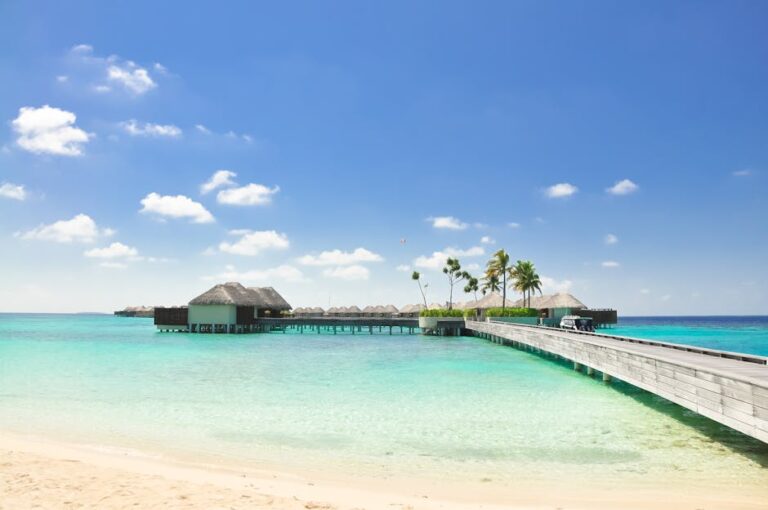
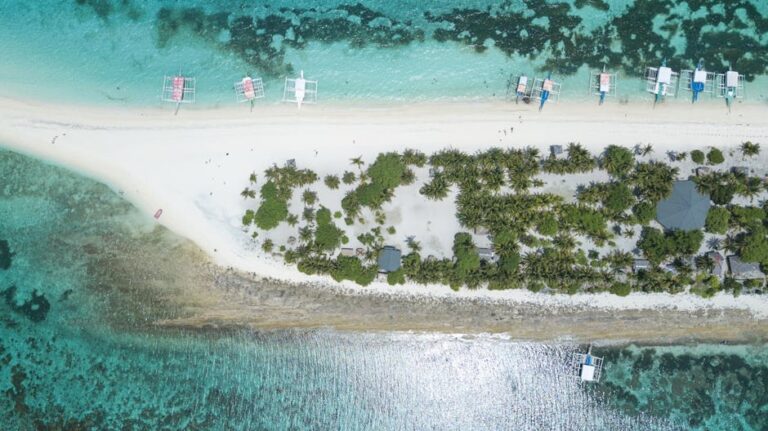
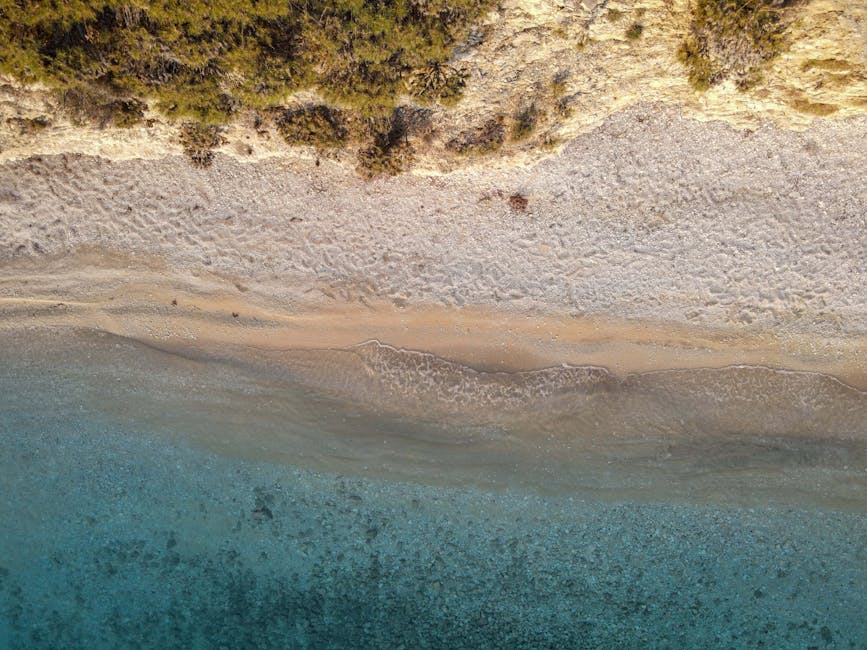
Tropical beaches, like those in the Maldives or Thailand, offer warm waters and lush scenery but may come with higher costs and seasonal storms. Temperate coastlines, such as California’s Big Sur or Portugal’s Algarve, provide milder weather and dramatic cliffs, ideal for hiking and photography.
Compare destinations by researching average temperatures, peak tourist seasons, and local regulations. For example, some Mediterranean beaches restrict swimming during jellyfish season, while Caribbean islands may have hurricane risks from June to November.
Family-Friendly vs. Secluded Spots
Families often prefer beaches with calm waters, lifeguards, and nearby restrooms—think Waikiki in Hawaii or Myrtle Beach in South Carolina. Couples or solo travelers seeking solitude might enjoy remote stretches like Anse Source d’Argent in Seychelles or Pfeiffer Beach in Big Sur.
Always check recent traveler reviews for updates on safety, cleanliness, and crowd density. A beach that was quiet last year might be overrun this season due to social media exposure.
Essential Beach Packing List
Packing efficiently ensures you’re prepared without overloading your bag. Focus on protection, comfort, and convenience.
Sun Protection Essentials
Sunscreen with SPF 30 or higher is non-negotiable. Choose reef-safe formulas to protect marine life—zinc oxide and titanium dioxide are safer options. Reapply every two hours, especially after swimming or sweating.
Don’t forget a wide-brimmed hat, UV-blocking sunglasses, and a lightweight cover-up. A portable pop-up shade tent can make a big difference on crowded or exposed beaches.
Beach Gear and Accessories
Bring a quick-dry towel, a waterproof phone case, and a insulated cooler bag for snacks and drinks. A compact beach mat or foldable chair adds comfort, especially on rocky or uneven shores.
If you plan to explore, pack water shoes for sharp rocks or coral, and a dry bag for electronics. For families, a mesh beach bag helps sand fall through while keeping toys organized.
Coastal Adventures Beyond Sunbathing
Beaches offer more than just lounging. Coastal adventures can include snorkeling, kayaking, tide pooling, and coastal hikes—activities that combine fitness, exploration, and stunning views.
Snorkeling and Marine Exploration
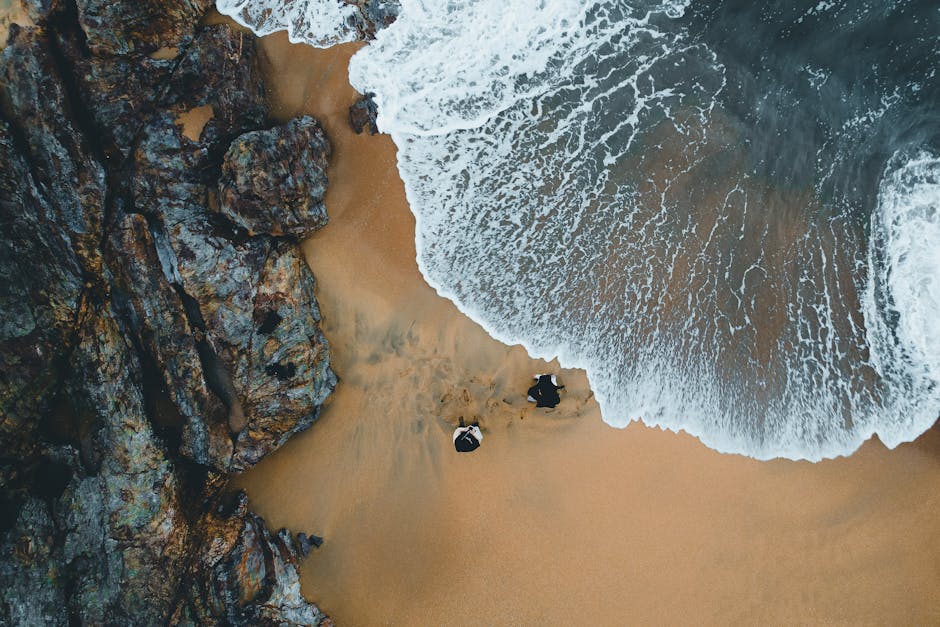
Snorkeling lets you observe vibrant fish, coral reefs, and even sea turtles up close. Popular spots include Hanauma Bay in Oahu, the Great Barrier Reef in Australia, and the cenotes of Tulum, Mexico.
Rent gear locally or bring your own mask and snorkel for a better fit. Always snorkel with a buddy, stay aware of currents, and avoid touching marine life—it can harm both you and the ecosystem.
Kayaking and Paddleboarding
Kayaking offers a peaceful way to explore mangroves, sea caves, and hidden coves. Try sea kayaking in Halong Bay, Vietnam, or paddleboarding in Lake Tahoe for calmer waters.
Beginners should start in sheltered bays with minimal waves. Check weather conditions before heading out, and always wear a life jacket. Many beaches offer guided tours with equipment included.
Tide Pooling and Coastal Hikes
Low tide reveals tide pools teeming with crabs, starfish, and anemones. Visit places like La Jolla Shores in California or the Bay of Fundy in Canada for rich marine discoveries.
Coastal hikes combine scenic views with light exercise. Trails like the South West Coast Path in England or the Kalalau Trail in Kauai offer breathtaking ocean vistas. Wear sturdy shoes and carry water—many trails have limited shade.
Safety Tips for Beach Travel
Enjoying the coast means respecting its power. Rip currents, sun exposure, and marine hazards require awareness and preparation.
Understanding Rip Currents
Rip currents are powerful, narrow channels of fast-moving water that pull swimmers away from shore. They’re responsible for most beach rescues.
If caught in a rip current, don’t panic or swim directly back. Swim parallel to the shore until you’re out of the current, then head back to land. If you can’t swim out, float and signal for help.
Sun and Heat Safety
Dehydration and heat exhaustion are real risks, especially in tropical climates. Drink water regularly—even if you don’t feel thirsty. Avoid alcohol and caffeine, which can increase dehydration.
Seek shade during peak sun hours (10 a.m. to 4 p.m.). Use umbrellas or tents, and reapply sunscreen often. Watch for signs of heatstroke: dizziness, nausea, or confusion.
Marine Life and Environmental Hazards
Watch for jellyfish, sea urchins, and stingrays. Shuffle your feet when walking in shallow water to avoid stepping on stingrays. If stung by a jellyfish, rinse with vinegar (not freshwater) and seek medical help if pain persists.
Avoid touching coral—it’s fragile and can cause cuts. Never feed or chase wildlife. Keep a safe distance from seals, sea lions, or nesting turtles.
Sustainable Beach Travel Practices
Protecting coastal environments ensures future generations can enjoy them. Small actions make a big difference.
Leave No Trace Principles
Pack out all trash, including food wrappers and cigarette butts. Use reusable containers and bottles to reduce plastic waste. Avoid single-use items like plastic straws and bags.
Stay on marked paths to prevent dune erosion. Dunes protect coastlines from storms and provide habitat for native plants and animals.
Supporting Local Communities
Choose locally owned accommodations, restaurants, and tour operators. This keeps money in the community and supports sustainable tourism.
Respect local customs and dress codes, especially in conservative regions. Learn a few phrases in the local language—it goes a long way in building goodwill.
Best Times to Visit Popular Beaches
Timing your trip can mean the difference between a perfect vacation and a disappointing one. Weather, crowds, and prices vary by season.
Seasonal Considerations
In the Caribbean, the dry season (December to April) offers sunny skies and calm seas, but it’s also peak tourist season with higher prices. The shoulder months of May and November provide better deals and fewer crowds, with lower storm risk.
In the Mediterranean, summer (June to August) is hot and busy, while late spring and early fall offer pleasant weather and fewer tourists. Avoid winter unless you’re visiting for cultural sites, as many beach facilities close.
Weekday vs. Weekend Visits
Local beaches often get crowded on weekends. Visiting midweek can mean more space, quieter vibes, and even discounted parking or entry fees.
Check local event calendars—festivals, concerts, or surf competitions can draw large crowds. Plan accordingly or embrace the energy if you enjoy lively atmospheres.
Beach Photography Tips
Capturing the beauty of the coast requires more than just pointing and shooting. Use these tips to get stunning shots.
Golden Hour Magic
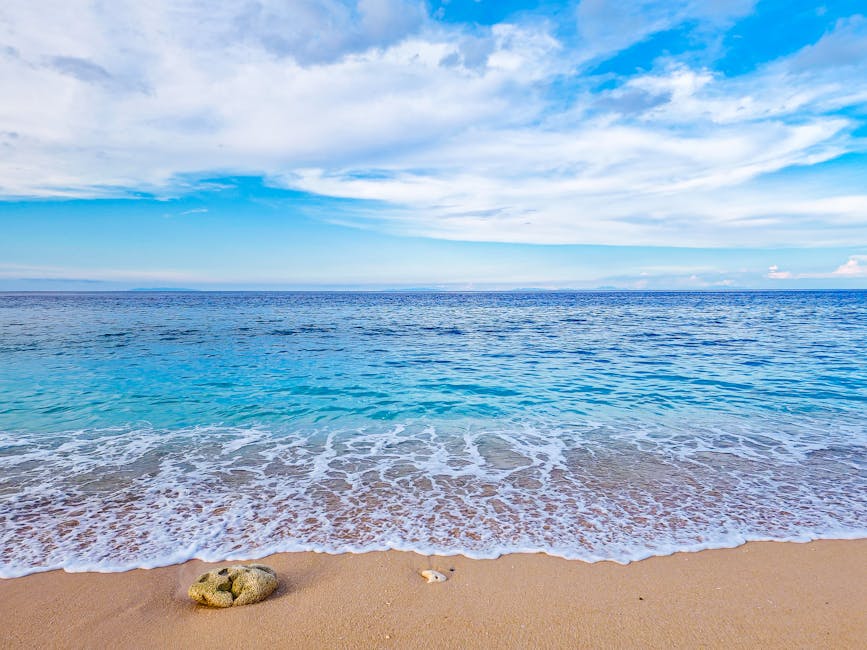
The hour after sunrise and before sunset offers soft, warm light ideal for photography. Silhouettes, reflections, and long shadows add drama to your images.
Use a tripod for stability, especially in low light. Experiment with different angles—shoot from ground level for unique perspectives or use a drone for aerial views (where permitted).
Protecting Your Gear
Sand and saltwater can damage cameras and lenses. Use a protective housing or waterproof case. Keep gear in a sealed bag when not in use.
Clean lenses with a microfiber cloth and avoid changing lenses in windy conditions. A lens hood helps reduce glare from the sun.
Family Beach Day Essentials
Traveling with kids requires extra planning. Keep them safe, entertained, and comfortable for a stress-free day.
Kid-Friendly Activities
Bring buckets, shovels, and molds for sandcastle building. Look for beaches with gentle slopes and shallow water, like those in the Gulf of Mexico.
Pack floating toys, inflatable rafts, and water guns for fun in the surf. For older kids, try boogie boarding or sand volleyball.
Safety and Comfort
Apply sunscreen early and often. Use rash guards or swim shirts with UPF protection. Keep kids hydrated and take frequent breaks in the shade.
Establish a meeting spot in case someone gets separated. Use brightly colored towels or flags to mark your spot on busy beaches.
Beach Travel Guide FAQ
What should I pack for a beach day trip?
Essentials include sunscreen, a hat, sunglasses, a towel, water, snacks, and a waterproof phone case. Add a first-aid kit, extra clothes, and a shade tent for longer stays.
How can I avoid crowds at popular beaches?
Visit during weekdays, early mornings, or off-season months. Research lesser-known beaches nearby or explore coastal trails that lead to secluded coves.
Is it safe to swim at every beach?
No. Always check for posted warnings, lifeguard presence, and water conditions. Avoid swimming after storms, near river mouths, or in areas with strong currents or pollution.
Final Thoughts
A well-planned beach trip combines relaxation, adventure, and respect for nature. Use this beach travel guide to choose the right destination, pack smart, and explore safely. Whether you’re snorkeling in crystal-clear waters or hiking along rugged cliffs, the coast offers endless possibilities. With the right preparation, your next beach adventure can be both memorable and responsible.