Best Beach Travel Spots for Exploring Island Culture
Looking for the best beach travel spots to experience authentic island culture? You don’t need to cross the globe to find vibrant traditions, warm hospitality, and stunning coastlines. From the Caribbean to Southeast Asia, several destinations blend pristine beaches with deep-rooted cultural practices. These locations offer more than just sun and sand—they invite travelers to engage with local customs, cuisine, music, and history. Whether you’re exploring historic fishing villages or joining community festivals, these islands provide immersive experiences that go beyond typical resort stays.
Why Island Culture Enhances Beach Travel
Island cultures often preserve traditions that mainland regions have lost to modernization. Their geographic isolation has helped maintain unique languages, crafts, and social structures. When you visit a culturally rich beach destination, you gain insight into how communities live in harmony with the sea.
These experiences foster deeper connections. Instead of just relaxing on the shore, you might learn to weave palm fronds, cook traditional seafood dishes, or dance to local rhythms. This kind of travel supports sustainable tourism and helps preserve heritage for future generations.
Top Destinations for Cultural Beach Experiences
Not all beach destinations offer equal access to authentic island life. Some cater primarily to luxury tourism, while others remain rooted in daily traditions. The following spots stand out for their balance of natural beauty and cultural depth.
Taveuni Island, Fiji
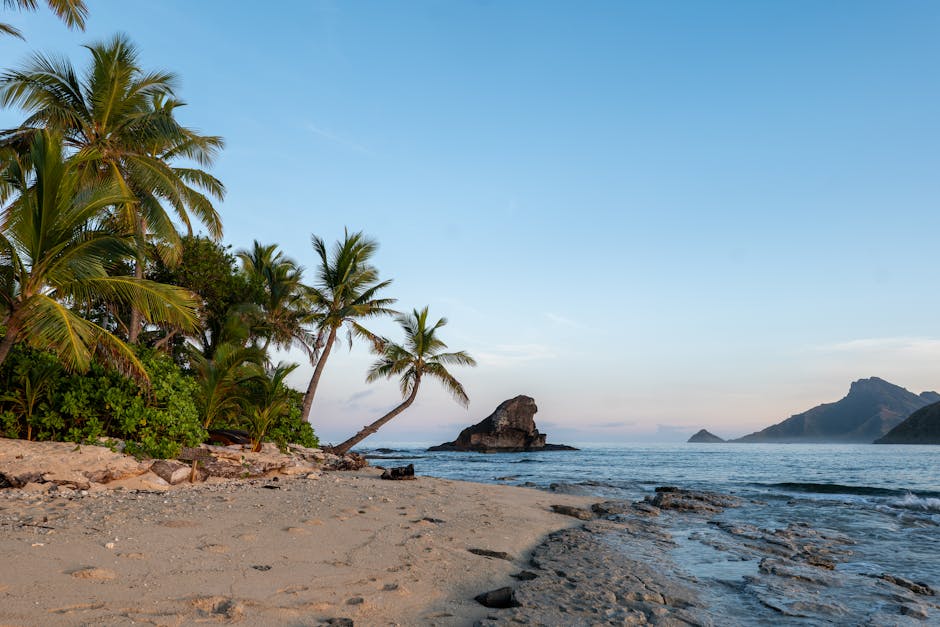
Taveuni, known as the “Garden Island,” offers lush rainforests, waterfalls, and coral reefs—but its real draw is Fijian village life. Visitors can stay in locally owned beachfront bure accommodations and participate in kava ceremonies, a traditional ritual that fosters community bonding.
The island hosts regular meke performances, featuring storytelling through dance and song. Local guides often lead cultural walks through villages, explaining ancestral practices and sustainable farming methods. This is one of the best beach travel spots for travelers seeking genuine interaction with indigenous communities.
Barbados, Eastern Caribbean
Barbados combines turquoise waters with a rich Afro-Caribbean heritage. The island’s culture shines through its music, food, and festivals. Beachgoers can explore historic plantations turned museums or attend a Friday night fish fry in Oistins, where grilled catch is served with flying fish and cou-cou—the national dish.
Local artisans sell handcrafted jewelry and pottery at seaside markets. The Crop Over Festival, held annually from June to August, transforms beaches into lively stages for calypso music and costume parades. It’s a dynamic way to experience Bajan culture firsthand.
Koh Rong, Cambodia
While still developing its tourism infrastructure, Koh Rong offers a rare glimpse into rural Cambodian coastal life. The island’s long, quiet beaches are lined with small fishing communities where life moves at a gentle pace.
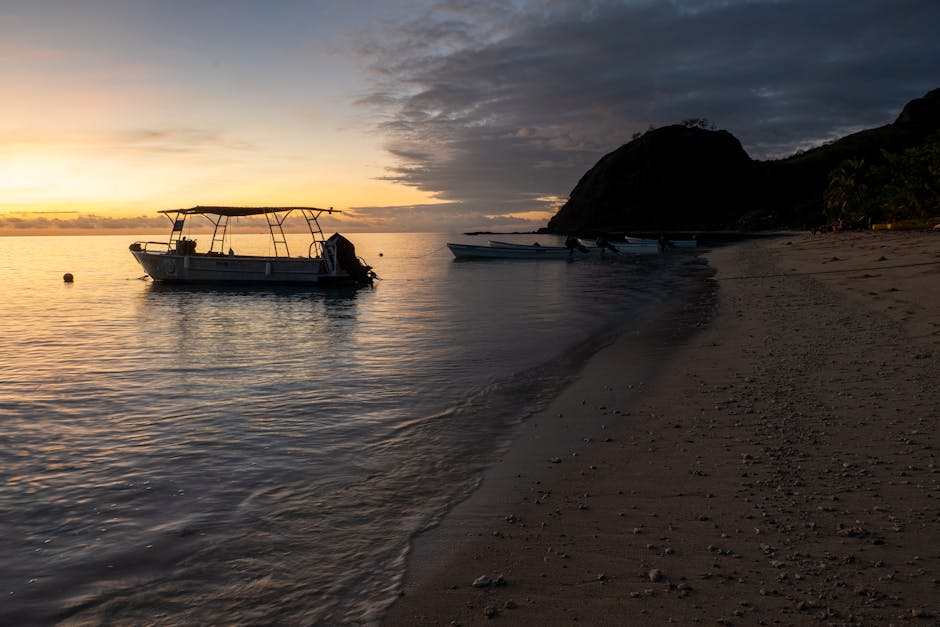
Visitors can join local fishermen on early morning trips or help prepare meals using fresh seafood and coconut-based recipes. The island’s Buddhist temples host quiet ceremonies that welcome respectful observers. For travelers who value simplicity and authenticity, Koh Rong delivers a refreshing alternative to crowded tourist hubs.
Isla de Margarita, Venezuela
This Caribbean island blends Spanish colonial history with Afro-Venezuelan traditions. Its beaches are dotted with colorful fishing boats and open-air seafood shacks serving cazuela, a rich fish stew.
Local women still practice traditional lace-making, a craft passed down through generations. Markets in Porlamar feature handmade goods and live meringue music. Despite economic challenges on the mainland, Margarita maintains a strong sense of community pride visible in daily life.
Jeju Island, South Korea
Often called “Korea’s Hawaii,” Jeju Island offers volcanic landscapes, black-sand beaches, and a distinct cultural identity. The island has its own dialect and matriarchal diving traditions led by haenyeo—female free divers who harvest seafood without tanks.
Visitors can watch haenyeo at work, visit traditional stone-walled homes called gudeuljang, and sample hallabong mandarin oranges grown in volcanic soil. The island’s UNESCO-listed cultural sites provide context for its unique heritage. Jeju proves that island culture doesn’t require tropical climates to thrive.
How to Respectfully Engage with Local Communities
Traveling to culturally rich destinations requires awareness and sensitivity. Your presence should enrich, not disrupt, local life. Start by learning basic greetings in the local language. A simple “thank you” in the native tongue goes a long way.
Dress modestly when visiting villages or religious sites, even if you’re coming from the beach. Ask permission before photographing people or private property. Support local economies by buying directly from artisans and eating at family-run restaurants.
What to Avoid
Avoid treating cultural practices as photo opportunities. Ceremonies, dances, and rituals hold deep meaning. Participate only when invited, and follow local guidance. Don’t expect locals to perform traditions on demand for tourists.
Also, be cautious about sharing images online. Some communities restrict photography of sacred sites or elders. When in doubt, err on the side of restraint.
Practical Tips for Planning Your Trip
Research your destination before departure. Learn about local customs, holidays, and appropriate behavior. Some islands have seasonal festivals that offer rich cultural experiences but may also increase crowds and prices.
Book accommodations through locally owned operators when possible. Eco-lodges, guesthouses, and homestays often provide more authentic interactions than large resorts.
Best Times to Visit
Cultural events often dictate ideal travel windows. In Barbados, plan around Crop Over for maximum immersion. In Fiji, the dry season (May to October) offers pleasant weather and frequent village festivals.
Avoid peak tourist seasons if you prefer quieter, more personal exchanges. Shoulder months—like April in Jeju or November in Koh Rong—can offer better access to local life.
Packing Essentials
Bring items that show respect and readiness to engage. A reusable water bottle reduces plastic waste common in island environments. Pack modest clothing for temple visits and village tours.
Include small gifts like school supplies or medical items if visiting remote communities—but only after confirming local needs. Avoid giving money directly to children, as it can encourage dependency.
Sustainable Tourism and Its Impact
Islands are especially vulnerable to environmental and cultural erosion. Over-tourism can strain resources and dilute traditions. Choosing responsible travel practices helps preserve these destinations.
Stick to marked trails, avoid touching coral reefs, and never take shells or sand from beaches—these are protected in many locations. Use reef-safe sunscreen to protect marine ecosystems.
Support conservation efforts by visiting national parks or marine reserves that fund community programs. Your entrance fees often go toward education and infrastructure that benefit locals.
Comparing Cultural Beach Destinations
Each island offers a different flavor of culture. Fiji emphasizes communal living and oral traditions. Barbados blends African rhythms with colonial architecture. Jeju stands out for its gender roles and environmental adaptation.
Consider what kind of cultural exchange appeals to you. Are you drawn to music and dance? Interested in craft-making or culinary traditions? Choose a destination that aligns with your interests for a more meaningful trip.
Final Thoughts on Island Cultural Travel
The best beach travel spots for exploring island culture offer more than scenic views—they provide windows into ways of life shaped by ocean, history, and community. These journeys require curiosity, humility, and openness.
By prioritizing authentic experiences over convenience, you contribute to a more thoughtful form of tourism. You return home not just with photos, but with stories, connections, and a deeper appreciation for global diversity.
FAQ
What makes a beach destination good for experiencing island culture?
A destination excels when it offers accessible opportunities to interact with local traditions, such as festivals, crafts, food, and community events—not just scenic beaches.
How can I ensure I’m being respectful when visiting island communities?
Learn basic local phrases, dress modestly, ask before taking photos, support local businesses, and follow guidelines provided by hosts or guides.
Are there family-friendly islands that still offer deep cultural experiences?
Yes. Barbados and Jeju Island are excellent choices, offering safe environments, educational activities, and cultural events suitable for all ages.