Travel Tips Guide with Travel Checklist and Preparation
Planning a trip can feel overwhelming, but with the right travel tips guide, you can simplify the process and avoid common pitfalls. This comprehensive resource covers everything from packing essentials to pre-departure tasks, ensuring you’re fully prepared. Whether you’re heading to a tropical beach or a bustling city, having a clear travel checklist and preparation plan makes all the difference. By following these practical steps, you’ll reduce stress, save money, and enjoy a smoother journey.
Why Preparation Matters
Travel preparation isn’t just about avoiding lost luggage or missed flights—it’s about setting the tone for your entire trip. A well-planned journey allows you to focus on experiences, not logistics. Without proper planning, small issues can escalate quickly: expired passports, missing adapters, or last-minute accommodation changes.
Consider this: travelers who use a structured checklist are 60% less likely to forget essential items, according to travel industry surveys. That includes documents, medications, and chargers. Preparation also helps you budget better, book smarter, and stay safe in unfamiliar environments.
Essential Travel Checklist
A reliable travel checklist is your first line of defense against travel mishaps. Below is a categorized list covering the most critical items every traveler should verify before departure.
Documents and Identification
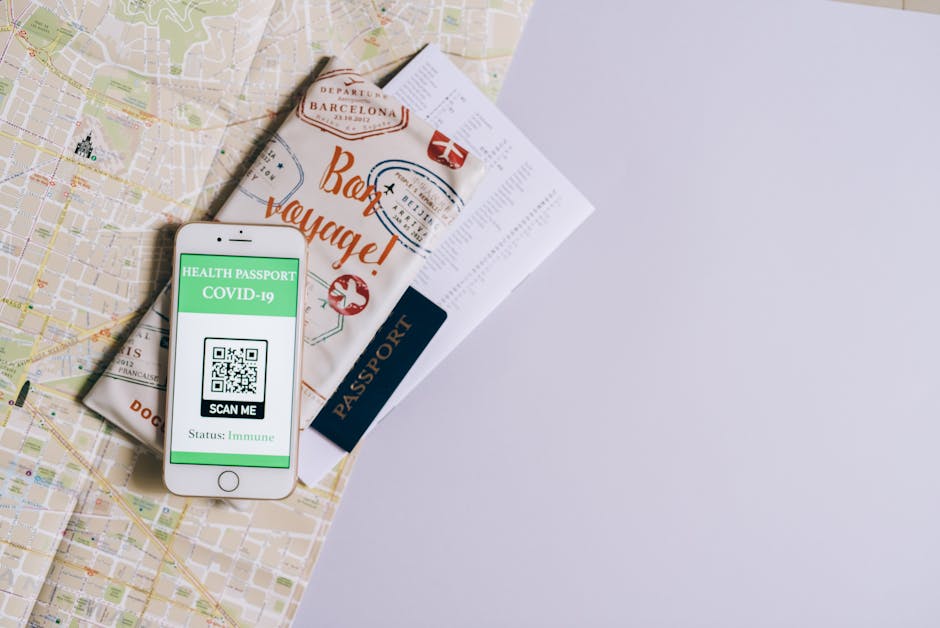
Always carry your passport, visa (if required), and a printed copy of your travel itinerary. Keep digital backups in your email or cloud storage. If you’re traveling domestically, ensure your ID is current and accepted by airlines or rental services.
For international trips, check visa requirements at least six weeks in advance. Some countries offer visa-on-arrival, but others require pre-approval. Also, verify that your passport has at least six months of validity remaining—many nations enforce this rule strictly.
Health and Safety Items
Pack a basic first-aid kit with band-aids, antiseptic wipes, pain relievers, and any prescription medications. Include a copy of your prescriptions and a note from your doctor if carrying controlled substances.
Don’t forget travel insurance. It covers medical emergencies, trip cancellations, and lost baggage. Compare policies from reputable providers and read the fine print—some exclude high-risk activities like scuba diving or skiing.
Clothing and Personal Items
Pack versatile clothing suitable for the climate and activities. Use the “layering” method for variable weather. Roll clothes instead of folding to save space and reduce wrinkles.
Include undergarments, sleepwear, and a change of clothes in your carry-on in case your checked luggage is delayed. Don’t forget toiletries, but remember TSA liquid restrictions: containers must be 3.4 ounces or less and fit in a single quart-sized bag.
Electronics and Accessories
Bring your phone, charger, and a portable power bank. Consider a universal travel adapter if visiting countries with different plug types. Download offline maps, translation apps, and entertainment before leaving.
Leave expensive gadgets at home if not essential. If you must bring a camera or laptop, insure it and keep it with you at all times. Label devices with your contact information in case they’re misplaced.
Money and Payment Options
Notify your bank of your travel dates to avoid card blocks. Carry a mix of cash, credit cards, and a debit card. Use ATMs affiliated with major networks to reduce fees.
Keep emergency cash in a separate location, like a money belt or hidden pocket. Avoid exchanging money at airports—rates are often unfavorable. Use local banks or authorized exchange offices instead.
Step-by-Step Travel Preparation
Preparation goes beyond packing. Follow these steps in the weeks and days leading up to your trip to ensure nothing is overlooked.
4–6 Weeks Before Departure
Book flights and accommodations early for better prices and availability. Research your destination’s weather, local customs, and transportation options. Create a rough itinerary, but leave room for flexibility.
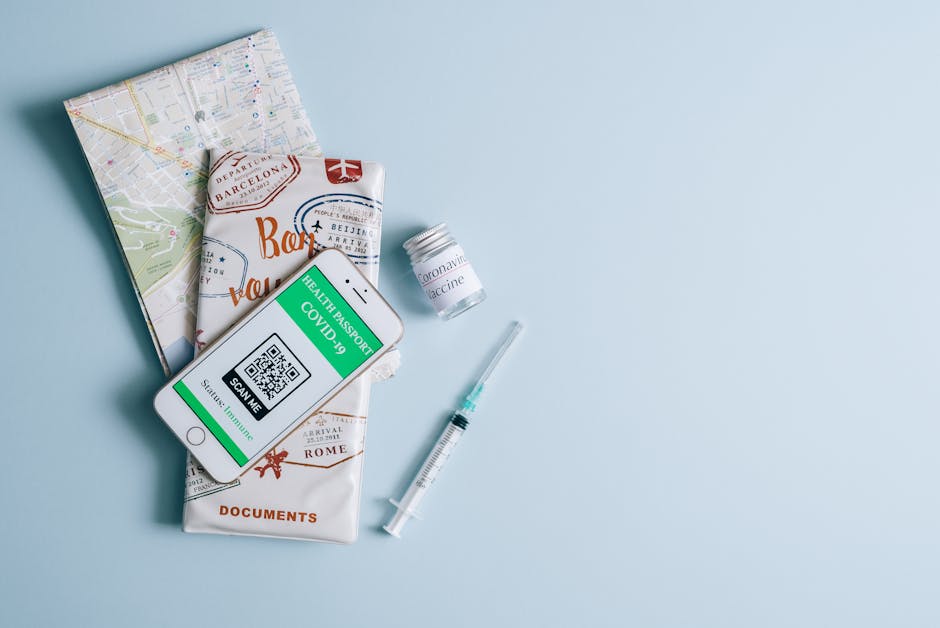
Check if your destination requires vaccinations. Visit a travel clinic if needed. Some countries mandate proof of yellow fever vaccination for entry.
2–3 Weeks Before Departure
Confirm all reservations and reconfirm flights 72 hours before departure. Download boarding passes if available. Arrange airport transfers or parking at home.
Make photocopies of important documents and store them separately from the originals. Share your itinerary with a trusted friend or family member.
1 Week Before Departure
Begin packing non-essential items. Charge all devices and test adapters. Set up automatic bill payments or mail holds if you’ll be away for an extended period.
Check travel advisories from your government. Register your trip with a consulate if recommended. This helps in emergencies and facilitates communication.
24–48 Hours Before Departure
Finish packing and weigh your luggage to avoid excess fees. Double-check that liquids are properly stored and electronics are charged. Confirm transportation to the airport.
Pack a small bag with essentials for the flight: snacks, water bottle, neck pillow, and entertainment. Wear comfortable, layered clothing and slip-on shoes for security checks.
Packing Smart: Tips and Tricks
Efficient packing saves space, reduces stress, and prevents damage. Use packing cubes to organize clothes by category. Fill shoes with socks or small items to maximize space.
Choose a suitcase with wheels and a sturdy handle. Hard-shell cases protect fragile items, while soft-shell ones are lighter and more flexible. Always attach a luggage tag with your name and contact details.
Avoid overpacking by sticking to a color-coordinated wardrobe. Neutral tones mix and match easily. Limit shoes to three pairs: one for walking, one casual, and one dressy if needed.
Use vacuum-sealed bags for bulky items like jackets or sweaters. They compress volume significantly. Just remember to reopen them at your destination to prevent wrinkles.
Staying Safe While Traveling
Safety should be a top priority, especially in unfamiliar places. Stay aware of your surroundings and avoid displaying valuables. Use hotel safes for passports, extra cash, and electronics.
Research common scams at your destination. In tourist areas, be cautious of unsolicited help, fake petitions, or distraction tactics. Keep your belongings close in crowded spaces.
Share your real-time location with someone you trust using apps like Google Maps or Find My Friends. Check in regularly, especially if traveling alone.
Know the local emergency numbers. In many countries, 112 is a universal emergency line. Save contacts for your country’s embassy or consulate in case of legal or medical issues.
Managing Your Budget
Travel expenses can add up quickly. Create a daily spending limit based on your destination. Use budgeting apps to track expenses in real time.
Eat like a local to save money. Street food and neighborhood cafes are often cheaper and more authentic than tourist restaurants. Avoid dining in areas near major attractions—prices are usually inflated.
Use public transportation instead of taxis. Many cities offer day passes or tourist cards with unlimited rides. Walking is also a great way to explore and save.
Look for free activities: museums with no admission fee, public parks, and walking tours. Many cities offer “pay-what-you-wish” entry on certain days.
Technology and Connectivity
Stay connected without overspending on roaming fees. Buy a local SIM card upon arrival or use an international data plan. Wi-Fi is widely available in hotels, cafes, and airports.
Download offline maps and translation tools. Google Translate works without internet for many languages. Use apps like Maps.me for navigation in areas with poor signal.
Enable two-factor authentication on your accounts before traveling. Avoid public Wi-Fi for banking or sensitive transactions. Use a VPN if necessary.
Back up photos and documents daily to the cloud. Losing your phone doesn’t have to mean losing your memories.
Cultural Etiquette and Respect
Understanding local customs enhances your experience and shows respect. Dress modestly in religious sites. In Japan, remove shoes before entering homes. In parts of the Middle East, avoid public displays of affection.
Learn basic phrases in the local language: “hello,” “thank you,” and “excuse me.” Even simple efforts are appreciated. Use gestures politely—some hand signals are offensive in certain cultures.
Tip appropriately. In the U.S., 15–20% is standard. In many Asian countries, tipping is not expected or may even be refused. Research local norms to avoid awkwardness.
Be mindful of photography. Always ask before taking pictures of people, especially in rural or indigenous communities. Some sites prohibit photography altogether.
Returning Home: Post-Travel Checklist
Your travel preparation doesn’t end when you land. Use this post-travel checklist to wrap up smoothly.
Immediate Tasks
Check your luggage for damage or missing items. Report issues to the airline immediately. Unpack and wash clothes to remove dirt and potential pests.
Review your credit card statements for unauthorized charges. Dispute any suspicious activity promptly. Replenish medications and toiletries.
Long-Term Follow-Up
Submit expense reports if traveling for work. Update your travel journal or blog with photos and reflections. Share tips with friends who may visit the same destination.
Evaluate your travel insurance claim process if used. Provide feedback to hotels, tour operators, or airlines. This helps improve services for future travelers.
FAQ
Q: How far in advance should I start preparing for a trip?
A: Begin planning 4–6 weeks ahead for international trips. This allows time for visas, vaccinations, and booking accommodations. For domestic trips, 2–3 weeks is usually sufficient.
Q: What should I do if I forget something important while traveling?
A: Most essentials can be purchased locally. Pharmacies, convenience stores, and tourist shops carry basics like toiletries and adapters. Contact your airline or hotel for assistance with lost items.
Q: Is travel insurance really necessary?
A: Yes, especially for international travel. It covers medical emergencies, trip cancellations, and lost luggage. Even for short trips, a basic policy offers peace of mind and financial protection.
Final Thoughts
A solid travel tips guide with a detailed checklist and preparation plan transforms a stressful journey into a seamless adventure. By organizing documents, packing wisely, and staying informed, you set yourself up for success. Preparation isn’t about eliminating surprises—it’s about being ready to handle them with confidence. Use this guide as your go-to resource for every trip, and you’ll travel smarter, safer, and more enjoyably.