Best Travel Tips for Planning Weekend Getaways
Planning a weekend getaway doesn’t have to be stressful or time-consuming. With the right approach, you can enjoy a refreshing escape without breaking the bank or overextending your schedule. Whether you’re heading to a nearby city, a quiet mountain town, or a coastal retreat, these practical travel tips will help you make the most of your short trip. From choosing the right destination to packing efficiently, we’ll walk you through every step to ensure a smooth and enjoyable experience.
Start with a Realistic Destination
The key to a successful weekend trip is picking a destination within a 2–4 hour drive or a short flight. Overambitious travel times eat into your limited time and increase stress. For example, driving six hours each way leaves little room for actual relaxation.
Consider nearby national parks, charming small towns, or cities with direct train or bus connections. Places like Asheville, North Carolina, or Hudson, New York, offer rich culture and scenery without requiring long travel days. Use tools like Google Maps to estimate drive times and factor in traffic, especially on Friday evenings.
Check Local Events and Seasonal Conditions
Before finalizing your destination, research local events, festivals, or seasonal closures. A town might be lovely in spring but nearly deserted in winter. Similarly, a popular music festival could mean packed streets and inflated prices.
Visit the local tourism board’s website or check event calendars on sites like Eventbrite. This helps you avoid surprises and may even help you time your trip to coincide with something special, like a farmers’ market or outdoor concert.
Book Accommodations Early—But Smart
Weekend stays fill up quickly, especially in popular areas. Book your lodging at least 2–3 weeks in advance to secure better rates and locations. However, don’t just go for the cheapest option—consider proximity to attractions, parking availability, and cancellation policies.
Compare platforms like Booking.com, Airbnb, and direct hotel websites. Sometimes booking directly with a hotel offers perks like free breakfast or late checkout. For a more local experience, try boutique inns or vacation rentals in residential neighborhoods.
Prioritize Location Over Luxury
On a short trip, convenience matters more than room size or fancy amenities. Staying near downtown or public transit saves time and reduces the need for constant driving. For instance, a modest room in a central area of Savannah, Georgia, lets you walk to historic squares and restaurants.
If you’re visiting a national park, look for cabins or lodges just outside the entrance. This minimizes morning drive time and maximizes your time outdoors. Always read recent guest reviews to avoid noisy or poorly maintained properties.
Plan Activities—But Stay Flexible
Having a rough itinerary helps you make the most of your time, but over-scheduling can turn a relaxing trip into a chore. Aim for 2–3 main activities per day, with built-in downtime.
For example, visit a museum in the morning, have a leisurely lunch, then take a nature walk in the afternoon. Leave evenings open for spontaneous discoveries—like a local jazz bar or a sunset viewpoint. Apps like TripIt or Google Trips can help organize your plans without rigidity.
Use Free and Low-Cost Attractions
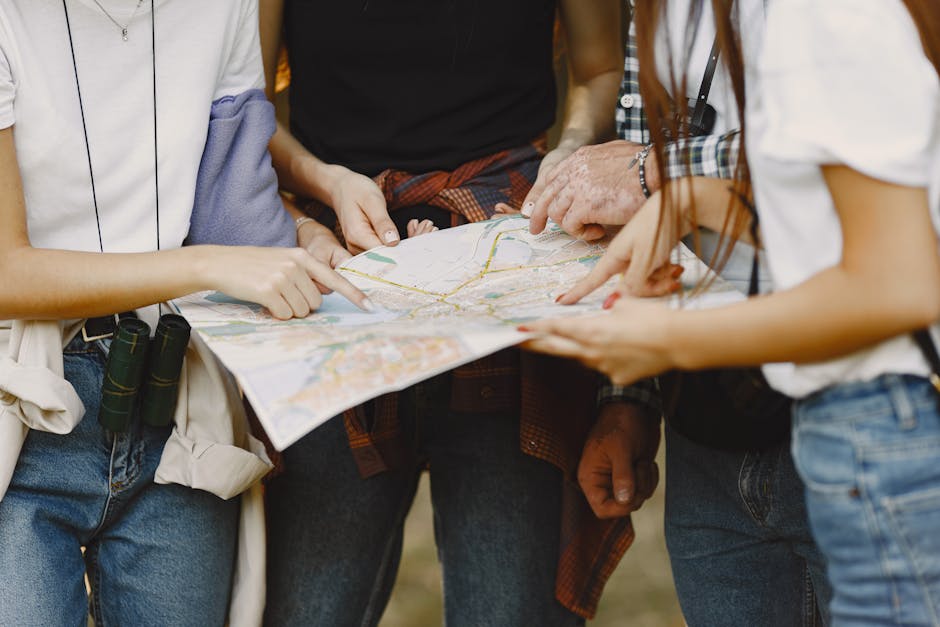
You don’t need to spend a lot to have a great time. Many cities offer free walking tours, public parks, art galleries, and historic districts. In Portland, Oregon, you can explore Powell’s City of Books and the International Rose Test Garden without spending a dime.
Check city tourism websites for “free days” at museums or discounted passes that bundle multiple attractions. Student, senior, or military discounts can also reduce costs if applicable.
Pack Light and Smart
Weekend trips are perfect for practicing minimalist packing. A carry-on suitcase or large backpack is usually sufficient. Stick to versatile clothing—neutral colors that mix and match, and layers for changing weather.
Roll clothes instead of folding to save space and reduce wrinkles. Pack travel-sized toiletries, a reusable water bottle, and a compact day bag for outings. Don’t forget chargers, medications, and any necessary documents.
Prepare for the Unexpected
Always pack a small emergency kit: pain relievers, band-aids, hand sanitizer, and a portable phone charger. Check the weather forecast before you leave and adjust your packing accordingly. A sudden rain shower can ruin outdoor plans if you’re unprepared.
If you’re driving, keep a spare tire, jumper cables, and a flashlight in your car. For flights, arrive at the airport at least 90 minutes early to avoid stress.
Travel Off-Peak When Possible
Weekends are inherently busy, but you can still find quieter times. Try leaving early Friday morning or returning Sunday afternoon instead of Sunday night. This avoids peak traffic and gives you more time at your destination.
Consider traveling during the shoulder season—late spring or early fall—when crowds are thinner and prices are lower. For example, visiting Charleston, South Carolina, in October offers pleasant weather and fewer tourists than summer.
Avoid major holidays like Memorial Day or Labor Day if you prefer a more relaxed atmosphere. These periods often mean higher prices and packed attractions.
Use Technology to Your Advantage
Smartphones are powerful travel tools. Download offline maps in case you lose signal in rural areas. Use apps like Google Translate if traveling internationally, or Yelp to find highly rated local restaurants.
Enable location sharing with a trusted friend for safety, especially if hiking or exploring remote areas. Set up flight or train alerts to stay informed about delays or gate changes.
Save Important Info Digitally
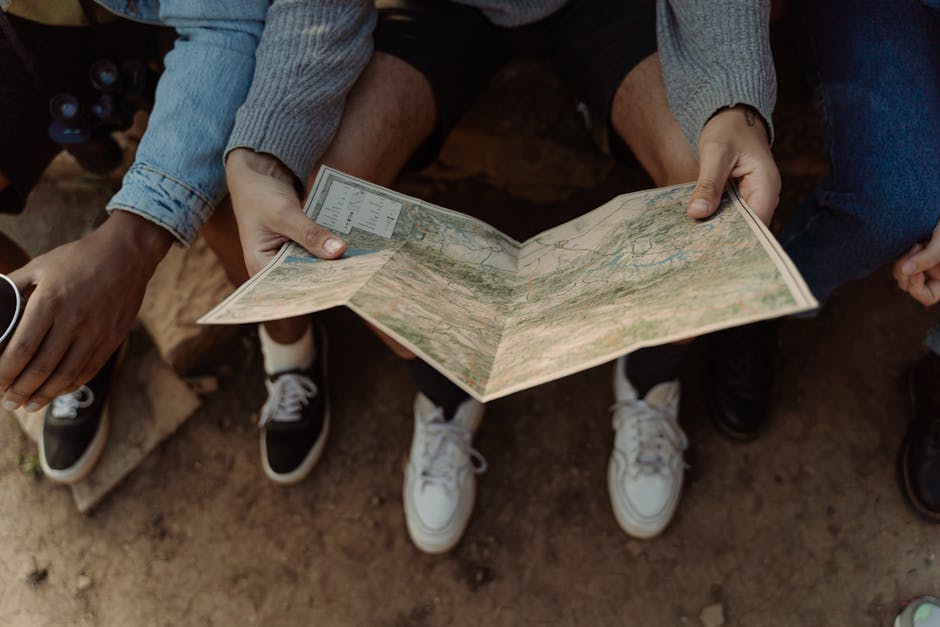
Store your itinerary, hotel confirmations, and emergency contacts in a notes app or cloud storage. Take screenshots of reservation details in case you lose internet access. Share your plans with someone back home for peace of mind.
Consider using a travel app like TripIt to automatically organize confirmations from emails. It creates a clean, shareable itinerary with maps and timelines.
Eat Like a Local
One of the best parts of travel is the food. Skip the chain restaurants and seek out locally owned cafes, food trucks, or farmers’ markets. Ask locals for recommendations—hotel staff or shopkeepers often know the best hidden gems.
In cities like Austin, Texas, food trucks offer gourmet meals at reasonable prices. In coastal towns, look for seafood shacks that serve the day’s catch. Trying regional specialties—like clam chowder in Boston or beignets in New Orleans—adds authenticity to your trip.
Stay Hydrated and Mindful of Alcohol
It’s easy to overindulge on vacation, but dehydration and hangovers can ruin a short trip. Alternate alcoholic drinks with water, especially if you’re outdoors in the sun. Carry a reusable bottle and refill it at public stations or your hotel.
If you’re driving, designate a sober driver or use rideshare services. Many cities have affordable Uber or Lyft options, even in smaller towns.
Manage Your Budget Wisely
Set a daily spending limit before you go. Include lodging, food, activities, transportation, and souvenirs. Use a budgeting app like Mint or a simple spreadsheet to track expenses in real time.
Look for combo deals—some attractions offer discounted tickets when purchased together. For example, a city pass in San Francisco includes entry to multiple museums and public transit.
Avoid Tourist Traps
Highly advertised restaurants and shops near major attractions often charge premium prices for mediocre quality. Walk a few blocks away from the main drag to find better value and more authentic experiences.
Read recent reviews on Google or TripAdvisor to spot overpriced or underwhelming spots. A highly rated local diner is often a better choice than a flashy tourist restaurant.
Stay Safe and Respectful
Safety should always come first. Share your itinerary with someone you trust, and check in regularly. Avoid walking alone in unfamiliar areas at night, and keep your belongings secure in crowded places.

Respect local customs and environments. Follow trail rules in national parks, don’t litter, and be mindful of noise levels in quiet neighborhoods. Traveling responsibly ensures these places remain enjoyable for future visitors.
Know Emergency Contacts
Save local emergency numbers in your phone. In the U.S., dial 911 for police, fire, or medical help. For international trips, know the local equivalent and your country’s embassy contact information.
Carry a physical copy of your insurance card and any necessary prescriptions. If you have allergies or medical conditions, wear a medical ID bracelet or carry a note.
Make the Most of Your Return
Don’t rush home the moment your trip ends. Use Sunday evening to unwind—have a quiet dinner, watch a movie, or journal about your experiences. This helps ease the transition back to daily life.
Unpack promptly to avoid laundry pile-ups. Review your photos and notes while memories are fresh. Consider creating a small travel journal or digital album to preserve the highlights.
Reflect on what worked and what didn’t. Did you pack too much? Was the itinerary too tight? Use these insights to improve your next weekend getaway.
Final Thoughts on Weekend Travel
The best travel tips for planning weekend getaways focus on simplicity, preparation, and flexibility. You don’t need a long vacation to recharge—just a well-planned short trip can refresh your mind and spirit. By choosing the right destination, booking smart, packing light, and staying open to spontaneity, you can turn any weekend into a memorable escape.
Remember, the goal isn’t to see everything, but to enjoy the moment. Whether you’re exploring a new city, hiking a scenic trail, or simply sipping coffee in a quiet café, the value of a weekend getaway lies in the break from routine. Start planning your next adventure today—your future self will thank you.
FAQ
How far in advance should I plan a weekend getaway?
Ideally, plan 2–3 weeks ahead, especially for popular destinations. This gives you time to compare prices, book accommodations, and research activities without last-minute stress.
What’s the best way to save money on a short trip?
Travel during off-peak times, use public transit, eat at local restaurants, and take advantage of free attractions. Booking accommodations with kitchens can also reduce food costs.
Can I have a good trip without a detailed itinerary?
Yes. While a loose plan helps, leaving room for spontaneity often leads to the most memorable experiences. Focus on a few key activities and let the rest unfold naturally.