Top Coffee Destinations for Food Travel Lovers
For food travel lovers, coffee isn’t just a morning ritual—it’s a cultural experience. The best coffee destinations offer more than a great cup; they provide insight into local traditions, farming practices, and culinary innovation. Whether you’re sipping a velvety flat white in Melbourne or exploring bean-to-cup tours in Colombia, these locations blend flavor, heritage, and hospitality. This guide highlights the world’s top coffee destinations where flavor meets travel, offering practical tips and must-visit spots for every coffee enthusiast.
Why Coffee Tourism Matters
Coffee tourism has grown into a meaningful niche within food travel. It allows travelers to connect with origin stories, meet farmers, and taste unique regional profiles. Unlike generic café visits, coffee-focused trips often include farm tours, roasting workshops, and cupping sessions.
These experiences deepen appreciation for the craft behind every cup. They also support sustainable practices and local economies. For food travelers, coffee destinations offer a flavorful gateway into a region’s identity.
Colombia: The Heart of Specialty Coffee
Colombia is synonymous with high-quality Arabica beans. Its mountainous terrain and ideal climate create perfect growing conditions. The Coffee Cultural Landscape, a UNESCO World Heritage site, spans the departments of Caldas, Quindío, and Risaralda.
Travelers can tour working farms in Salento or Filandia. Many offer guided walks through coffee groves, harvesting demonstrations, and tastings. Don’t miss a visit to Hacienda Venecia near Manizales, which provides hands-on roasting classes.
Best Time to Visit
The harvest season runs from October to February. Visiting during this time allows you to see coffee cherries being picked and processed. Even outside harvest, farms welcome guests year-round.
Book tours in advance, especially in the Eje Cafetero (Coffee Axis). Popular spots fill quickly, and some require reservations weeks ahead.
What to Try
Order a tinto—a small black coffee—at a local sidewalk stall. For something sweeter, try a café con leche with panela, an unrefined cane sugar. Many farms also serve coffee-infused desserts, like tiramisu made with local beans.
Ethiopia: The Birthplace of Coffee
Ethiopia is where coffee was first discovered. Legend says a goat herder noticed his animals became energetic after eating red berries. Today, the country produces some of the most complex and floral coffees in the world.
Addis Ababa and the Yirgacheffe region are prime destinations. In the capital, visit Tomoca, one of Africa’s oldest coffee shops. It’s been roasting since 1953 and offers a rich, traditional experience.
Traditional Coffee Ceremony
Participating in a coffee ceremony is a must. The ritual involves roasting green beans over charcoal, grinding them by hand, and brewing in a jebena, a clay pot. The process can take over an hour and is deeply symbolic.
Guests are typically served three rounds: abol, tona, and baraka (the blessing). Declining may be seen as impolite, so come with an open mind and appetite.
Sustainable Sipping
Support ethical sourcing by buying directly from cooperatives. The Oromia Coffee Farmers Cooperative Union works with over 200,000 smallholders. Purchasing their beans ensures fair wages and community investment.
Italy: Espresso Culture and Craft
Italy invented the espresso machine and perfected the art of quick, concentrated coffee. While not a major producer, it’s a global leader in coffee culture and technique.
Milan, Rome, and Naples each offer distinct coffee experiences. In Naples, order a caffè sospeso—a “suspended coffee”—where you pay for an extra cup for someone in need. It’s a centuries-old tradition of generosity.
Rules of the Bar
In Italy, coffee is consumed standing at the bar. Sitting at a table adds a service charge. Drink your espresso quickly—it’s meant to be enjoyed in one or two sips.
Avoid ordering cappuccino after 11 a.m. It’s considered a morning drink. Locals stick to espresso or macchiato in the afternoon and evening.
Roasting Masters
Visit historic roasteries like Caffè Vergnano in Turin or Lavazza in Turin. Both offer tours that explain Italian roasting styles—typically dark and rich. You’ll learn how water temperature and grind size affect extraction.
Japan: Precision and Innovation
Japan blends tradition with cutting-edge technique. From kissaten (traditional coffee houses) to high-tech vending machines, the country offers diverse coffee experiences.
Tokyo is a hotspot for specialty coffee. Neighborhoods like Shimokitazawa and Kiyosumi host award-winning cafés. Try Blue Bottle Coffee in Kiyosumi Shirakawa, known for its minimalist design and precise brewing.
The Art of Pour-Over
Japanese pour-over methods, like the Hario V60, emphasize control and clarity. Baristas often use scales, timers, and gooseneck kettles to achieve consistency.
Many cafés offer brewing classes. These sessions teach water flow, bloom time, and grind adjustment. It’s a great way to improve your home brewing skills.
Cold Brew Culture
Japan pioneered modern cold brew. Brands like Key Coffee and % Arabica serve slow-dripped iced coffee with clean, smooth profiles. Try it with oat milk or matcha foam for a local twist.
Vietnam: Robusta and Ca Phe Sua Da
Vietnam is the world’s second-largest coffee producer, known for robusta beans and sweet, strong drinks. The iconic ca phe sua da—iced coffee with condensed milk—is a national favorite.
Hanoi and Ho Chi Minh City are ideal for coffee exploration. In Hanoi’s Old Quarter, narrow alleys hide tiny cafés with balcony seating. Order a cà phê trứng (egg coffee) for a rich, custard-like treat.
Street Coffee Culture
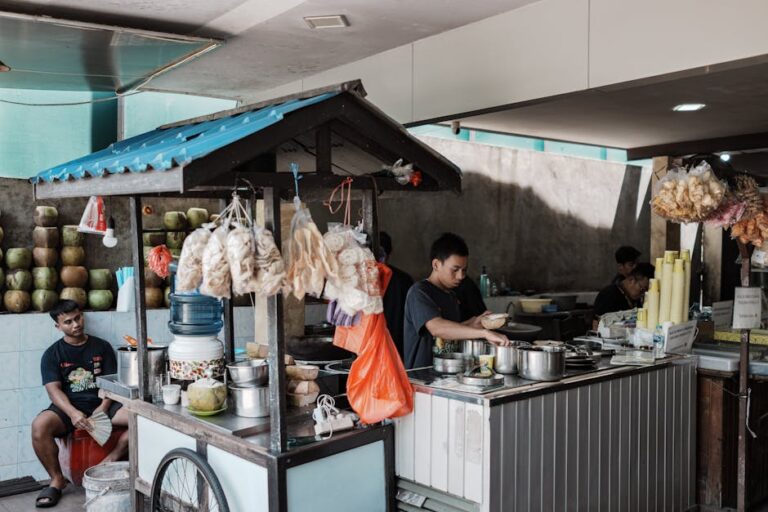
Drinking coffee on plastic stools is part of daily life. Locals gather in the morning or late afternoon to chat and sip. It’s affordable—usually under $1 per cup—and deeply social.
Be cautious with hygiene. Stick to busy spots where turnover is high. Avoid ice if you’re concerned about water quality, though most urban areas use filtered systems.
Farm Visits in the Central Highlands
For a deeper dive, travel to Dak Lak or Lam Dong provinces. Tour plantations like the ones near Buon Ma Thuot. Learn about robusta cultivation and processing methods, including the traditional “wet-hulled” technique.
Guatemala: High-Altitude Flavor
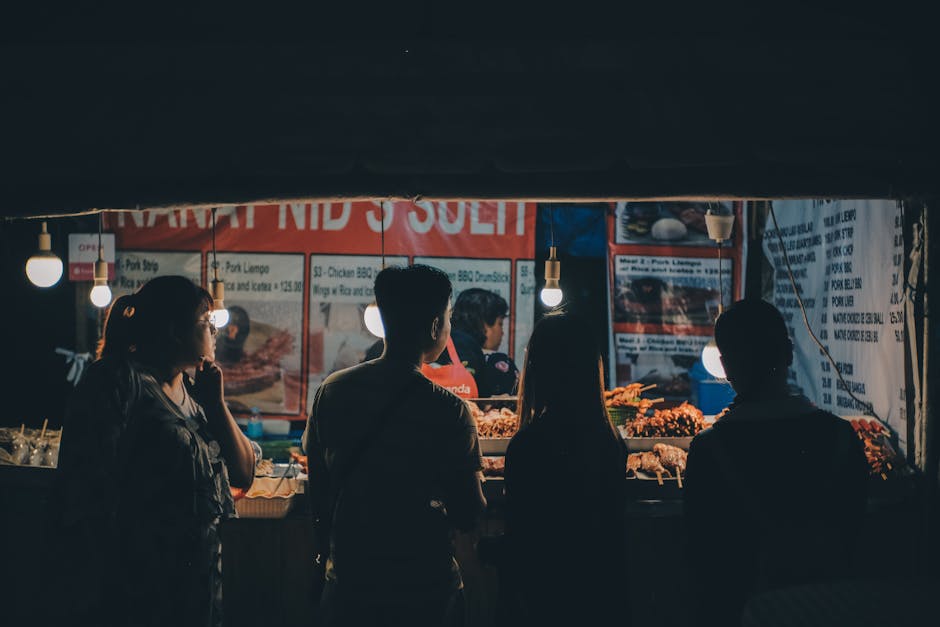
Guatemala’s volcanic soil and elevation produce bright, complex coffees. Regions like Antigua, Huehuetenango, and Atitlán are renowned for their distinct profiles.
Antigua, a colonial town surrounded by volcanoes, is a coffee hub. Visit Finca El Injerto, one of the country’s most awarded farms. Tours include tastings and discussions on shade-grown practices.
Cupping Sessions
Many farms and cooperatives offer cupping sessions. These structured tastings compare different beans side by side. You’ll learn to identify notes of chocolate, citrus, or spice.
Bring a notebook. Professionals evaluate acidity, body, and finish. It’s a skill that enhances both travel and home brewing.
Fair Trade and Community Impact
Support cooperatives like Asociación de Productores Ecológicos de Antigua (APEA). They promote organic farming and reinvest profits into schools and healthcare.
Buying directly from farmers ensures transparency. Ask about certifications like Fair Trade or Rainforest Alliance when shopping.
Australia: Third-Wave Coffee Movement
Australia helped pioneer the third-wave coffee movement, focusing on quality, sustainability, and craft. Cities like Melbourne and Sydney are global leaders in specialty coffee.
Melbourne alone has over 1,000 cafés. The city hosts the annual Melbourne International Coffee Expo, attracting roasters and baristas worldwide.
Flat White Origins
The flat white—a double shot with microfoam—originated in Australia or New Zealand, depending on who you ask. It’s now a global staple, but nowhere serves it better than Down Under.
Try it at Proud Mary in Collingwood or St. Ali in South Melbourne. Both are roasters and cafés, offering single-origin beans and brewing workshops.
Sustainability Focus
Australian cafés prioritize eco-practices. Many use compostable cups, recycle coffee grounds, and source beans ethically. Some even offer discounts for bringing your own cup.
Look for cafés with Certifications like B Corp or membership in the Specialty Coffee Association.
Brazil: The World’s Coffee Giant
Brazil produces over a third of the world’s coffee. While much is commercial, specialty production is rising. Regions like Minas Gerais and São Paulo are gaining recognition.
Visit Fazenda Santa Inês in Carmo de Minas. This family-run farm offers agritourism packages with lodging, meals, and guided tours. You’ll see everything from planting to export.
Natural and Pulped Natural Processing
Brazil favors natural processing, where beans dry inside the cherry. This creates fruitier, heavier-bodied coffees. Pulped natural, a hybrid method, offers a balance of sweetness and cleanliness.
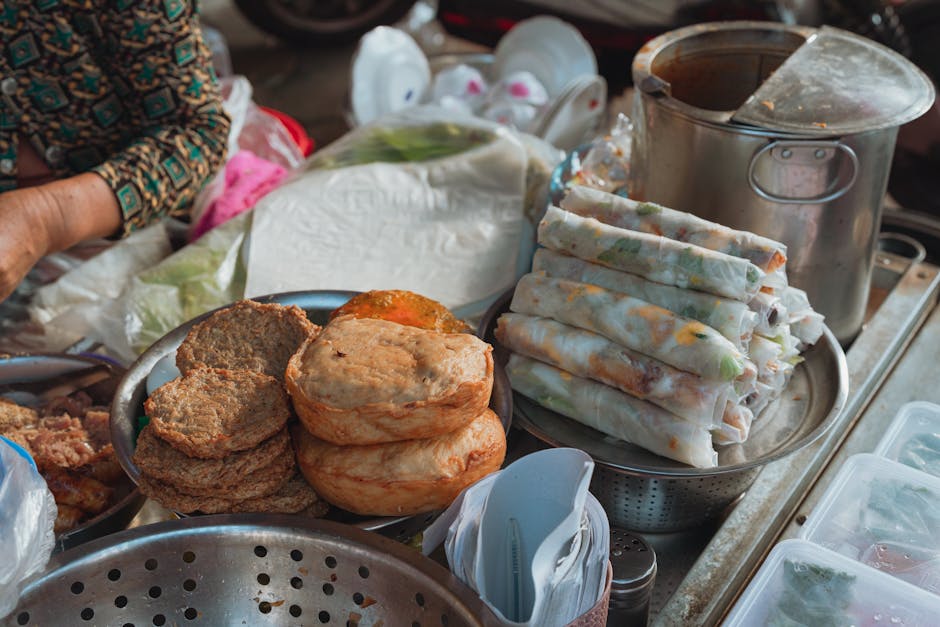
Ask your guide about processing differences. Tasting the same bean processed three ways reveals how method affects flavor.
Coffee and Cuisine
Pair coffee with local dishes. In São Paulo, try a cafezinho with pão de queijo (cheese bread). In the countryside, enjoy coffee with fresh fruit and queijo coalho (grilled cheese).
How to Plan Your Coffee Travel Itinerary
Start by identifying your interests. Do you prefer farm tours, urban café crawls, or brewing classes? Match your goals to destinations.
Research harvest seasons. Visiting during peak harvest offers the most immersive experience. Check regional festivals, like Colombia’s National Coffee Festival in July.
Book accommodations near coffee regions. Many farms offer guesthouses or partner with eco-lodges. This reduces travel time and supports local communities.
Packing Essentials
Bring a reusable travel mug. Many cafés offer discounts, and it reduces waste. Pack a small notebook for tasting notes.
If you plan to buy beans, bring an airtight container. Check customs rules—some countries restrict coffee imports.
Respecting Local Customs
Learn basic phrases in the local language. Saying “coffee, please” or “thank you” goes a long way. Dress modestly when visiting rural farms or religious sites.
Tip appropriately. In some countries, tipping isn’t expected. In others, a small amount is appreciated. Research local norms beforehand.
Common Mistakes to Avoid
Don’t assume all coffee is the same. Even within one country, flavors vary by region, altitude, and processing. Be open to trying new profiles.
Avoid overpacking your itinerary. Allow time to savor each experience. Rushing through tastings or tours reduces enjoyment.
Never skip food. Coffee can be strong, especially in countries like Vietnam or Italy. Eat before drinking to avoid stomach discomfort.
Final Thoughts
The world’s top coffee destinations offer more than great brews—they provide cultural immersion, education, and connection. From Ethiopian ceremonies to Australian flat whites, each location tells a unique story through flavor.
For food travel lovers, coffee is a lens into people, places, and traditions. Plan thoughtfully, travel respectfully, and savor every sip.
FAQ
What is the best time of year to visit coffee farms?
Harvest seasons vary by region. In Colombia and Guatemala, visit between October and February. In Ethiopia, the main harvest is from November to January. Check local calendars before booking.
Can I bring coffee beans back home?
Yes, but check your country’s import regulations. The U.S., EU, and Australia allow personal quantities with proper labeling. Declare them at customs to avoid fines.
Do I need to speak the local language to enjoy coffee tours?
No. Many farms and cafés offer English-speaking guides. Learning a few basic phrases enhances the experience but isn’t required.