Beach Travel Guide with Top Beaches Worldwide
Planning your next beach getaway? This comprehensive beach travel guide highlights the world’s most stunning shorelines, from secluded coves to vibrant party hubs. Whether you’re seeking turquoise waters, powdery white sand, or world-class surfing, these top beaches offer unforgettable experiences. We’ve curated a list based on natural beauty, accessibility, activities, and traveler reviews—so you can choose the perfect destination with confidence.
How to Choose the Right Beach for Your Trip
Not all beaches are created equal. Your ideal spot depends on what you value most: relaxation, adventure, family-friendly amenities, or nightlife. Start by defining your travel style. Are you looking to unwind under a palm tree or catch waves at sunrise?
Consider the season and weather patterns. Some beaches shine in winter, while others peak in summer. Check local tide charts and rainfall averages before booking. Also, research crowd levels—popular spots like Waikiki or Copacabana can get packed, while hidden gems offer peace and privacy.
Key Factors to Evaluate
Water clarity and temperature matter for swimming and snorkeling. Look for beaches with calm, clear waters if you plan to explore marine life. Sand type varies too—some prefer soft, fine grains; others don’t mind coarser textures.
Safety is essential. Avoid areas with strong rip currents unless you’re an experienced swimmer. Check for lifeguard presence and posted warnings. Facilities like restrooms, showers, and nearby dining also impact comfort, especially for families.
Top 10 Beaches Around the World
These beaches stand out for their unique landscapes, cultural charm, and visitor experiences. Each offers something different, so match them to your travel goals.
1. Grace Bay, Turks and Caicos
Grace Bay consistently ranks among the world’s best beaches. Its 12-mile stretch of powdery sand meets crystal-clear turquoise water, perfect for swimming and snorkeling. The coral reef just offshore teems with tropical fish and sea turtles.
Resorts line the coast, offering luxury stays with direct beach access. While it’s a premium destination, mid-range hotels and vacation rentals provide affordable options. Visit between December and April for ideal weather.
2. Anse Source d’Argent, Seychelles
This iconic beach features dramatic granite boulders, shallow turquoise lagoons, and palm-fringed shores. Located on La Digue Island, it’s a photographer’s dream and a serene escape from crowds.
Access requires a short ferry or bike ride from the main port. Facilities are limited, so bring water and snacks. Early mornings offer the best light and fewer visitors. Note: parts of the beach charge a small entrance fee.
3. Whitehaven Beach, Australia
Situated in the Whitsunday Islands, Whitehaven Beach is famous for its 7-kilometer stretch of pure silica sand. The sand is cool to the touch and doesn’t retain heat, making it comfortable even on hot days.
Boat tours depart from Airlie Beach, with options for day trips or overnight stays on nearby islands. Swimming is safe in designated areas, but strong currents exist in some sections. Bring reef-safe sunscreen to protect the fragile ecosystem.
4. Navagio Beach (Shipwreck Beach), Greece
One of the most photographed beaches in the world, Navagio Beach on Zakynthos Island features a rusting shipwreck nestled between towering limestone cliffs. Access is only by boat, adding to its mystique.
Peak season brings large crowds, so arrive early to secure a good viewing spot. Swimming is allowed, but the water can be deep and choppy near the wreck. Respect local guidelines—climbing on the wreck is prohibited.
5. Baía do Sancho, Brazil
Voted multiple times as the world’s best beach by travel magazines, Baía do Sancho is a secluded cove on Fernando de Noronha. Access involves climbing down a narrow staircase carved into the cliffside.
The beach is part of a protected marine park, so visitor numbers are limited daily. This preserves its pristine condition but requires advance booking. Snorkeling here reveals vibrant coral and diverse fish species.
6. Pink Sands Beach, Bahamas
True to its name, this beach on Harbour Island gets its rosy hue from crushed red coral mixed with white sand. The gentle slope and calm waters make it ideal for families and casual swimmers.
Small inns and guesthouses offer a laid-back vibe. Horseback riding along the shore is a popular activity. Visit in spring or fall to avoid hurricane season and peak tourist rates.
7. Tulum Beach, Mexico
Tulum combines bohemian charm with ancient history. The beach runs beneath cliffside Mayan ruins, offering a unique backdrop for sunbathing and swimming. Clear waters and soft sand stretch for miles.
Boutique hotels and eco-resorts dominate the area, many with yoga studios and farm-to-table restaurants. Be aware of strong currents in some zones—stick to marked swimming areas. Nightlife is lively but low-key compared to Cancún.
8. Anse Lazio, Seychelles
Often compared to Anse Source d’Argent, Anse Lazio on Praslin Island offers a similar landscape with fewer crowds. Palm trees frame the shoreline, and the water is ideal for snorkeling and paddleboarding.
There are no major resorts directly on the beach, but nearby villas and guesthouses provide comfortable stays. Bring your own gear, as rentals are limited. The road to the beach is narrow and winding—drive cautiously.
9. Seven Mile Beach, Jamaica
Despite its name, this beach near Negril is actually five miles long—but every inch delivers postcard-perfect views. The shallow, warm water is safe for all ages, and the sunsets are legendary.
Resorts and beach bars line the coast, offering everything from reggae music to jerk chicken. Water sports like snorkeling, glass-bottom boat tours, and cliff jumping are widely available. Avoid swimming alone at night due to limited lighting.
10. Maya Bay, Thailand
Made famous by the film The Beach, Maya Bay on Koh Phi Phi Leh was closed for years to allow ecological recovery. It reopened with strict visitor limits and no overnight stays.
Day trips from Krabi or Phuket include snorkeling and kayaking. The beach itself is smaller than expected, and access is via a short walk from the docking area. Respect all conservation rules—feeding fish or touching coral is prohibited.
Essential Tips for a Safe and Enjoyable Beach Vacation
Even the most beautiful beaches require preparation. A little planning goes a long way in ensuring a smooth, enjoyable trip.
Pack Smart
Bring reef-safe sunscreen to protect both your skin and marine life. A wide-brimmed hat, UV-protective clothing, and polarized sunglasses reduce sun exposure. Don’t forget a reusable water bottle and waterproof bag for electronics.
If you plan to snorkel or surf, consider bringing your own gear for better fit and hygiene. Towels and beach mats are often available for rent, but having your own ensures cleanliness and convenience.
Stay Hydrated and Protected
Dehydration happens quickly in hot, sunny conditions. Drink water regularly, even if you don’t feel thirsty. Avoid alcohol during peak sun hours, as it increases dehydration risk.
Seek shade during midday (10 a.m. to 4 p.m.), when UV rays are strongest. Use umbrellas or pop-up tents if natural shade isn’t available. Reapply sunscreen every two hours or after swimming.
Respect Local Rules and Wildlife
Many beaches have specific regulations—no drones, no fires, no feeding animals. Follow them to avoid fines and protect the environment. Never touch coral, sea turtles, or other wildlife.
Dispose of trash properly. Carry out what you bring in, especially plastic, which can harm marine life. Support eco-conscious businesses that prioritize sustainability.
When to Visit: Seasonal Considerations
Timing affects everything—from weather and crowds to prices and activity availability. Research your destination’s climate patterns before booking.
Tropical vs. Temperate Climates
Tropical beaches like those in the Caribbean or Southeast Asia have wet and dry seasons. Dry months (typically winter) offer sunny skies and calm seas, ideal for water activities. Wet seasons bring rain and humidity but fewer tourists and lower rates.
Temperate beaches, such as those in California or the Mediterranean, peak in summer. Shoulder seasons (spring and fall) provide pleasant weather with fewer crowds. Winter may be too cold for swimming but great for coastal walks.
Hurricane and Monsoon Awareness
Coastal regions in hurricane-prone zones (e.g., Gulf of Mexico, Southeast Asia) should be avoided during storm season. Check historical data and travel advisories.
Monsoons affect beaches in India, Thailand, and parts of Africa. While some areas remain accessible, rough seas and heavy rain can limit activities. Always monitor local forecasts before departure.
Family-Friendly vs. Adults-Only Beaches
Your travel companions shape your beach choice. Families need safety, amenities, and calm waters. Couples or solo travelers may prefer quiet, romantic, or adventurous settings.
Best for Families
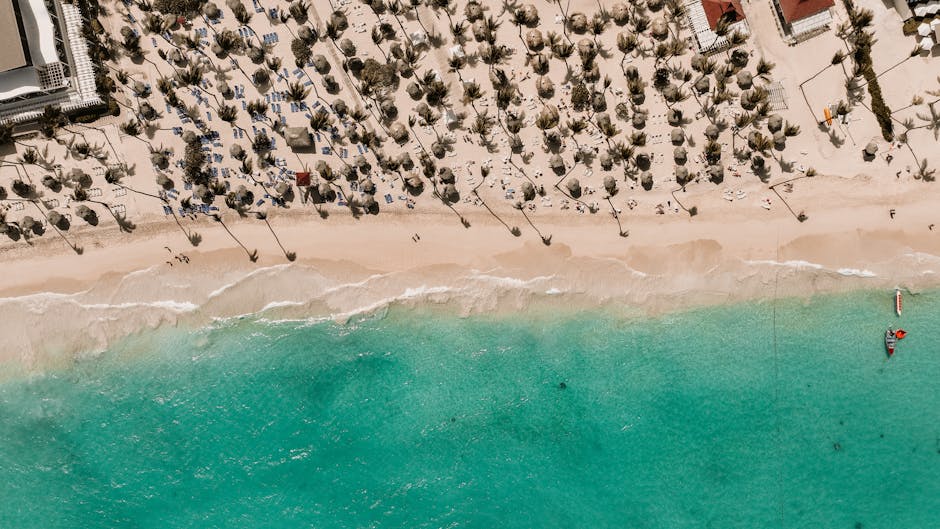
Look for beaches with lifeguards, shallow entry, and nearby facilities. Examples include Clearwater Beach (Florida), Alanya Beach (Turkey), and Cable Beach (Australia). Many offer playgrounds, restrooms, and snack bars.
Avoid rocky shores or strong currents. Test the water depth before letting children swim. Bring floaties or life vests for extra safety.
Best for Adults
Secluded coves, upscale resorts, and vibrant nightlife define adult-oriented beaches. Consider Tulum (Mexico), Mykonos (Greece), or Byron Bay (Australia). These spots often feature beach clubs, cocktail bars, and wellness retreats.
Some beaches are clothing-optional or cater to LGBTQ+ travelers. Research local customs and dress codes to ensure a comfortable experience.
Eco-Tourism and Sustainable Beach Travel
Beach tourism impacts fragile ecosystems. Travelers can reduce their footprint with mindful choices.
Choose Responsible Operators
Book tours and accommodations that follow sustainable practices. Look for certifications like Green Globe or EarthCheck. Avoid operators that exploit wildlife or damage habitats.
Support local communities by eating at family-run restaurants and buying handmade souvenirs. This keeps money in the region and promotes cultural preservation.
Minimize Plastic Use
Single-use plastics are a major ocean pollutant. Bring reusable straws, utensils, and containers. Refill water bottles instead of buying plastic ones.
Participate in beach cleanups if available. Even picking up a few pieces of trash makes a difference. Encourage others to do the same.
Final Thoughts on Planning Your Beach Escape
A well-planned beach trip balances relaxation, adventure, and responsibility. Use this beach travel guide to compare destinations, prepare adequately, and travel sustainably. The world’s best beaches reward thoughtful visitors with lasting memories.
Whether you’re lounging on a Caribbean shore or exploring a remote island cove, respect the environment and local culture. Your choices help preserve these natural wonders for future travelers.
FAQ
What is the best time of year to visit tropical beaches?
The dry season, typically between December and April, offers the best weather for tropical beaches. Avoid hurricane or monsoon seasons for safer, more enjoyable trips.
Are all top beaches safe for swimming?
Not always. Check for lifeguard presence, posted warnings, and water conditions. Some beaches have strong currents or deep drop-offs—swim only in designated areas.
How can I find less crowded beaches?
Visit during shoulder seasons, choose lesser-known islands, or explore early in the morning. Research local gems through travel blogs or regional tourism boards.