Best Local Drinks to Try While Traveling Worldwide
When you travel, one of the most authentic ways to experience a culture is through its drinks. From street-side stalls to elegant cafés, local beverages offer a taste of tradition, climate, and community. Whether it’s a fermented tea in Mongolia or a spiced coffee in Ethiopia, these drinks tell stories. This guide highlights the best local drinks to try while traveling worldwide, helping you sip your way through diverse cultures with confidence and curiosity.
Why Local Drinks Matter When Traveling
Drinks are more than refreshment—they’re cultural touchstones. In many places, sharing a beverage is a ritual that fosters connection. Ordering a local drink shows respect and openness to new experiences. It also supports small vendors and preserves traditional recipes at risk of fading.
Unlike international chains, local drinks reflect regional ingredients, climate, and history. A cold coconut water in Thailand hydrates in tropical heat, while a steaming bowl of Tibetan butter tea warms against mountain cold. These choices deepen your travel experience beyond sightseeing.
Top Local Drinks by Region
Africa: Rooting for Tradition
In Ethiopia, buna (coffee) is central to daily life. The traditional coffee ceremony involves roasting beans, grinding them by hand, and brewing in a clay pot called a jebena. It’s served in small cups with sugar or salt, often accompanied by popcorn or bread.
South Africa offers Rooibos tea, a caffeine-free herbal infusion made from red bush leaves. Grown only in the Cederberg region, it’s naturally sweet and often enjoyed with milk and honey. It’s also rich in antioxidants, making it a healthy choice.
In Morocco, mint tea is a symbol of hospitality. Green tea is steeped with fresh spearmint and plenty of sugar, then poured from a height to create a frothy top. It’s served throughout the day, especially to guests.
Asia: Bold Flavors and Ancient Recipes
Japan’s matcha is a finely ground green tea powder used in tea ceremonies and modern lattes. It has a vibrant color and slightly bitter, vegetal taste. High-quality matcha is expensive, so look for reputable tea houses in Kyoto or Tokyo.
In India, chai is more than tea—it’s a daily ritual. Black tea is simmered with milk, sugar, and spices like cardamom, ginger, and cinnamon. Street vendors, called chai wallahs, serve it in small clay cups called kulhars, which are eco-friendly and add a earthy note.
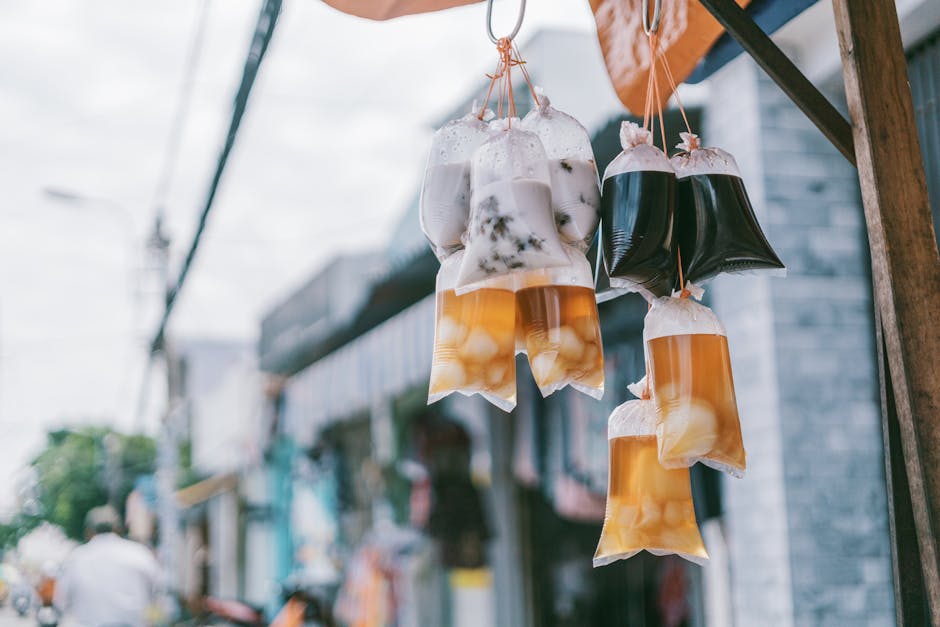
Thailand’s nam maenglak (plum juice) is a refreshing, tart drink made from preserved plums. It’s often mixed with soda water and ice, offering a balance of sweet and sour. Look for it at night markets or juice stalls.
In Mongolia, airag is fermented horse milk. It has a slightly sour, yeasty taste and low alcohol content. Traditionally consumed during summer festivals, it’s an acquired taste but a must-try for adventurous travelers.
Europe: Classics with a Twist
Italy’s aperitivo culture centers around pre-dinner drinks like Aperol Spritz or Campari. These bitters are often mixed with prosecco and soda, served with small snacks. It’s a social ritual, best enjoyed in piazzas as the sun sets.
In Spain, horchata is a sweet, creamy drink made from tiger nuts. Popular in Valencia, it’s served cold and often paired with fartons—long, sugary pastries. It’s dairy-free and naturally nutty in flavor.
Greece offers ouzo, an anise-flavored spirit that turns cloudy when mixed with water. It’s traditionally sipped slowly with meze (small dishes). Avoid drinking it too quickly—it’s strong and can cause a quick buzz.
In Russia, kvass is a fermented beverage made from rye bread. It’s slightly tangy, low in alcohol, and often sold from street carts in summer. It’s a probiotic drink that’s gaining popularity for its digestive benefits.
Latin America: Vibrant and Refreshing
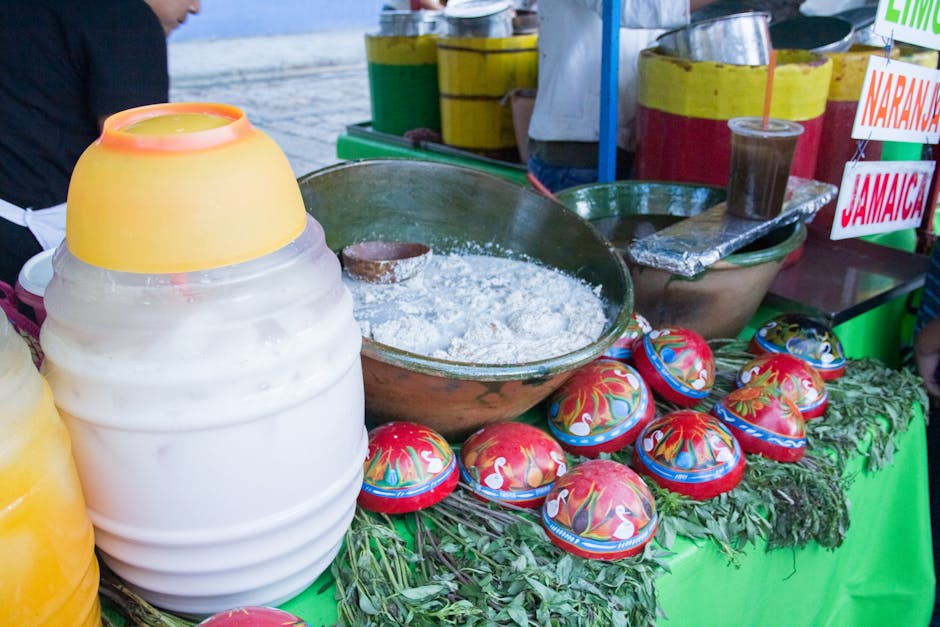
Mexico’s agua fresca is a category of non-alcoholic drinks made from fruits, grains, or seeds blended with water and sugar. Popular versions include horchata (rice-based), jamaica (hibiscus), and tamarindo. They’re sold at street stands and perfect for hot days.
In Peru, chicha morada is a purple corn drink flavored with pineapple, cinnamon, and cloves. The corn is boiled to extract its deep color and natural sweetness. It’s caffeine-free and often served cold.
Argentina and Uruguay share a love for mate, a caffeinated tea made from yerba mate leaves. It’s brewed in a hollow gourd and sipped through a metal straw called a bombilla. Sharing mate is a social act, symbolizing friendship.
In Brazil, caipirinha is the national cocktail, made with cachaça (sugarcane spirit), lime, sugar, and ice. It’s tart, strong, and best enjoyed on a beach or at a beachside bar. Be cautious—cachaça can be potent.
North America: Regional Favorites
In the southern United States, sweet tea is a staple. Black tea is brewed strong, then sweetened while hot and served over ice. It’s often paired with barbecue or fried chicken. Don’t expect it unsweetened unless you ask.
Canada’s maple taffy (or “sugar on snow”) is a springtime treat. Hot maple syrup is poured onto fresh snow, where it hardens into a chewy candy. It’s often served with a fork and a cup of hot tea.
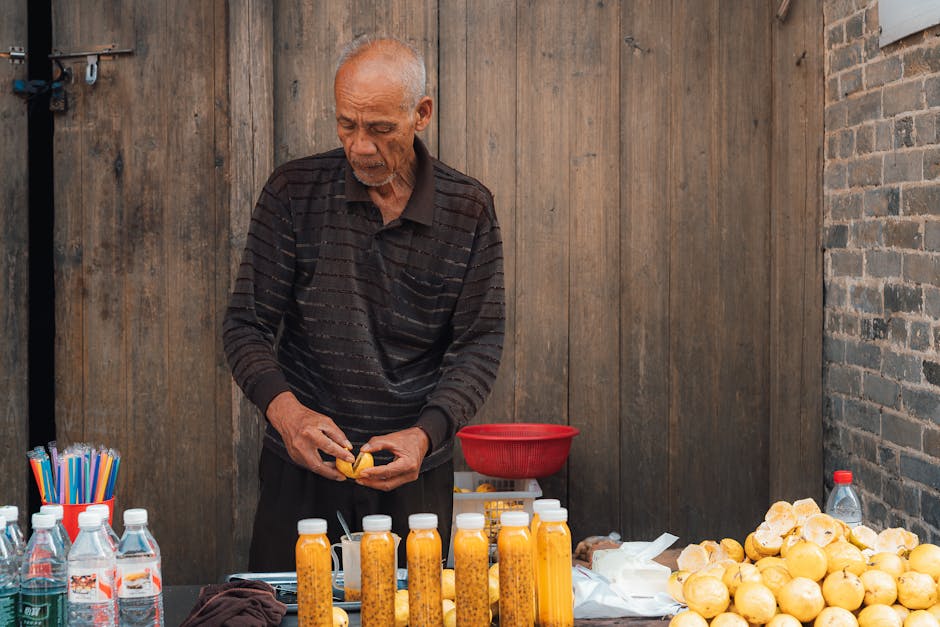
In Mexico, mezcal is gaining global attention. Made from roasted agave hearts, it has a smoky flavor and is often served with a side of orange slices and sal de gusano (worm salt). It’s more complex than tequila and worth trying in Oaxaca.
Oceania: Unique and Refreshing
Australia’s flat white is a coffee drink similar to a latte but with a stronger espresso flavor and microfoam. It originated in the 1980s and is now popular worldwide. Look for it at independent cafés in Melbourne or Sydney.
New Zealand’s hokey pokey ice cream isn’t a drink, but it’s often served with a hot drink like tea or coffee. The ice cream contains small honeycomb toffee pieces, giving it a crunchy texture. Pair it with a flat white for a true Kiwi experience.
In Fiji, kava is a ceremonial drink made from the root of the kava plant. It’s pounded, mixed with water, and strained into a bowl. It has a numbing effect and earthy taste. Participating in a kava ceremony is a cultural highlight for many visitors.
How to Choose and Enjoy Local Drinks Safely
When trying a new drink, start with small portions. Some local beverages, like fermented drinks or strong spirits, can be intense for first-timers. Ask locals for recommendations—they often know the best spots.
Be mindful of hygiene. In areas with questionable water quality, avoid drinks with ice unless you’re sure it’s made from purified water. Stick to bottled or boiled beverages when in doubt.
Respect cultural norms. In some countries, drinking alcohol in public is frowned upon or illegal. Always observe local customs and drink responsibly.
Tips for Ordering Like a Local
Learn a few key phrases. Saying “one of your local drinks, please” in the local language shows effort and respect. In Japan, “osusume wa nan desu ka?” means “What do you recommend?”
Visit local markets. These are often the best places to find authentic, freshly made drinks. You’ll see how they’re prepared and can ask questions.
Try seasonal specialties. Many drinks are only available during certain times of year. In Mexico, for example, ponche (a warm fruit punch) is popular during Christmas.
What to Avoid When Trying Local Drinks
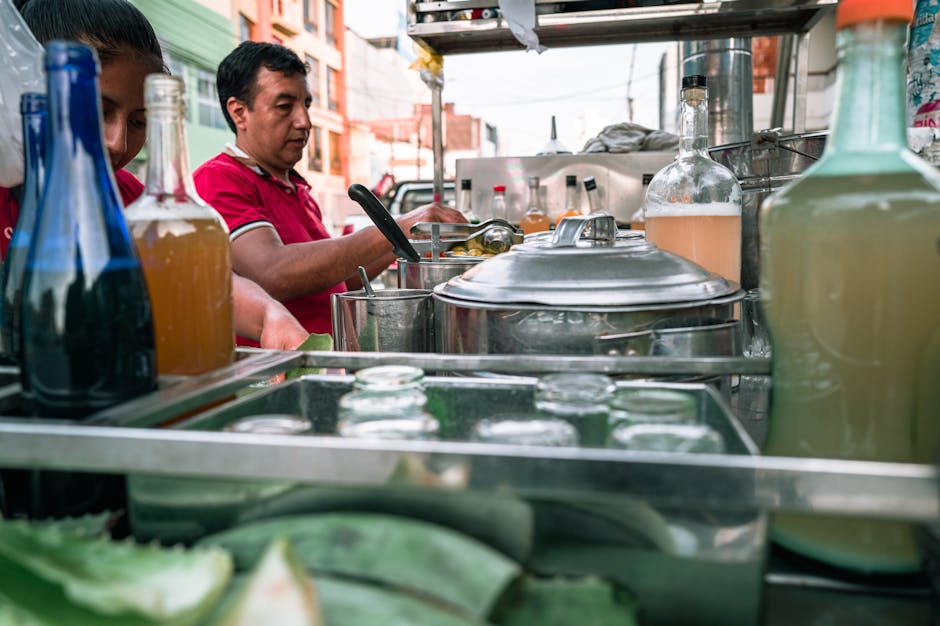
Avoid overly touristy spots that serve watered-down or inauthentic versions. If a drink is advertised in multiple languages on a bright sign, it might not be the real deal.
Don’t assume all local drinks are safe. Some, like unpasteurized milk or homemade alcohol, can carry health risks. When in doubt, choose commercially prepared options.
Skip drinks with unclear ingredients. If you have allergies or dietary restrictions, ask what’s in the drink. In some places, drinks may contain nuts, dairy, or alcohol without clear labeling.
Making the Most of Your Drink Experiences
Keep a travel journal to note your favorites. Include the name, location, taste, and where you tried it. This helps you remember and share recommendations later.
Take photos of the drink and the setting. A snapshot of a steaming cup of Ethiopian coffee in a traditional hut can be a lasting memory.
Engage with the people who make the drinks. Many vendors are proud of their recipes and happy to share stories. A simple “thank you” in the local language goes a long way.
Final Thoughts
Exploring the best local drinks to try while traveling worldwide enriches your journey in ways that photos alone cannot. Each sip connects you to the land, its people, and its history. From the smoky depths of mezcal to the frothy top of Moroccan mint tea, these beverages are more than refreshment—they’re invitations to participate in local life.
Approach each drink with curiosity and respect. Ask questions, try new things, and savor the moment. You’ll return home not just with souvenirs, but with stories worth sharing.
FAQ
Q: Are local drinks safe to drink while traveling?
A: Most are safe, but always consider water quality and hygiene. Avoid ice in areas with poor sanitation and choose freshly prepared drinks from reputable vendors.
Q: How can I find authentic local drinks?
A: Visit local markets, ask residents for recommendations, and avoid overly touristy areas. Look for places with long lines of locals—this is often a good sign.
Q: What if I don’t like the taste of a local drink?
A: That’s okay! Try a small amount first. You can always order something else. The experience of trying is what matters most.