Nature Travel Guide with Top Nature Spots Worldwide
Looking for the best places to experience untouched wilderness, dramatic landscapes, and breathtaking biodiversity? This nature travel guide highlights the world’s most spectacular natural destinations—from misty rainforests to vast deserts and alpine peaks. Whether you’re planning a solo trek, a family adventure, or a photography expedition, these top nature spots offer unforgettable experiences in some of Earth’s most pristine environments.
Why Choose Nature Travel?
Nature travel offers more than scenic views—it provides mental restoration, physical activity, and a deeper connection to the planet. Studies show that spending time in natural settings reduces stress, improves mood, and boosts creativity. Unlike crowded tourist hubs, nature-focused trips emphasize solitude, observation, and respect for the environment.
These journeys often support local conservation efforts and sustainable tourism. By visiting protected areas, you contribute to their preservation while experiencing raw, unfiltered beauty. From guided wildlife safaris to silent forest walks, nature travel invites mindfulness and adventure in equal measure.
How to Plan Your Nature Adventure
Start by identifying your travel style: Are you seeking solitude, wildlife encounters, or challenging hikes? Research seasonal conditions—some parks close in winter, while others bloom in spring. Always check visa requirements, local regulations, and permit needs well in advance.
Pack responsibly: bring reusable water bottles, biodegradable toiletries, and weather-appropriate gear. Stick to marked trails to protect fragile ecosystems. Consider hiring local guides—they offer insider knowledge and support community-based tourism.
Essential Packing Tips
Layer your clothing for changing mountain or desert climates. A quality rain jacket, sturdy boots, and a wide-brimmed hat are must-haves. Don’t forget a first-aid kit, headlamp, and power bank. For wildlife viewing, binoculars and a telephoto lens enhance the experience without disturbing animals.
Avoid single-use plastics. Many remote areas lack waste management, so pack out everything you bring in. Download offline maps and carry a physical compass as backup—cell service is unreliable in deep wilderness.
Safety and Environmental Responsibility
Always inform someone of your itinerary before heading into remote areas. Check weather forecasts and avalanche risks if traveling in mountainous regions. Carry emergency communication devices like a satellite messenger if venturing off-grid.
Follow Leave No Trace principles: stay on trails, camp in designated areas, and never feed wildlife. Respect cultural sites and local customs, especially in indigenous territories. Your presence should leave minimal impact.
Top Nature Spots in North America
North America boasts some of the planet’s most diverse and accessible natural landscapes. From volcanic craters to ancient forests, these destinations offer year-round adventure.
Yellowstone National Park, USA
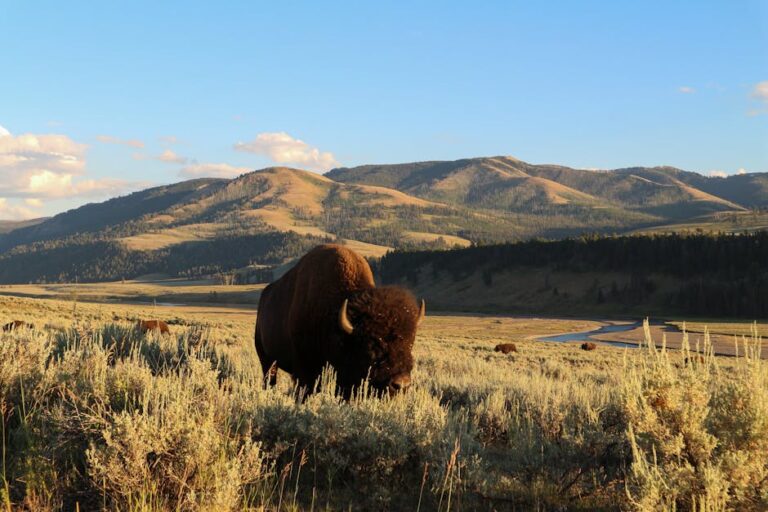
Yellowstone is the world’s first national park and a geothermal wonderland. Home to half of Earth’s active geysers—including Old Faithful—it also shelters bison, wolves, and grizzly bears. The park spans three states and features dramatic canyons, alpine lakes, and vast meadows.
Visit in late spring or early fall to avoid summer crowds. Stay on boardwalks near thermal features—the ground can be dangerously thin. Wildlife sightings are common, but maintain a safe distance (at least 25 yards from bison, 100 yards from bears).
Banff National Park, Canada
Nestled in the Canadian Rockies, Banff offers turquoise lakes, glacier-fed rivers, and snow-capped peaks. Lake Louise and Moraine Lake are iconic photo spots, best visited at sunrise to avoid crowds.
Hike the Plain of Six Glaciers Trail for panoramic views, or take a gondola ride up Sulphur Mountain. In winter, the park transforms into a skiing and snowshoeing paradise. Book accommodations early—lodges fill quickly, especially near Lake Louise.
Great Smoky Mountains, USA
As the most visited national park in the U.S., the Smokies blend lush forests, misty ridges, and rich Appalachian culture. Over 800 miles of trails include the famous Appalachian Trail section.
Spring brings wildflower blooms, while autumn offers fiery foliage. Cades Cove is ideal for wildlife spotting—deer, black bears, and turkeys roam freely. Arrive early to secure parking and enjoy quieter trails.
Iconic Nature Destinations in South America
South America’s wild landscapes range from Amazonian jungles to Patagonian steppes. These remote regions reward travelers with raw beauty and rare wildlife.
Torres del Paine, Chile
This Patagonian national park features granite towers, glacial lakes, and windswept grasslands. The W Trek is a classic 5–7 day hike connecting key viewpoints like Base Torres and Grey Glacier.
Weather is unpredictable—prepare for rain, wind, and sudden temperature drops. Refugios (mountain huts) provide basic shelter, but book months ahead. The park is a UNESCO Biosphere Reserve, so strict waste rules apply.
Amazon Rainforest, Brazil & Peru
The Amazon spans nine countries and hosts 10% of Earth’s known species. Float down the Rio Negro in Brazil or explore the Tambopata Reserve in Peru by canoe and canopy walkway.
Guided tours increase chances of spotting pink river dolphins, macaws, and sloths. Choose eco-lodges with certified sustainability practices. Malaria prophylaxis and yellow fever vaccination are recommended.
Galápagos Islands, Ecuador
A living laboratory of evolution, the Galápagos is home to giant tortoises, marine iguanas, and blue-footed boobies. Strict visitor controls protect the fragile ecosystem—only guided tours are allowed on land.
Cruises range from budget to luxury, but all follow regulated itineraries. Snorkeling with sea lions and penguins is a highlight. Visit between June and November for cooler waters and active wildlife.
Wilderness Gems in Africa
Africa’s natural wonders combine vast savannas, ancient deserts, and rare megafauna. These destinations offer unparalleled wildlife encounters.
Serengeti National Park, Tanzania
Famous for the Great Migration, the Serengeti sees over a million wildebeest and zebra cross its plains annually. The best viewing is December–March in the south and July–October in the north.
Game drives at dawn and dusk yield the most sightings. Stay in mobile camps that follow the herds. Avoid the rainy season (April–May) when roads become impassable.
Namib Desert, Namibia
One of Earth’s oldest deserts, the Namib features red sand dunes, salt pans, and shipwrecks along the Skeleton Coast. Sossusvlei’s Dune 45 glows orange at sunrise.
Visit between May and October for cooler temperatures. Bring plenty of water and sun protection. The desert is home to desert-adapted elephants and rare lichens that survive on fog.
Bwindi Impenetrable Forest, Uganda
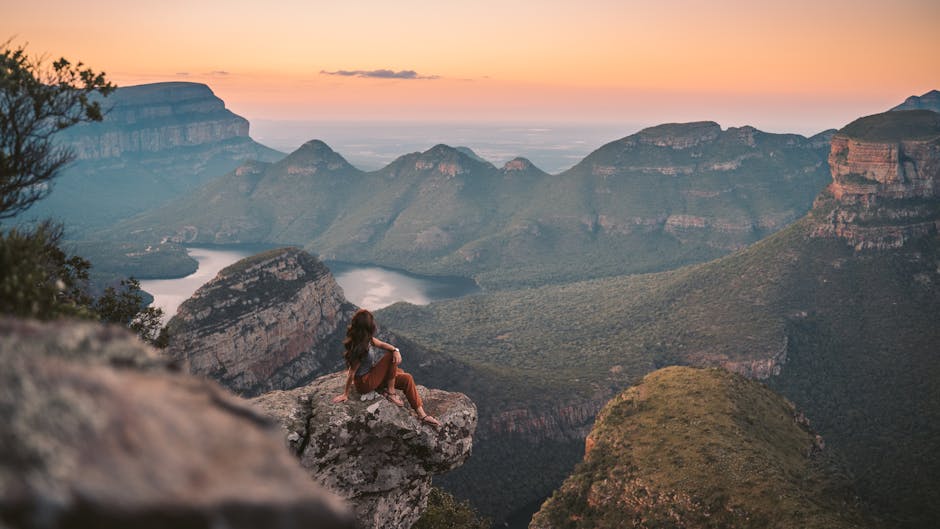
This UNESCO site shelters nearly half of the world’s mountain gorillas. Permits are required and limited to eight visitors per group per day to minimize stress on the animals.
Trekking is strenuous—expect muddy trails and steep climbs. Vaccinations and travel insurance are mandatory. Revenue from permits funds conservation and local communities.
Asia’s Most Stunning Natural Landscapes
From Himalayan peaks to tropical islands, Asia offers dramatic contrasts and deep cultural connections to nature.
Zhangjiajie National Forest, China
Inspired the floating mountains in *Avatar*, this park features quartzite pillars rising from misty valleys. The Bailong Elevator—the world’s tallest outdoor lift—offers quick access to viewpoints.
Hike the Golden Whip Stream trail for fewer crowds. Visit in spring or autumn for clear skies. The nearby Tianmen Mountain “Heaven’s Gate” is a natural arch accessible by cable car.
Sundarbans Mangrove Forest, India & Bangladesh
The world’s largest mangrove forest is a UNESCO site and critical tiger habitat. Boat safaris navigate narrow channels where Bengal tigers, crocodiles, and spotted deer thrive.
Guides are essential—tigers are elusive and the terrain is hazardous. Avoid monsoon season (June–September) due to flooding. Respect buffer zones to protect wildlife corridors.
Jeju Island, South Korea
This volcanic island features lava tubes, waterfalls, and Hallasan Mountain—the country’s highest peak. The Olle Trail system offers coastal hikes with ocean views.
Visit Seongsan Ilchulbong (Sunrise Peak) for a sunrise hike. The island is car-free in many areas, promoting eco-tourism. Try local hallabong oranges and black pork.
Europe’s Hidden Natural Treasures
Europe’s compact size hides vast wilderness, from Arctic tundra to Mediterranean cliffs.
Plitvice Lakes, Croatia
A cascade of 16 terraced lakes connected by waterfalls, Plitvice is a UNESCO site with boardwalks winding through emerald waters. Best visited in spring for full flow or autumn for golden foliage.
Arrive at opening time to avoid tour groups. Photography is restricted on certain paths to protect vegetation. Nearby Rastoke village offers traditional watermills and guesthouses.
Lofoten Islands, Norway
These Arctic islands feature jagged peaks, fishing villages, and the Northern Lights in winter. Hike Reinebringen for iconic views or kayak among silent fjords.
Summer offers midnight sun; winter brings snow and auroras. Rent a campervan for flexibility. Respect private property—many homes are still working farms.
Triglav National Park, Slovenia
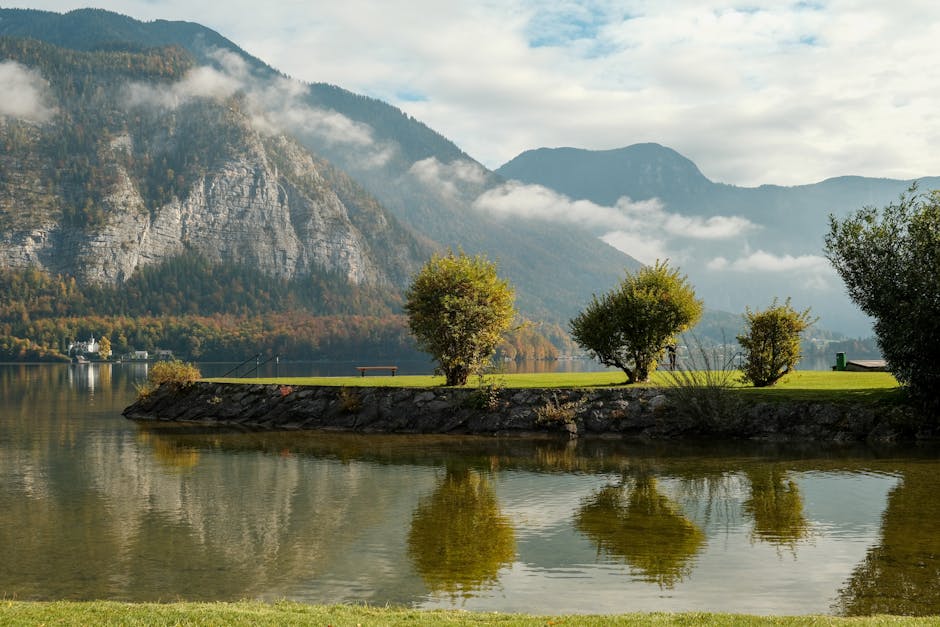
Named after Slovenia’s highest peak, this park includes alpine lakes, glacial valleys, and the Soča River—known for its vivid turquoise color.
The Vršič Pass road offers stunning views and access to hikes. Visit in July–August for stable weather. The park promotes “slow tourism” with limited vehicle access.
Oceania’s Pristine Wilderness
Australia and New Zealand offer some of the most remote and diverse ecosystems on Earth.
Great Barrier Reef, Australia
The world’s largest coral reef system spans 2,300 kilometers and hosts thousands of marine species. Snorkel or dive at sites like Agincourt Reef or the Ribbon Reefs.
Choose operators with eco-certification to support reef conservation. Avoid touching coral—even slight contact can damage it. Best visibility is June–October.
Fiordland National Park, New Zealand
Home to Milford Sound and Doubtful Sound, this park features steep cliffs, waterfalls, and rare penguins. Boat cruises reveal hidden coves and seal colonies.
The Milford Track is one of the world’s great walks—book huts well in advance. Weather changes rapidly; pack waterproof gear. The area receives over 6,000 mm of rain annually.
Tasmanian Wilderness, Australia
A UNESCO World Heritage site, this region includes Cradle Mountain, ancient rainforests, and the Overland Track—a 65-kilometer trek through alpine terrain.
Wildlife includes Tasmanian devils and wombats. Permits are required for the Overland Track (October–May). Fires are banned; carry a gas stove. Respect Aboriginal heritage sites.
Final Tips for Responsible Nature Travel
Choose destinations that align with your fitness level and travel experience. Overestimating ability can lead to dangerous situations in remote areas. Research local guides and read recent traveler reviews.
Support conservation by visiting national parks and paying entrance fees. These funds maintain trails, protect wildlife, and employ rangers. Avoid unregulated tours that exploit animals or damage habitats.
Share your experiences responsibly. Geotagging sensitive locations on social media can lead to overcrowding and environmental harm. Inspire others to travel mindfully.
FAQ
What should I pack for a nature trip?
Essentials include layered clothing, sturdy footwear, a reusable water bottle, first-aid kit, and navigation tools. Add species-specific gear like binoculars for birdwatching or a wetsuit for cold-water snorkeling.
How do I minimize my environmental impact while traveling?
Follow Leave No Trace principles: pack out all trash, stay on marked trails, and avoid single-use plastics. Choose eco-certified accommodations and tours that support local communities.
Are permits required for visiting these nature spots?
Many protected areas require permits, especially for camping, hiking, or wildlife viewing. Check official park websites or contact local tourism boards at least 2–3 months before your trip.