Best Nature Travel Destinations for Family Vacations
Planning a family vacation that combines fun, education, and natural beauty? The best nature travel destinations for family vacations offer safe, engaging environments where kids can explore, learn, and connect with the outdoors. From national parks with easy trails to coastal retreats with wildlife encounters, these spots balance adventure and comfort. Whether you’re looking for mountain hikes, beachcombing, or forest exploration, the right destination makes all the difference. This guide highlights top picks across the U.S. and beyond, with practical tips to help your family make the most of your trip.
Why Nature Travel Is Ideal for Families
Nature-based trips provide more than just scenic views—they foster curiosity, physical activity, and quality time. Unlike crowded theme parks, outdoor destinations often allow families to move at their own pace. Children gain exposure to ecosystems, geology, and wildlife in ways that classroom lessons can’t match.
These experiences also promote digital detox. With fewer screens and more fresh air, families report better sleep, improved mood, and stronger connections. Nature travel can be budget-friendly too, especially when camping or using public park facilities.
Health and Development Benefits
Spending time outdoors supports children’s cognitive and emotional development. Studies show that kids who regularly play in natural settings demonstrate better focus, creativity, and problem-solving skills. Physical activity in open spaces also helps combat childhood obesity.
For parents, nature travel reduces stress and encourages mindfulness. The combination of physical movement, natural light, and reduced noise pollution creates a restorative environment for all ages.
Educational Opportunities
Many nature destinations offer ranger-led programs, visitor centers, and interactive exhibits. These resources turn hikes and sightseeing into learning adventures. Kids can earn Junior Ranger badges, identify bird species, or learn about local conservation efforts.
Even simple activities—like identifying animal tracks or collecting leaves—can spark lifelong interests in science and environmental stewardship.
Top U.S. National Parks for Families
National parks remain some of the most reliable and accessible nature travel destinations for family vacations. They offer well-maintained trails, educational programs, and diverse landscapes. Below are standout options that cater to families with children of all ages.
Yellowstone National Park, Wyoming
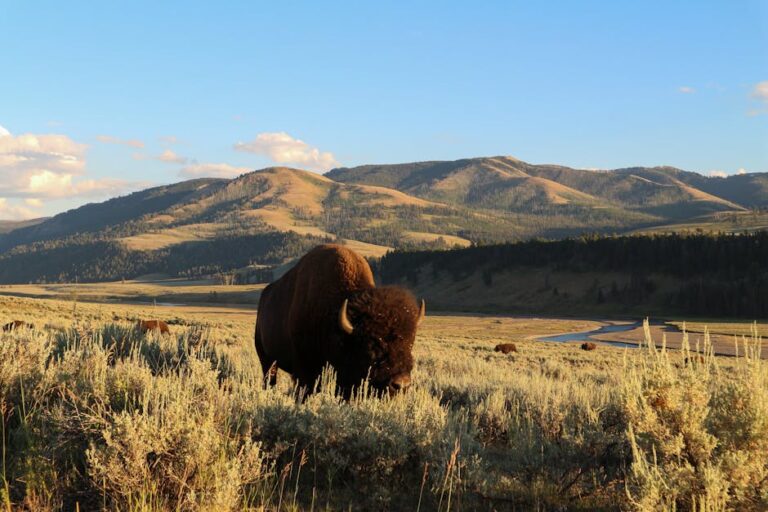
Yellowstone is a classic choice for families seeking geysers, hot springs, and abundant wildlife. Old Faithful is a reliable crowd-pleaser, erupting every 90 minutes on average. Kids love watching bison, elk, and maybe even a bear from a safe distance.
The park offers easy boardwalk trails around geothermal features and family-friendly campgrounds. Be sure to attend a ranger talk—these free programs are engaging and informative for all ages.
Grand Canyon National Park, Arizona
The Grand Canyon’s South Rim is ideal for families. It’s open year-round, accessible, and packed with viewpoints that require minimal hiking. The Rim Trail is flat and stroller-friendly, making it perfect for younger children.
Visitor centers provide exhibits on geology and Native American history. For a memorable experience, take a sunrise walk along the rim or join a short geology talk. Avoid the North Rim if traveling with small kids—it’s harder to reach and has limited services.
Great Smoky Mountains National Park, Tennessee/North Carolina
As the most visited national park in the U.S., the Smokies offer lush forests, waterfalls, and diverse wildlife. The park has over 800 miles of trails, including many short, easy hikes suitable for children.
Cataract Falls and Laurel Falls are popular choices with paved paths. Cades Cove is a must-see—a scenic loop road where families can spot deer, turkeys, and historic cabins. Camping is abundant, and nearby towns like Gatlinburg offer family-friendly dining and lodging.
Coastal and Island Getaways
For families who love the ocean, coastal destinations provide a different kind of natural adventure. Beaches, tide pools, and marine life create endless opportunities for exploration and play.
Acadia National Park, Maine
Acadia combines rocky shores, forested trails, and ocean views. It’s one of the few national parks on the East Coast and is easily accessible from major cities like Boston.

Jordan Pond Path is a flat, 3.3-mile loop perfect for families. Kids can skip stones, look for frogs, and enjoy popovers at the historic Jordan Pond House. For a challenge, try the Precipice Trail—but only with older, experienced hikers due to steep sections.
Sanibel Island, Florida
Sanibel is famous for its shell-covered beaches and calm Gulf waters. It’s a relaxed destination ideal for younger children who enjoy beachcombing and shallow swimming.
The J.N. “Ding” Darling National Wildlife Refuge offers boardwalks and observation towers where families can spot herons, egrets, and maybe even a manatee. Bring a shell identification guide—kids will love searching for unique finds like lightning whelks and sand dollars.
Channel Islands National Park, California
Accessible only by boat or small plane, the Channel Islands offer a true escape. Santa Cruz Island is the most visited, with sea caves, kelp forests, and endemic species like the island fox.
Ferry trips from Ventura take about an hour. Once on the island, families can hike, snorkel, or simply enjoy the quiet. Pack layers—the weather can change quickly. This destination is best for families with older kids due to the travel time and limited facilities.
Mountain and Forest Retreats
Mountain destinations offer crisp air, scenic vistas, and cooler temperatures—perfect for summer escapes. These locations often feature cabins, campgrounds, and trails for all skill levels.
Rocky Mountain National Park, Colorado
With elevations over 8,000 feet, this park delivers alpine lakes, meadows, and abundant wildlife. Bear Lake is a central hub with short, accessible trails radiating outward.
The Emerald Lake Trail is a 3.2-mile round trip that’s manageable for most families. Elk are commonly seen in the fall, especially during the rut. Be prepared for altitude—drink plenty of water and take it slow the first day.
Shenandoah National Park, Virginia
Located just 75 miles from Washington, D.C., Shenandoah is a convenient escape. Skyline Drive runs the length of the park, with over 70 overlooks offering panoramic views.
The Limberlost Trail is a 1.3-mile loop that’s fully accessible and great for young hikers. Dark Hollow Falls is another family favorite—a short but steep walk to a 70-foot waterfall. Fall foliage here is spectacular, but expect crowds in October.
Olympic National Park, Washington
Olympic is unique for its diversity: rainforest, coastline, and mountains all in one park. The Hoh Rain Forest feels like another world, with moss-covered trees and quiet trails.
The Hall of Mosses Trail is an easy 0.8-mile loop that’s perfect for kids. On the coast, Rialto Beach offers driftwood forts and tide pools. Just remember—rain is common, so pack waterproof gear.
International Nature Destinations for Families
For families ready to travel abroad, several international destinations offer safe, family-friendly nature experiences. These spots combine natural beauty with infrastructure that supports travelers with children.
Banff National Park, Alberta, Canada
Banff is one of Canada’s most visited parks, known for turquoise lakes and snow-capped peaks. Lake Louise and Moraine Lake are iconic, though parking can be challenging in summer.
The Johnston Canyon Trail features catwalks and waterfalls, making it exciting for kids. Canmore, just outside the park, offers family-friendly hotels and restaurants. Winter visits allow for snowshoeing and ice skating—great for active families.
Costa Rica
Costa Rica is a leader in eco-tourism and offers safe, biodiverse environments. Manuel Antonio National Park combines rainforest and beach, with monkeys, sloths, and iguanas commonly seen.
Many lodges offer kid-friendly packages with guided nature walks and wildlife spotting. The Arenal Volcano area has hot springs and easy trails. Be sure to use insect repellent—mosquitoes are present, especially in rainy season.
New Zealand’s South Island
New Zealand offers dramatic landscapes and well-maintained trails. Queenstown is a hub for families, with nearby hikes like the Ben Lomond Track (best for older kids) and easier walks in Glenorchy.
Fiordland National Park, home to Milford Sound, is accessible by scenic drive or boat tour. Wildlife includes dolphins, seals, and penguins. Accommodations range from lodges to campgrounds, and driving is on the left—plan accordingly.
Practical Tips for Planning Your Nature Family Trip
Even the best nature travel destinations for family vacations require thoughtful planning. A little preparation ensures safety, comfort, and maximum enjoyment for everyone.
Choose Age-Appropriate Activities
Match hikes and excursions to your children’s abilities. A 5-year-old may enjoy a 1-mile loop, while teens might tackle a 5-mile trail. Check trail difficulty ratings and elevation gain before heading out.
Bring snacks, water, and extra layers. Kids tire quickly, especially at high altitudes or in hot weather. Consider using a child carrier for toddlers on longer walks.
Pack Smart
Essentials include sunscreen, insect repellent, first-aid kits, and weather-appropriate clothing. A small field guide or nature app can enhance the experience by helping identify plants and animals.
Don’t forget binoculars and a camera. These tools encourage observation and create lasting memories. For beach trips, bring buckets, nets, and reef-safe sunscreen.
Respect Wildlife and Rules
Teach children to observe animals from a distance. Never feed wildlife—it’s dangerous and often illegal. Stay on marked trails to protect fragile ecosystems and avoid getting lost.
Follow park regulations, including fire bans and waste disposal rules. Many parks require bear-proof containers in certain areas. When in doubt, ask a ranger.
Book Accommodations Early
Popular parks fill up quickly, especially during summer and holidays. Reserve campsites or lodges months in advance. Consider alternatives like nearby cabins or vacation rentals if park lodging is full.
Check cancellation policies and travel insurance options. Weather and trail conditions can change, so flexibility helps.
Safety Considerations
Safety is paramount when traveling with children in natural settings. While most family-friendly destinations are low-risk, awareness and preparation prevent problems.
Weather Awareness
Mountain and coastal weather can shift rapidly. Check forecasts daily and be ready to adjust plans. Hypothermia and heat exhaustion are real risks—dress in layers and stay hydrated.
Avoid hiking during thunderstorms, especially in exposed areas. If caught in rain, seek shelter under dense trees, not isolated ones.

Wildlife Encounters
In bear country, make noise while hiking and carry bear spray if recommended. Store food properly and never approach animals, even if they seem calm.
Snakes, ticks, and insects vary by region. Use repellent, wear long pants in tall grass, and check for ticks after hikes. Teach kids to stay on clear paths.
Emergency Preparedness
Carry a map and compass—even if you use GPS. Cell service is unreliable in many parks. Let someone know your itinerary and expected return time.
Basic first aid knowledge is essential. Treat blisters, cuts, and insect bites promptly. For serious injuries, stay calm and signal for help using a whistle or bright clothing.
Making the Most of Your Trip
Beyond sightseeing, nature travel offers chances to bond and create traditions. Simple rituals can turn a trip into a cherished memory.
Create a Nature Journal
Encourage kids to draw plants, write about animals, or collect leaves (where allowed). Journals become keepsakes and reinforce learning.
Take photos and compile them into a digital album or scrapbook after the trip. Let each child choose their favorite moment to share.
Try a New Activity
Introduce kids to kayaking, stargazing, or geocaching. Many parks offer equipment rentals or guided programs. These experiences build confidence and new skills.
Stargazing is especially magical in remote areas with low light pollution. Use a stargazing app to identify constellations and planets.
Leave No Trace
Teach children the principles of Leave No Trace: pack out all trash, stay on trails, and respect wildlife. Make it a game—see who can spot the most litter to pick up.
These habits instill environmental responsibility and ensure future families can enjoy the same destinations.
Final Thoughts
The best nature travel destinations for family vacations offer more than scenery—they create opportunities for connection, learning, and adventure. From national parks to coastal retreats, the right location matches your family’s interests and abilities.
With thoughtful planning and a spirit of exploration, your trip can be both fun and meaningful. Start small if needed—even a day hike or beach visit counts as nature travel. The goal is to step outside, look around, and enjoy time together.
FAQ
What is the best age to start taking kids on nature trips?
There’s no minimum age—many families camp with infants or toddlers. Start with short, easy outings and adjust based on your child’s comfort and stamina. Even young kids benefit from outdoor time.
How do I keep kids engaged during hikes?
Bring a scavenger hunt list, binoculars, or a nature app. Let kids lead part of the way or choose the next trail. Frequent breaks and snacks help maintain energy and interest.
Are national parks safe for families with young children?
Yes, most national parks are designed with families in mind. Stick to marked trails, supervise children near water or cliffs, and follow park guidelines. Ranger stations can provide safety tips and updates.