
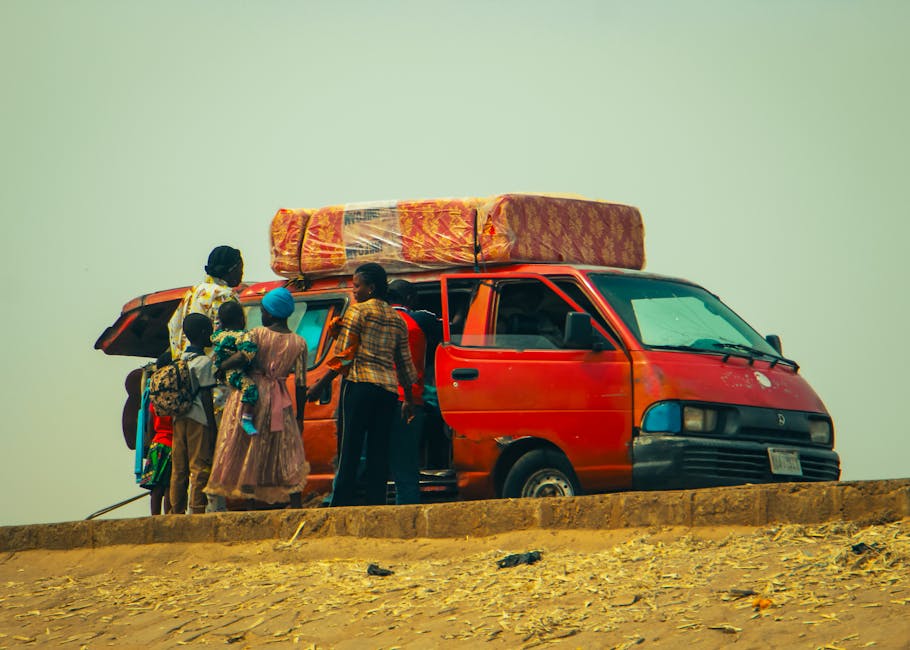
Ultimate Family Travel Guide to Scenic Road Adventures
Planning a family road trip doesn’t have to mean choosing between comfort and adventure. The right scenic route can deliver both—breathtaking views, meaningful stops, and lasting memories. This guide helps families design safe, enjoyable, and visually rewarding journeys that work for all ages and interests. From route selection to packing essentials, we cover every step to turn a simple drive into an unforgettable experience.
Why Choose a Scenic Road Adventure for Your Family?
Scenic road trips offer more than just pretty landscapes. They encourage unplugged time, shared discovery, and a slower pace that lets kids and adults connect. Unlike crowded theme parks or rushed city tours, a well-planned route allows flexibility and spontaneity.
Families often report higher satisfaction on trips where nature plays a central role. Whether it’s winding mountain passes, coastal highways, or desert vistas, the journey itself becomes part of the destination.
These adventures also build practical skills. Kids learn navigation, patience, and adaptability. Parents gain confidence in managing logistics on the go. Together, you create stories that outlast souvenirs.
How to Choose the Right Route for Your Family
Consider Age and Attention Spans
Young children need frequent breaks—ideally every 60 to 90 minutes. Choose routes with rest areas, parks, or small towns along the way. Avoid long stretches without services.
Teenagers may enjoy longer drives if there’s Wi-Fi access or audiobooks. But don’t underestimate the power of a scenic overlook or short hike to reset moods.
For multi-generational trips, balance driving time with activity options. A two-hour drive followed by a picnic stop works better than four hours of continuous highway.
Match the Landscape to Interests
Coastal routes like California’s Highway 1 offer ocean views, sea lions, and beach stops. Ideal for families who love water and wildlife.
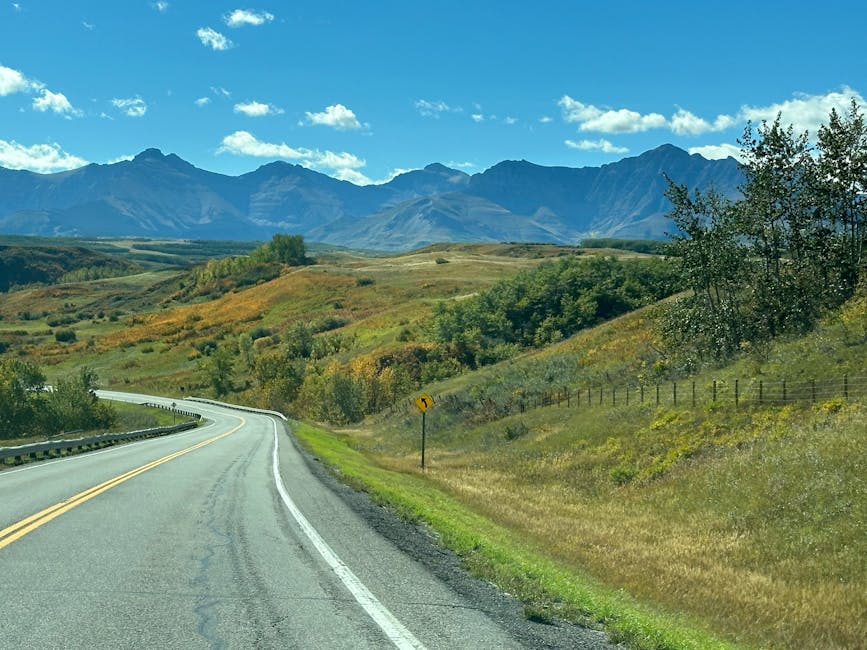
Mountain drives such as Colorado’s Million Dollar Highway deliver alpine scenery, crisp air, and hiking trails. Best for active families comfortable with elevation changes.
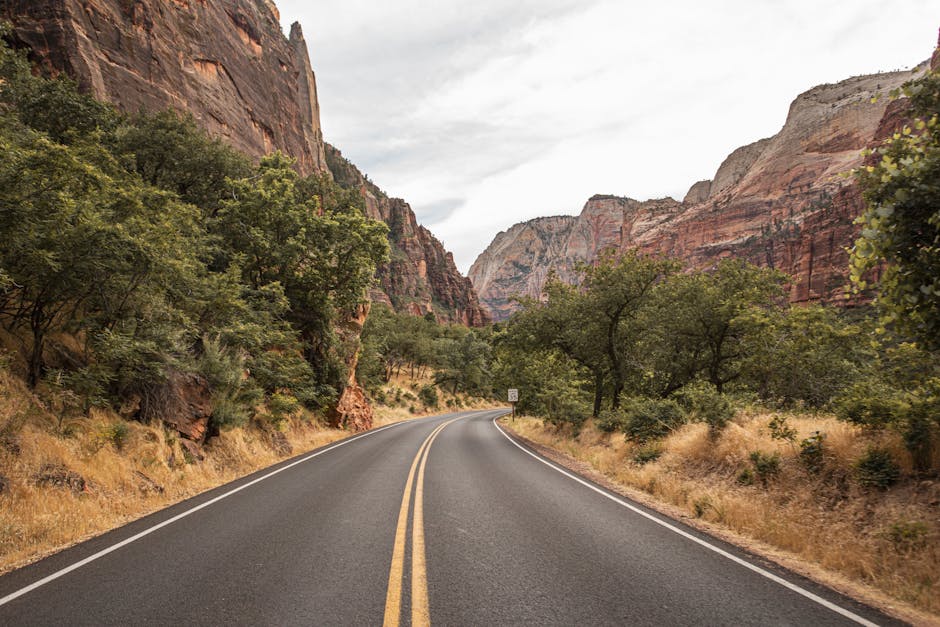
Desert roads like Arizona’s Apache Trail provide dramatic rock formations and star-filled skies. Great for stargazing and photography, but require extra water and sun protection.
Check Road Conditions and Seasonal Closures
Many scenic routes close in winter due to snow or landslides. Always verify seasonal accessibility before booking.
Use official state DOT websites or apps like Roadtrippers to check real-time conditions. Avoid narrow, unpaved roads unless your vehicle is equipped.
Some mountain passes require chains or have steep grades. Confirm your car’s capabilities and carry emergency supplies regardless.
Essential Planning Steps Before You Go
Map Your Stops—Not Just Gas Stations
Plot fuel stops, restrooms, and meal breaks in advance. Even on well-traveled routes, services can be sparse in rural areas.
Include at least one interesting stop per driving leg—a waterfall, viewpoint, or historic site. These become natural pause points and photo opportunities.
Use offline maps in case of poor signal. Download Google Maps areas or carry paper backups for remote regions.
Book Accommodations with Flexibility
Reserve lodging early in peak seasons, but choose refundable options when possible. Weather or fatigue may require schedule changes.
Look for family-friendly stays with kitchenettes, pools, or outdoor space. Cabins, vacation rentals, or national park lodges often beat standard hotels for road trips.
Consider camping if your family enjoys the outdoors. Reserve campsites months ahead in popular parks like Yosemite or Zion.
Prepare Your Vehicle
Schedule a pre-trip inspection: brakes, tires, fluids, lights, and battery. A breakdown in a remote area can turn magical into miserable.
Top off windshield washer fluid and keep a spare tire, jack, and jumper cables accessible. Add a portable phone charger and basic toolkit.
Clean the car inside and out before departure. A tidy space reduces stress and makes packing easier.
Packing Smart for Comfort and Safety
Create a Family Road Trip Kit
Pack a dedicated bag with essentials: first-aid supplies, flashlight, blankets, hand sanitizer, wet wipes, and trash bags.
Include motion sickness remedies, sunscreen, and insect repellent. These small items prevent big disruptions.
Bring reusable water bottles and a cooler for snacks. Avoid sugary drinks that increase restlessness.
Entertainment That Doesn’t Drain Batteries
Audiobooks and podcasts work well for all ages. Choose family-friendly series like Wow in the World or The Unexplainable Podcast.
Card games, travel-sized board games, and coloring books keep hands busy without screens. “I Spy” and license plate games require no supplies.
Limit device use to preserve battery and encourage conversation. Save movies for longer stretches or evening downtime.
Clothing and Comfort Items
Layer clothing for changing weather. Mornings in mountains can be chilly; afternoons in valleys, hot.
Pack one outfit per person for arrival day—separate from travel clothes. Include comfortable shoes and hats.
Bring neck pillows, window shades, and seat cushions. Small comforts make long drives tolerable for everyone.
Top Scenic Routes for Families in the U.S.
Pacific Coast Highway (California)
Stretching from San Francisco to Los Angeles, this route offers cliffs, beaches, and redwood forests. Stop in Monterey for the aquarium or Big Sur for hiking.
Drive south to north to keep the ocean on the passenger side—better for kids to see. Allow 3–5 days to enjoy without rushing.
Watch for fog in summer and rockfall zones. Some sections have limited cell service.
Blue Ridge Parkway (Virginia to North Carolina)
Known as “America’s Favorite Drive,” this 469-mile route connects Shenandoah and Great Smoky Mountains National Parks.
Speeds are low (45 mph max), making it safe for families. Numerous overlooks, trails, and picnic areas dot the route.
Fall foliage draws crowds—plan ahead. Spring wildflowers and summer greenery offer quieter alternatives.
Going-to-the-Sun Road (Glacier National Park, Montana)
This 50-mile engineering marvel crosses the Continental Divide. Snowbanks tower above the road well into July.
Free shuttle buses reduce traffic and parking stress. Hike the Trail of the Cedars or take a boat tour on Lake McDonald.
Vehicle reservations are required in peak season. Check park alerts before traveling.
Overseas Highway (Florida Keys)
Connecting Key Largo to Key West, this route features 42 bridges over turquoise water. Stop in Islamorada for snorkeling or Key Largo for glass-bottom boat tours.
Drive early to avoid heat and traffic. Fill up in Key Largo—gas gets expensive down the chain.
Watch for tropical storms June through November. Hurricane preparedness is essential.
Keeping Kids Engaged and Safe on the Road
Involve Them in Planning
Let kids help choose stops or pick audiobooks. Ownership increases excitement and cooperation.
Use a map to show the route. Mark milestones with stickers or drawings. Visual progress keeps motivation high.
Assign simple tasks: “You’re in charge of snacks” or “Find the next rest area.” Responsibility reduces boredom.
Set Clear Expectations
Discuss rules before departure: seatbelt use, volume levels, and bathroom break signals. Consistency prevents arguments.
Agree on screen time limits. One movie per leg or 30 minutes per hour works for many families.
Prepare for meltdowns. Bring comfort items and stay calm. Pull over if needed—safety comes first.
Practice Car Safety
Ensure car seats and boosters are correctly installed. Recheck straps and harnesses before each trip.
Never allow kids to unbuckle while moving. Use reminders like “Seatbelts on until the car stops.”
Keep emergency contacts visible. Teach older kids how to call 911 and describe their location.
Meals and Snacks on the Go
Pack Smart Food
Choose non-perishable, mess-free snacks: granola bars, crackers, dried fruit, nuts, and cheese sticks.
Avoid sticky or crumbly items that attract ants or stain seats. Pre-portion into small bags to reduce waste.
Bring a thermos for coffee or soup. Hot drinks boost morale on chilly mornings.
Plan Restaurant Stops Wisely
Use apps like Yelp or Roadtrippers to find family-friendly eateries near your route. Look for high chairs, kids’ menus, and quick service.
Eat early to avoid crowds. Lunch around 11:30 a.m. or dinner by 5:00 p.m. keeps kids from getting hangry.
Try local specialties when safe. Fish tacos in San Diego, barbecue in Tennessee, or key lime pie in the Keys.
Stay Hydrated
Dehydration causes fatigue and irritability. Offer water regularly, even if no one asks.
Limit soda and juice. They increase bathroom stops and energy crashes.
Refill bottles at rest stops or visitor centers. Many have filtered water stations.
Handling Unexpected Challenges
Weather Delays
Check forecasts daily. Have a backup indoor activity for rainy days—museums, aquariums, or movie theaters along your route.
If driving in snow or ice, delay departure until roads are treated. Never risk safety for schedule.
Carry tire chains if required. Practice installing them at home first.
Vehicle Troubles
Know your insurance roadside assistance number. Keep it in the glove box and on your phone.
If stranded, stay with the vehicle unless unsafe. Use hazard lights and reflective triangles.
Call for help before attempting repairs unless trained. Many areas have limited tow services.
Illness or Injury
Pack a basic first-aid kit: bandages, antiseptic, pain relievers, tweezers, and allergy medication.
Locate urgent care clinics or hospitals near your route using Google Maps. Save addresses offline.
For serious issues, call 911. Know your exact location using mile markers or GPS coordinates.
Making Memories That Last
Capture Moments Without Screens
Bring a disposable camera for each child. They’ll focus on framing shots instead of scrolling.
Keep a travel journal. Write one sentence per day or draw a map of the route.
Collect small souvenirs: a smooth rock, a pressed flower, or a postcard. Display them at home afterward.
Create Traditions
Sing a “road trip song” at the start of each leg. Let each person add a verse.
Take a family photo at every major stop. Compare expressions and outfits over time.
End each day with a “best moment” share. Encourages reflection and gratitude.
Leave No Trace
Pack out all trash. Use reusable containers to reduce waste.
Stay on marked trails. Respect wildlife and private property.
Teach kids that protecting nature ensures future adventures for others.
Final Tips for a Successful Family Road Adventure
Start small. A weekend trip builds confidence for longer journeys. Choose a route within 4–6 hours of home for your first outing.
Be flexible. The best memories often come from unplanned detours—a hidden waterfall, a roadside fruit stand, or a friendly local’s recommendation.
Focus on connection, not perfection. A delayed meal or a wrong turn doesn’t ruin the trip. How you respond does.
After returning, review what worked and what didn’t. Adjust for next time. Family travel improves with practice.
FAQ
How long should a family drive each day?
Most families do best with 3–5 hours of driving per day, split into segments with breaks. Adjust based on kids’ ages and energy levels.
What’s the best time of year for a scenic road trip?
Spring and fall offer mild weather and fewer crowds. Summer is ideal for mountain routes but busy in national parks. Winter works for southern or desert drives.
Do I need special equipment for mountain or desert roads?
For mountains, carry chains if required and check tire pressure. In deserts, extra water, sun protection, and a full gas tank are essential. Always inform someone of your route.