Nature Travel Guide with Hiking and Exploration Tips
Planning a nature-focused trip? This nature travel guide offers practical hiking and exploration tips to help you prepare, stay safe, and make the most of your outdoor adventures. Whether you’re trekking through mountain trails, exploring dense forests, or wandering coastal paths, smart preparation and awareness are key to a rewarding experience.
Why Choose Nature Travel?
Nature travel offers a refreshing escape from daily routines. It combines physical activity, mental relaxation, and the chance to connect with the natural world. Unlike crowded tourist destinations, nature-based trips often provide solitude, scenic beauty, and opportunities for personal reflection.
Hiking and outdoor exploration also support physical health. Walking on uneven terrain improves balance and endurance. Exposure to natural light boosts mood and vitamin D levels. These benefits make nature travel a smart choice for travelers seeking both adventure and wellness.
Essential Preparation Before You Go
Research Your Destination
Start by learning about your chosen location. Check trail difficulty, elevation gain, and typical weather conditions. For example, the Appalachian Trail in the eastern U.S. spans over 2,000 miles with varying terrain, while the Pacific Crest Trail crosses deserts, forests, and high alpine zones.
Use official park websites, hiking apps, and local ranger stations for up-to-date information. Look for recent trail reports that mention closures, wildlife activity, or water availability. This research helps you choose routes that match your fitness level and experience.
Pack the Right Gear
Proper gear makes a big difference in comfort and safety. Always bring a reliable backpack, moisture-wicking clothing, and sturdy hiking boots. A broken-in pair of boots prevents blisters on long hikes.
Essential items include a map and compass (even if you use GPS), a first-aid kit, sun protection, and enough water. For multi-day trips, add a lightweight tent, sleeping bag, and cooking supplies. Pack only what you need—every extra ounce adds up on the trail.
Check the Weather and Season
Weather can change quickly in natural environments. A sunny morning in the Rockies might turn into an afternoon thunderstorm. Check forecasts before departure and monitor conditions during your trip.
Seasonal timing matters too. Spring offers wildflowers and flowing streams but may include muddy trails. Summer brings long days but also heat and crowds. Fall provides crisp air and colorful foliage, while winter requires cold-weather gear and avalanche awareness in mountainous areas.
Hiking Safety and Best Practices
Tell Someone Your Plans
Always share your itinerary with a friend or family member. Include your route, expected return time, and emergency contacts. If you’re hiking solo, this step is even more critical.
In remote areas, consider carrying a personal locator beacon (PLB) or satellite messenger. These devices can send distress signals when cell service is unavailable. Devices like Garmin inReach or SPOT offer two-way messaging and GPS tracking.
Stay on Marked Trails
Sticking to established paths protects both you and the environment. Off-trail hiking increases the risk of getting lost or damaging fragile ecosystems. In places like national parks, trail markers are usually painted blazes, signs, or cairns.
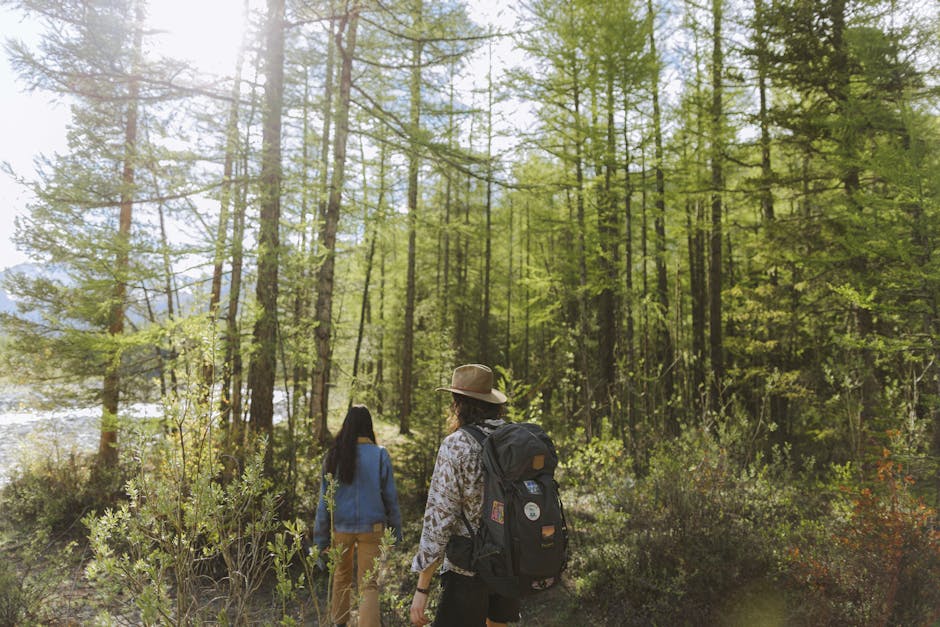
If you do wander off course, stop and retrace your steps. Use your map and compass to reorient yourself. Panicking leads to poor decisions—stay calm and assess your situation.
Hydrate and Fuel Your Body
Dehydration sneaks up quickly, especially at high elevations or in dry climates. Drink water regularly, even if you don’t feel thirsty. A general rule is to consume about half a liter per hour during moderate activity.
Bring high-energy snacks like nuts, dried fruit, or energy bars. Avoid heavy meals that can cause fatigue. Electrolyte tablets or drinks help maintain balance on long hikes, particularly in hot weather.
Exploring Responsibly: Leave No Trace
Pack Out What You Pack In
The Leave No Trace principle means carrying out all trash, including food scraps and toilet paper. Even biodegradable items can take months to decompose and attract wildlife.
Use a small trowel to dig a cathole 6–8 inches deep for human waste, at least 200 feet from water sources. Pack out toilet paper in a sealable bag. This protects water quality and prevents contamination.
Respect Wildlife and Plants
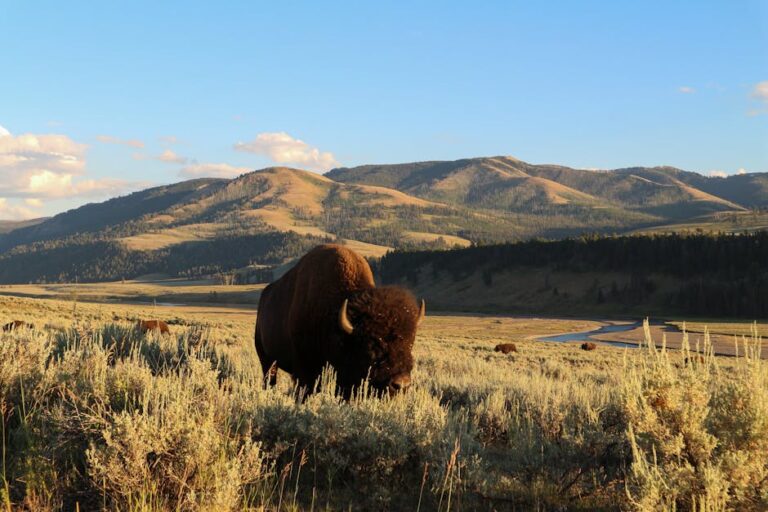
Observe animals from a distance. Feeding wildlife disrupts their natural behavior and can make them dependent on humans. Store food in bear-resistant containers in areas with bears, such as Yellowstone or the Smokies.
Avoid picking flowers or disturbing plants. Trampling vegetation damages root systems and reduces biodiversity. Stick to durable surfaces like rock or dirt trails to minimize impact.
Minimize Campfire Impact
Campfires can scar landscapes and spread wildfires. Use a camp stove for cooking instead. If fires are allowed and necessary, use established fire rings and keep flames small.
Burn only small sticks from the ground. Never cut live trees. Extinguish fires completely with water, stir the ashes, and feel for heat before leaving.
Choosing the Right Trail for Your Skill Level
Beginner-Friendly Trails
New hikers should start with short, flat routes. Examples include the Jenny Lake Loop in Grand Teton National Park or the Cuyahoga Valley Towpath Trail in Ohio. These paths offer scenic views with minimal elevation change.
Look for trails under 5 miles with well-maintained surfaces. Many state parks and local nature preserves offer easy walks with rest areas and signage. These are ideal for building confidence and stamina.
Intermediate and Advanced Options
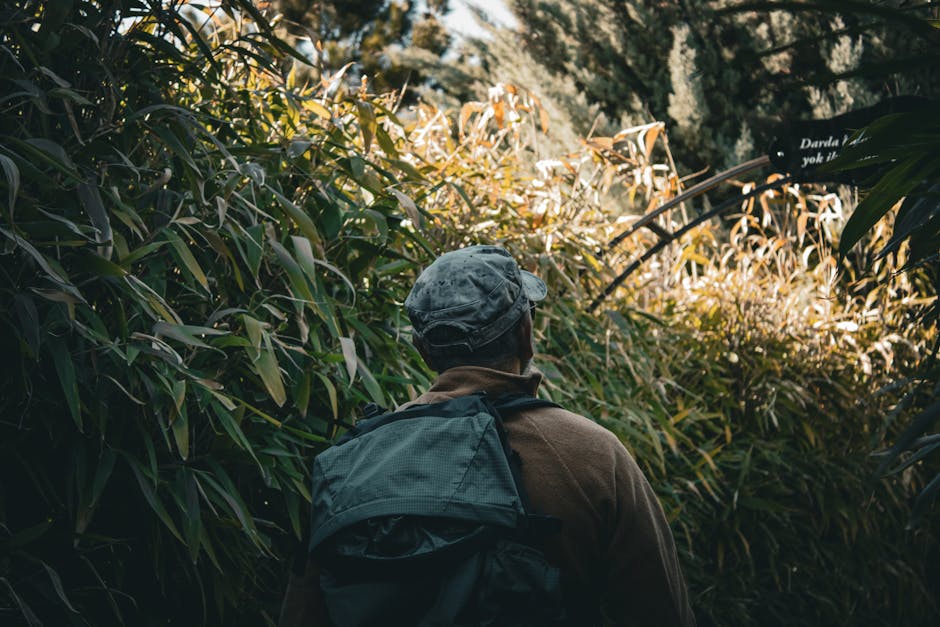
Experienced hikers can tackle longer or more technical routes. The Angels Landing hike in Zion National Park involves steep climbs and narrow ridges with chains for support. The Kalalau Trail in Hawaii features rugged coastline and river crossings.
These trails often require navigation skills, endurance, and proper gear. Always assess your fitness and experience honestly. Pushing beyond your limits increases the risk of injury or getting stranded.
Navigation Tools and Technology
Traditional vs. Digital Tools
Paper maps and compasses are reliable and don’t require batteries. Learn basic orienteering skills before relying on GPS. A topographic map shows elevation changes, water sources, and trail junctions.
Smartphone apps like AllTrails, Gaia GPS, or Maps.me offer downloadable maps and real-time tracking. However, batteries die, and signals drop in remote areas. Always carry a physical backup.
Using GPS Effectively
Download offline maps before your trip. Set waypoints at key locations like trailheads, campsites, and water sources. Track your progress to avoid overshooting your destination.
Be cautious with battery life. Turn off unnecessary features, use airplane mode when possible, and carry a portable charger. Solar chargers work well in sunny regions but may fail in dense forests.
What to Do in an Emergency
Stay Calm and Assess
If you get lost or injured, stop moving and take stock of your situation. Use the STOP acronym: Stop, Think, Observe, Plan. Panic leads to poor decisions and wasted energy.
Find shelter if weather is turning bad. Use your emergency blanket or bivy sack to retain body heat. Signal for help using a whistle, mirror, or bright clothing.
Know Basic First Aid
Carry a compact first-aid kit and know how to use it. Treat cuts, sprains, and insect bites promptly. Learn to recognize signs of hypothermia, heat exhaustion, and altitude sickness.
In serious cases, activate your emergency beacon or send a message via satellite device. Provide your location, nature of injury, and number of people involved. Stay with the injured person if possible.
Seasonal Considerations for Nature Travel
Spring and Summer Hiking
Warmer months bring longer days and accessible trails. However, bugs, heat, and crowds are common. Start hikes early to avoid afternoon thunderstorms in mountainous areas.
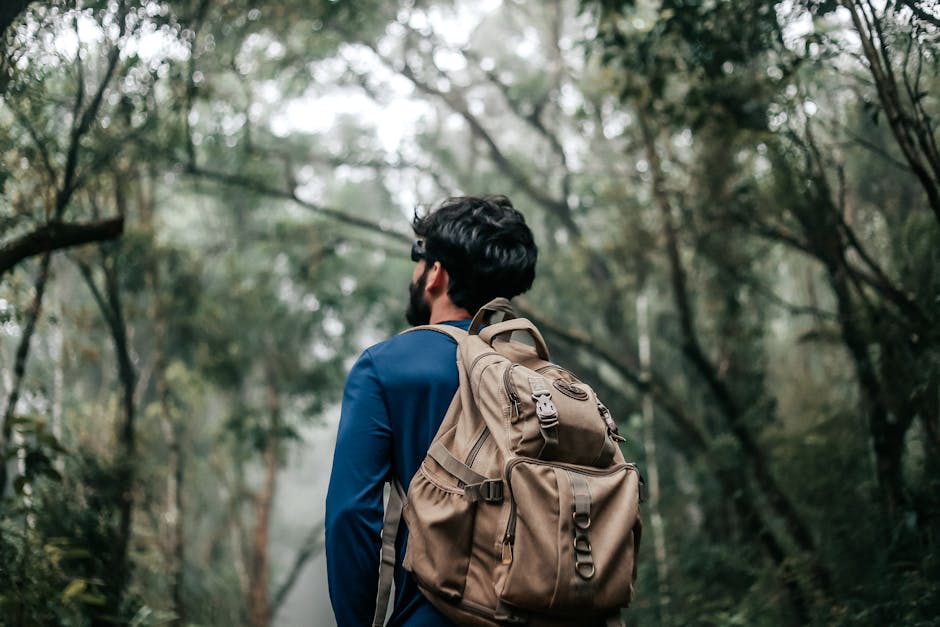
Apply insect repellent and wear long sleeves in bug-prone regions like the Adirondacks or the Pacific Northwest. Carry extra water and take frequent breaks in the shade.
Fall and Winter Adventures
Cooler temperatures reduce insect activity and make hiking more comfortable. Fall colors in New England or the Blue Ridge Mountains attract many visitors—plan ahead for parking and permits.
Winter hiking requires specialized gear: insulated boots, layered clothing, and traction devices like microspikes. Be aware of avalanche risks in snowy mountains. Check local avalanche forecasts before heading out.
Making the Most of Your Nature Experience
Slow Down and Observe
Hiking isn’t just about reaching the summit. Take time to notice details: bird calls, plant textures, rock formations. Bring a small notebook or use your phone to record observations.
Early mornings and late afternoons offer the best light and wildlife activity. These golden hours enhance photography and create memorable moments.
Travel with Intention
Set a purpose for your trip—whether it’s photography, birdwatching, or simply disconnecting. This focus adds depth to your experience and helps you engage more fully with the environment.
Consider joining a guided hike or nature walk. Local experts share insights about ecology, geology, and history that you might miss on your own.
Final Thoughts on Nature Travel
A well-planned nature travel guide with hiking and exploration tips ensures a safe, enjoyable, and respectful outdoor experience. Preparation, awareness, and respect for nature are the foundations of every successful trip.
Whether you’re exploring a local forest or crossing a national park, the rewards of nature travel go beyond scenery. They include improved health, mental clarity, and a deeper connection to the world around you. Start small, stay curious, and let the trail guide you.
FAQ
What should I pack for a day hike?
Bring water, snacks, a map, first-aid kit, sun protection, and extra layers. Wear sturdy shoes and dress in moisture-wicking clothing. A headlamp or flashlight is useful in case you’re delayed.
How do I avoid getting lost on a trail?
Stay on marked paths, carry a map and compass, and use GPS apps with offline maps. Tell someone your route and check in periodically. If unsure, turn back rather than risk going off course.
Is it safe to hike alone?
Solo hiking can be safe with proper preparation. Choose well-traveled trails, carry emergency communication devices, and avoid risky conditions. Let someone know your plans and expected return time.