
Best Travel Destinations for Remote Work Travelers
Remote work has redefined how and where we live. For digital nomads and location-independent professionals, choosing the right destination is about more than scenery—it’s about reliable internet, affordability, safety, and a supportive community. The best travel destinations for remote work travelers balance productivity with quality of life, offering coworking spaces, visa-friendly policies, and vibrant local cultures. Whether you’re planning a month-long stay or a year abroad, these cities stand out as top choices for working while exploring the world.
What Makes a Destination Ideal for Remote Work?
Not every beautiful city is built for remote work. Key factors include high-speed internet, affordable living costs, safety, and access to coworking spaces. Time zone alignment with your team or clients also matters. Destinations with digital nomad visas simplify long-term stays, while strong expat communities provide networking and social support.
Beyond infrastructure, consider lifestyle. Access to nature, public transportation, healthcare, and cultural experiences enrich your stay. A city might have fast Wi-Fi but lack walkability or green spaces—important for mental well-being during extended stays.
Essential Infrastructure
Reliable internet is non-negotiable. Look for average speeds above 50 Mbps, especially if you’re on video calls or uploading large files. Cities like Tallinn and Chiang Mai consistently rank high for connectivity.
Coworking spaces offer more than desks—they provide community, networking, and structure. Hubs like WeWork, Impact Hub, and local collectives often host events and workshops. Some cafes double as workspaces, but verify Wi-Fi stability before committing.
Cost of Living and Visa Options
Budget varies widely. Lisbon offers European charm at a lower cost than Paris or London. Medellín provides modern amenities with South American prices. Always research average monthly expenses: rent, food, transport, and coworking fees.
Many countries now offer digital nomad visas. Portugal, Estonia, and Mexico grant stays up to a year. These visas often require proof of income, health insurance, and clean background checks. Always verify current requirements through official government sites.
Top Cities for Remote Work Travelers
Lisbon, Portugal
Lisbon blends old-world charm with modern infrastructure. The city boasts fiber-optic internet, numerous coworking spaces, and a growing tech scene. Neighborhoods like Príncipe Real and Alcântara are popular among remote workers.
Portugal’s D7 visa and new digital nomad visa make long-term stays accessible. The climate is mild, public transit is efficient, and English is widely spoken. Day trips to Sintra or Cascais add weekend appeal.
Tallinn, Estonia
Tallinn is a pioneer in digital innovation. As the first country to offer an official digital nomad visa, Estonia supports remote workers with e-residency and streamlined bureaucracy.
The city is compact, safe, and walkable. Internet speeds exceed 100 Mbps in most areas. Coworking spaces like Lift99 and Spring Hub foster collaboration. Winters are cold, but summers offer long daylight hours perfect for work-life balance.

Chiang Mai, Thailand
Chiang Mai remains a favorite among long-term remote workers. The cost of living is low—rent for a one-bedroom apartment averages $300–$500 per month. Internet is reliable in coworking hubs and modern cafes.
The city has a strong nomad community, with events and meetups almost daily. Temples, night markets, and mountain trails offer cultural and recreational balance. However, air quality can dip during burning season (February–April).
Mexico City, Mexico
Mexico City offers big-city energy with affordable living. Neighborhoods like Roma and Condesa are walkable, safe, and full of cafes with strong Wi-Fi. The city has a growing number of coworking spaces, including Impact Hub and Regus.
Mexico’s temporary resident visa allows stays up to four years. The time zone aligns well with North American clients. Cultural richness—museums, food, art—makes it a stimulating place to live and work.
Medellín, Colombia
Medellín has transformed into a modern, innovative city. Known for its spring-like climate year-round, it attracts remote workers seeking affordability and quality of life.
El Poblado and Laureles are popular districts with coworking spaces, cafes, and expat communities. Internet is fast and reliable. Colombia offers a digital nomad visa valid for up to two years. Be mindful of safety in certain areas—stick to well-lit, busy zones.
Barcelona, Spain
Barcelona combines Mediterranean lifestyle with strong infrastructure. The city has excellent public transit, beaches, and a vibrant cultural scene. Coworking spaces like MOB and Betahouse are well-established.
Spain’s digital nomad visa, introduced in 2023, allows stays up to five years. Internet speeds are high, and English is common in business settings. Housing can be expensive in central areas, so consider suburbs like Gràcia or Poblenou.
Dubai, UAE
Dubai offers luxury, safety, and world-class infrastructure. The city has some of the fastest internet in the world and numerous coworking spaces, including WeWork and Astrolabs.
The UAE’s remote work visa allows stays up to one year. Tax-free income is a major draw. However, the cost of living is high—budget accordingly. Summers are extremely hot, so plan indoor activities during peak months.
How to Choose the Right Destination for You
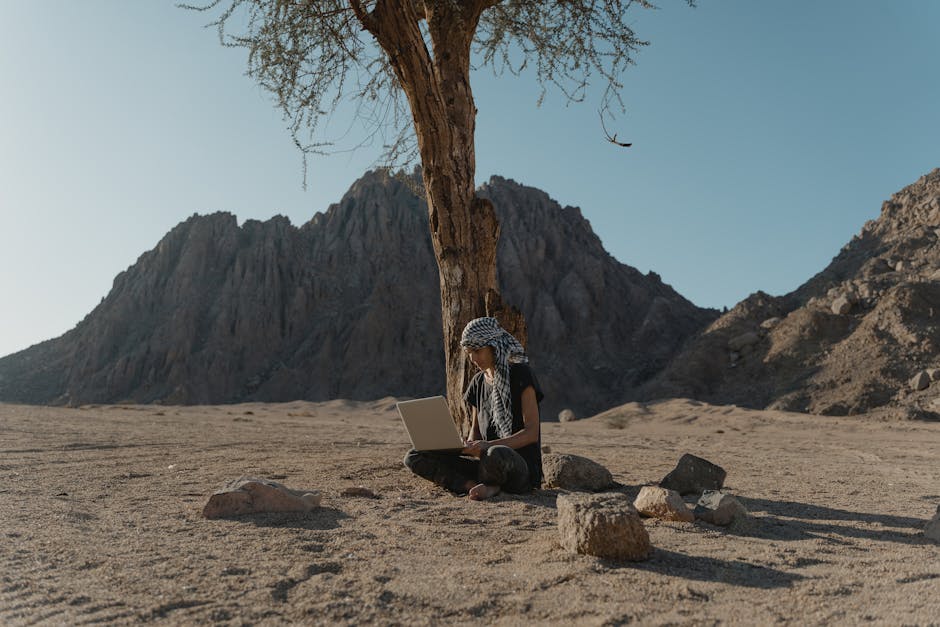
Your ideal city depends on personal priorities. Start by listing your non-negotiables: internet speed, budget, climate, language, and visa ease.
Consider time zones. If you work with a U.S.-based team, cities in Latin America or the Caribbean may offer better overlap. European teams might prefer Lisbon or Berlin.
Test Before You Commit
Book a short-term stay (2–4 weeks) before committing long-term. Use platforms like Airbnb or Nomad List to find nomad-friendly rentals. Test internet speeds at your accommodation and nearby cafes.
Join local Facebook groups or Meetup events to connect with other remote workers. Ask about real experiences—Wi-Fi reliability, safety, and community vibe.
Budget Realistically
Track daily expenses for a week. Include rent, food, transport, coworking, and leisure. Add a 15–20% buffer for unexpected costs. Use tools like Numbeo to compare city costs.
Factor in travel insurance and health coverage. Some countries require proof of insurance for visa approval. Choose a plan that covers international travel and remote work activities.
Common Challenges and How to Avoid Them
Even the best destinations have pitfalls. Poor internet can derail productivity. Always have a backup plan—portable Wi-Fi devices or nearby cafes with strong connections.
Isolation is another risk. Remote work can be lonely. Prioritize cities with active communities. Attend coworking events, language exchanges, or fitness classes to build connections.
Time Zone Misalignment
Working across time zones requires discipline. Use tools like World Time Buddy to schedule meetings. Set core hours when you’re available and communicate them clearly to clients.
If possible, choose destinations within 3–5 hours of your team’s time zone. This reduces late-night calls and burnout.
Visa and Legal Compliance
Overstaying a visa can lead to fines or bans. Always check entry requirements. Some countries allow tourist stays but prohibit work—even remote work for foreign employers.

Digital nomad visas are designed for this lifestyle. They often include work rights and tax clarity. Apply early, as processing can take weeks.
Tools and Resources for Remote Work Travelers
Stay organized with the right tools. Use project management apps like Trello or Asana to track tasks. Communication platforms like Slack and Zoom keep you connected.
For finances, consider multi-currency accounts like Wise or Revolut. They offer low fees and real exchange rates. Track expenses with apps like Expensify or Mint.
Recommended Platforms
Nomad List provides city ratings based on cost, internet, safety, and community. It’s a great starting point for research.
Workfrom lists cafes and coworking spaces with Wi-Fi details, power outlets, and noise levels. Download the app before arriving in a new city.
Meetup and Internations help you find local events and expat groups. Building a network early improves your experience.
Final Tips for a Successful Remote Work Trip
Pack light but smart. Bring a lightweight laptop, universal adapter, noise-canceling headphones, and a portable charger. A good backpack with laptop sleeve is essential.
Set boundaries between work and travel. Designate work hours and stick to them. Explore after 5 PM or on weekends to avoid burnout.
Back up your data daily. Use cloud storage like Google Drive or Dropbox. Keep local copies on an external drive.
Stay healthy. Walk daily, eat local food in moderation, and stay hydrated. Many cities have affordable gyms or yoga studios.
FAQ
What is the best country for remote work visas?
Portugal, Estonia, and Mexico offer some of the most accessible and long-term digital nomad visas. Each requires proof of income, health insurance, and a clean record.
How much does it cost to live as a remote worker in Chiang Mai?
A comfortable lifestyle in Chiang Mai costs $800–$1,200 per month, including rent, food, coworking, and leisure. This makes it one of the most affordable top destinations.
Can I work remotely from Europe on a tourist visa?
Most European countries prohibit any form of work on a tourist visa, including remote work for foreign employers. Always check local laws or apply for a digital nomad visa to stay compliant.