Best Island Travel Destinations for Snorkeling Adventures
If you’re searching for the best island travel destinations for snorkeling adventures, you’re in the right place. These tropical paradises offer crystal-clear waters, vibrant coral reefs, and an abundance of marine life that make them ideal for both beginners and experienced snorkelers. From the Caribbean to the Pacific, these islands combine accessibility with underwater wonder, ensuring unforgettable experiences just a short swim from shore. Whether you’re gliding over rainbow-colored corals or swimming alongside sea turtles, these locations deliver consistent quality and natural beauty.
Why Snorkeling on Islands Offers a Unique Experience
Island destinations provide some of the most accessible and diverse snorkeling environments on the planet. Unlike remote dive sites that require boats or advanced training, many island reefs are reachable directly from the beach. This makes them perfect for families, casual travelers, and first-time snorkelers.
The geography of islands often creates sheltered lagoons and calm bays, ideal for spotting fish, rays, and even small sharks. Many islands also benefit from conservation efforts, protecting coral ecosystems and ensuring healthy marine populations. When choosing a destination, look for protected marine parks or UNESCO biosphere reserves—these areas typically offer the clearest water and richest biodiversity.
Top Island Destinations for Snorkeling
1. Maui, Hawaii
Maui is one of the most celebrated islands for snorkeling in the Pacific. The island’s south and west shores feature protected marine areas where visibility often exceeds 100 feet. Molokini Crater, a crescent-shaped volcanic caldera, is a marine sanctuary teeming with over 250 species of fish.
Snorkelers can expect to see parrotfish, Moorish idols, and even reef sharks in deeper channels. Honolua Bay on the northwest coast offers calm waters and dramatic lava formations. For the best experience, arrive early in the morning when the water is calmest and crowds are thin.
2. Roatán, Honduras
Part of the Bay Islands, Roatán sits along the Mesoamerican Barrier Reef—the second-largest coral reef system in the world. This proximity to a massive reef system means snorkelers enjoy exceptional diversity and water clarity year-round.
West Bay Beach is a favorite among visitors, offering easy shore access and shallow reefs perfect for beginners. Just a short boat ride away, sites like Mary’s Place feature swim-through canyons and towering coral heads. Local operators offer guided tours with gear included, making it simple for travelers to dive in without prior experience.
3. Koh Tao, Thailand
Known as the “Turtle Island,” Koh Tao is a compact island in the Gulf of Thailand with a reputation for affordable, high-quality snorkeling. Its small size means most top sites are accessible by short boat trips or even kayak.
Shark Bay and Japanese Gardens are two standout locations. Shark Bay, despite its name, rarely sees actual sharks—but it’s home to harmless blacktip reef sharks and large schools of fusiliers. Japanese Gardens offers a shallow, protected reef ideal for children and novice snorkelers. The island also hosts regular reef conservation programs, allowing visitors to participate in coral planting.
4. Bonaire, Caribbean Netherlands
Bonaire is a diver’s paradise, but its shore-accessible reefs make it equally appealing for snorkelers. The entire coastline is part of a marine park, with strict regulations to preserve coral and fish populations.
Popular spots like Klein Bonaire and 1000 Steps offer easy entry points and vibrant underwater gardens. The island’s arid climate means less runoff and pollution, contributing to exceptionally clear water. Bonaire also provides excellent infrastructure, with rental gear, marked snorkel trails, and educational signage at major sites.
5. Lord Howe Island, Australia
This remote island between Australia and New Zealand is a UNESCO World Heritage site with a unique subtropical climate. Its isolated location has preserved a pristine marine environment, home to species found nowhere else.
Lagoon snorkeling is the main draw, with calm waters and visibility up to 130 feet. The island’s coral reefs are among the southernmost in the world, supporting both tropical and temperate species. Access is limited to 400 visitors at a time, ensuring minimal environmental impact and uncrowded conditions.
6. Fernando de Noronha, Brazil
A protected archipelago off Brazil’s coast, Fernando de Noronha is one of the most exclusive snorkeling destinations in South America. Strict visitor limits and conservation policies maintain its ecological integrity.
The main island’s Baía dos Porcos and Baía do Sancho offer dramatic cliffs and underwater caves. Dolphins frequently join snorkelers, and the area is known for seasonal visits from humpback whales. Permits are required and must be booked well in advance, so planning is essential.
7. Aitutaki, Cook Islands
Aitutaki’s lagoon is often described as one of the most beautiful in the world. Its shallow, turquoise waters are perfect for snorkeling, with visibility rarely dropping below 80 feet.
The inner lagoon is dotted with small motus (islets), and guided boat tours take visitors to secluded reefs. One-Frame Beach is a favorite for its soft sand and gentle slope into the water. The Cook Islands’ low tourism volume means reefs remain healthy and fish are unafraid of swimmers.
How to Choose the Right Island for Your Snorkeling Trip
Consider Your Skill Level
Beginners should prioritize calm, shallow waters with easy shore access. Islands like Koh Tao and Bonaire offer excellent conditions for learning. More experienced snorkelers might seek stronger currents or deeper drop-offs, such as those around Roatán or Fernando de Noronha.
Always assess your comfort level in open water. Some sites require swimming against mild currents or navigating rocky entries. If unsure, join a guided tour—local experts know the safest routes and best times to visit.
Check Seasonal Conditions
Snorkeling quality varies by season. In the Caribbean, the dry season from December to April offers the calmest seas and best visibility. In Southeast Asia, the northeast monsoon (November to March) brings clearer water to islands like Koh Tao.
Avoid hurricane or typhoon seasons, which can stir up sediment and damage reefs. Research local weather patterns before booking. Some islands, like Lord Howe, have narrow windows of ideal conditions due to their southern latitude.
Evaluate Accessibility and Amenities
Islands vary widely in infrastructure. Maui and Bonaire have well-developed tourism services, including gear rentals, medical facilities, and direct flights. Remote destinations like Lord Howe or Fernando de Noronha require connecting flights and advance planning.
Consider your travel style. If you prefer convenience, choose an island with direct international access. For a more secluded experience, opt for a smaller, less-developed location—just be prepared for limited dining and lodging options.
Essential Tips for Safe and Enjoyable Snorkeling
Use Proper Gear
A well-fitting mask is the most important piece of equipment. Test it before entering the water—press it to your face without using the strap. If it stays in place, the seal is good. Fogging can be prevented with defog solution or a drop of baby shampoo.
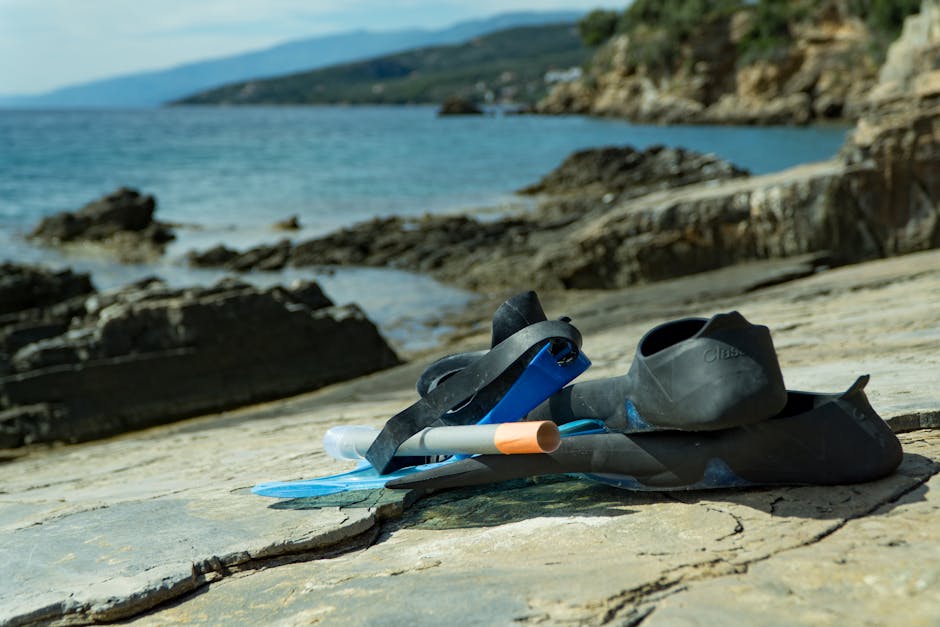
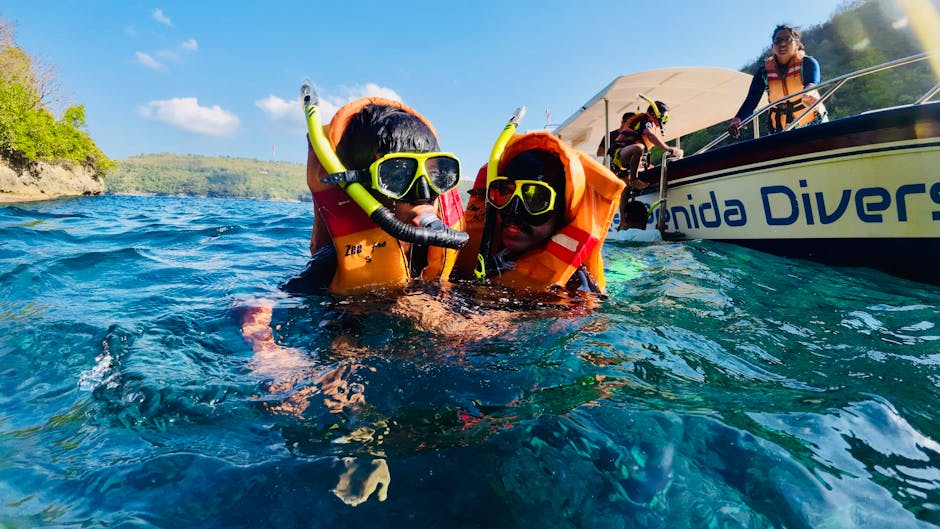
Fins help conserve energy and improve maneuverability. Full-foot fins are best for warm water, while open-heel fins with boots suit cooler conditions or rocky entries. Always wear a snorkel vest or rash guard for sun protection and buoyancy.
Practice Reef-Safe Habits
Never touch coral, stand on reefs, or chase marine life. Even light contact can damage coral polyps, which take years to recover. Maintain neutral buoyancy and kick gently to avoid stirring up sand.
Use reef-safe sunscreen. Chemicals like oxybenzone and octinoxate harm coral and are banned in places like Hawaii and Palau. Mineral-based sunscreens with zinc oxide are a safer alternative.
Stay Aware of Your Surroundings
Always snorkel with a buddy and stay within designated areas. Strong currents, boat traffic, and sudden weather changes can pose risks. If caught in a current, swim parallel to shore until you exit the flow, then return to land.
Be mindful of marine life. While most reef creatures are harmless, avoid touching sea urchins, jellyfish, or moray eels. If stung, rinse with vinegar (not freshwater) and seek medical help if symptoms worsen.
Environmental Impact and Responsible Tourism
Popular snorkeling destinations face pressure from overtourism. Coral bleaching, litter, and physical damage from visitors threaten long-term sustainability. Choosing eco-conscious operators and following park guidelines helps protect these fragile ecosystems.
Support local conservation efforts by visiting marine protected areas and paying park fees. These funds often go toward reef monitoring, cleanup programs, and community education. Avoid souvenirs made from coral, shells, or endangered species.
Travelers can also reduce their footprint by minimizing plastic use, staying on marked trails, and respecting wildlife. Small actions, when multiplied across thousands of visitors, make a significant difference.
What to Pack for a Snorkeling Island Getaway
Beyond the basics—snorkel, mask, fins—consider packing a waterproof camera, dry bag, and reef-safe sunscreen. A rash guard or lightweight wetsuit provides sun protection and warmth during longer sessions.
If you have prescription glasses, consider a corrective mask or contact lenses. For night snorkeling (where permitted), a waterproof flashlight enhances the experience. Always carry a first-aid kit and know the location of the nearest medical facility.
Check airline baggage policies if bringing your own gear. Many islands offer quality rentals, but personal equipment ensures a better fit and hygiene.
Final Thoughts on Island Snorkeling Adventures
The best island travel destinations for snorkeling adventures combine natural beauty, accessibility, and environmental stewardship. From Hawaii’s volcanic reefs to the remote lagoons of the Cook Islands, each location offers a unique underwater world worth exploring.
Success starts with preparation: choose the right island for your skill level, travel during optimal seasons, and prioritize safety and sustainability. With the right mindset and gear, snorkeling can become a lifelong passion—one that connects you deeply with the ocean and its inhabitants.
Frequently Asked Questions
What is the best time of year to go snorkeling on tropical islands?
The ideal time varies by region. In the Caribbean, aim for December to April to avoid hurricane season and enjoy calm seas. In Southeast Asia, the dry season from November to March offers the best visibility. Always check local conditions before traveling.
Do I need to know how to swim to snorkel?
Yes, basic swimming ability is essential. Snorkeling requires comfort in the water and the ability to float or tread water. Beginners should start in shallow, calm areas and consider using a flotation device or snorkel vest for added safety.
Can I snorkel if I wear glasses or contact lenses?
Absolutely. Many masks accommodate contact lenses, and prescription masks are available for those who prefer them. Avoid wearing regular glasses under a mask, as they won’t seal properly and can fog up or leak.