Beach Travel Guide with Water Activities and Tips
Planning a beach getaway? This comprehensive beach travel guide covers everything you need to know—from choosing the right destination to enjoying safe, fun water activities. Whether you’re snorkeling in crystal-clear waters, trying stand-up paddleboarding, or simply relaxing on the sand, we’ve got practical tips to make your trip smooth and memorable. Learn how to pack smart, stay safe in the sun and surf, and pick the best beaches for families, couples, or solo travelers.
Choosing the Perfect Beach Destination
Not all beaches are created equal. Your ideal spot depends on what you’re looking for—peace and quiet, vibrant nightlife, or family-friendly shores. Consider factors like water clarity, wave intensity, crowd levels, and nearby amenities.
For calm waters and soft sand, destinations like Maui’s Kaanapali Beach or Florida’s Clearwater Beach are excellent for families. If you crave adventure, head to Hawaii’s North Shore or Costa Rica’s Tamarindo for strong waves perfect for surfing. Always check seasonal weather patterns before booking.
Best Beaches for Water Sports
If water activities are your priority, look for beaches with rental shops, guided tours, and consistent conditions. Waikiki Beach in Honolulu offers beginner-friendly surfing lessons, while the Florida Keys are ideal for snorkeling and kayaking among coral reefs.
For kiteboarding, Cabarete in the Dominican Republic provides steady winds and shallow waters. Meanwhile, Byron Bay in Australia is a hotspot for ocean swimming and whale watching during migration seasons.
Family-Friendly vs. Adventure Beaches
Families should prioritize safety, accessibility, and shallow entry points. Beaches like Coronado in California or Gulf Shores in Alabama have lifeguards, restrooms, and gentle slopes into the water.
Adventure seekers might prefer remote stretches like Anse Source d’Argent in Seychelles or Playa Zipolite in Mexico—known for natural beauty and fewer crowds. Just remember: remote doesn’t always mean safe. Always assess local conditions and heed warning signs.
Top Water Activities to Try
Beach trips aren’t just about sunbathing. Water activities add excitement and let you explore marine life, improve fitness, and create lasting memories. Here are some popular options suited for different skill levels.
Snorkeling and Scuba Diving
Snorkeling requires minimal gear—mask, snorkel, and fins—and is accessible to most swimmers. Popular spots include Hanauma Bay in Oahu and the Great Barrier Reef’s accessible sites near Cairns.
Scuba diving offers deeper exploration but requires certification. Many resorts offer introductory “discover scuba” programs for beginners. Always dive with a certified operator and never touch coral—it’s fragile and can harm both you and the ecosystem.
Surfing and Paddleboarding
Surfing is thrilling but demands practice. Beginners should take lessons from certified instructors and start on beaches with small, consistent waves. Waikiki and San Diego’s La Jolla Shores are great starting points.
Stand-up paddleboarding (SUP) is easier to learn and works well in calm bays or lakeside beaches. It’s excellent for core strength and offers a unique perspective of coastal scenery. Rentals are widely available at most tourist beaches.
Kayaking and Boat Tours
Sea kayaking lets you explore hidden coves, mangroves, and sea caves. In places like Phang Nga Bay, Thailand, or the Sea of Cortez in Mexico, guided tours ensure safety and highlight wildlife.
Boat tours range from glass-bottom boats for non-swimmers to sunset cruises with snorkel stops. Always verify the operator’s safety record and check weather conditions before departure.
Packing Essentials for Your Beach Trip
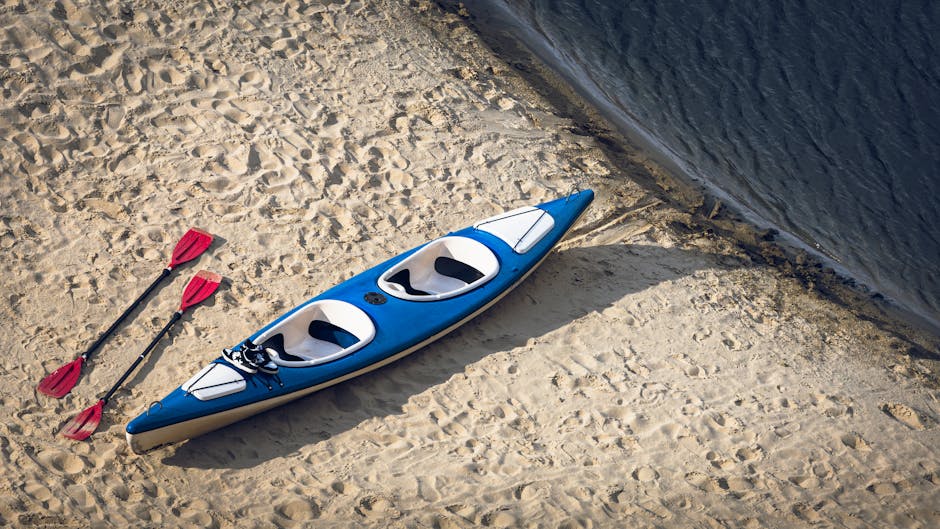
Packing light but smart makes a big difference. Overpacking leads to clutter; underpacking leaves you unprepared. Focus on versatile, quick-dry items and protective gear.
Clothing and Footwear
Bring rash guards or UV-protective swim shirts—especially for kids. They shield skin from sunburn and jellyfish stings. Quick-dry shorts, cover-ups, and a wide-brimmed hat are must-haves.
Water shoes protect feet from sharp rocks, coral, and hot sand. Flip-flops are convenient but offer little support—opt for sandals with straps if you plan to hike or walk long distances.
Sun and Safety Gear
Sunscreen is non-negotiable. Use broad-spectrum SPF 30 or higher, water-resistant formulas, and reapply every two hours—or after swimming. Mineral-based sunscreens (with zinc oxide) are gentler on coral reefs.
Don’t forget sunglasses with UV protection, a reusable water bottle, and a waterproof phone case. A compact first-aid kit with bandages, antiseptic, and antihistamines can handle minor cuts or stings.
Gear for Water Activities
If you’re bringing your own snorkel or paddleboard, ensure it’s travel-friendly and airline-approved. Many airlines charge extra for large sports equipment.
For rentals, inspect gear before use. Check masks for cracks, life jackets for proper fit, and boards for damage. Reputable shops will gladly assist—don’t hesitate to ask.
Staying Safe in the Water
Water safety is often overlooked until it’s too late. Even strong swimmers face risks like rip currents, sudden weather changes, and marine life encounters.
Understanding Rip Currents
Rip currents are powerful, narrow channels of water moving outward from the shore. They’re responsible for most beach drownings. If caught in one, don’t panic or swim directly back.
Swim parallel to the shore until you’re out of the current, then angle back to land. If you can’t swim out, float or tread water and wave for help. Always swim near lifeguard stations when possible.
Marine Life Awareness
Respect ocean wildlife. Avoid touching sea urchins, jellyfish, or coral—even if they look harmless. Some species, like box jellyfish or stonefish, can be dangerous.
If stung, rinse with seawater (not freshwater, which can worsen irritation) and seek medical help if pain persists. Vinegar can neutralize certain jellyfish stings—ask locals or lifeguards for advice.
Weather and Tide Conditions
Check daily forecasts and tide charts. High surf warnings mean dangerous conditions for swimming. Lightning storms can develop quickly—exit the water immediately if thunder is heard.
Tides affect accessibility. Low tide may expose sharp rocks or make it harder to launch kayaks. High tide can submerge pathways or reduce beach width. Plan activities accordingly.
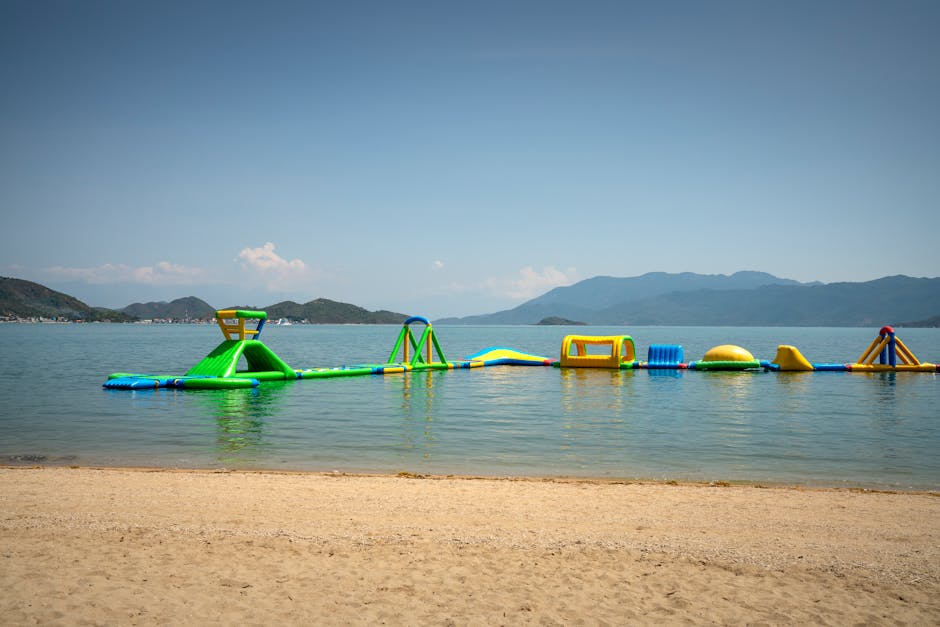
Eco-Friendly Beach Travel Tips
Beaches face threats from pollution, overtourism, and climate change. Responsible travel helps preserve these natural treasures for future generations.
Reduce Plastic Use
Single-use plastics are a major pollutant in oceans. Bring reusable bags, bottles, and containers. Avoid bottled water when safe tap or filtered options exist.
Participate in beach cleanups if available. Many coastal towns organize volunteer events—even picking up a few pieces of trash makes a difference.
Protect Coral Reefs and Wildlife
Never stand on or touch coral reefs—they grow slowly and take decades to recover from damage. Use reef-safe sunscreen and avoid anchoring boats on coral.
Observe marine animals from a distance. Feeding fish or chasing sea turtles disrupts natural behaviors and can be illegal in protected areas.
Support Local Communities
Choose locally owned accommodations, restaurants, and tour operators. This keeps money in the community and supports sustainable practices.
Learn a few phrases in the local language and respect cultural norms—especially around dress codes and photography near sacred sites.
Budgeting for Your Beach Vacation
Beach trips can be affordable or luxurious—it depends on your choices. Smart planning helps stretch your budget without sacrificing fun.
Accommodation Options
Hotels near the beach offer convenience but often come at a premium. Consider vacation rentals, hostels, or camping for lower costs. Booking in advance—especially during peak seasons—can save significantly.
Look for places with kitchens to reduce meal expenses. Even preparing simple breakfasts and snacks cuts down on dining out.
Transportation and Local Costs
Renting a car gives flexibility but adds fuel and parking costs. In walkable beach towns like Santa Monica or Nice, public transit or bikes may be more economical.
Compare prices for water activity rentals and tours. Group discounts or multi-activity packages often provide better value than booking individually.
Free and Low-Cost Activities
Not every beach experience costs money. Walking along the shore, building sandcastles, watching sunsets, and birdwatching are free and relaxing.
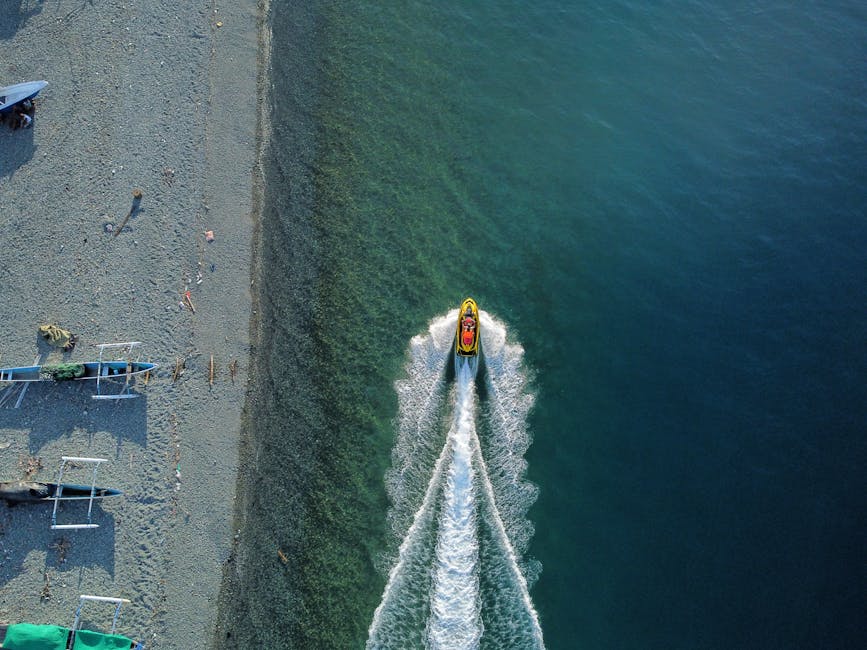
Many beaches have public showers, restrooms, and picnic areas. Bring a blanket and enjoy a homemade lunch with an ocean view.
Best Times to Visit Popular Beaches
Timing affects everything—from weather and crowds to prices and wildlife sightings. Plan around seasonal patterns for the best experience.
Caribbean and Mexico
Peak season runs from December to April—dry, sunny, and ideal for swimming. However, prices are highest and beaches busiest.
Shoulder months like May or November offer fewer crowds and lower rates, though there’s a slight chance of rain. Avoid hurricane season (June–November) if possible.
Hawaii and Pacific Islands
Hawaii enjoys warm weather year-round, but winter brings larger waves and higher surf on north shores—great for surfing, less so for swimming.
Summer offers calmer waters and better conditions for snorkeling. Book early, as summer is a popular family travel time.
Europe and Mediterranean
Beach season in Southern Europe runs from June to September. July and August are hottest and most crowded—ideal for lively atmospheres but expect higher prices.
May and September offer pleasant weather, fewer tourists, and lower costs. Some resorts may have limited services in early or late season.
Final Tips for a Smooth Beach Experience
A little preparation goes a long way. Arrive early to secure parking and the best spots on the beach. Bring a small lock for your bag if leaving items unattended.
Stay hydrated—saltwater and sun increase dehydration risk. Avoid alcohol before swimming or water sports. It impairs judgment and increases drowning risk.
Leave no trace. Pack out all trash, including food wrappers and cigarette butts. Respect quiet hours and noise ordinances, especially in residential beach areas.
FAQ
What should I do if I get caught in a rip current?
Don’t swim against the current. Swim parallel to the shore until you escape the pull, then return to land at an angle. Float and signal for help if needed.
Is it safe to snorkel without experience?
Yes, with proper guidance. Many beaches offer beginner-friendly snorkel tours with instruction and gear. Always stay with a group and avoid touching marine life.
How can I protect my skin while swimming?
Wear a rash guard or UV swim shirt, apply water-resistant sunscreen, and reapply every two hours. Seek shade during peak sun hours (10 a.m. to 4 p.m.).