Top Street Desserts to Try in Food Travel Destinations
If you’re a food traveler with a sweet tooth, street desserts offer some of the most authentic and memorable tastes a destination has to offer. From bustling night markets in Southeast Asia to charming plazas in Latin America, local sweets reflect culture, history, and regional ingredients. These handheld treats are often affordable, deeply rooted in tradition, and best enjoyed fresh from the vendor. Whether you’re wandering through Bangkok’s neon-lit alleys or strolling along Mexico City’s cobblestone streets, sampling street desserts is a delicious way to connect with a place.
This guide highlights standout street desserts from iconic food travel destinations around the world. Each selection is beloved by locals, easy to find, and delivers a unique flavor experience. We’ve focused on treats that are widely available, culturally significant, and consistently praised by travelers and food experts alike. Keep reading to discover which desserts to prioritize on your next culinary adventure.
Why Street Desserts Matter in Food Travel
Street desserts are more than just snacks—they’re edible snapshots of a region’s identity. Unlike restaurant desserts, which may cater to international tastes, street sweets often remain unchanged for generations. They’re made with local ingredients, prepared using time-honored techniques, and served in settings that reflect everyday life.
For travelers, these desserts offer an unfiltered taste of place. They’re typically low-cost, widely accessible, and best enjoyed in the moment. Whether it’s a warm crepe folded on a sidewalk cart or a chilled mango treat under a tropical sun, the experience is as much about atmosphere as flavor.
Authenticity Over Presentation
Don’t expect fine-dining plating. Street desserts prioritize taste and texture over aesthetics. A crispy, syrup-soaked jalebi in Delhi or a messy churro in Madrid might look humble, but their flavors are bold and unforgettable. The lack of pretense is part of their charm.
These desserts are often made to order, ensuring freshness. Vendors may use family recipes passed down through decades, adding a personal touch that’s hard to replicate in commercial kitchens. For food travelers, this authenticity is invaluable.
Affordability and Accessibility
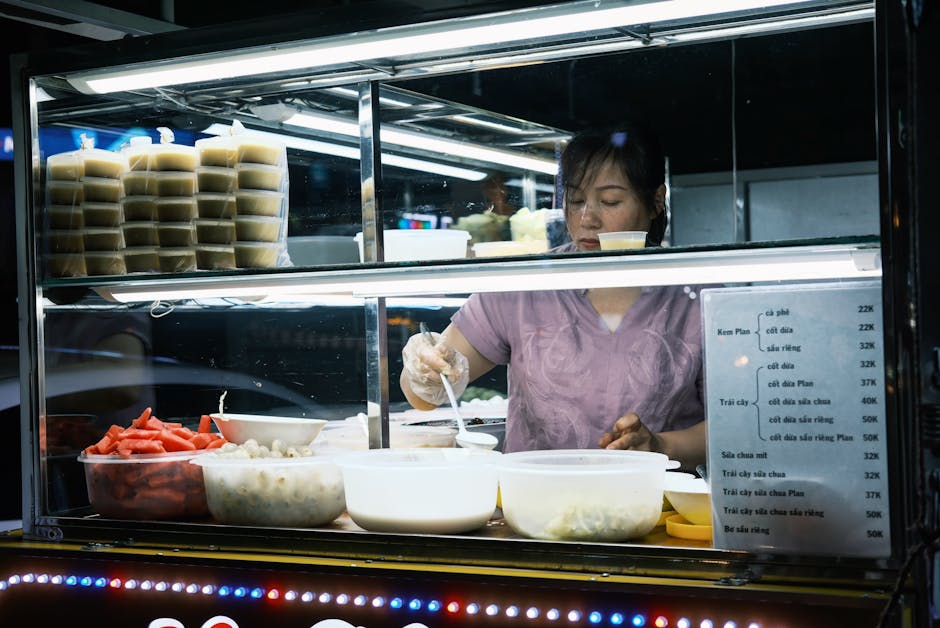
Most street desserts cost less than $5, making them ideal for budget-conscious travelers. They’re sold in markets, near temples, at train stations, and along busy pedestrian streets. No reservation required—just show up and order.
This accessibility means you can sample multiple desserts in one outing. Try a coconut-filled pancake in Ho Chi Minh City, then chase it with a sticky rice dumpling. The variety keeps the experience exciting and allows for spontaneous discoveries.
Iconic Street Desserts by Region
Different regions have developed distinct dessert traditions based on climate, agriculture, and cultural influences. Below are some of the most celebrated street desserts, grouped by geographic area. Each one offers a unique taste profile and cultural context.
Southeast Asia: Sweet, Sticky, and Fragrant
Southeast Asia is a paradise for dessert lovers. The region’s tropical climate supports an abundance of fruits, coconuts, and rice—key ingredients in many local sweets. Street vendors here often combine textures, balancing chewiness, crispness, and creaminess in single bites.
Mango Sticky Rice – Bangkok, Thailand
This beloved Thai dessert features glutinous rice cooked in coconut milk, served with ripe mango slices and drizzled with sweetened coconut cream. It’s commonly found at roadside stalls and night markets like Chatuchak or Asiatique.
The contrast between the warm, slightly salty rice and the cool, juicy mango is irresistible. Look for vendors using Nam Dok Mai mangoes, known for their sweetness and fiber-free texture. Best enjoyed in the late afternoon when mangoes are at peak ripeness.
Banh Cam – Hanoi, Vietnam
These chewy rice balls are coated in sesame seeds and filled with sweet mung bean paste. Sold from small carts in Old Quarter alleys, bánh cam are a nostalgic treat for many Vietnamese.
The outer layer is slightly crispy, giving way to a soft, dense center. They’re often dusted with powdered sugar and best eaten warm. Pair with a cup of green tea for a traditional snack break.
Klepon – Jakarta, Indonesia
Green rice cake balls filled with palm sugar and coated in grated coconut. When you bite into one, the molten sugar bursts out—hence the nickname “green bombs.”
Klepon are sold in banana-leaf wrappers at street stalls and pasar pagi (morning markets). The pandan flavoring gives them a fragrant, herbal note. Eat carefully—the hot liquid center can surprise first-timers.
South Asia: Syrupy, Spiced, and Satisfying
Indian subcontinent desserts are known for their use of ghee, cardamom, saffron, and jaggery. Street versions are often richer and more intense than their restaurant counterparts, made in large batches for quick service.
Jalebi – Delhi, India
Crispy, spiral-shaped fritters soaked in saffron-infused sugar syrup. Jalebi are a festival favorite but available year-round at sweet shops and roadside carts.
The key is freshness—jalebi lose their crunch quickly. Look for vendors making them to order. They’re best eaten warm, often paired with a glass of cold milk or a savory snack like samosa.
Gulab Jamun – Lahore, Pakistan
Soft, deep-fried milk-solid balls drenched in rose-scented sugar syrup. Gulab jamun are a staple at weddings and religious celebrations but also sold daily at street sweet stalls.
The texture should be melt-in-your-mouth, not doughy. High-quality versions use khoya (reduced milk) and are served at room temperature. Avoid overly dry or hard versions—they’ve likely been sitting too long.
Mishti Doi – Kolkata, India
A creamy, caramelized yogurt dessert traditionally served in earthen pots. The clay pots impart a subtle earthy flavor and help ferment the yogurt naturally.
Street vendors sell mishti doi in small clay cups, often near temples or in old neighborhoods like North Kolkata. It’s lightly sweetened with jaggery and has a tangy finish. A refreshing contrast to spicier street foods.
East Asia: Subtle, Textural, and Seasonal
East Asian desserts tend to be less sweet than their Western counterparts, emphasizing texture and seasonal ingredients. Many are served warm or at room temperature, reflecting a preference for balance over indulgence.
Taiyaki – Tokyo, Japan
Fish-shaped cakes filled with sweet red bean paste, custard, or chocolate. Originally a Tokyo street food, taiyaki is now popular across Japan and often sold at festivals and shopping districts.
The outer shell is crisp like a waffle, while the inside remains soft and warm. Try the classic azuki (red bean) version for authenticity, or experiment with modern fillings like matcha or cheese.
Baobing – Taipei, Taiwan
Shaved ice dessert topped with sweetened fruits, condensed milk, and toppings like taro balls or red beans. Known as “bào bīng” in Mandarin, it’s a refreshing treat in Taiwan’s humid climate.
Night markets like Shilin or Raohe are prime spots to find artisanal versions. Some vendors use fresh fruit and house-made syrups, while others offer creative twists like mango-strawberry swirls or taro ice cream.
Hotteok – Seoul, South Korea
Pan-fried pancakes filled with brown sugar, honey, cinnamon, and chopped peanuts. A winter favorite, hotteok are sold from carts near subway stations and university areas.
The filling caramelizes during cooking, creating a gooey, slightly crunchy center. Eat immediately—the heat enhances the sweetness and texture. Some modern versions include chocolate or banana.
Latin America: Bold, Fruity, and Fried
Latin American street desserts often feature tropical fruits, fried dough, and rich sauces. They’re deeply tied to local celebrations and family traditions, with recipes varying by country and even neighborhood.
Churros – Mexico City, Mexico
Long, ridged fried dough sticks dusted with sugar and cinnamon. Often served with a side of thick chocolate or dulce de leche for dipping.
Street vendors fry churros to order, ensuring a crispy exterior and soft interior. Look for carts near plazas or metro exits. In Mexico, they’re commonly eaten for breakfast or as an afternoon snack.
Picarones – Lima, Peru
Ring-shaped fritters made from squash and sweet potato, drizzled with chancaca syrup (unrefined cane sugar). A festive alternative to donuts, picarones are especially popular during Independence Day celebrations.
The batter is lightly spiced with anise and cinnamon. The result is a fluffy, slightly tangy treat with a deep caramel glaze. Best enjoyed warm from the fryer.
Tres Leches Cake by the Slice – Bogotá, Colombia
While not always “street” in the traditional sense, many Colombian bakeries and kiosks sell individual slices of tres leches cake to go. The sponge cake is soaked in three kinds of milk—evaporated, condensed, and heavy cream.
The texture is incredibly moist and rich. Look for versions with a light meringue topping or a sprinkle of cinnamon. It’s a comforting, indulgent treat after a long day of exploring.
Europe: Classic, Simple, and Seasonal
European street desserts often draw from centuries-old recipes. They’re typically less sweet than American versions and emphasize quality ingredients like fresh fruit, nuts, and dairy.
Crepes – Paris, France
Thin, delicate pancakes folded around sweet fillings like Nutella, banana, or lemon and sugar. Sold from mobile carts near the Seine or in tourist areas like Montmartre.
French crepes are made with buckwheat or wheat flour and cooked on a large round griddle. The best ones are slightly crispy at the edges and soft in the center. Eat while walking—just watch for drips.
Gelato – Florence, Italy
While not always “street” in the cart sense, gelato is a handheld dessert sold from small shops with takeaway cones. Italian gelato is denser and lower in fat than ice cream, with more intense flavor.
Look for natural colors—bright green pistachio should look pale, not neon. Flavors like stracciatella, nocciola, and fior di latte are classics. Avoid shops with towering, colorful mounds—they often use artificial stabilizers.
Kouign-amann – Brittany, France
A buttery, caramelized pastry made with layers of dough and sugar. Often sold from bakeries or seasonal markets, it’s a regional specialty of Brittany.
The exterior is crisp and golden, while the inside remains soft and melt-in-your-mouth. Best eaten fresh and warm. Pair with a café au lait for a perfect morning treat.
How to Find the Best Street Desserts
Not all street desserts are created equal. Quality can vary widely between vendors, even in the same city. Use these tips to identify the best options and avoid disappointment.
Look for High Turnover
Busy stalls with a line of locals are usually a good sign. High turnover means ingredients are fresh and the dessert is in demand. Avoid vendors with large pre-made batches sitting out for hours.
Early morning and late afternoon are peak times for dessert sales in many countries. Plan your snack breaks accordingly.
Observe Cleanliness
While street food doesn’t need to look sterile, basic hygiene matters. Check that the vendor uses gloves or utensils, keeps ingredients covered, and disposes of waste properly.
Clean cooking surfaces and fresh oil (for fried items) are indicators of care. If something looks questionable, trust your instincts and move on.
Ask Locals or Hotel Staff
Tourist-heavy areas often have overpriced or diluted versions of local desserts. Ask hotel staff, taxi drivers, or shopkeepers where they go for sweets.
Locals know the hidden gems—small stalls in residential neighborhoods or markets off the main drag. These spots often offer better quality and lower prices.
Try Seasonal Specialties
Many street desserts are tied to seasons or festivals. In Japan, sakura mochi appears in spring. In India, gujiya is popular during Holi. Timing your visit around local events can lead to unique dessert experiences.
Check local calendars before traveling. Even if you miss a major festival, smaller seasonal treats may still be available.
Tips for Enjoying Street Desserts Safely
Street food is generally safe, but a few precautions can help prevent stomach issues, especially in regions with different water or hygiene standards.
Stay Hydrated and Balanced
Sweet treats can be rich and heavy. Alternate with water or herbal tea to aid digestion. Avoid drinking tap water in areas where it’s not recommended—stick to bottled or boiled beverages.
Pair desserts with savory snacks to balance your meal. In Thailand, try mango sticky rice with a side of grilled pork skewers.
Watch for Allergens
Many street desserts contain nuts, dairy, or gluten. Ingredients may not be listed clearly, and cross-contamination is possible. If you have allergies, learn key phrases in the local language or carry a translation card.
For example, in Spanish-speaking countries, say “Tengo alergia a los frutos secos” (I’m allergic to nuts) before ordering.
Eat While Walking—Carefully
Most street desserts are designed for on-the-go eating. But be mindful of hot fillings, sticky sauces, and fragile wrappers. Use both hands if needed, and step aside to avoid blocking foot traffic.
In crowded areas, find a quiet spot to enjoy your treat. A park bench or quiet corner can enhance the experience.
Final Thoughts
Exploring a destination through its street desserts is one of the most enjoyable parts of food travel. These sweets offer a direct connection to local culture, history, and daily life. From the syrupy jalebi of Delhi to the flaky kouign-amann of Brittany, each bite tells a story.
Prioritize freshness, observe local habits, and don’t be afraid to try something new. The best street desserts are often the ones you least expect. Keep an open mind, follow your taste buds, and savor every moment.
FAQ
Are street desserts safe to eat for travelers?
Generally yes, especially if the vendor has high turnover and maintains clean practices. Stick to freshly made items and avoid pre-packaged desserts with unclear origins.
How can I find authentic street desserts away from tourist areas?
Ask locals, use food-focused travel apps, or join a guided food tour. Neighborhood markets and residential districts often have the most authentic options.
What should I do if I have dietary restrictions?
Learn key phrases in the local language, carry a dietary restriction card, and choose simple desserts with visible ingredients. When in doubt, opt for fruit-based treats.