Nature Travel Guide with Must-Visit Natural Attractions
Looking for a nature travel guide that highlights the world’s most breathtaking natural attractions? You’re in the right place. This guide spotlights awe-inspiring destinations—from towering waterfalls and ancient forests to vast deserts and crystal-clear lakes—that every outdoor enthusiast should experience. Whether you’re planning a solo adventure or a family getaway, these handpicked locations offer unforgettable scenery, unique wildlife, and opportunities for hiking, photography, and quiet reflection.
Why Choose Nature Travel?
Nature travel offers more than just scenic views. It promotes mental well-being, encourages physical activity, and fosters a deeper connection with the environment. Unlike crowded tourist hotspots, natural attractions often provide space for solitude and mindfulness. Studies show that spending time in nature reduces stress and improves mood.
Unlike urban tourism, nature-based trips allow travelers to unplug from digital distractions. Whether you’re watching sunrise over a mountain range or listening to birdsong in a quiet forest, these moments create lasting memories. Nature travel also supports conservation efforts when done responsibly.
Top Natural Attractions Around the World
From the Northern Lights to tropical rainforests, Earth’s natural wonders span every continent. Below are some of the most remarkable destinations that belong on every traveler’s bucket list.
1. Banff National Park, Canada
Nestled in the Canadian Rockies, Banff National Park is a crown jewel of North American wilderness. Known for its turquoise glacial lakes, snow-capped peaks, and abundant wildlife, it’s a haven for hikers, photographers, and outdoor adventurers.
Lake Louise, with its vivid blue waters, is one of the park’s most photographed sites. The surrounding trails range from easy walks to challenging alpine climbs. In winter, the area transforms into a world-class skiing destination.
2. The Amazon Rainforest, South America
Spanning nine countries, the Amazon is the largest tropical rainforest on Earth. It’s home to an estimated 10% of the world’s known species, including jaguars, pink river dolphins, and countless bird species.
Travelers can explore the rainforest by boat along the Amazon River or stay in eco-lodges deep in the jungle. Guided tours offer insights into indigenous cultures and conservation challenges. Visiting responsibly helps protect this fragile ecosystem.
3. Milford Sound, New Zealand
Located in Fiordland National Park, Milford Sound is a dramatic fjord carved by ancient glaciers. Towering cliffs rise over 1,000 meters from the water, and waterfalls cascade down moss-covered rock faces.
Boat cruises offer close views of seals, dolphins, and penguins. The area receives heavy rainfall, which feeds over 150 waterfalls during wet seasons. Even on cloudy days, the landscape feels otherworldly.
4. Zhangjiajie National Forest Park, China
Famous for its towering sandstone pillars, Zhangjiajie inspired the floating mountains in the movie Avatar. These ancient rock formations rise hundreds of meters above the forest floor, shrouded in mist and vegetation.
Visitors can walk across the world’s highest and longest glass bridge or take a cable car for panoramic views. The park is also home to rare plants and endangered species like the clouded leopard.
5. Salar de Uyuni, Bolivia
The world’s largest salt flat, Salar de Uyuni, stretches over 10,000 square kilometers in the Bolivian Andes. After rainfall, a thin layer of water creates a mirror-like surface that reflects the sky.
This surreal landscape offers unique photography opportunities and a sense of infinite space. Nearby geysers, hot springs, and colorful lagoons add to the region’s appeal. Travelers should prepare for high altitude and extreme temperatures.
6. Plitvice Lakes National Park, Croatia
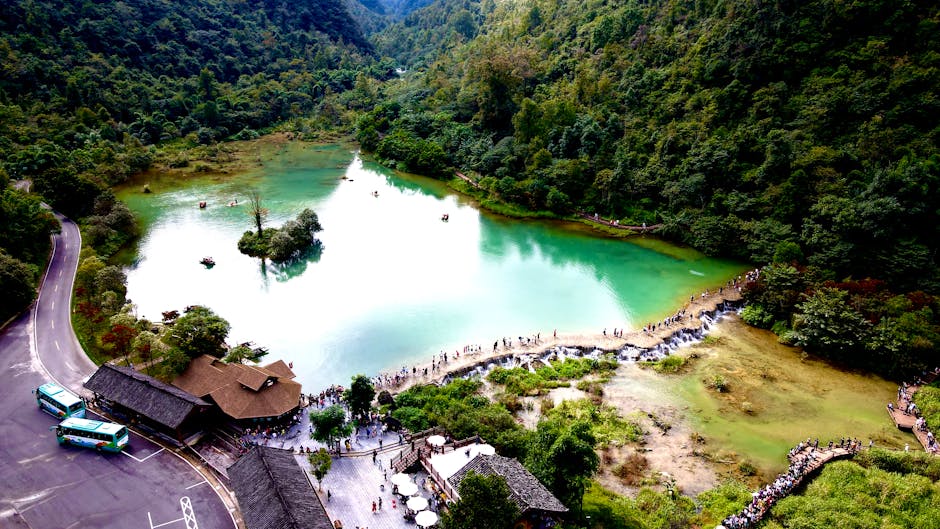
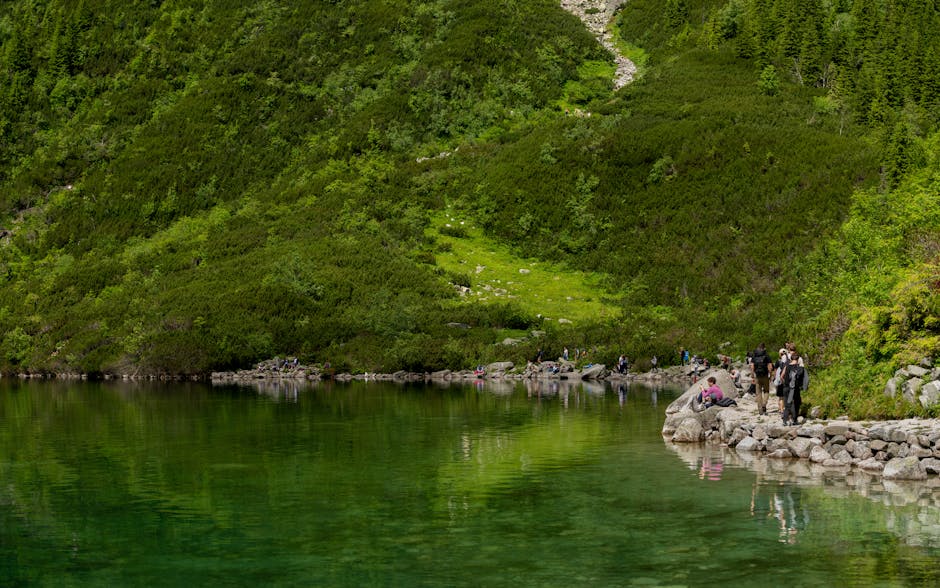
This UNESCO World Heritage site features a series of 16 terraced lakes connected by waterfalls. The lakes are renowned for their changing colors, shifting from azure to green depending on mineral content and sunlight.
Wooden walkways wind through the park, allowing visitors to experience the lakes up close. The surrounding forests are home to bears, wolves, and over 160 bird species. It’s one of Europe’s most visited natural attractions.
7. The Great Barrier Reef, Australia
Visible from space, the Great Barrier Reef is the world’s largest coral reef system. It spans over 2,300 kilometers and supports thousands of marine species, including sea turtles, clownfish, and reef sharks.
Snorkeling and scuba diving reveal vibrant coral gardens and underwater ecosystems. However, climate change and coral bleaching pose serious threats. Choosing eco-certified tour operators helps minimize environmental impact.
8. Yosemite National Park, USA
Yosemite is famous for its granite cliffs, giant sequoias, and thundering waterfalls. Iconic landmarks like Half Dome and El Capitan attract climbers from around the globe.
The park offers over 1,200 kilometers of hiking trails, from easy valley walks to multi-day backcountry treks. In spring, waterfalls like Bridalveil Fall and Yosemite Falls are at their peak flow.
9. Svalbard, Norway
This Arctic archipelago offers a chance to see polar bears in the wild, witness the midnight sun, and experience the Northern Lights. Svalbard is one of the northernmost inhabited places on Earth.
Guided snowmobile tours and dog sledding provide safe ways to explore the frozen tundra. Visitors must follow strict wildlife guidelines to avoid disturbing polar bears. The region is also a hub for climate research.</n
10. Ha Long Bay, Vietnam
Ha Long Bay is known for its emerald waters and thousands of limestone karsts rising from the sea. These dramatic formations, some topped with lush vegetation, create a seascape unlike any other.
Overnight cruises allow travelers to explore hidden caves, floating villages, and secluded beaches. The area is a UNESCO World Heritage site and a popular destination for kayaking and photography.
How to Plan Your Nature Travel Adventure
Planning a trip to a natural attraction requires research and preparation. Start by choosing a destination that matches your interests and fitness level. Consider the best time to visit based on weather, wildlife activity, and crowd levels.
Check visa requirements, local regulations, and necessary permits. Some parks limit daily visitors to protect the environment. Booking accommodations and tours in advance is especially important during peak seasons.
Step 1: Research the Destination
Learn about the climate, terrain, and local wildlife. Read recent traveler reviews and official park websites for up-to-date information. Look for seasonal highlights, such as wildflower blooms or animal migrations.
Understand the risks involved. High-altitude locations may cause altitude sickness, while tropical areas can have mosquitoes carrying diseases like dengue or malaria. Pack accordingly and consult a travel health professional if needed.
Step 2: Pack the Right Gear
Essential items include sturdy footwear, weather-appropriate clothing, and a reliable backpack. For hiking, bring a map, compass, or GPS device. A first-aid kit, water purification tablets, and a headlamp are also recommended.
If visiting remote areas, consider a satellite communicator for emergencies. Avoid single-use plastics to reduce environmental impact. Many parks now ban plastic bottles and bags.
Step 3: Choose Sustainable Options
Support eco-friendly accommodations and tour operators. Look for certifications like Green Globe or EarthCheck. These businesses follow practices that minimize waste, conserve water, and support local communities.
Follow the Leave No Trace principles: pack out all trash, stay on designated trails, and avoid disturbing wildlife. Respect local cultures and traditions, especially in indigenous areas.
Safety Tips for Nature Travel
While nature travel is rewarding, it comes with risks. Being prepared can prevent accidents and ensure a safe experience. Always inform someone of your travel plans and expected return time.
Check weather forecasts before heading out. Sudden storms, flash floods, or extreme heat can be dangerous. Carry extra food and water in case of delays. Avoid hiking alone in remote areas.
Wildlife Encounters
Keep a safe distance from animals, even if they appear calm. Feeding wildlife is harmful and often illegal. In bear country, carry bear spray and know how to use it. Make noise while hiking to avoid surprising animals.
In areas with venomous snakes or insects, wear long pants and closed-toe shoes. Use insect repellent and sleep under a mosquito net if camping in tropical regions.
Navigation and Emergencies
Carry a physical map and compass, even if you use a GPS device. Batteries can die, and signals can fail. Know basic first aid and how to signal for help. In many countries, emergency numbers differ from those at home.
If lost, stay calm and stay put. Use bright clothing or a mirror to signal rescuers. Avoid drinking untreated water from streams or lakes.
Best Times to Visit Natural Attractions
Timing can make or break your nature travel experience. Each destination has optimal seasons for weather, wildlife, and accessibility. Planning around these factors ensures better conditions and fewer crowds.
For example, visit Banff in summer for hiking or winter for skiing. The Amazon is best explored during the dry season when trails are accessible and insects are fewer. In contrast, Salar de Uyuni’s mirror effect occurs only after rain, typically from December to April.
Seasonal Considerations
Spring often brings blooming wildflowers and migrating birds. Summer offers long daylight hours but can be crowded and hot. Fall provides cooler temperatures and vibrant foliage, while winter may offer solitude and unique landscapes like snow-covered forests.
Research local festivals or events that might affect travel. Some parks close during certain seasons for conservation or safety reasons. Always verify opening dates before booking.
Photography Tips for Nature Travel
Capturing the beauty of natural attractions requires preparation and technique. A good photo can preserve memories and inspire others to explore the outdoors. Use a camera with manual settings for better control.
Golden hour—shortly after sunrise and before sunset—offers soft, warm light ideal for landscapes. Use a tripod for long exposures, especially at waterfalls or during night photography.
Ethical Photography
Never disturb wildlife for a photo. Use a zoom lens to capture animals from a distance. Avoid trampling vegetation or leaving markers like cairns, which can mislead other hikers.
Respect cultural sites and local customs. In some areas, photography of people or sacred sites requires permission. Always ask before photographing indigenous communities.
Eco-Tourism and Conservation
Eco-tourism supports conservation and benefits local economies. By choosing responsible travel options, you help protect natural attractions for future generations. Many parks use entrance fees to fund trail maintenance and wildlife protection.
Volunteer opportunities exist in some locations, such as beach cleanups or reforestation projects. These experiences deepen your connection to the environment and contribute to meaningful change.
How to Travel Responsibly
Reduce your carbon footprint by choosing direct flights and public transportation when possible. Offset your emissions through verified programs. Support local businesses, from restaurants to craft shops.
Avoid souvenirs made from endangered species or natural resources. Instead, buy locally made products that support artisans and sustainable practices.
Final Thoughts on Nature Travel
A well-planned nature travel guide can transform a simple trip into a life-changing experience. From the icy fjords of Norway to the vibrant reefs of Australia, the world’s natural attractions offer endless opportunities for adventure and discovery.
By traveling thoughtfully and respecting the environment, you help preserve these wonders. Whether you’re a seasoned hiker or a first-time camper, there’s a natural destination waiting to inspire you.
FAQ
What should I pack for a nature travel trip?
Pack weather-appropriate clothing, sturdy footwear, a first-aid kit, water purification tools, and navigation aids. Include a reusable water bottle and eco-friendly toiletries to minimize waste.
How can I travel sustainably to natural attractions?
Choose eco-certified accommodations and tour operators. Follow Leave No Trace principles, support local communities, and avoid single-use plastics. Offset your travel emissions when possible.
Is it safe to hike alone in national parks?
Hiking alone increases risk. Always inform someone of your plans, carry emergency gear, and stick to marked trails. In remote areas, consider joining a guided group for safety.
Related keywords: Nature Travel Guide with Must Visit Natural Attractions.