Family Travel Tips for Long Flights With Small Children
Flying with young kids on a long-haul flight can feel overwhelming, but with smart planning, it’s manageable—even pleasant. The key is anticipating needs, packing strategically, and staying flexible. Whether you’re heading to Europe, Asia, or across the country, these family travel tips for long flights with small children will help reduce stress and keep everyone comfortable.
Start by choosing flights that align with your child’s natural sleep schedule. Red-eyes often work well for toddlers who nap or sleep through the night. If possible, book direct flights to minimize layover chaos. And always arrive early at the airport—rushing increases anxiety for both parents and kids.
Pre-Flight Preparation
Preparation begins days before departure. Begin adjusting your child’s sleep schedule a few days prior if you’re crossing time zones. This small shift can ease jet lag and make in-flight rest more likely.
Pack a dedicated carry-on bag just for your child. Include comfort items like a favorite stuffed animal, blanket, or sleep mask. These familiar objects provide emotional security in an unfamiliar environment.
What to Pack in Your Carry-On
Your carry-on should be a mini survival kit. Essentials include snacks, drinks, diapers or pull-ups, wipes, a change of clothes, and basic medications. Don’t forget a compact first-aid kit with pain relievers, antihistamines, and any prescribed meds.
Include entertainment: coloring books, sticker sheets, small toys, and a tablet loaded with downloaded shows or games. Avoid anything noisy or battery-heavy that might disturb other passengers.
Clothing and Comfort
Dress your child in soft, layered clothing. Airplane cabins can fluctuate in temperature, and layers let you adapt quickly. Avoid shoes that are hard to remove—security checks go smoother when kids can kick off their footwear easily.
Bring a lightweight stroller if your child is under three. Most airlines allow gate-checking strollers, which saves time and energy at the airport.
Boarding and Settling In
Take advantage of family boarding when available. It gives you extra time to stow bags, settle your child, and avoid the rush of the main boarding group.
Once seated, secure your child in their seatbelt and explain the basics: staying seated during takeoff and landing, using headphones quietly, and asking before getting up.
Seat Selection Strategies
Window seats offer a view and a wall to lean against—ideal for napping. Aisle seats provide easier bathroom access. For families with two young kids, booking three seats together lets one parent sit in the middle for better supervision.
Avoid bulkhead rows if your child is under two. While they offer extra legroom, bassinets may not be available, and under-seat storage is limited.
Managing Ear Pressure During Takeoff and Landing
Ear discomfort is common during ascent and descent. Encourage swallowing by offering a bottle, pacifier, or sippy cup. Older toddlers can chew gum or drink water. Avoid letting babies sleep during these phases if possible—they may not swallow naturally and could experience pain.
If your child has a cold or ear infection, consult your pediatrician before flying. Congestion increases the risk of ear pain and potential complications.
In-Flight Entertainment and Engagement
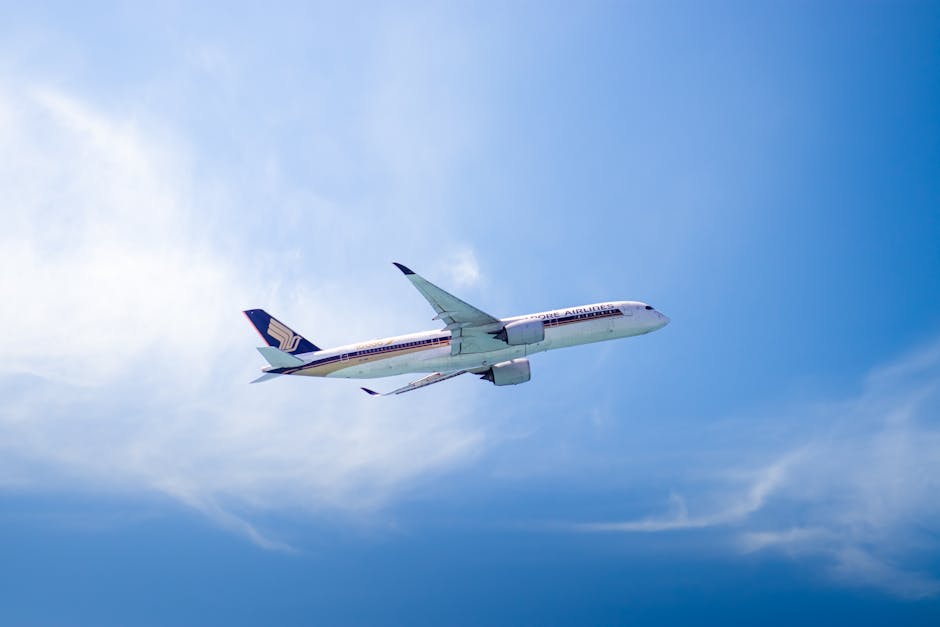
Boredom is the enemy of calm travel. Rotate activities every 30–45 minutes to maintain interest. Start with quiet toys, then introduce screen time, followed by snacks or a short walk.
Download content in advance. Streaming isn’t always reliable at 35,000 feet, and airport Wi-Fi may be too slow for large files. Use a kid-friendly media player with parental controls.
Screen Time Guidelines
It’s okay to bend screen rules during flights. A tablet with headphones can be a lifesaver. Just set limits: one show, then a break for coloring or stretching.
Invest in over-ear headphones designed for small heads. They’re more comfortable and block cabin noise better than earbuds.
Non-Screen Activities
Bring a mix of new and familiar toys. Novelty holds attention longer. Try travel-sized games like magnetic tic-tac-toe, mini puzzles, or reusable sticker books.
Simple items like pipe cleaners, modeling clay, or a small notebook with crayons can spark creativity without taking up much space.
Feeding and Hydration
Dehydration is a real concern on long flights. Cabin air is dry, and kids lose moisture quickly. Offer water frequently, even if they don’t ask.
Pack easy-to-eat snacks: crackers, cheese sticks, fruit pouches, and granola bars. Avoid sugary treats that can cause energy spikes and crashes.
Mealtime Planning
Coordinate meals with the airline’s service schedule. If your child eats at specific times, request a special meal in advance—many airlines offer toddler or child-friendly options.
Bring your own food if your child is picky or has dietary restrictions. TSA allows reasonable amounts of baby food, formula, and juice in carry-ons.
Managing Messes
Spills happen. Keep a small wet bag or zip-top pouch for soiled clothes. Use disposable placemats for tray tables to make cleanup easier.
Wet wipes are indispensable—use them for hands, faces, and surfaces. A small hand sanitizer helps when sinks aren’t accessible.
Sleep Strategies
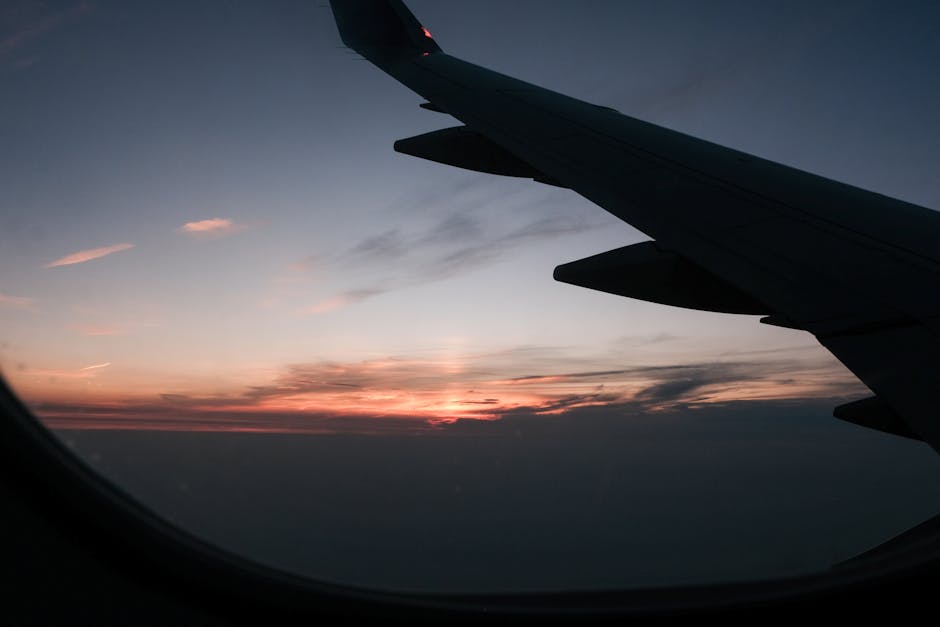
Sleep is the holy grail of long flights with kids. Create a sleep-conducive environment: dim the window shade, use a neck pillow, and play soft white noise through headphones.
If your child resists sleeping, don’t force it. Quiet activities like reading or listening to audiobooks can still provide rest.
Creating a Sleep Routine
Replicate bedtime rituals as much as possible. Read a short story, sing a lullaby, or use a familiar blanket. Consistency signals it’s time to rest, even in a noisy cabin.
Consider a travel sleep sack or wearable blanket. They’re safer than loose blankets and help maintain body temperature.
Handling Wake-Ups
If your child wakes up fussy, stay calm. Offer a sip of water, a quiet toy, or a brief cuddle. Avoid turning on bright lights or starting energetic play.
Use the “wait it out” method for minor complaints. Sometimes, a few minutes of patience prevents a full meltdown.
Bathroom and Hygiene Tips
Locate the nearest bathroom upon boarding. Familiarize your child with the setup—some airplane restrooms have child-sized toilets or fold-down seats.
For potty-trained toddlers, plan bathroom breaks every 2–3 hours. Use the “just in case” rule before takeoff and after meals.
Diaper Changes on the Go
Most wide-body planes have changing tables in the lavatories. Practice using one at home if your child is sensitive to small spaces.
Bring a portable changing pad and sealable bags for dirty diapers. Dispose of waste in the lavatory trash—never in the seatback pocket.
Hand Hygiene
Teach your child to wash hands thoroughly after using the bathroom and before eating. Use hand sanitizer when sinks aren’t available.
Wipe down tray tables and armrests with disinfectant wipes. Germs spread quickly in enclosed spaces.
Dealing with Tantrums and Meltdowns
Even the best-planned trips can include emotional outbursts. Stay calm and empathetic. Acknowledge your child’s feelings: “I know you’re tired. It’s okay.”
Distraction often works better than discipline. Offer a new snack, point out a cloud formation, or start a quiet game.
Preventing Overstimulation
Long flights can overwhelm young senses. Limit screen time, reduce noise with headphones, and create a cozy space with blankets and pillows.
Watch for signs of fatigue: rubbing eyes, irritability, or zoning out. These are cues to shift to quieter activities.
When to Seek Help
If your child becomes inconsolable or shows signs of illness—fever, vomiting, or difficulty breathing—alert the flight crew. They’re trained to assist and may have medical supplies on board.
Don’t hesitate to ask fellow passengers for understanding. Most travelers with kids have been in your shoes.
Arrival and Recovery
After landing, take your time exiting. Let the rush pass while you gather belongings and help your child reorient.
Once off the plane, find a quiet spot to regroup. Offer water, a snack, and a stretch. If you’re in a new time zone, start adjusting routines immediately.
Jet Lag Management
Expose your child to natural light at the destination’s appropriate times. Daylight helps reset the internal clock.
Stick to local meal and bedtimes as soon as possible. Short naps are fine, but avoid long sleeps that delay nighttime rest.
Post-Flight Self-Care for Parents
Traveling with kids is exhausting. Once settled, prioritize your own rest. A well-rested parent is better equipped to handle challenges.
Reflect on what worked and what didn’t. Use those insights to improve future trips.
Final Thoughts
Long flights with small children require patience, preparation, and a sense of humor. While no trip is perfect, these family travel tips for long flights with small children can turn a stressful journey into a manageable—and sometimes even enjoyable—experience.
Remember: flexibility is your greatest asset. Plans may change, but your calm presence will keep your child secure. With the right mindset and tools, you can arrive at your destination ready to explore, not recover.
FAQ
What’s the best age to start flying with kids?
Most pediatricians say it’s safe to fly with infants as young as a few weeks old, especially for short trips. For long-haul flights, waiting until 6–12 months can make the experience easier, as babies are more predictable with sleep and feeding.
Can I bring breast milk or formula on the plane?
Yes. TSA allows reasonable amounts of breast milk, formula, and juice in carry-ons, even if they exceed the standard 3.4-ounce liquid limit. Declare them at security for separate screening.
How do I keep my toddler entertained for 8+ hours?
Rotate activities every 30–45 minutes. Use a mix of screen time, quiet toys, snacks, and short walks. Bring a few new items to maintain interest and avoid over-reliance on any single activity.