Best Korean Foods to Try While Traveling Korea
Korea’s food scene is a vibrant blend of bold flavors, fresh ingredients, and centuries-old traditions. Whether you’re strolling through Seoul’s bustling markets or dining in a quiet Busan alley, trying the best Korean foods is essential to experiencing the country’s culture. From sizzling street snacks to hearty home-style stews, Korean cuisine offers something unforgettable for every palate. This guide highlights must-try dishes, where to find them, and how to enjoy them like a local—so you can eat your way through Korea with confidence.
Why Korean Food Is Worth Exploring
Korean food is more than just kimchi and barbecue. It’s a reflection of the country’s climate, history, and communal values. Meals are often shared, with multiple side dishes (banchan) served alongside a main course. Fermentation plays a key role, giving many dishes a tangy, umami-rich depth. Unlike many Western cuisines, Korean food balances heat, sweetness, saltiness, and sourness in each bite.
Travelers often discover that Korean flavors are complex yet approachable. Even if you’re new to Asian cuisine, dishes like bibimbap or tteokbokki are easy to enjoy. The emphasis on fresh vegetables, grilled meats, and fermented ingredients also makes Korean food surprisingly healthy. With street food stalls, casual eateries, and fine dining options widely available, there’s no shortage of ways to sample authentic flavors.
Top Korean Dishes to Try on Your Trip
Kimchi: The Fermented Favorite
No list of the best Korean foods is complete without kimchi. This spicy, sour, and crunchy fermented cabbage dish is a staple at nearly every meal. Made with napa cabbage, radishes, garlic, ginger, and chili flakes, kimchi is rich in probiotics and flavor.
You’ll find many varieties—some mild, others fiery. Try it as a side dish, fried with rice (kimchi bokkeumbap), or in a hot pot (kimchi jjigae). For the full experience, visit a traditional market like Gwangjang Market in Seoul, where vendors sell homemade kimchi by the jar.
Bibimbap: The Mixed Rice Bowl
Bibimbap translates to “mixed rice,” and that’s exactly what it is: a bowl of warm rice topped with sautéed vegetables, meat (usually beef), a fried egg, and gochujang (Korean chili paste). The beauty of bibimbap lies in the mix—stir everything together just before eating.
There are regional versions, like Jeonju bibimbap, which includes raw beef and extra vegetables. Look for it in casual restaurants or food courts. It’s filling, nutritious, and visually stunning—perfect for travelers wanting a balanced meal.
Tteokbokki: Spicy Rice Cakes
Tteokbokki is a beloved street food made from chewy rice cakes in a sweet and spicy sauce. The sauce is typically made with gochujang or gochugaru (chili powder), giving it a vibrant red color and a kick that builds slowly.
You’ll find tteokbokki at nearly every street food stall, especially in areas like Myeongdong or Hongdae. Some versions include fish cakes, boiled eggs, or ramen noodles. It’s affordable, fast, and deeply satisfying—ideal for a quick bite between sightseeing.
Korean Barbecue (Gogi-gui)
Korean barbecue is an interactive dining experience. Diners grill marinated beef, pork, or chicken at their table, then wrap the meat in lettuce with garlic, ssamjang (a thick dipping sauce), and kimchi.
Popular cuts include galbi (short ribs) and samgyeopsal (pork belly). While it’s pricier than street food, it’s a must-try social meal. Book a table at a mid-range restaurant in Gangnam or Insadong for a quality experience without the premium price tag.
Samgyetang: Ginseng Chicken Soup
Samgyetang is a nourishing soup made with a whole young chicken stuffed with garlic, ginseng, jujubes, and rice. It’s traditionally eaten during summer to boost energy and stamina.
The broth is clear, mild, and deeply aromatic. The meat falls off the bone, and the rice inside absorbs the rich flavors. Try it at Tosokchon Samgyetang in Seoul, a favorite among locals and tourists alike.
Jajangmyeon: Black Bean Noodles
Jajangmyeon features thick wheat noodles topped with a savory black bean sauce made from chunjang (fermented soybean paste), pork, and vegetables. Despite its Chinese origins, it’s become a Korean comfort food classic.
It’s widely available in casual restaurants and delivery services. The sauce is rich and slightly sweet, with a deep umami flavor. Pair it with pickled radish (danmuji) for a refreshing contrast.
Hotteok: Sweet Pancakes
Hotteok is a popular winter street food—a thick, pan-fried pancake filled with brown sugar, honey, chopped nuts, and cinnamon. It’s crispy on the outside, gooey on the inside, and best eaten fresh off the griddle.
You’ll find hotteok vendors in markets and near subway stations. Be careful when biting in—the filling can be extremely hot. It’s a simple treat that captures the warmth and sweetness of Korean street food.
Where to Eat: Markets, Restaurants, and Street Stalls
Traditional Markets
Markets are the heart of Korean food culture. Gwangjang Market in Seoul is one of the oldest and most famous, offering everything from bindaetteok (mung bean pancakes) to mayak gimbap (addictive seaweed rice rolls).
Noryangjin Fish Market in Seoul is ideal for fresh seafood, while Namsangol Hanok Village hosts seasonal food festivals. These markets provide an authentic, bustling atmosphere and affordable prices.
Street Food Stalls (Pojangmacha)
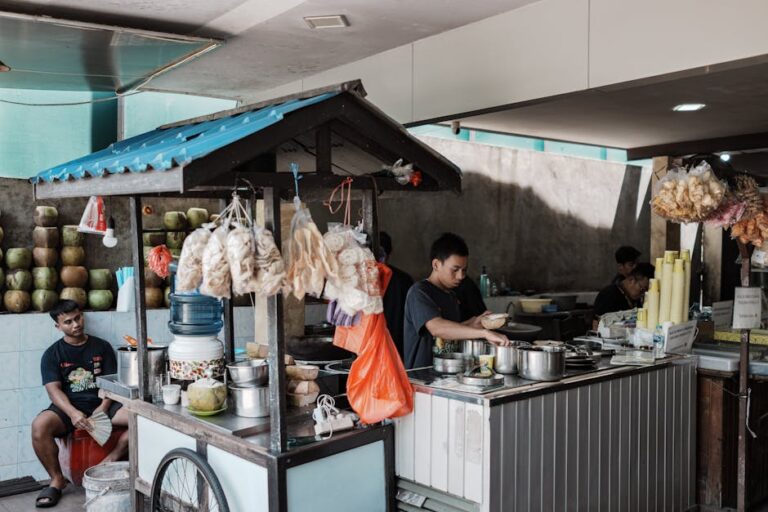
Colorful tents known as pojangmacha line busy streets and alleyways, serving quick, delicious bites. These stalls are perfect for sampling multiple dishes without committing to a full meal.
Look for ones with long lines—locals know where the best food is. Popular items include odeng (fish cake skewers), kimbap, and bungeoppang (fish-shaped pastries filled with red bean).
Casual Restaurants (Gimbap Cheonguk or Hansik)
Gimbap cheonguk specializes in quick, affordable meals like gimbap, ramyeon, and dosirak (lunch boxes). These are great for budget travelers or those on the go.
For a more traditional experience, visit a hansik restaurant serving Korean home cooking. These often offer set menus with multiple banchan and a main dish. Reservations aren’t usually needed, but learning a few Korean phrases can help.
Regional Specialties You Shouldn’t Miss
Busan: Milmyeon and Ssiat Hotteok
Busan, Korea’s coastal city, is known for its cold noodles (milmyeon), made with wheat or sweet potato starch in a tangy broth. It’s refreshing and slightly chewy—perfect for hot days.
The city also has its own version of hotteok: ssiat hotteok, filled with seeds and nuts. It’s less sweet than the standard version and has a nuttier flavor. Try both at Jagalchi Market.
Jeju Island: Heukdwaeji and Hallabong
Heukdwaeji (black pork) is a Jeju specialty—tender, flavorful pork grilled over charcoal. It’s often served with perilla leaves and dipping sauces.
Jeju is also famous for hallabong, a sweet, seedless citrus fruit. While not a dish, it’s a must-try local snack. Visit a farm or roadside stand for the freshest taste.
Gwangju: Bibimbap and Tteokgalbi
Gwangju claims to be the birthplace of bibimbap, and its version is particularly rich, with raw beef and extra vegetables. The city also excels in tteokgalbi—grilled beef patties mixed with glutinous rice.
For an authentic taste, head to a local hanok (traditional house) restaurant in the Yangdong Village area.
Tips for Eating Like a Local
Understand Banchan Etiquette
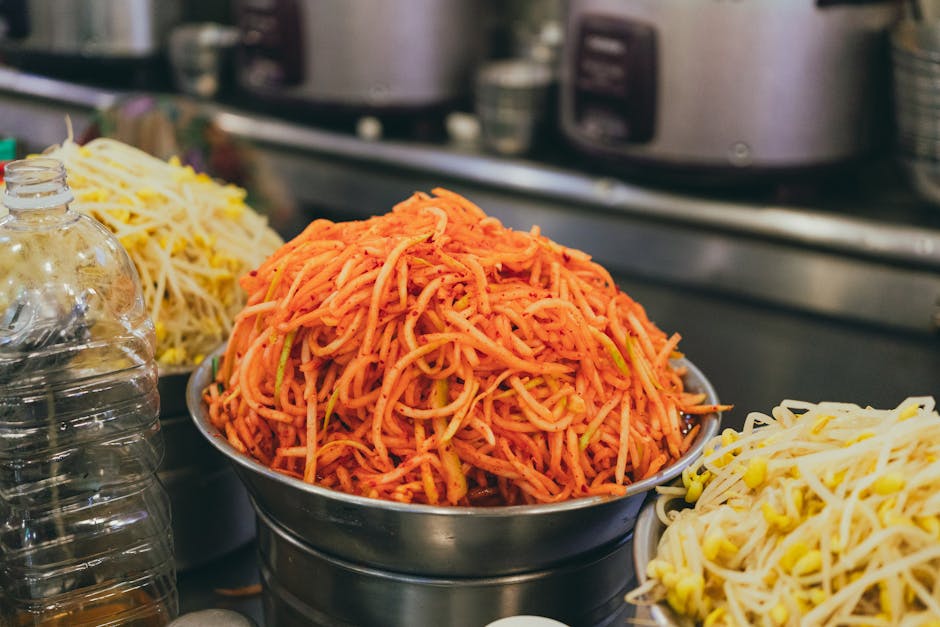
Banchan are small side dishes served with meals. They’re meant to be shared, so use serving chopsticks or spoons—not your personal utensils. It’s polite to try a little of each.
Don’t mix banchan into your main dish unless it’s part of the recipe (like in bibimbap). And never leave chopsticks standing upright in rice—it’s associated with funerals.
Learn Basic Food Phrases
While many restaurants have English menus, knowing a few Korean phrases helps. “Jal meokkesseumnida” means “I ate well” and is said after finishing a meal. “Eolmayeyo?” means “How much is it?”
Pointing to menu pictures or using translation apps can also bridge the language gap. Most vendors are patient and happy to help.
Be Mindful of Spice Levels
Korean food can be very spicy, especially dishes with gochujang or gochugaru. If you’re sensitive to heat, ask for “maeussi eopseoyo” (not spicy) when ordering.
Drink plenty of water or try a sweet drink like sikhye (rice punch) to cool down. Dairy isn’t commonly consumed, so milk-based remedies aren’t typical.
Health and Dietary Considerations
Vegetarian and Vegan Options
Korean cuisine is heavily meat- and seafood-based, but vegetarian options exist. Look for dishes like bibimbap without meat, japchae (stir-fried glass noodles), or doenjang jjigae (soybean paste stew) made without anchovy broth.
Always confirm ingredients, as fish sauce and shrimp paste are common. Buddhist temple cuisine (temple food) is a great option for plant-based meals—try it at a temple stay in Seoul or Busan.
Food Allergies and Cross-Contamination
Allergens like shellfish, soy, and sesame are prevalent. If you have allergies, carry a translation card explaining your restrictions. Many restaurants use shared cooking surfaces, so cross-contamination is possible.
Stick to busy places with high turnover—they’re more likely to follow hygiene standards. Avoid raw or undercooked foods if you have a sensitive stomach.
Seasonal Foods to Try
Spring: Bamboo Shoots and Wild Greens
Spring brings fresh bamboo shoots (juksun) and wild greens like ssuk (crown daisy). These are often stir-fried or added to soups for a clean, earthy taste.
Look for seasonal menus at traditional restaurants or visit a mountain area like Bukhansan for foraged ingredients.
Summer: Naengmyeon and Patbingsu
Naengmyeon is a cold noodle dish served in icy broth, perfect for hot weather. It comes in two styles: mul naengmyeon (watery broth) and bibim naengmyeon (spicy mixed noodles).
Patbingsu is a shaved ice dessert topped with sweet red beans, fruit, condensed milk, and sometimes ice cream. It’s a refreshing treat found in cafes and dessert shops.
Autumn: Persimmons and Chestnuts
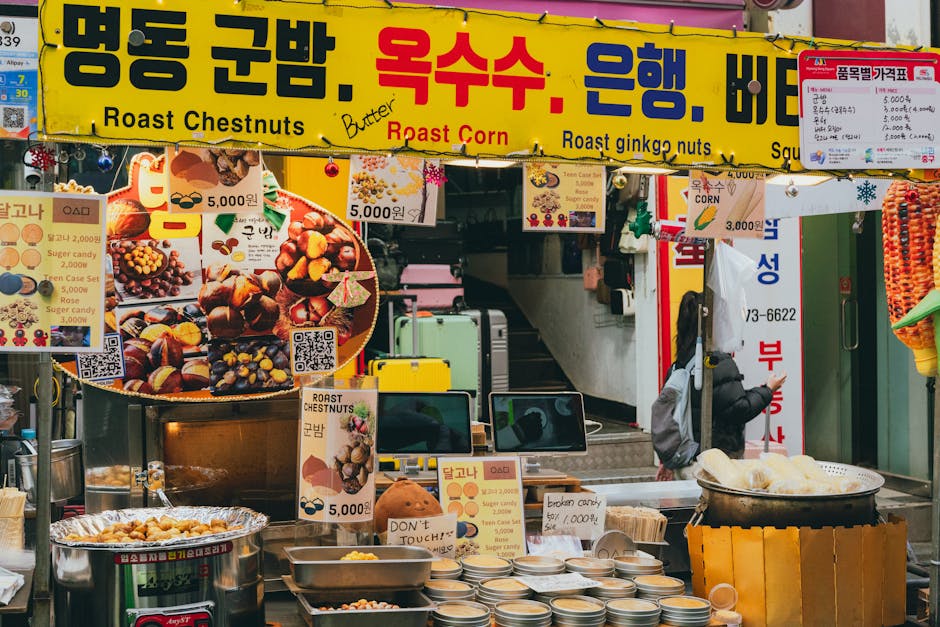
Autumn is harvest season. Dried persimmons (gotgam) are chewy and sweet, often eaten as a snack. Fresh chestnuts are roasted and sold on street corners.
Try yaksik, a sweet rice dessert with chestnuts and jujubes, especially during Chuseok (Korean Thanksgiving).
Winter: Hot Soups and Grilled Snacks
Winter calls for warming dishes like seolleongtang (ox bone soup) and gimbap. Street vendors sell roasted sweet potatoes and hot drinks like sikhye.
Seolleongtang is milky-white, rich, and deeply comforting. It’s often eaten with rice and kimchi. Try it at a neighborhood soup shop for an authentic experience.
How to Order and Pay
Using Vending Machines and Kiosks
Many Korean restaurants use ticket vending machines for ordering. Select your dish, pay with cash or card, and take the ticket to the counter. This system is common in ramyeon shops and gimbap stores.
Some high-tech cafes and restaurants have tablet kiosks. Look for English options or ask staff for help. Always keep your receipt until you receive your food.
Payment Methods
Cash is still widely used, especially at street stalls and small markets. However, credit cards and mobile payments (like KakaoPay or Toss) are accepted in most urban areas.
Tip: Carry small bills and coins. Many machines don’t give change for large denominations. Tipping isn’t customary in Korea.
Final Thoughts on Korean Food Travel
Exploring the best Korean foods is one of the most rewarding parts of traveling in Korea. From fiery street snacks to delicate temple dishes, every bite tells a story. Don’t be afraid to step into a small alley restaurant or try something unfamiliar—some of the best meals happen by chance.
Eat slowly, share generously, and savor the flavors. With its balance of tradition and innovation, Korean cuisine offers endless discoveries for curious travelers.
FAQ
Q: Is Korean food safe for tourists to eat?
A: Yes, Korean food is generally very safe. Street food is cooked fresh and served hot, reducing contamination risks. Stick to busy stalls with high turnover for the best hygiene.
Q: Can I find vegetarian food easily in Korea?
A: It’s possible, but requires planning. Look for temple food, vegetarian-friendly cafes, or dishes like bibimbap without meat. Always confirm ingredients, as hidden fish sauce is common.
Q: What’s the best way to experience Korean food culture?
A: Visit traditional markets, try street food, and dine at local restaurants. Engage with vendors, try sharing dishes, and don’t skip the banchan—they’re part of the experience.