Beach Travel Guide for Coastal Cities and Island Trips
Planning a beach getaway? Whether you’re drawn to the vibrant energy of coastal cities or the serene escape of remote islands, this beach travel guide helps you choose, prepare for, and enjoy your next seaside adventure. From packing essentials to hidden local gems, we cover everything you need to know for a smooth, memorable trip. Coastal destinations offer more than just sand and surf—think fresh seafood, cultural landmarks, and outdoor activities that make each location unique. With thoughtful planning, your beach vacation can be both relaxing and enriching.
Why Choose a Coastal City or Island Destination?
Coastal cities and island trips each offer distinct experiences. Urban beach hubs like Miami, Barcelona, or Sydney combine shoreline relaxation with city conveniences—restaurants, museums, nightlife, and public transit. Islands, such as Santorini, Maui, or the Maldives, provide seclusion, natural beauty, and slower rhythms. Your choice depends on travel goals: seek adventure and culture? Go coastal. Craving peace and privacy? An island escape may be ideal.
Both settings share common perks: ocean views, water sports, and fresh air. But infrastructure varies widely. Coastal cities often have better medical facilities and transportation links. Islands may require longer travel times and limited services, especially in off-seasons. Consider your comfort level with isolation and accessibility when deciding.
Top Coastal Cities for Beach Lovers
Miami, Florida
Miami blends Art Deco architecture with turquoise waters along South Beach. The city offers high-end dining, nightlife, and cultural districts like Wynwood. Public buses and trolleys make getting around easy. Visit during spring or fall to avoid summer heat and hurricane season.
South Beach is ideal for sunbathing and people-watching, while quieter spots like Key Biscayne offer kayaking and dolphin sightings. Parking can be expensive, so consider rideshares or bike rentals.
Barcelona, Spain
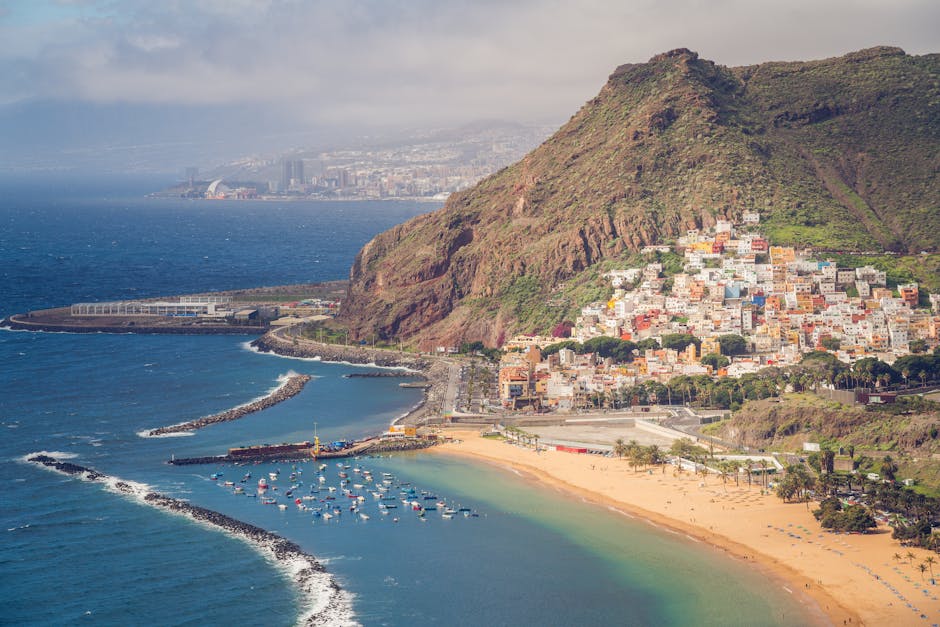
Barcelona’s beaches stretch along the Mediterranean, just minutes from Gaudí’s landmarks and tapas bars. Barceloneta Beach is the most popular, but Nova Icària offers a more local vibe with fewer crowds. The city’s metro system connects beaches efficiently.
Water quality is generally good, but check local advisories during peak summer months. Bring a reusable water bottle—public fountains are plentiful and safe to drink from.
Sydney, Australia
With over 70 beaches, Sydney caters to every preference. Bondi Beach is iconic for surfing and coastal walks, while Palm Beach offers privacy and celebrity sightings. The coastal walk from Bondi to Coogee is a must-do, featuring cliffs, coves, and ocean pools.
Lifeguards patrol major beaches year-round. Rip currents are common—always swim between the red and yellow flags. Public ferries provide scenic access to Manly and other northern beaches.
Best Island Destinations for a Seaside Escape
Santorini, Greece
Famous for whitewashed buildings and sunset views over the Aegean, Santorini’s volcanic beaches stand out. Red Beach and Perissa offer dramatic backdrops, though access can be limited due to erosion. Fira and Oia provide luxury stays and fine dining.
Ferries connect Santorini to Athens and other islands, but schedules shrink in winter. Book accommodations early—peak season fills quickly. Avoid July and August if you dislike crowds.
Maui, Hawaii
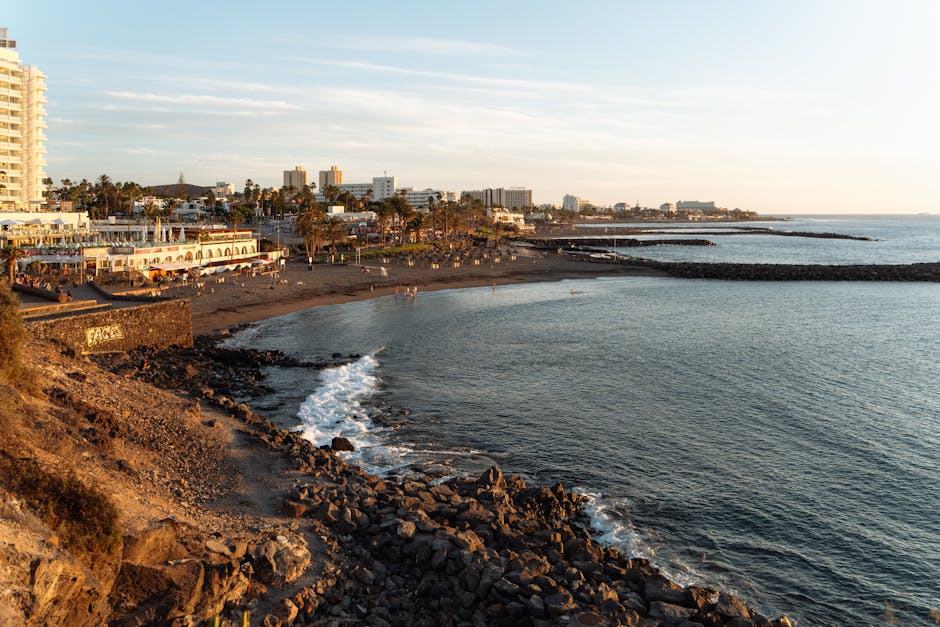
Maui delivers diverse coastlines: black sand at Waiʻānapanapa State Park, golden shores at Kaanapali, and snorkeling hotspots like Molokini Crater. The Road to Hana offers waterfalls and hidden beaches, but drive cautiously—roads are narrow and winding.
Respect local customs and marine life. Never touch coral or feed fish. Sunscreen with oxybenzone harms reefs—opt for reef-safe brands. Rent a car for flexibility, but book in advance.
Maldives
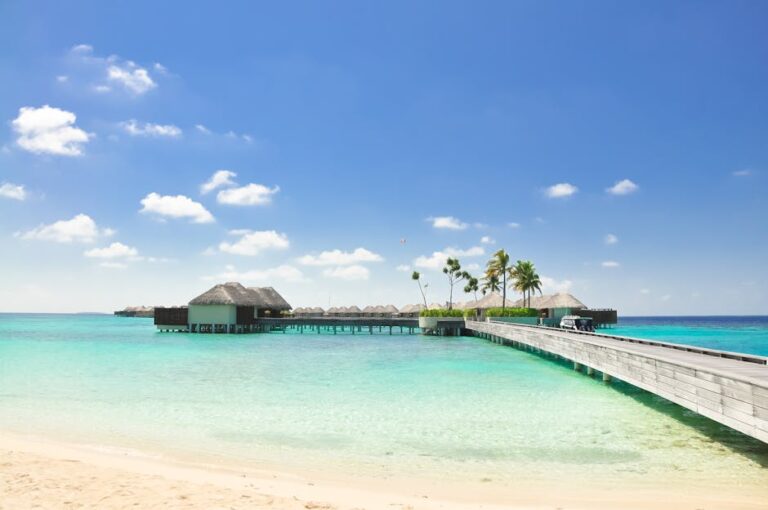
A tropical paradise of overwater bungalows and crystal lagoons, the Maldives is ideal for honeymooners and divers. Most resorts are on private islands, offering privacy and all-inclusive packages. Male International Airport is the main gateway, with seaplane transfers to resorts.
Visas are granted on arrival for most nationalities. Pack light—luggage space on seaplanes is limited. Avoid visiting during monsoon season (May to October) for calmer seas and clearer skies.
How to Plan Your Beach Trip Step by Step
1. Choose Your Destination
Start by defining your priorities: relaxation, adventure, culture, or family fun. Use travel blogs, weather patterns, and budget constraints to narrow options. Compare flight costs, accommodation types, and local events during your travel window.
Check visa requirements and vaccination recommendations. Some islands, like the Maldives, require proof of return tickets and hotel bookings.
2. Book Flights and Accommodations
Book flights 2–3 months in advance for better rates. Use fare comparison tools and set price alerts. For islands, confirm transfer options—some resorts include airport shuttles or boat rides.
Accommodations range from hostels to luxury villas. Coastal cities offer more variety, while islands often have limited inventory. Read recent reviews focusing on cleanliness, location, and noise levels.
3. Pack Smart for the Beach
Essentials include swimwear, sunscreen (SPF 30+), a wide-brim hat, and UV-protective clothing. Bring a waterproof phone case, reusable water bottle, and quick-dry towel. For islands, pack a power adapter and portable charger—outlets may be scarce.
Avoid overpacking. Many destinations have laundry services or convenience stores. Leave valuables at home—sand and saltwater can damage electronics and jewelry.
4. Plan Activities and Excursions
Research must-do experiences: snorkeling, boat tours, hiking trails, or food markets. Book popular tours in advance, especially during peak seasons. Check cancellation policies in case of weather disruptions.
Balance structured plans with downtime. Over-scheduling can turn a relaxing trip into a stressful one. Ask locals for recommendations—they often know the best hidden beaches and eateries.
Safety Tips for Coastal and Island Travel
Swim with Caution
Always check for lifeguard presence and warning signs. Rip currents are a leading cause of beach drownings. If caught in one, swim parallel to shore until free, then return to land. Never turn your back on the ocean.
Avoid swimming alone or after drinking alcohol. Strong waves and riptides can appear suddenly, even on calm days.
Protect Against Sun and Heat
Apply sunscreen 30 minutes before sun exposure and reapply every two hours. Seek shade during peak UV hours (10 a.m. to 4 p.m.). Wear sunglasses with UV protection to prevent eye damage.
Stay hydrated. Dehydration can cause dizziness, fatigue, and heatstroke. Carry water, especially on island hikes or city walks.
Respect Local Environments and Cultures
Follow “leave no trace” principles. Dispose of trash properly and avoid disturbing wildlife. On islands, freshwater is often limited—conserve usage.
Learn basic greetings in the local language. Dress modestly when visiting religious sites or rural areas. In some cultures, public displays of affection or alcohol consumption are frowned upon.
What to Eat and Drink by the Coast
Fresh Seafood
Coastal regions pride themselves on daily catches. Try grilled octopus in Greece, ceviche in Peru, or fish tacos in Mexico. Eat at busy local spots—high turnover usually means fresher ingredients.
Be cautious with raw shellfish if you have sensitivities. Choose cooked options if unsure about food safety standards.
Tropical Drinks and Local Specialties
Sip on coconut water in Thailand, fresh sugarcane juice in Vietnam, or a classic mojito in Cuba. Many islands offer fruit-based cocktails with local spirits. Avoid tap water in developing regions—stick to bottled or filtered.
Street food can be delicious and safe if prepared fresh in front of you. Look for stalls with high customer volume and clean cooking surfaces.
Sustainable Beach Travel Practices
Choose Eco-Friendly Accommodations
Look for hotels with sustainability certifications or practices like solar power, water recycling, and plastic reduction. Many island resorts participate in coral restoration programs.
Support businesses that hire locally and source food regionally. This boosts the community and reduces carbon footprint.
Minimize Plastic Use
Bring a reusable shopping bag, straw, and container. Many coastal cities have banned single-use plastics. Refill water bottles at designated stations instead of buying disposable ones.
Avoid products that harm marine life, such as certain sunscreens and glitter. Choose biodegradable toiletries when possible.
Travel Responsibly
Use reef-safe snorkel gear and avoid stepping on coral. Take only photos, leave only footprints. Participate in beach cleanups if available—many islands organize volunteer events.
Offset your flight emissions through reputable programs. Consider slower travel methods like ferries when feasible.
Final Tips for a Smooth Beach Vacation
Arrive at the beach early to secure parking and avoid crowds. Mornings often have calmer waters and better light for photography. Download offline maps and translation apps before traveling.
Keep digital copies of important documents in cloud storage. Notify your bank of travel plans to avoid card blocks. Purchase travel insurance that covers medical emergencies and trip cancellations.
Stay flexible. Weather, tides, and local events can change plans. Embrace the unexpected—some of the best travel memories come from unplanned moments.
FAQ
What should I pack for a beach trip to a coastal city?
Pack lightweight clothing, swimwear, sunscreen, a hat, sunglasses, a reusable water bottle, and comfortable walking shoes. Include a light jacket for cooler evenings and a waterproof bag for electronics.
Are island destinations safe for solo travelers?
Yes, many islands are safe for solo travelers, especially popular ones with established tourism. Research your destination, stay in well-reviewed accommodations, and share your itinerary with someone back home. Avoid isolated areas at night.
How can I avoid crowds at popular beaches?
Visit early in the morning or late afternoon. Choose less touristy beaches recommended by locals. Travel during shoulder seasons (spring or fall) when schools are in session and peak vacation periods have passed.